
thickspike wheatgrass
Elymus lanceolatus
Also known as: thickspike wheatgrass
- Native to:
- Canada, Russia, United States
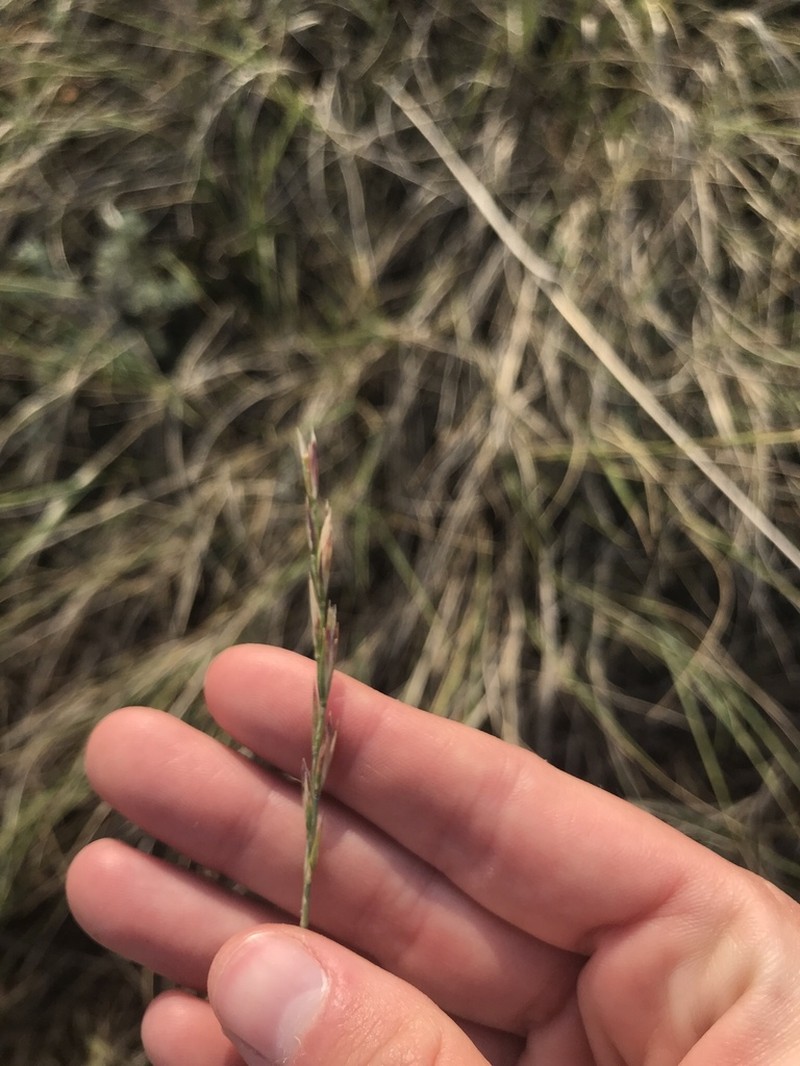
iNaturalist: © beeworldly (iNaturalist #54940531)
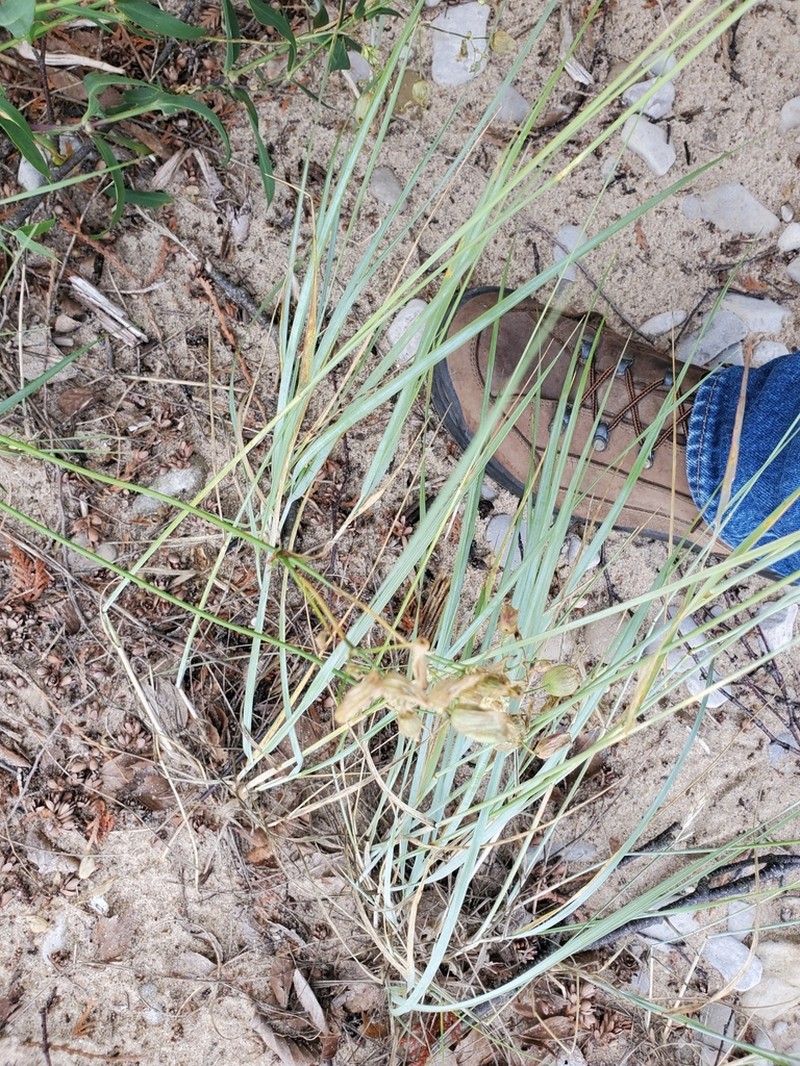
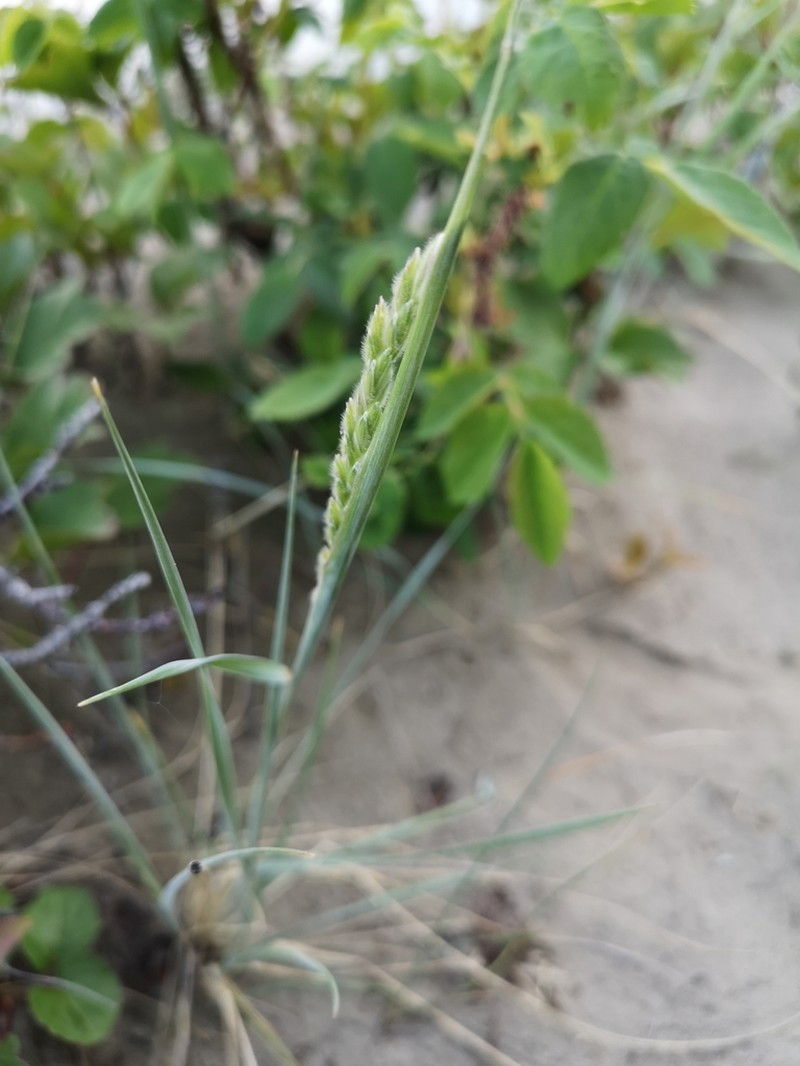
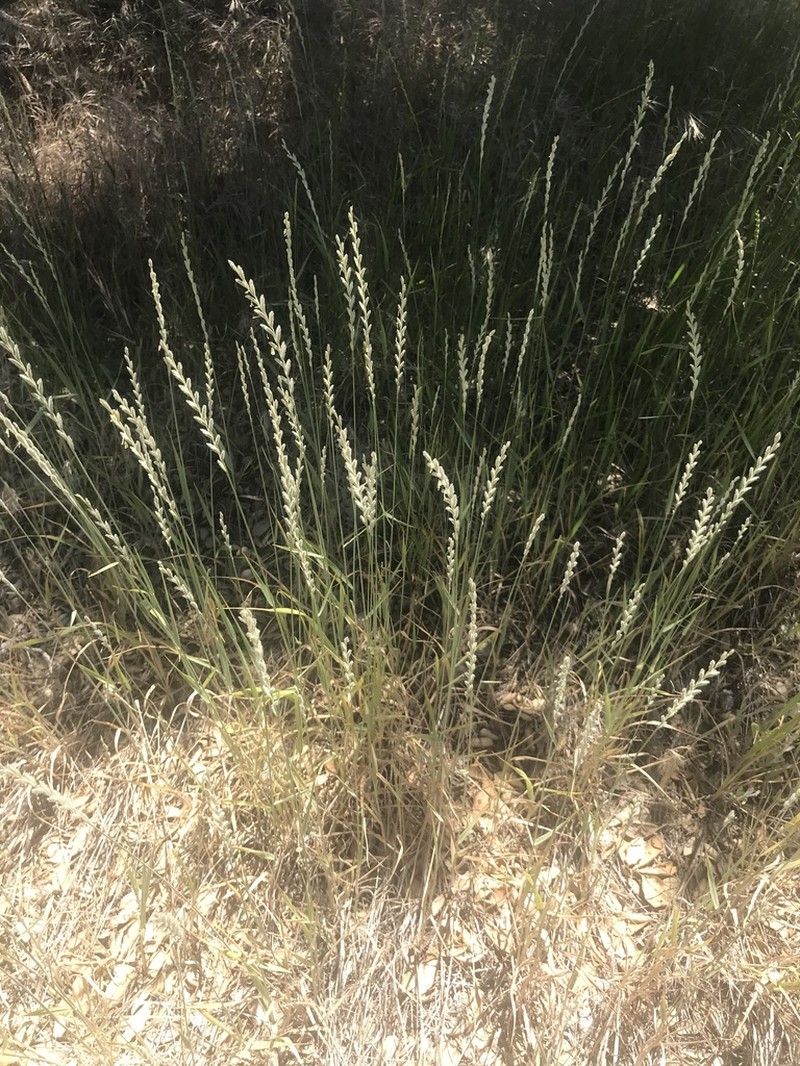
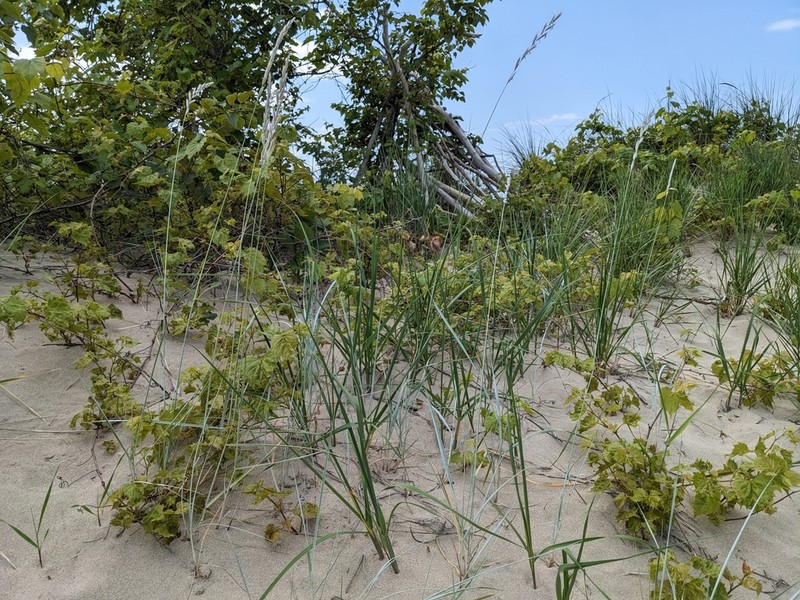
Taxonomy
- Division:
- Magnoliophyta | - Flowering plants
- Family:
- Poaceae
- Genus:
- Elymus
- Species:
- Elymus lanceolatus
- USDA Symbol:
- ELLA3
Growth Characteristics
- Life Cycle:
- Perennial
- Growth Habit:
- Graminoid
- Height:
- 100 cm
- Light Requirements:
- Full Sun
- Drought Tolerance:
- High
- Lawn Substitute:
- Yes
Garden & Ecology Notes
- Wildlife Value:
- birds, small mammals
- Deer Resistant:
- Yes
- Salt Tolerant:
- Yes
- Fire Ecology:
- Fire adapted — tolerates or benefits from fire
- Fire Notes:
- Resprouts from rhizomes after fire; used in post-fire rehabilitation seedings.
Soil Requirements
- Soil Type:
- sandy, well-drained, nutrient-poor soil
- pH:
- 6.0 - 8.0 (neutral to slightly alkaline)
- Drainage:
- excellent drainage required
- Moisture:
- dry to moderate
- Notes:
- commonly found in prairies and open woodlands
Propagation & Germination
- Stratification:
- Cold/moist stratification required — 30–60 days
- Germination Time:
- 7–21 days
- Notes:
- Seeds germinate readily after cold stratification; sow in fall or stratify for 30-60 days.
Pre-treatment: Seed should be treated with Carboxin or a similar compound to prevent head smut (Ustilago bullata) in subsequent seed crops.
Establishment: Seed ripens in mid to late July in the Pullman area, but earlier in the warmer, drier areas of Washington. It is collected when the inflorescence begins to dry and the seed is in the soft to hard dough stage but before it shatters from the inflorescence. Seed can be stripped from the inflorescence or the inflorescence can be clipped from the plant. Harvested seed is stored in paper bags at room temperature until cleaned.
Source: npn.rngr.net