
Riverbank Wildrye
Elymus riparius
- Native to:
- Canada, Mexico, United States, Virgin Islands
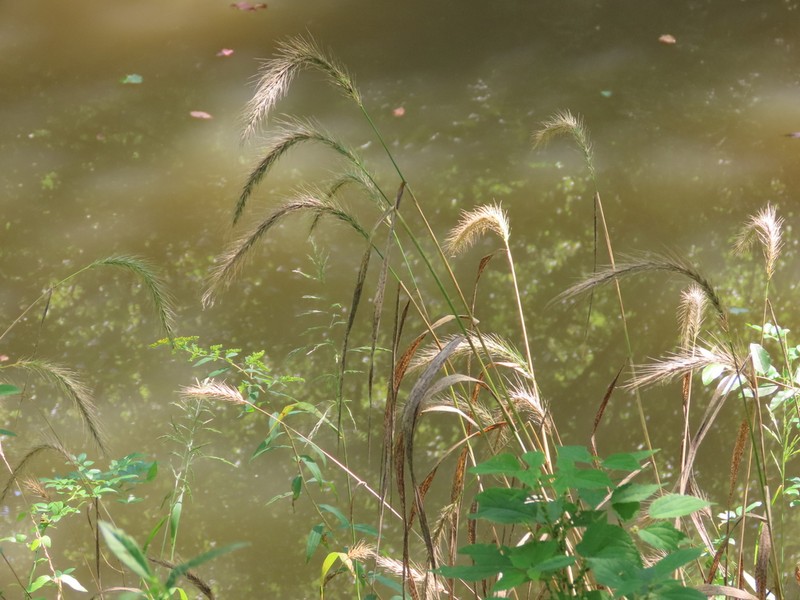
iNaturalist: © ccantley (iNaturalist #179205203)
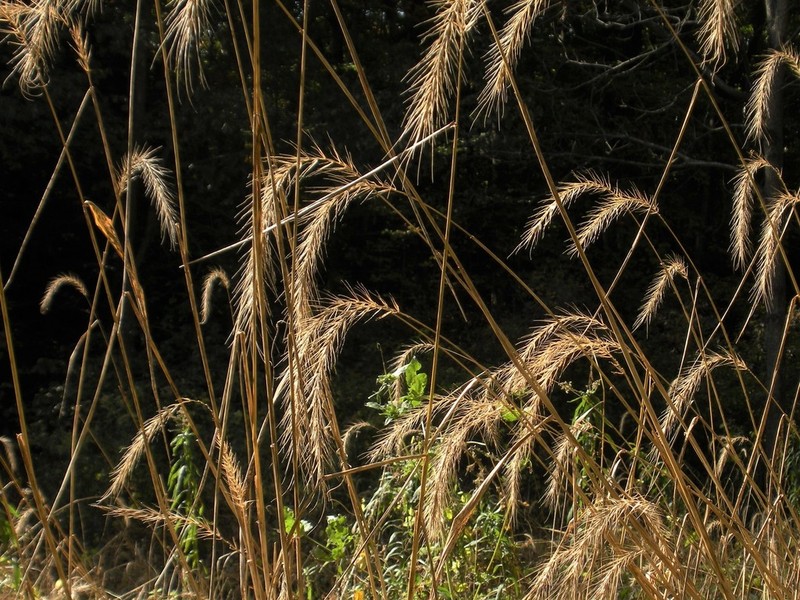
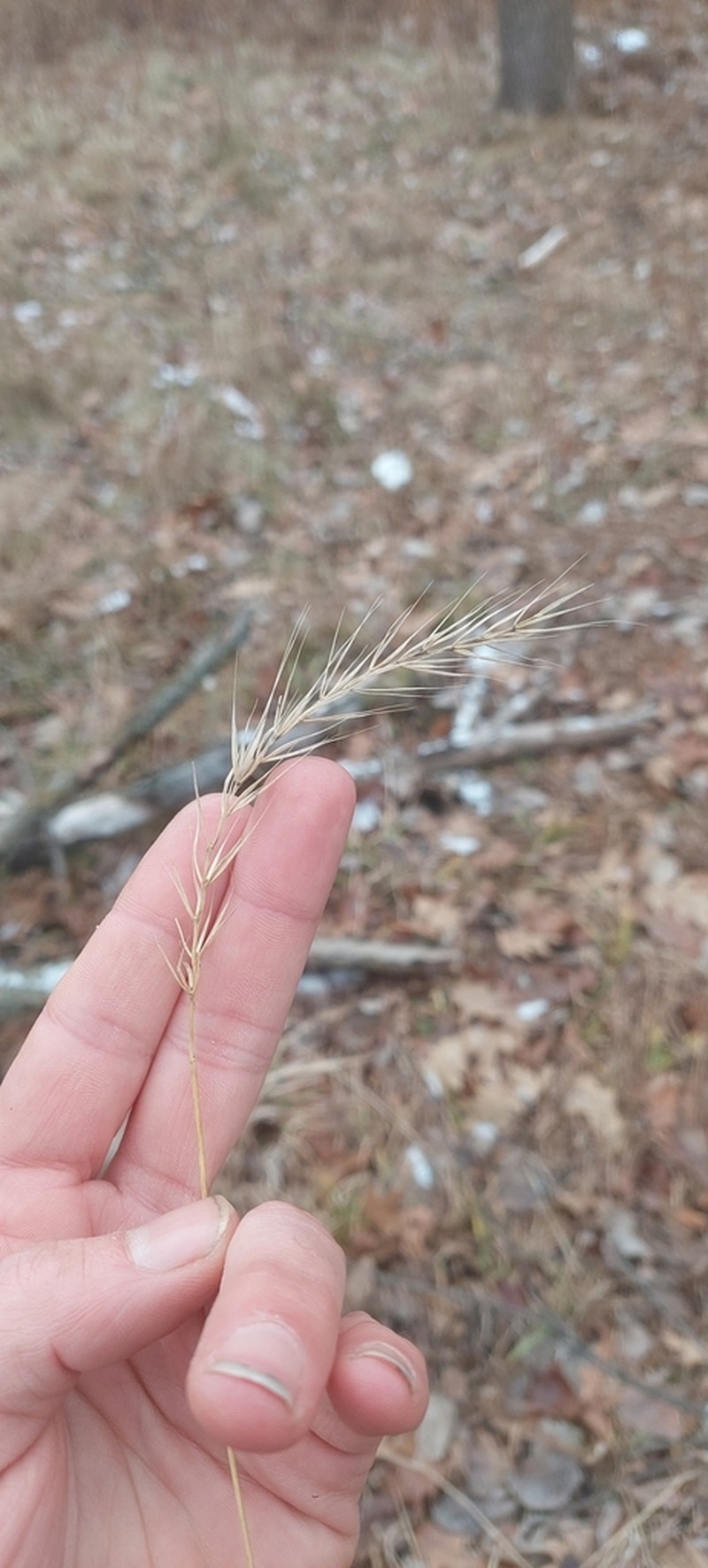
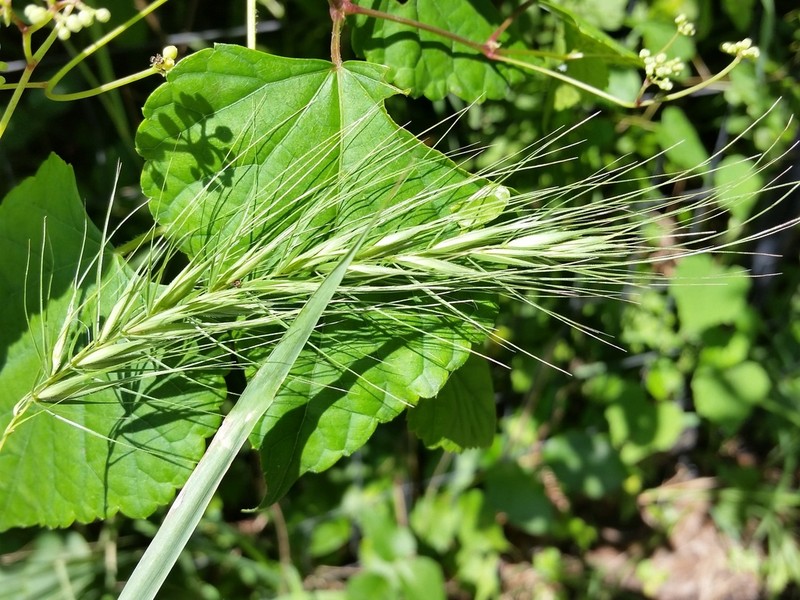
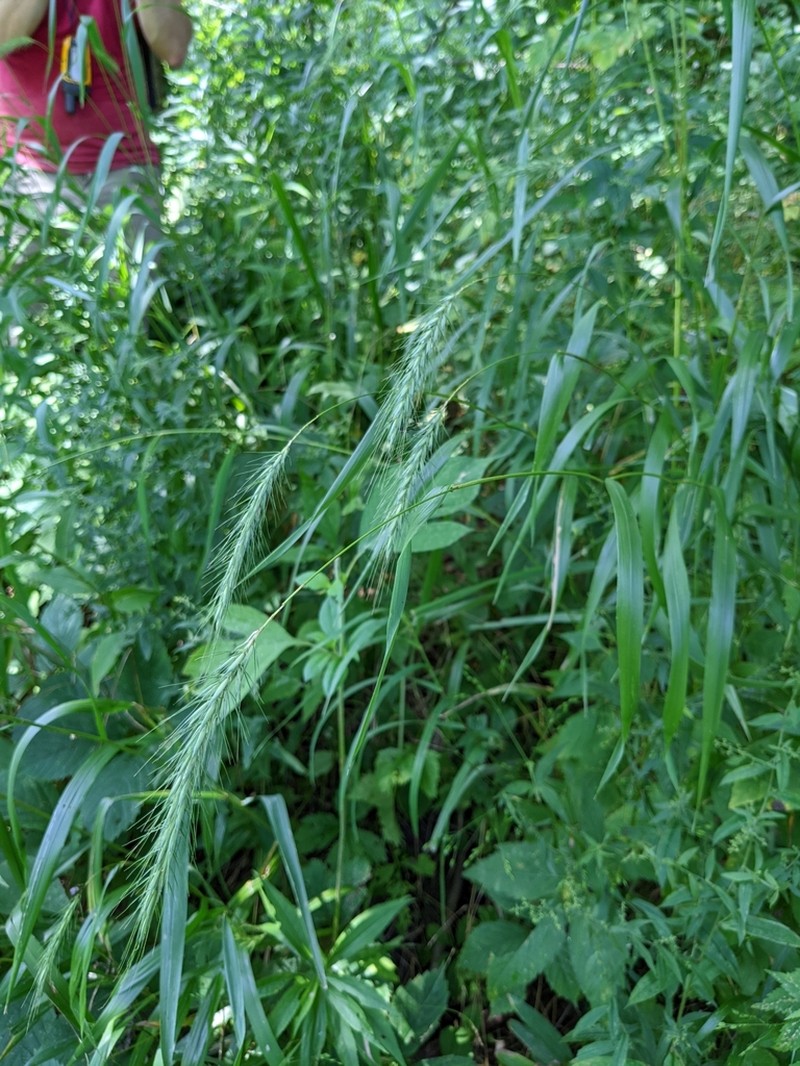
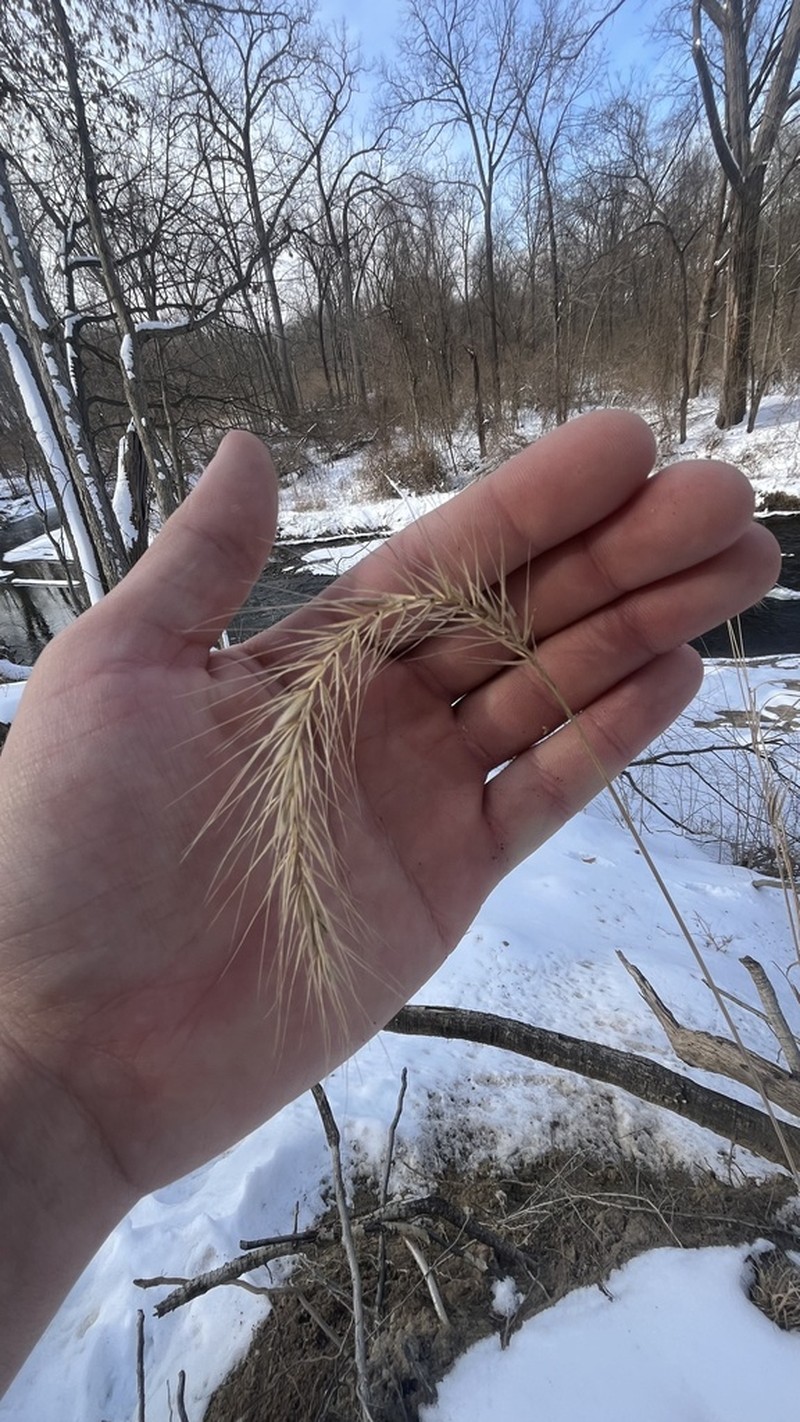
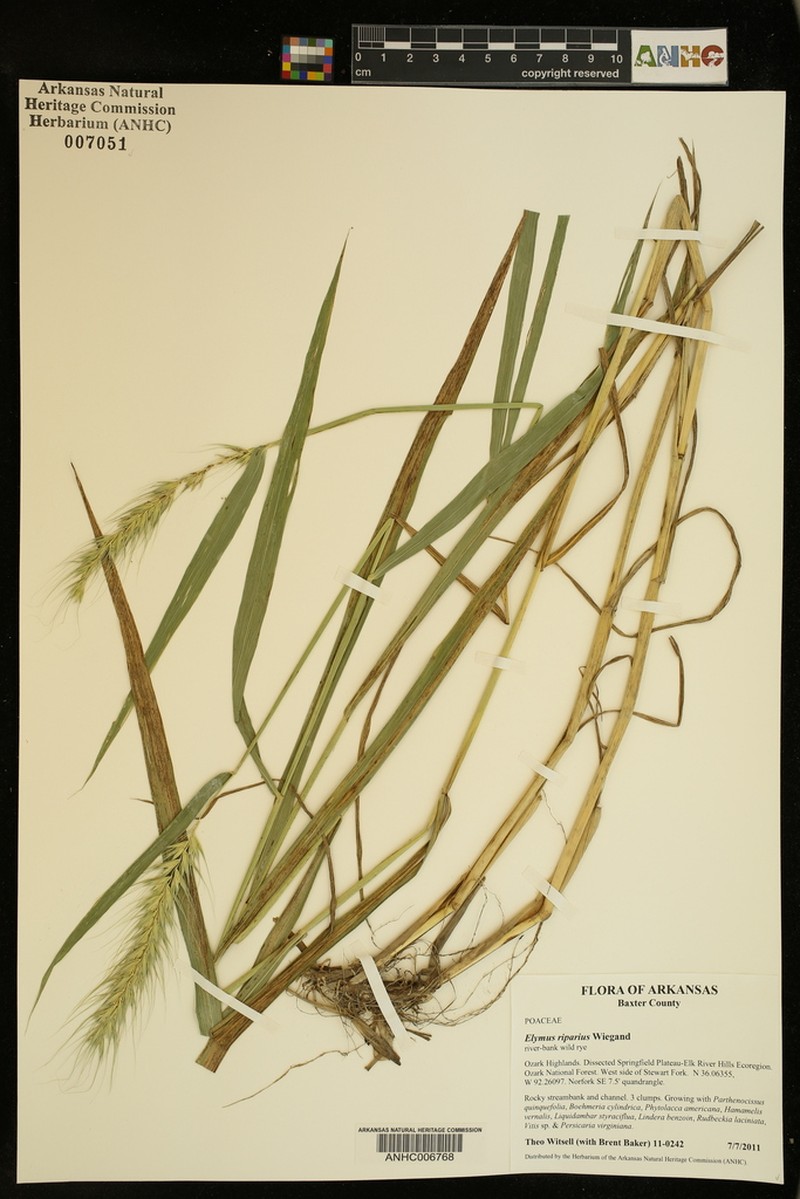
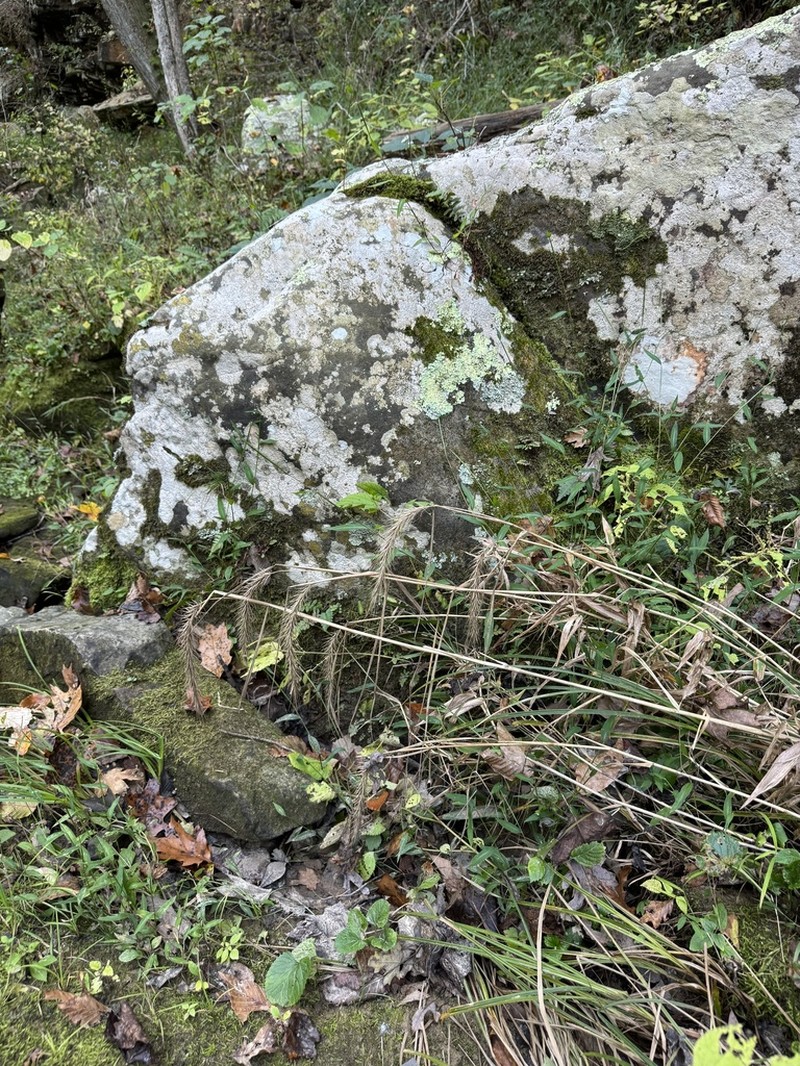
Taxonomy
- Division:
- Magnoliophyta | - Flowering plants
- Family:
- Poaceae
- Genus:
- Elymus
- Species:
- Elymus riparius
- USDA Symbol:
- ELRI
Growth Characteristics
- Life Cycle:
- Perennial
- Growth Habit:
- Graminoid
- Height:
- 150 cm
- Light Requirements:
- Part Shade,Shade
- Drought Tolerance:
- Low
- Bloom Months:
- jun,jul,aug
Host Plant for Caterpillars
Benjaminiola colorada, Burdock Borer (Papaipema cataphracta), Cosmiotes illectella, Elachista leucofrons, Faronta albilinea, Faronta diffusa, Mesapamea stipata, Zabulon Skipper (Poanes zabulon)
Garden & Ecology Notes
- Wildlife Value:
- birds, small mammals
Soil Requirements
- Soil Type:
- moist, fertile, well-drained loamy soil
- pH:
- 5.5 - 7.0 (slightly acidic to neutral)
- Drainage:
- tolerates poor drainage
- Moisture:
- consistently moist
- Notes:
- prefers riparian zones and floodplains
Propagation & Germination
- Stratification:
- Cold/moist stratification required — 30–60 days
- Germination Time:
- 14–30 days
- Notes:
- Seeds germinate readily after cold stratification; sow in fall or stratify for 30-60 days.
Pre-treatment: De-awned seed is planted into propagation 38 trays, greenhouse flat liners with 38 2.1 " diameter by 2.2" deep round cells per liner, filled with coarse processed bark and composted pine bark growing medium. Seed is surface sown at a rate of 3-5 seeds per cell and lightly covered with starter sized, 1/16" - 1/8" diameter, granite poultry grit to combat damping off diseases.
Source: npn.rngr.net
Where to Buy
Nationwide Seller
- Prairie Moon Nursery (nursery and seeds)
- Sheffield's Seed (seeds)
- Ernst Seeds (seeds)