
Western Wheatgrass
Elymus smithii
- Native to:
- Canada, Mexico, United States
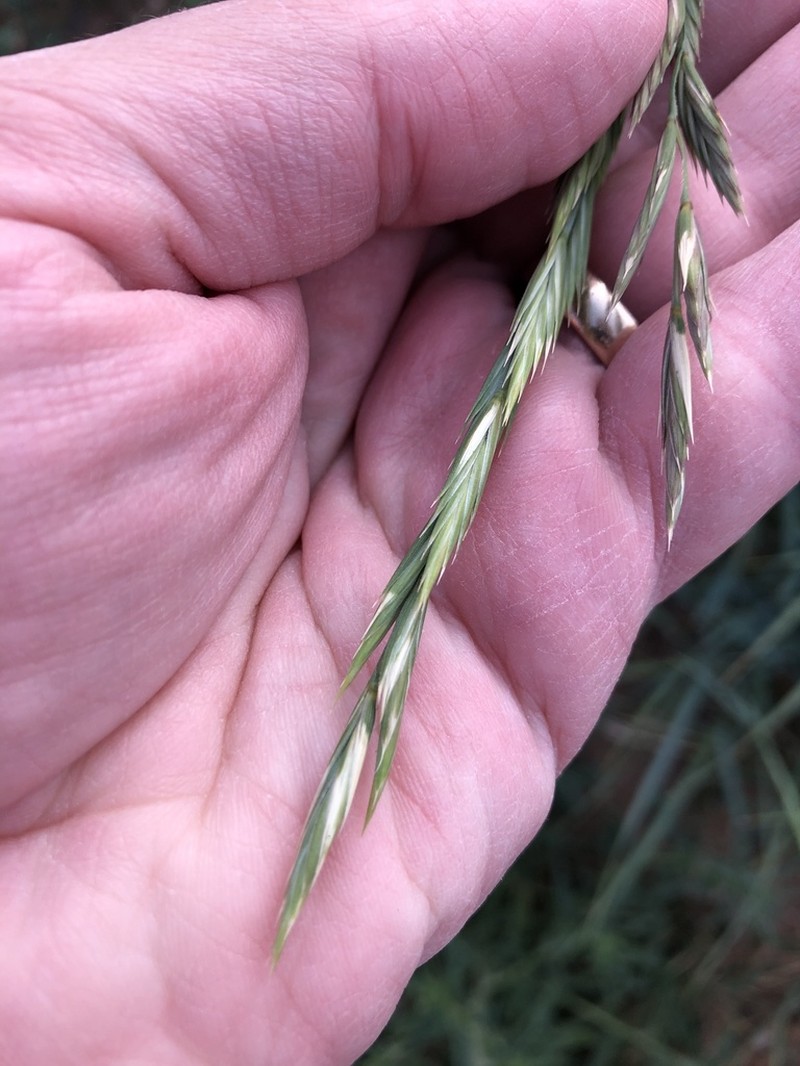
iNaturalist: © jordandcochran (iNaturalist #76131274)
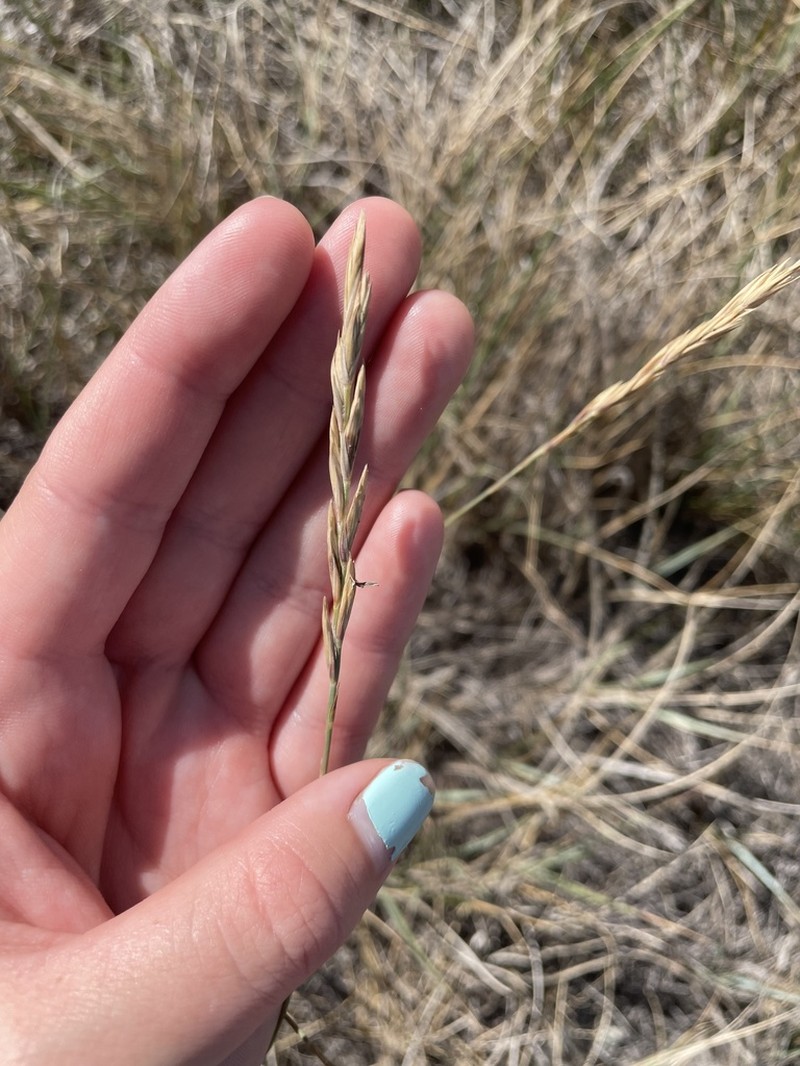
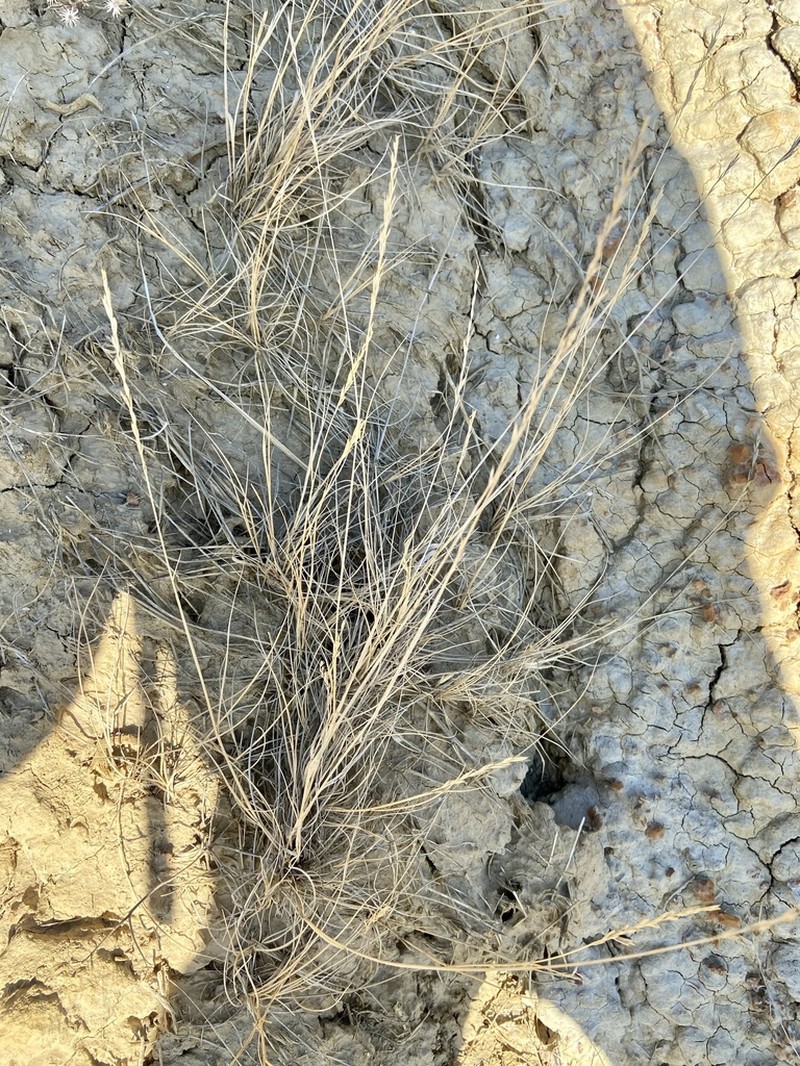
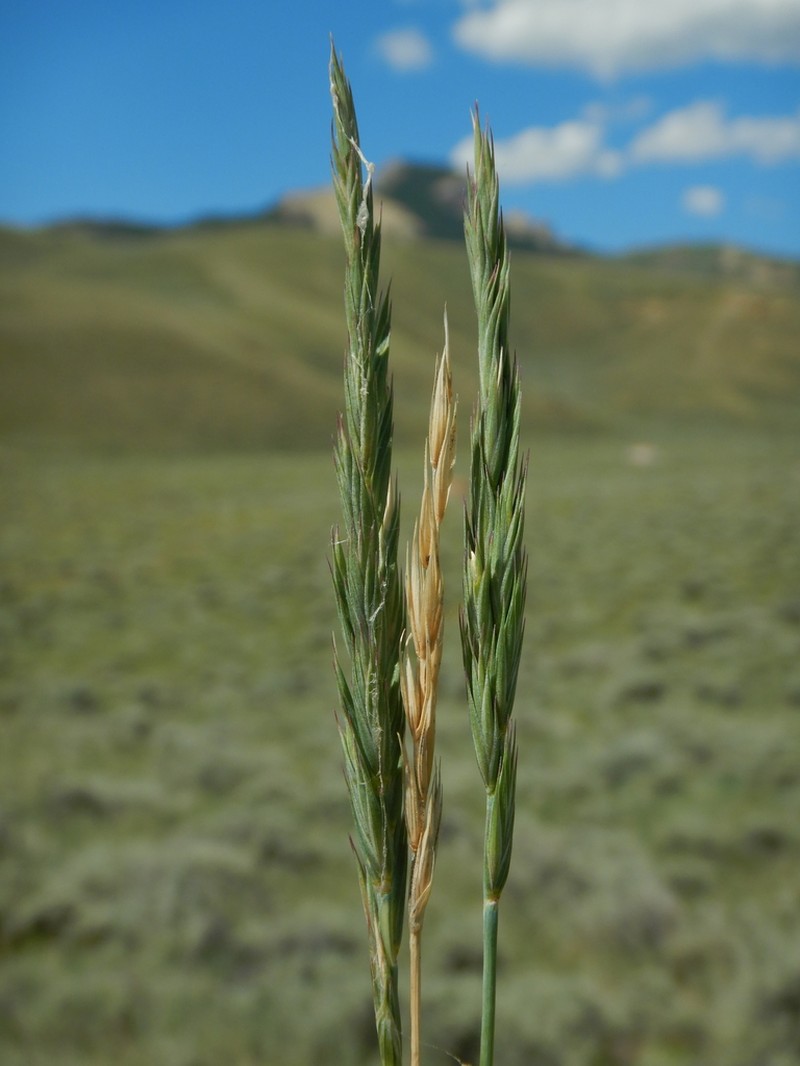
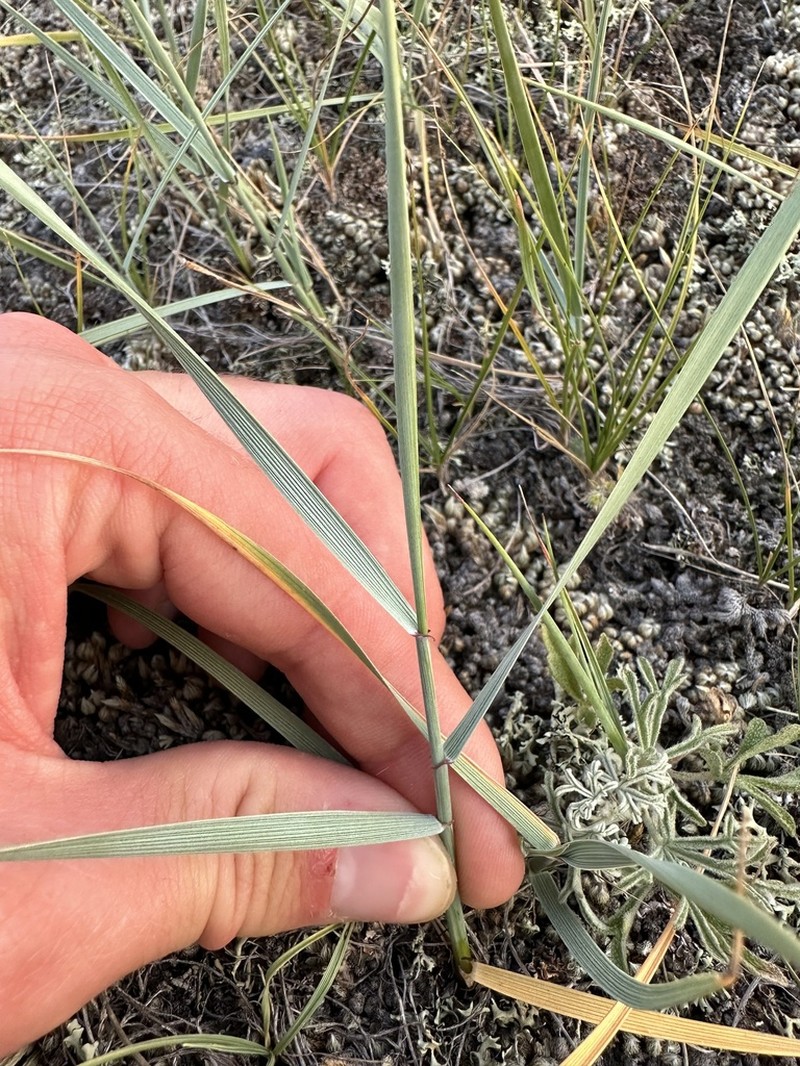
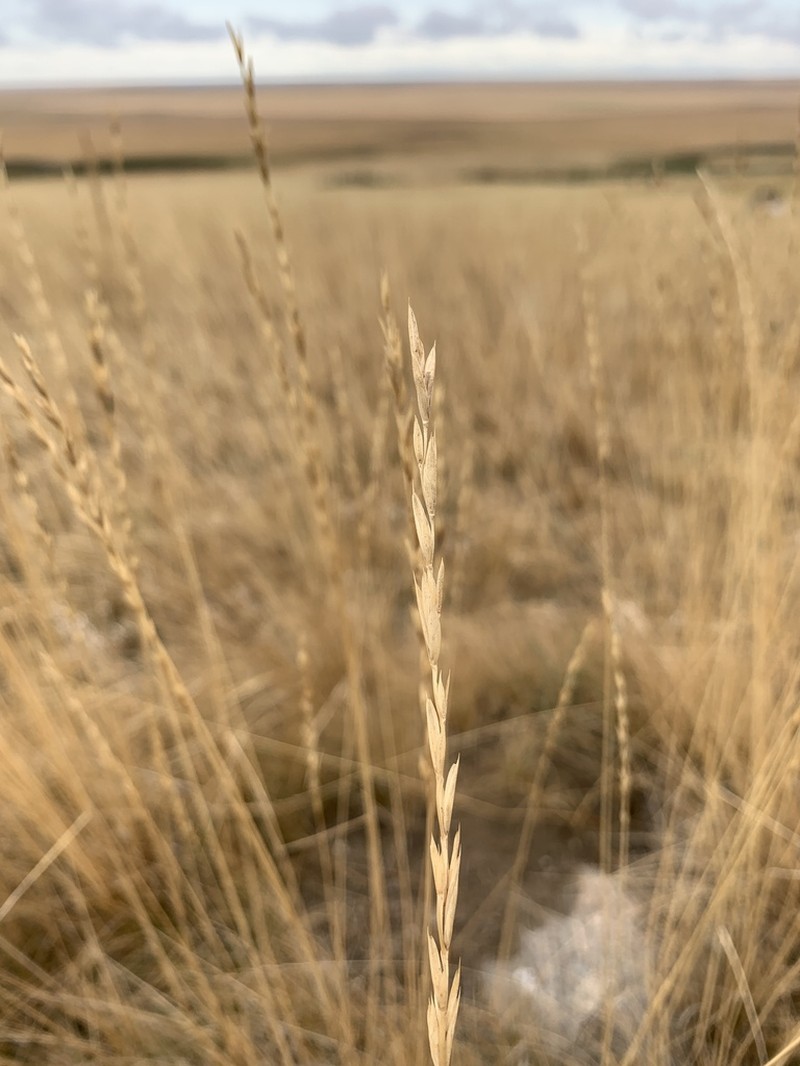
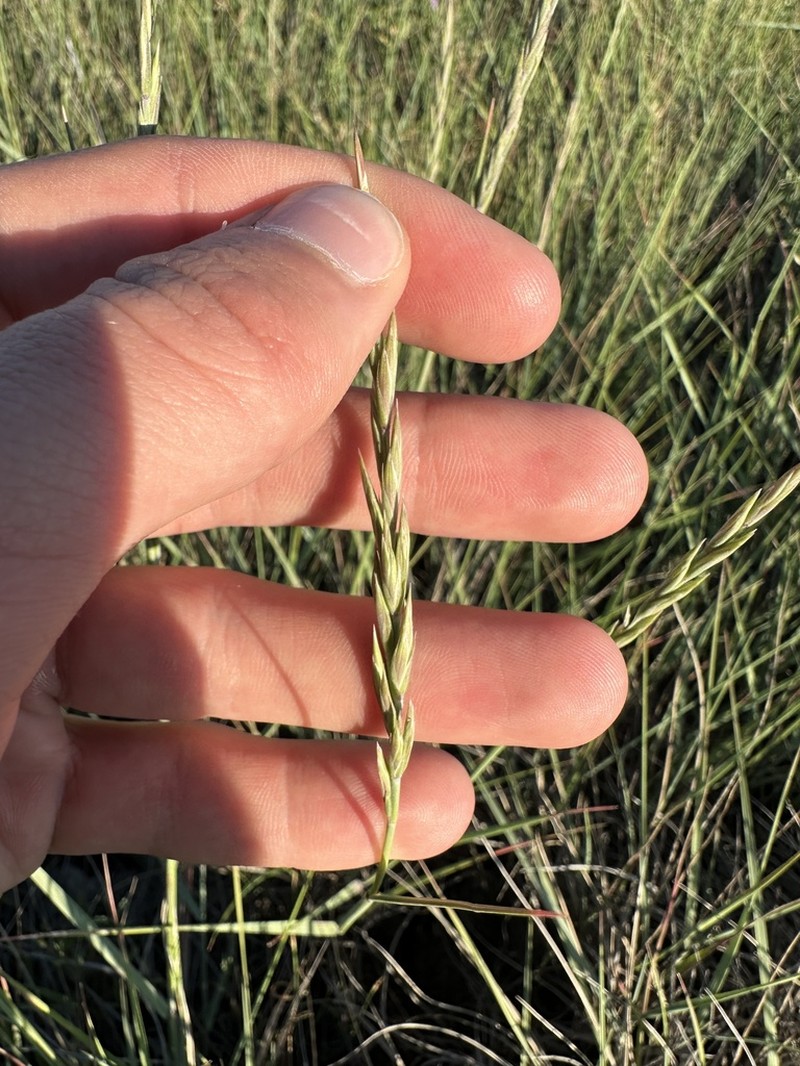
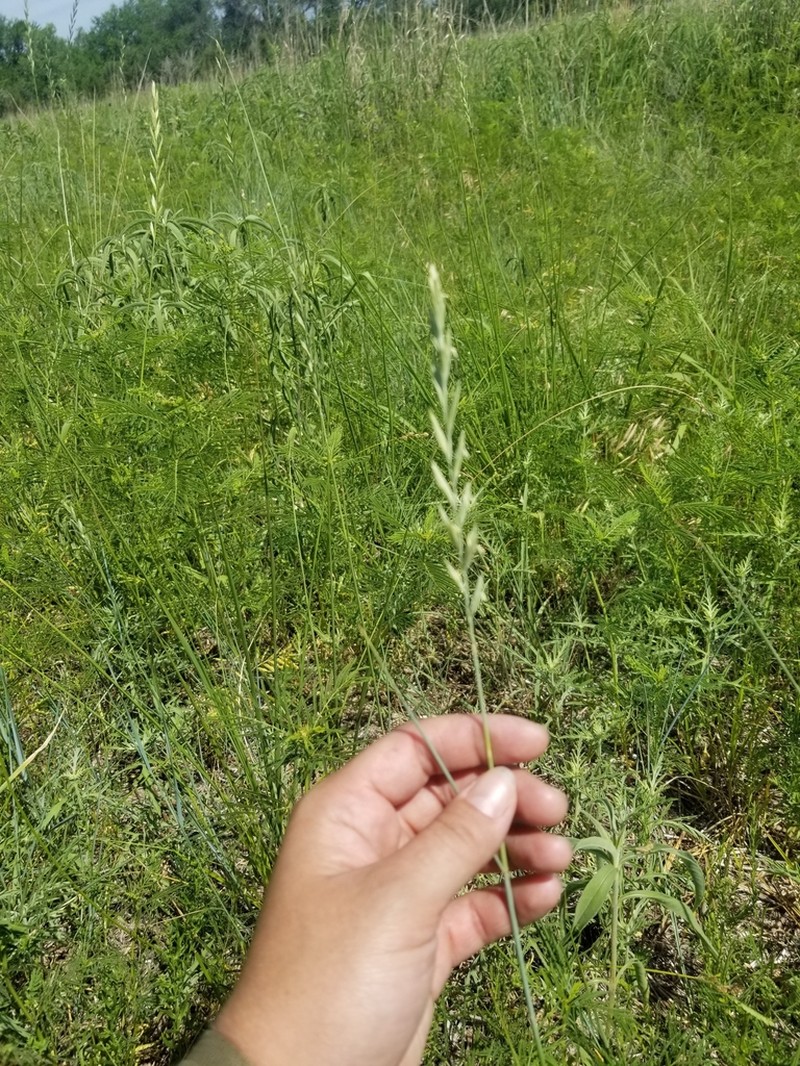
Taxonomy
- Division:
- Magnoliophyta | - Flowering plants
- Family:
- Poaceae
- Genus:
- Elymus
- Species:
- Elymus smithii
- USDA Symbol:
- PASM
Growth Characteristics
- Life Cycle:
- Perennial
- Growth Habit:
- Graminoid
- Height:
- 120 cm
- Light Requirements:
- Full Sun
- Drought Tolerance:
- High
- Bloom Months:
- jun,jul,aug
Wildlife Benefits
- Caterpillars:
- ★☆☆☆☆ Recorded caterpillar host plant (HOSTS Database)
Host Plant for Caterpillars
Agrotis orthogonia, Army cutworm (Euxoa auxiliaris), Olivia's buckmoth (Hemileuca oliviae), Zabulon Skipper (Poanes zabulon)
Garden & Ecology Notes
- Wildlife Value:
- birds, small mammals
- Salt Tolerant:
- Yes
- Fire Ecology:
- Fire adapted — tolerates or benefits from fire
- Fire Notes:
- Tolerates fire; can increase after fire due to reduced competition.
Soil Requirements
- Soil Type:
- well-drained, sandy to loamy soil
- pH:
- 6.0 - 8.0 (slightly acidic to neutral)
- Drainage:
- excellent drainage required
- Moisture:
- dry to moderate
- Notes:
- commonly found in prairies and open grasslands
Propagation & Germination
- Stratification:
- Cold/moist stratification required — 30–60 days
- Germination Time:
- 7–21 days
- Notes:
- Seeds germinate readily after cold stratification; sow in fall or stratify for 30-60 days.
Pre-treatment: Seeds germinate well without pretreatment. However, for optimal germination, seeds can be exposed to temperature treatments representing different seed sowing times and locations in the Colorado Plateau.
Establishment: Western wheatgrass germinates more slowly than many other cool season grasses which may limit its ability to establish from seed, especially on dry sites. Germination rates were highest when seeds were exposed to 12 weeks of winter conditions or early-spring conditions without winter. Germination was less successful in mid-spring and late-spring conditions without winter.
Source: npn.rngr.net
Where to Buy
Nationwide Seller
- Bamert Seed (seeds)
- Native American Seed (nursery and seeds)
- Native Seed Group (seeds)
- Native Plants Nursery (nursery)