
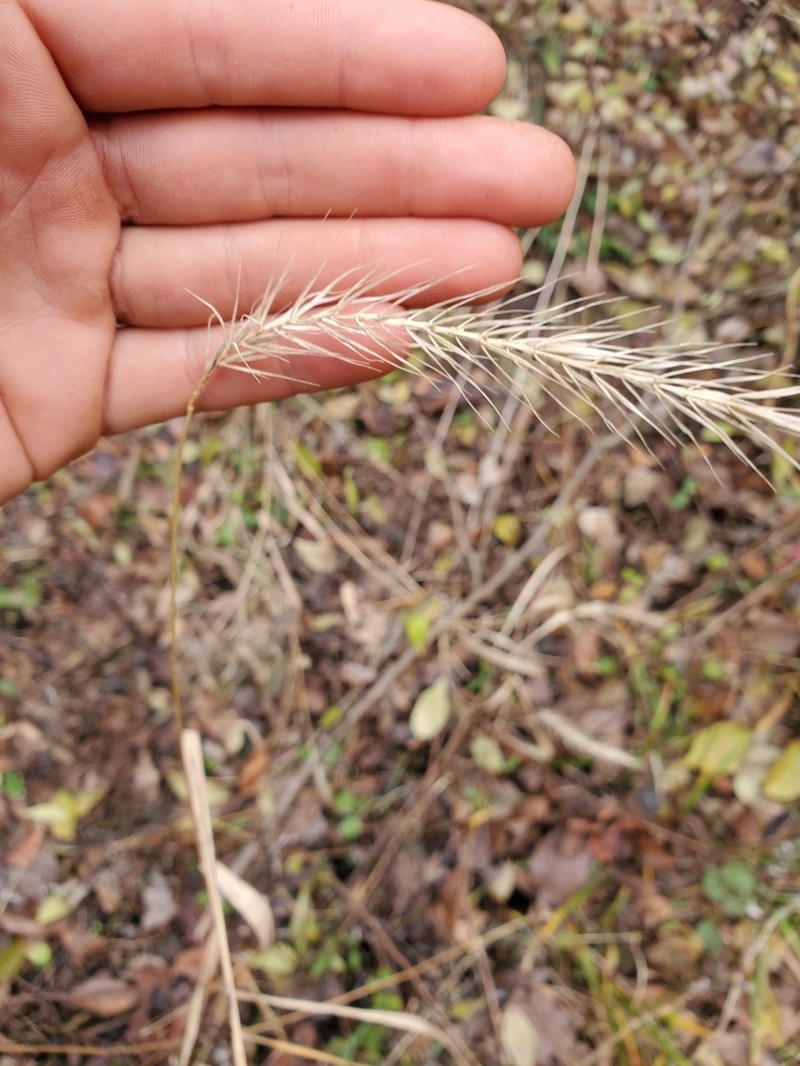
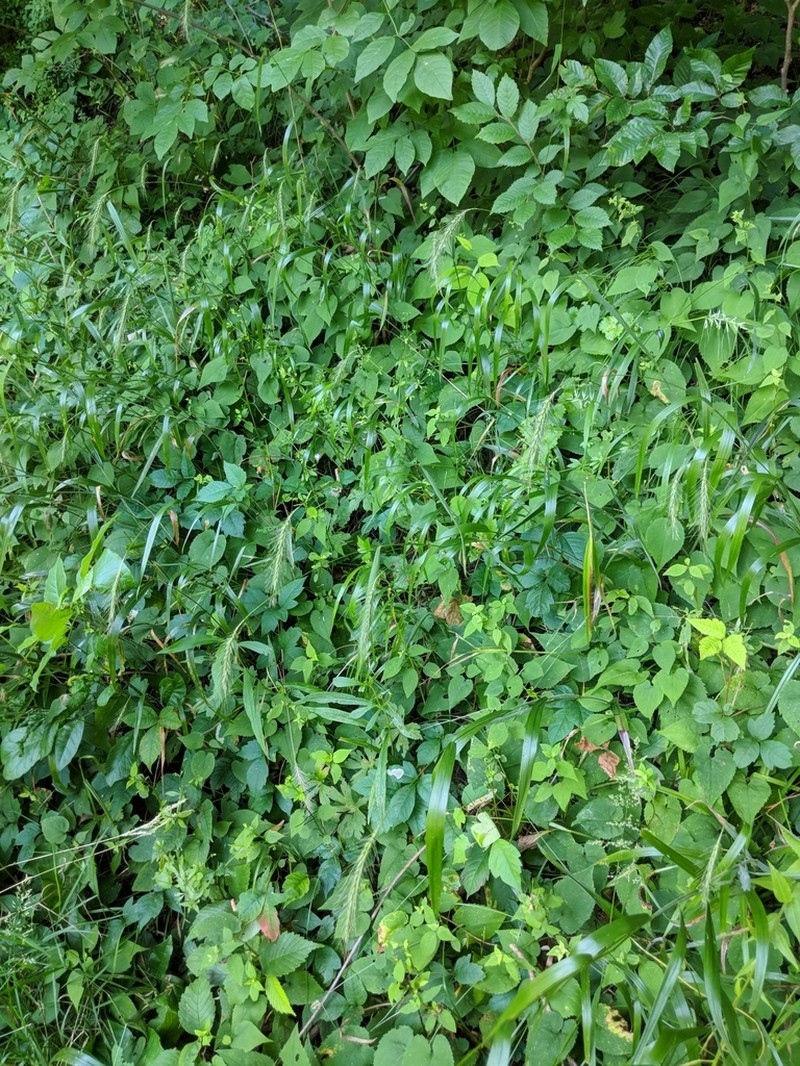
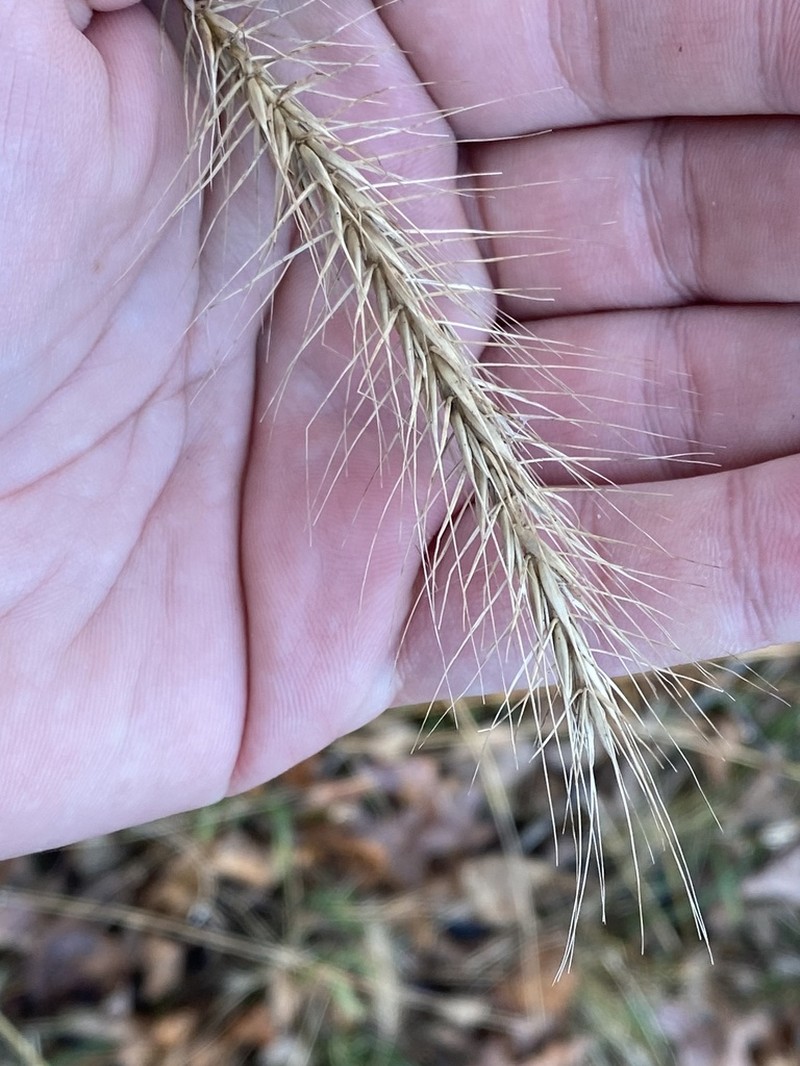
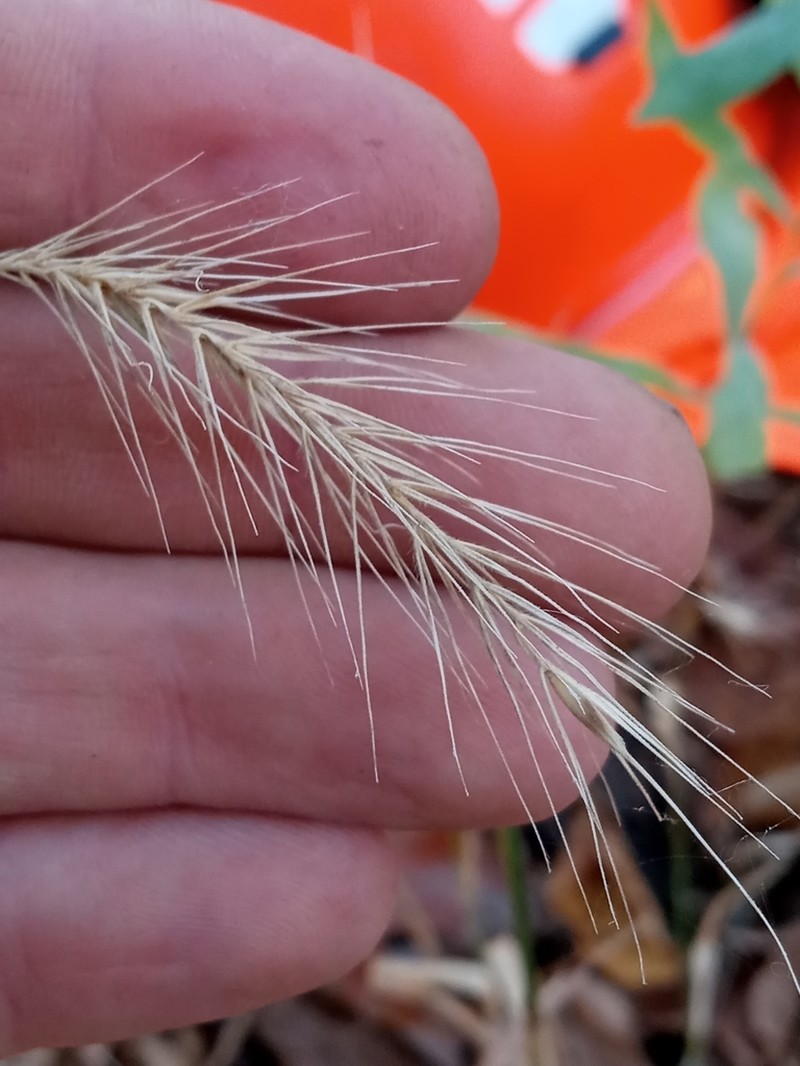
Hairy Wildrye
Elymus villosus
- Native to:
- Canada, United States, Virgin Islands
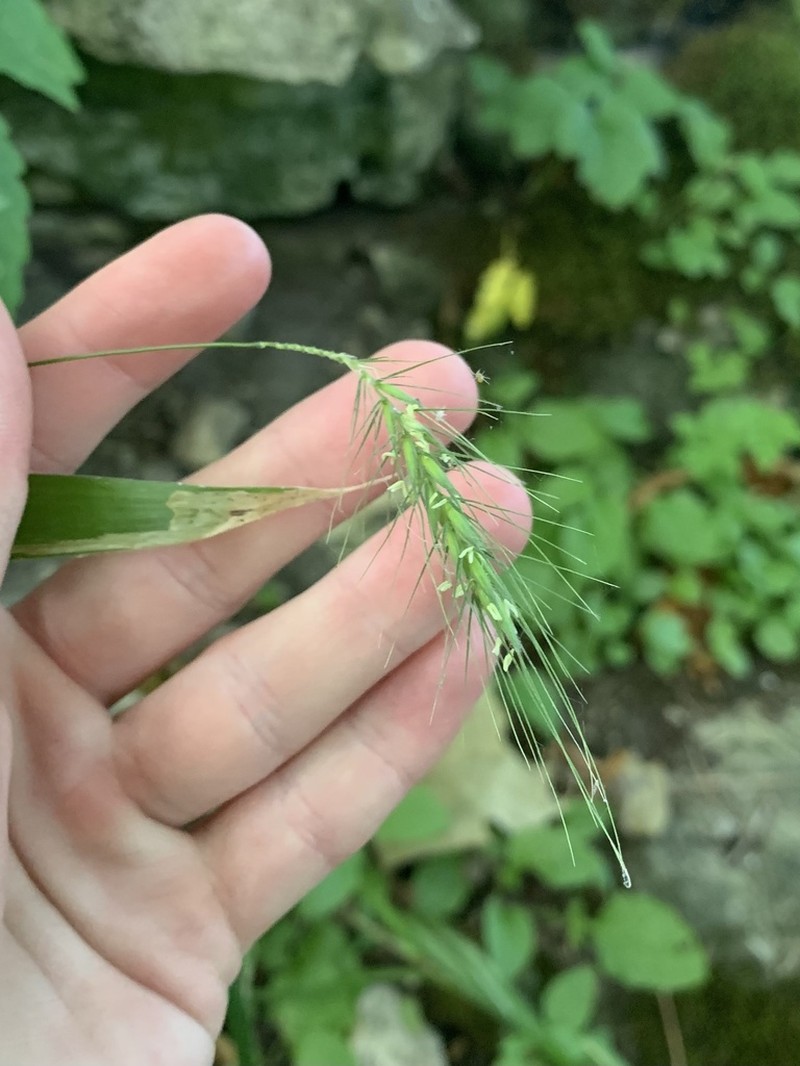
iNaturalist: © baxter-birdnird (iNaturalist #126298804)
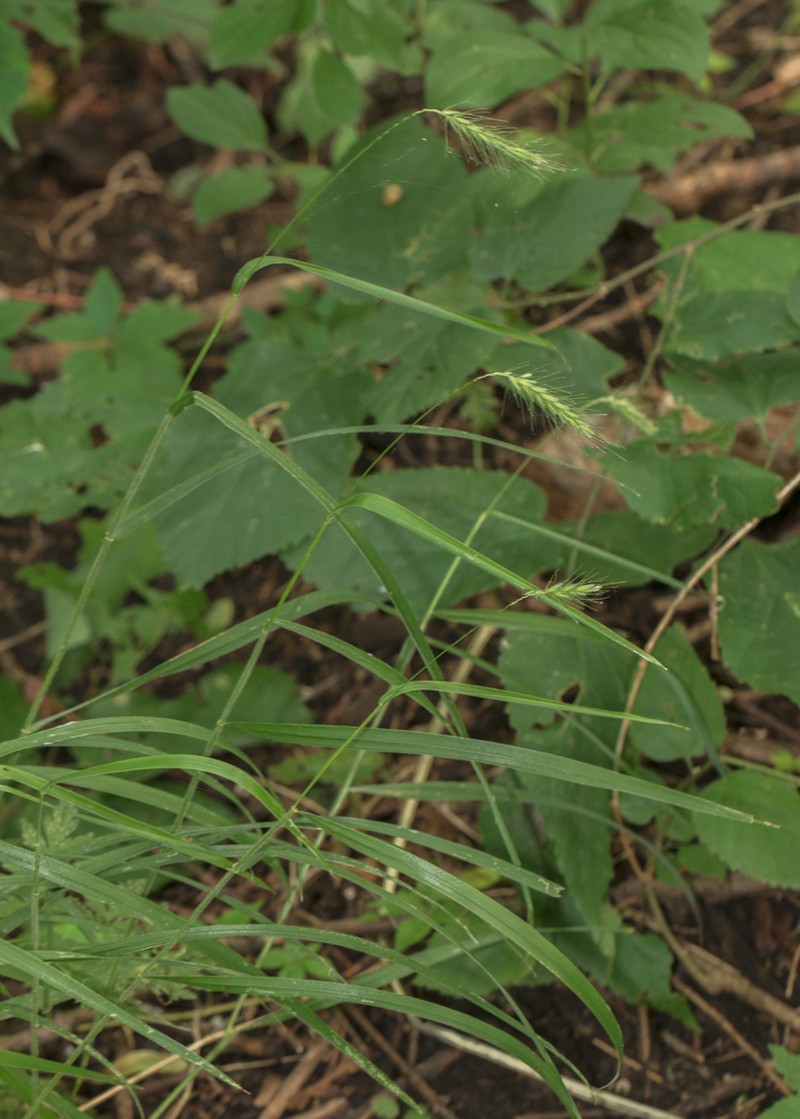
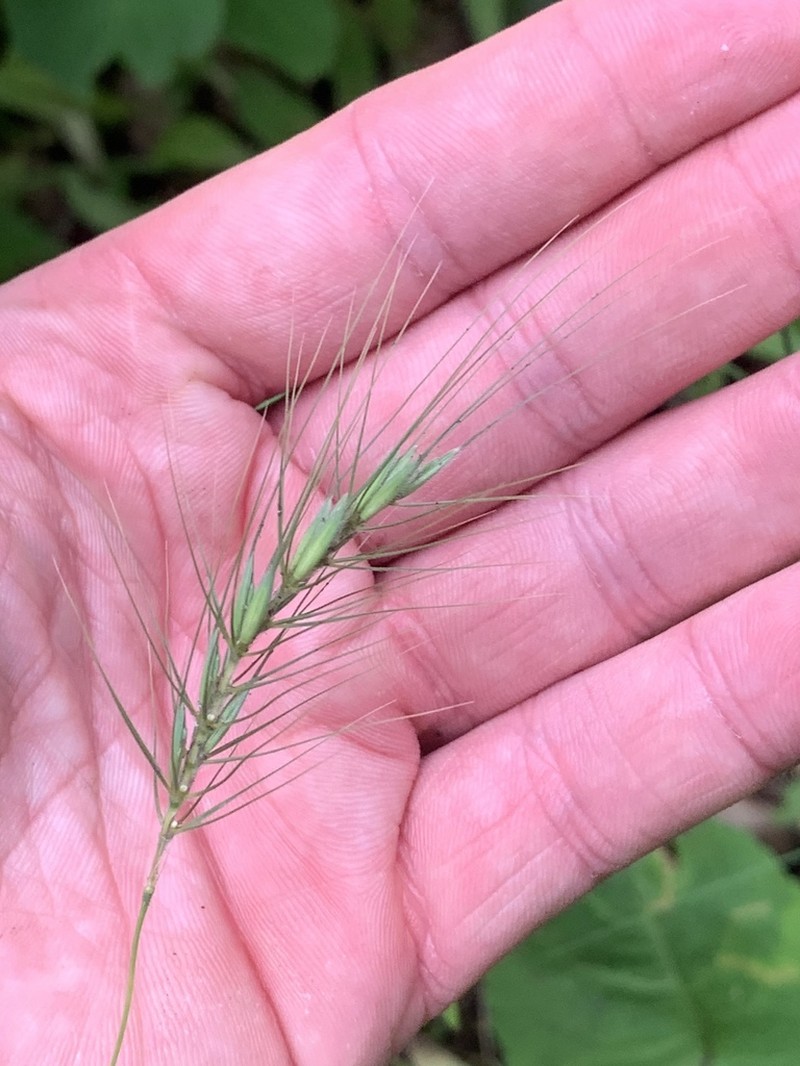
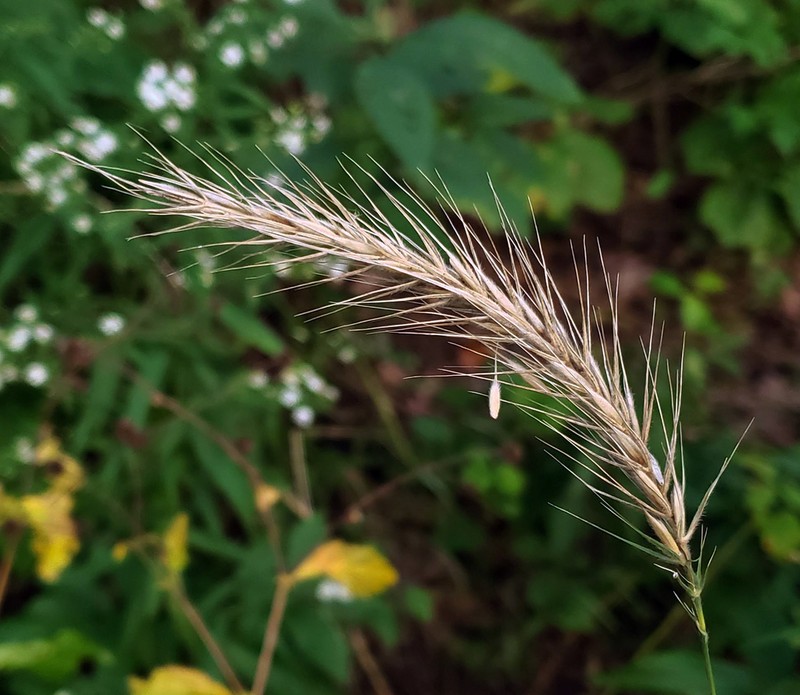
Taxonomy
- Division:
- Magnoliophyta | - Flowering plants
- Family:
- Poaceae
- Genus:
- Elymus
- Species:
- Elymus villosus
- USDA Symbol:
- ELVI
Growth Characteristics
- Life Cycle:
- Perennial
- Growth Habit:
- Graminoid
- Height:
- 120 cm
- Light Requirements:
- Full Sun
- Drought Tolerance:
- Medium
- Bloom Months:
- jun,jul,aug
- Bloom Colors:
- green
Host Plant for Caterpillars
Garden & Ecology Notes
- Wildlife Value:
- birds, small mammals
Soil Requirements
- Soil Type:
- fertile, well-drained loamy soil
- pH:
- 5.5 - 7.5 (slightly acidic to neutral)
- Drainage:
- good drainage preferred
- Moisture:
- dry to moderate
- Notes:
- prefers forested or shaded areas
Propagation & Germination
- Stratification:
- Cold/moist stratification required — 30–60 days
- Germination Time:
- 14–30 days
- Notes:
- Seeds benefit from cold moist stratification for 30-60 days to break dormancy.
Pre-treatment: De-awned seed is planted into propagation 38 trays, greenhouse flat liners with 38 2.1 " diameter by 2.2" deep round cells per liner, that have been filled with coarse processed bark and composted pine bark growing medium. Seed is surface sown at a rate of 3-5 seeds per cell and lightly covered with starter sized, 1/16" - 1/8" diameter, granite poultry grit to combat damping off diseases.
Establishment: Seed collection varies between protocols, with one protocol specifying collection from Stones River National Battlefield, and the other from Cumberland Gap National Historical Park and National Plant Materials Center. No temperature or germination rate provided in the protocols.
Source: npn.rngr.net
Where to Buy
Nationwide Seller
- Vermont Wildflower Farm (nursery and seeds)
- Prairie Moon Nursery (nursery and seeds)
- Pizzo Native Plant Nursery (wholesale nursery)