
Nineawn Pappusgrass
Enneapogon desvauxii
- Native to:
- Algeria, Angola, Argentina, Bolivia, Botswana, Canary Is., Cape Verde, Chad, Chile, China, Djibouti, Egypt, Eritrea, Ethiopia, Gulf States, India, Kazakhstan, Kenya, Kirgizstan, Libya, Mali, Mauritania, Mexico, Morocco, Namibia, Niger, Oman, Pakistan, Palestine, Peru, Russia, Saudi Arabia, Sinai, Socotra, Somalia, South Africa, Sudan-South Sudan, Tanzania, Tunisia, United States, Western Sahara, Yemen, Zimbabwe
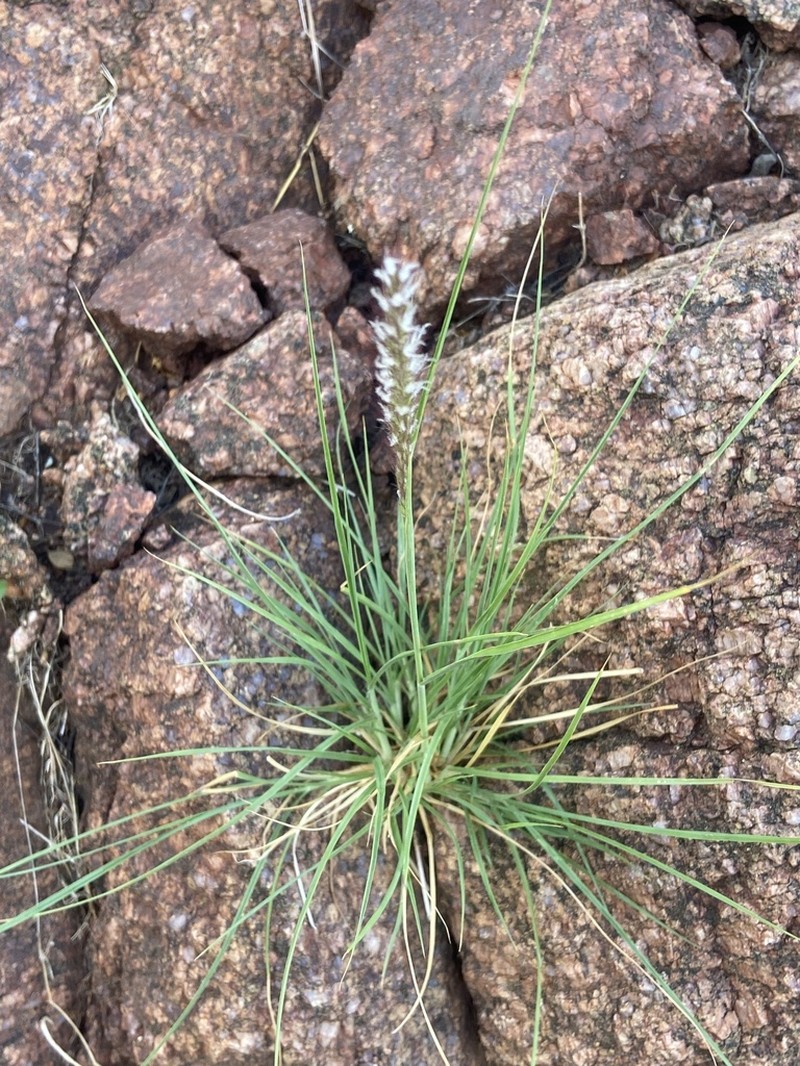
iNaturalist: © brittswinford (iNaturalist #136869412)
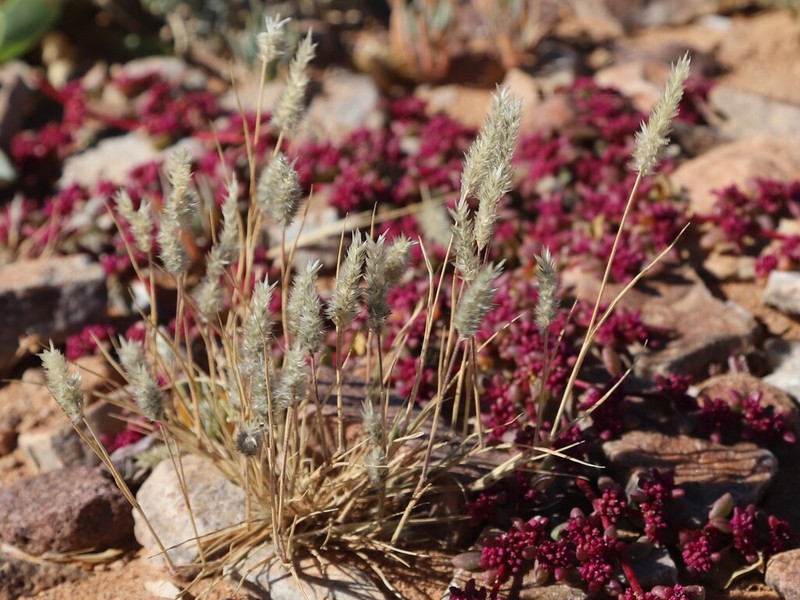
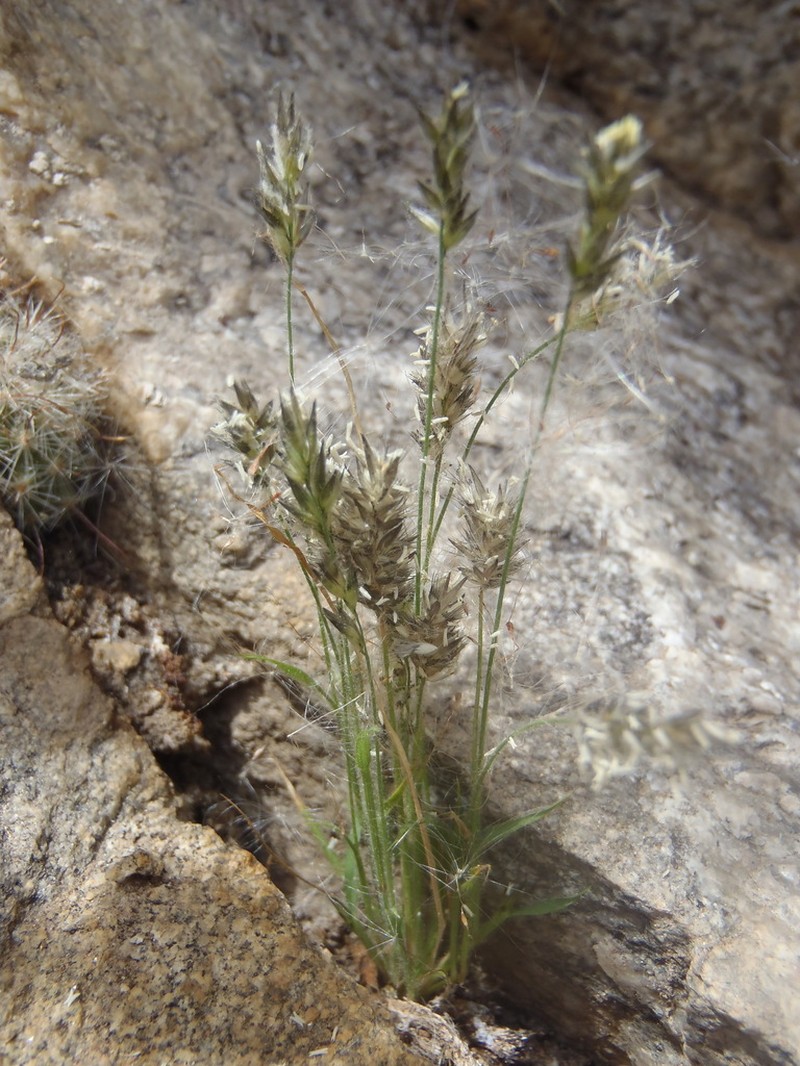
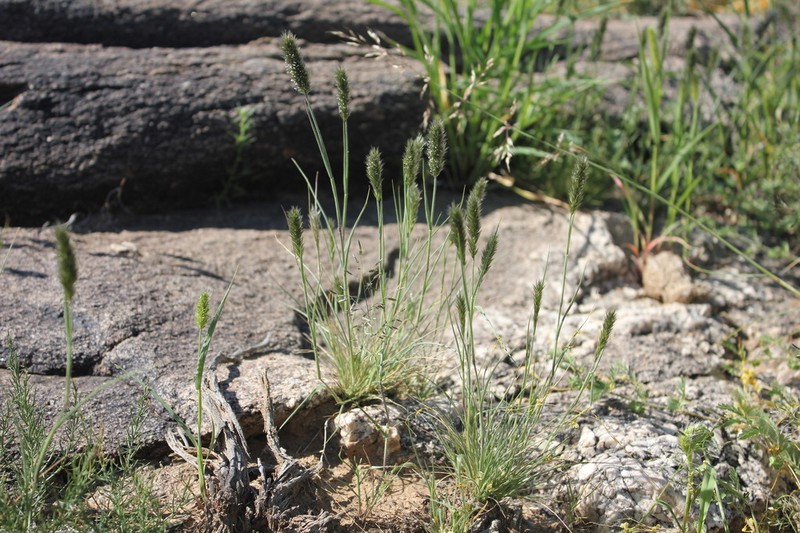
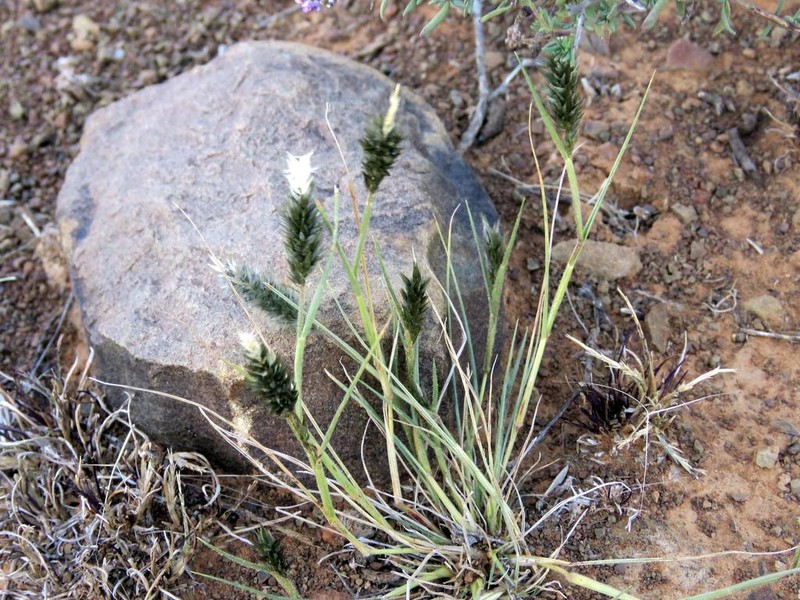
Taxonomy
- Division:
- Magnoliophyta | - Flowering plants
- Family:
- Poaceae
- Genus:
- Enneapogon
- Species:
- Enneapogon desvauxii
- USDA Symbol:
- ENDE
Growth Characteristics
- Life Cycle:
- Perennial
- Growth Habit:
- Graminoid
- Height:
- 40 cm
- Light Requirements:
- Full Sun
- Drought Tolerance:
- High
- Bloom Months:
- jun,jul,aug,sep
Garden & Ecology Notes
- Deer Resistant:
- Yes
Soil Requirements
- Soil Type:
- sandy, well-drained, nutrient-poor soil
- pH:
- 6.0 - 8.0 (neutral to slightly alkaline)
- Drainage:
- excellent drainage required
- Moisture:
- dry to moderate
- Notes:
- commonly found in arid and semi-arid regions
Propagation & Germination
Pre-treatment: None required
Establishment: The Allium geyeri can be found throughout North America; from prairies to mid elevations in the mountains. The propagation protocol does not provide specific details on germination rate, temperature, or time range.
Source: npn.rngr.net