
Sand Lovegrass
Eragrostis trichodes
- Native to:
- United States, Virgin Islands
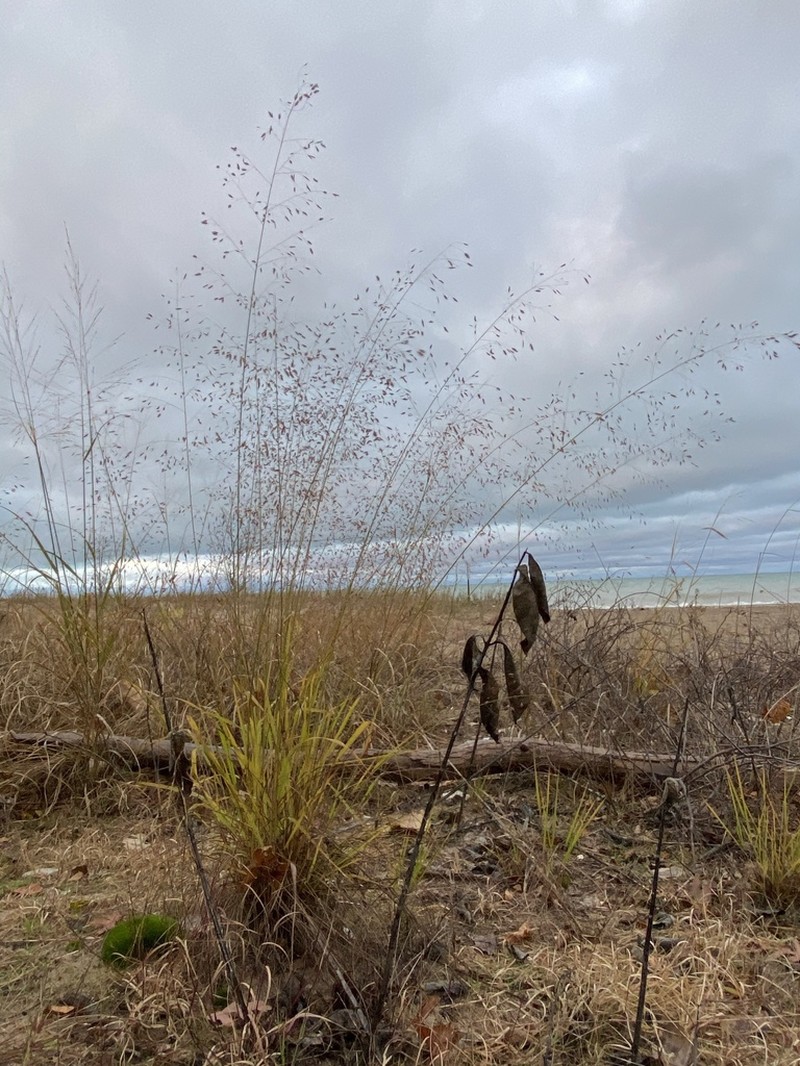
iNaturalist: © skrentnyjeff (iNaturalist #63351121)
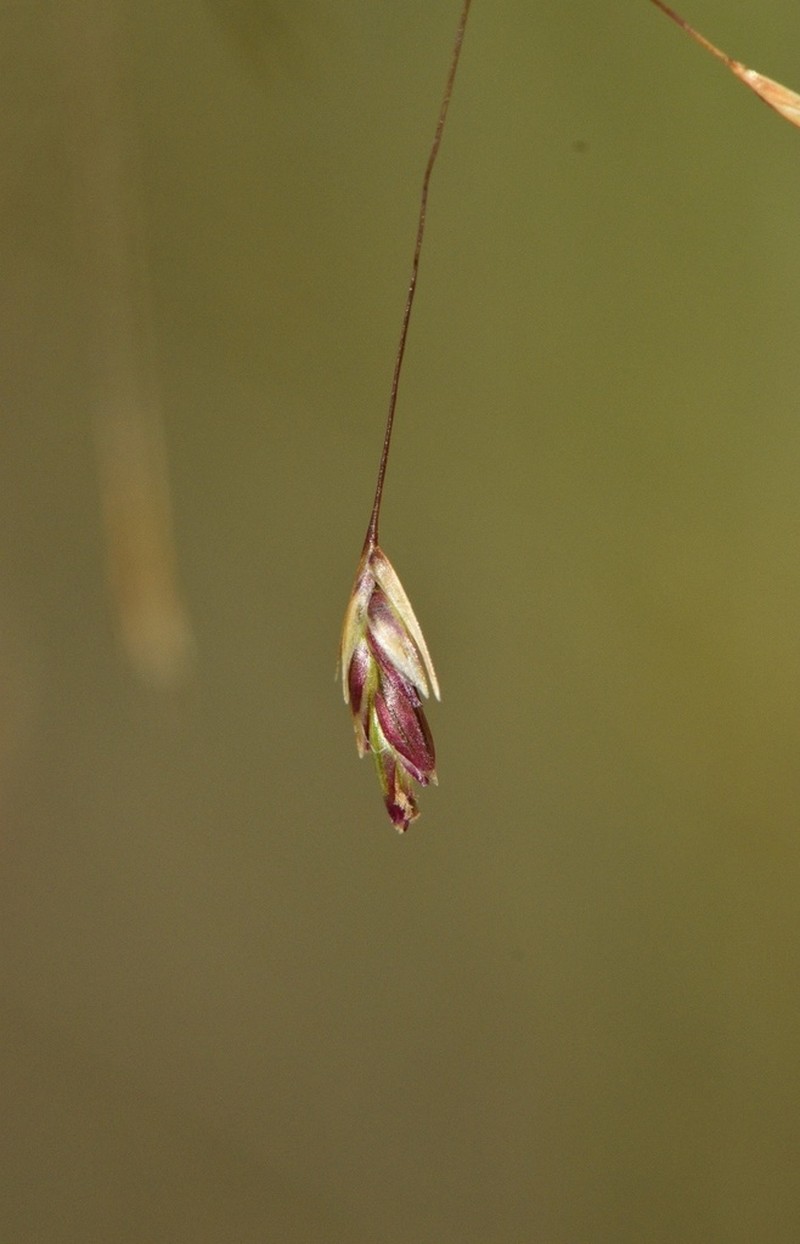
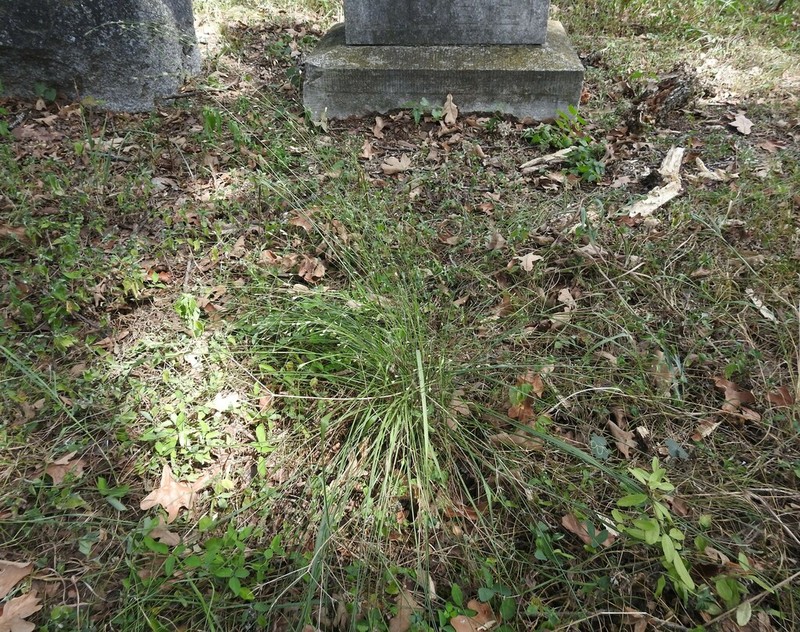
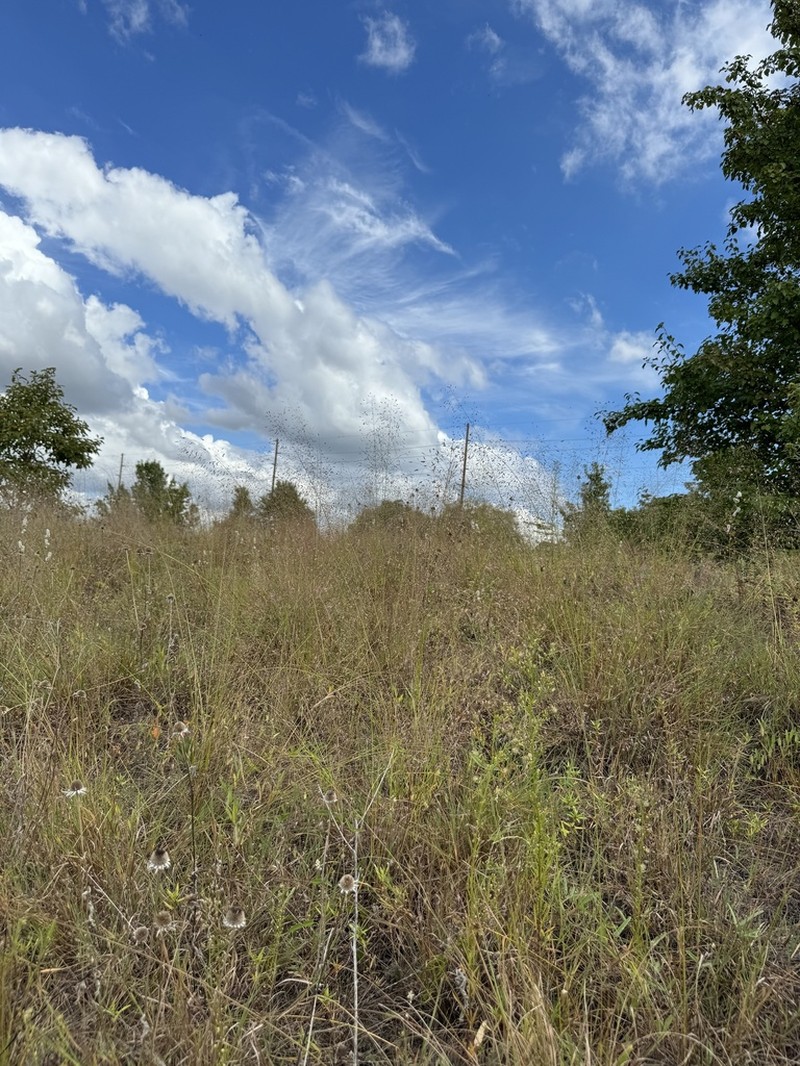
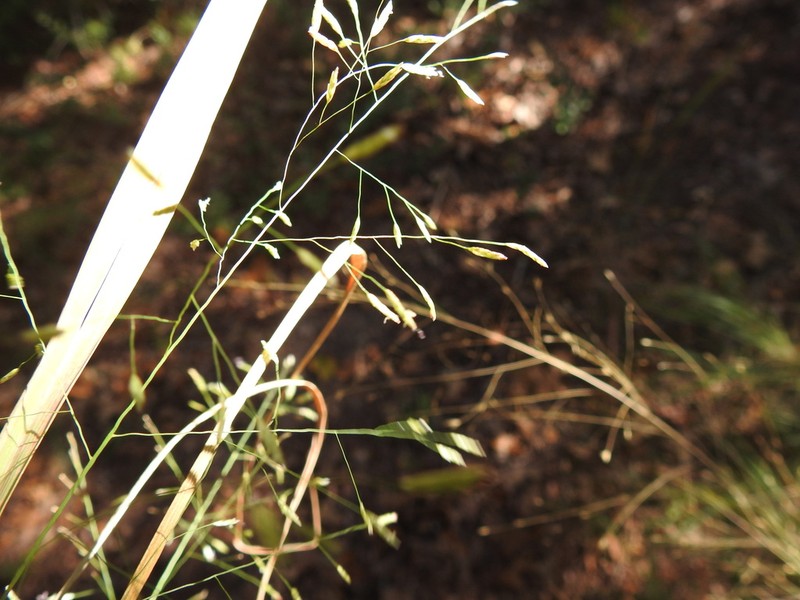
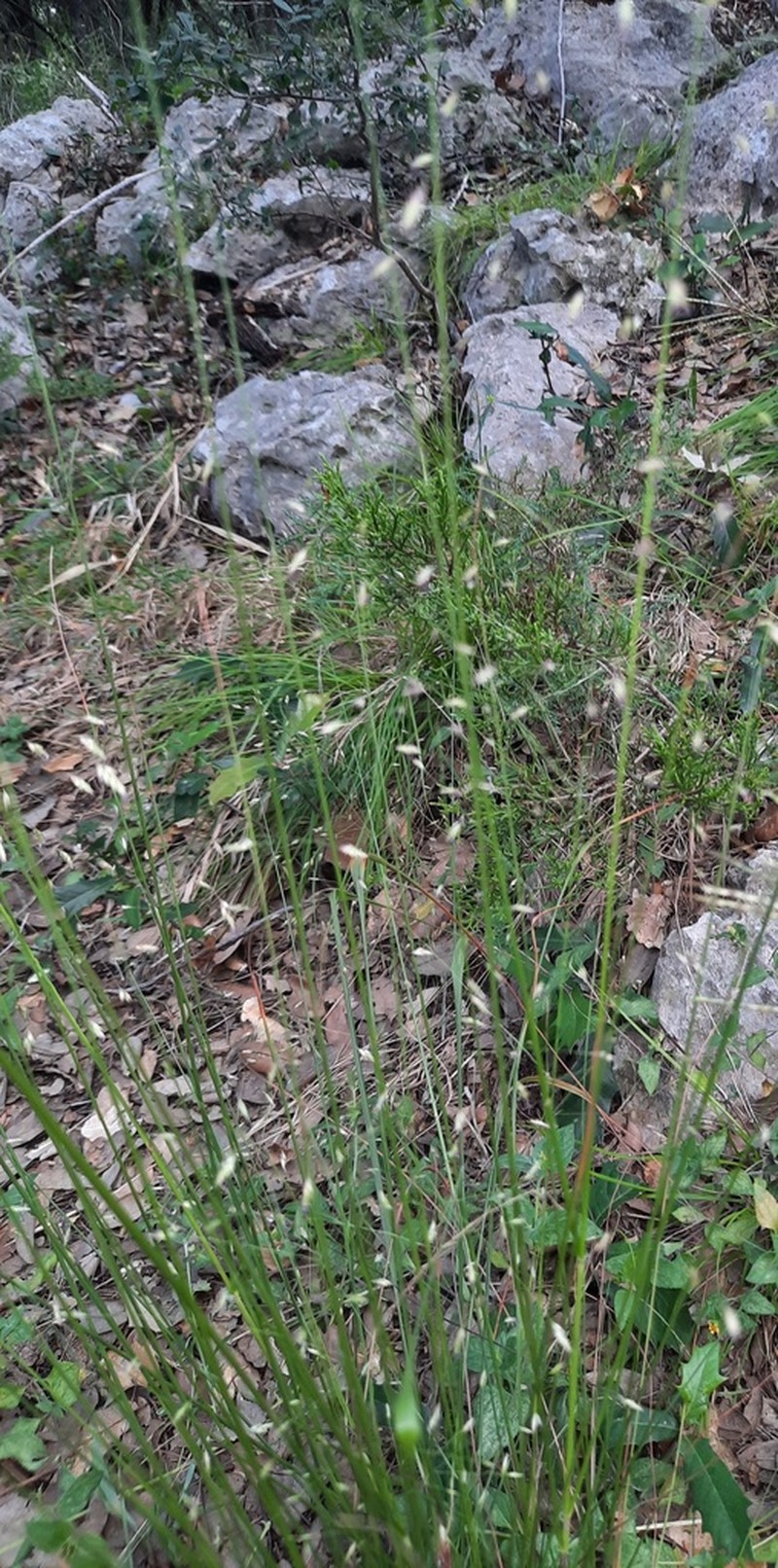
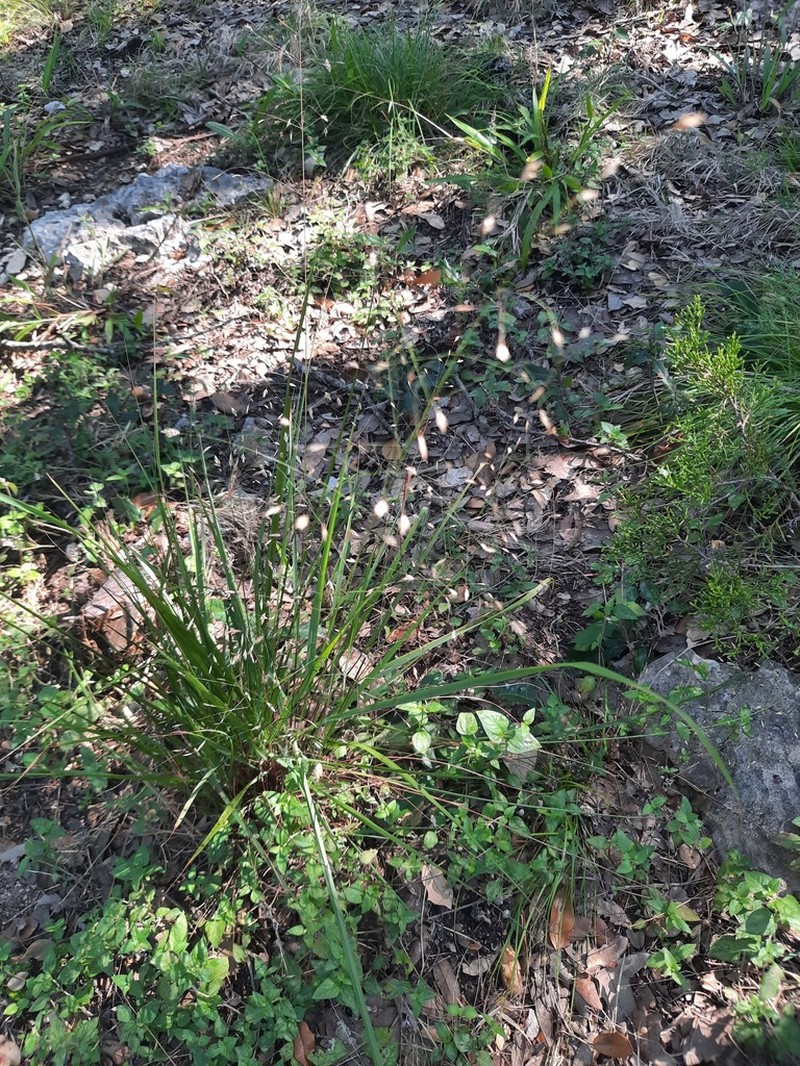
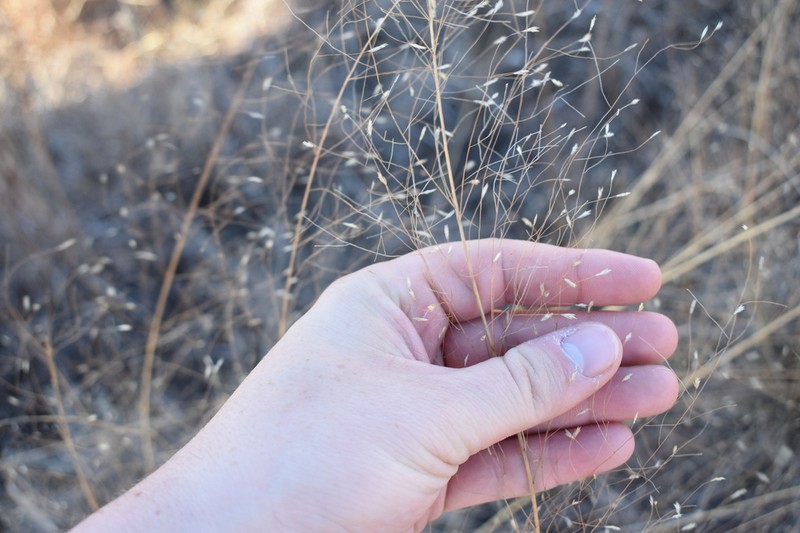
Taxonomy
- Division:
- Magnoliophyta | - Flowering plants
- Family:
- Poaceae
- Genus:
- Eragrostis
- Species:
- Eragrostis trichodes
- USDA Symbol:
- ERTR3
Growth Characteristics
- Life Cycle:
- Perennial
- Growth Habit:
- Graminoid
- Height:
- 120 cm
- Light Requirements:
- Part Shade
- Drought Tolerance:
- High
- Bloom Months:
- aug,sep,oct
- Bloom Colors:
- purple, bronze
Wildlife Benefits
- Caterpillars:
- ★☆☆☆☆ Recorded caterpillar host plant (HOSTS Database)
Host Plant for Caterpillars
Sandhill Skipper (Polites sabuleti)
Garden & Ecology Notes
- Wildlife Value:
- birds, small mammals
- Deer Resistant:
- Yes
- Fall Color:
- tan, bronze
- Fire Ecology:
- Fire adapted — tolerates or benefits from fire
- Fire Notes:
- Tolerates fire; resprouts from basal crown after burning.
Soil Requirements
- Soil Type:
- sandy, well-drained, nutrient-poor soil
- pH:
- 6.0 - 7.5 (slightly acidic to neutral)
- Drainage:
- excellent drainage required
- Moisture:
- dry to moderate
- Notes:
- native to prairies and open sandy areas
Propagation & Germination
- Stratification:
- None required
- Germination Time:
- 7–21 days
- Notes:
- Seeds germinate readily without pretreatment in warm soil.
Pre-treatment: Seeds are placed in cold moist stratification for 14 days. Heating pretreatment and pretreatment with potassium nitrate are also used.
Establishment: E. trichodes is found from South Dakota and Illidnois south to Texas and Arkansas in sandy soils in prairies and open, sandy woodlands. Heating pretreatment resulted in the highest germination rate of 100%.
Source: npn.rngr.net
ORGHPS Germination Guide: Sow @ 20C. If no germination in 3 months, try 4C 1-2 months, then 20C again. Requires light / surface sow (fine seed).
Where to Buy
Nationwide Seller
- Native American Seed (nursery and seeds)
- Bamert Seed (seeds)