
Western Needlegrass
Eriocoma occidentalis
Also known as: pubescent western needlegrass, western needlegrass
- Native to:
- Canada, Mexico, United States
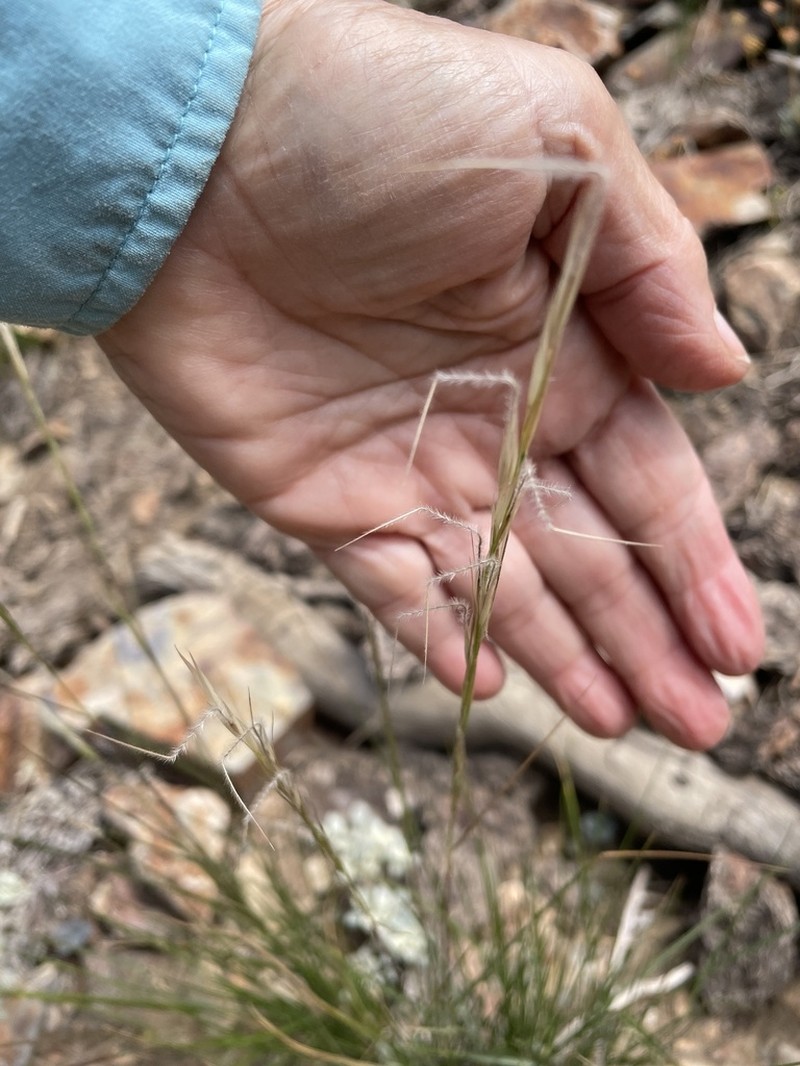
iNaturalist: © grnleaf (iNaturalist #130313233)
Taxonomy
- Division:
- Magnoliophyta | - Flowering plants
- Family:
- Poaceae
- Genus:
- Eriocoma
- Species:
- Eriocoma occidentalis
- USDA Symbol:
- ACOC3
Growth Characteristics
- Life Cycle:
- Perennial
- Growth Habit:
- Graminoid
- Height:
- 100 cm
- Light Requirements:
- Full Sun
- Drought Tolerance:
- High
- Bloom Months:
- may,jun,jul
Wildlife Benefits
- Butterflies & Moths:
- ★☆☆☆☆ Documented Lepidoptera association (GBIF)
- Caterpillars:
- ★☆☆☆☆ Recorded caterpillar host plant (HOSTS Database)
Host Plant for Caterpillars
Nevada skipper (Hesperia nevada)
Garden & Ecology Notes
- Wildlife Value:
- birds, small mammals
- Deer Resistant:
- Yes
- Fire Ecology:
- Fire adapted — tolerates or benefits from fire
- Fire Notes:
- Resprouts from root crowns after fire; adapted to frequent low-severity fires.
Soil Requirements
- Soil Type:
- sandy, well-drained, nutrient-poor soil
- pH:
- 6.0 - 8.0 (neutral to slightly alkaline)
- Drainage:
- excellent drainage required
- Moisture:
- dry to moderate
- Notes:
- Common in arid and semi-arid regions
Propagation & Germination
- Stratification:
- Cold/moist stratification required — 30–60 days
- Germination Time:
- 14–30 days
- Notes:
- Seeds benefit from cold moist stratification for 30-60 days to break dormancy.
Pre-treatment: Seeds require extensive prechilling; 20 weeks of cold/moist prechill is recommended for optimal germination.
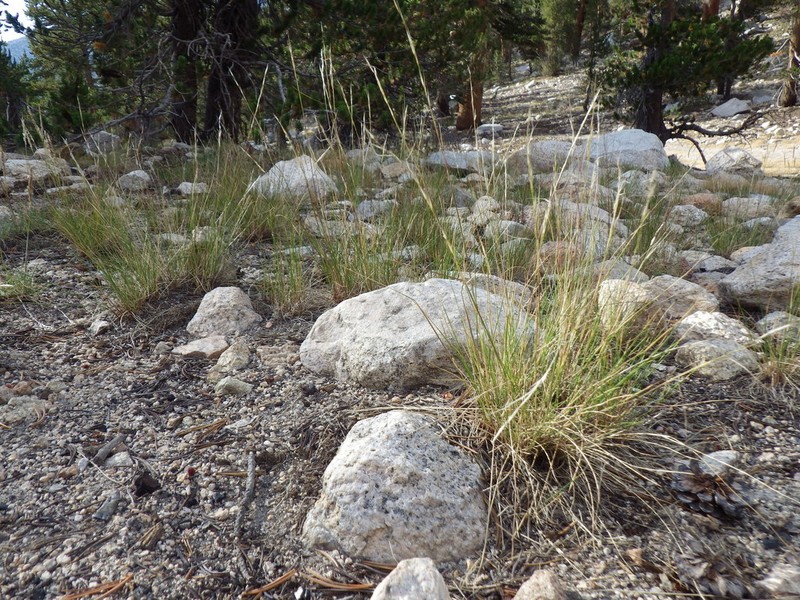
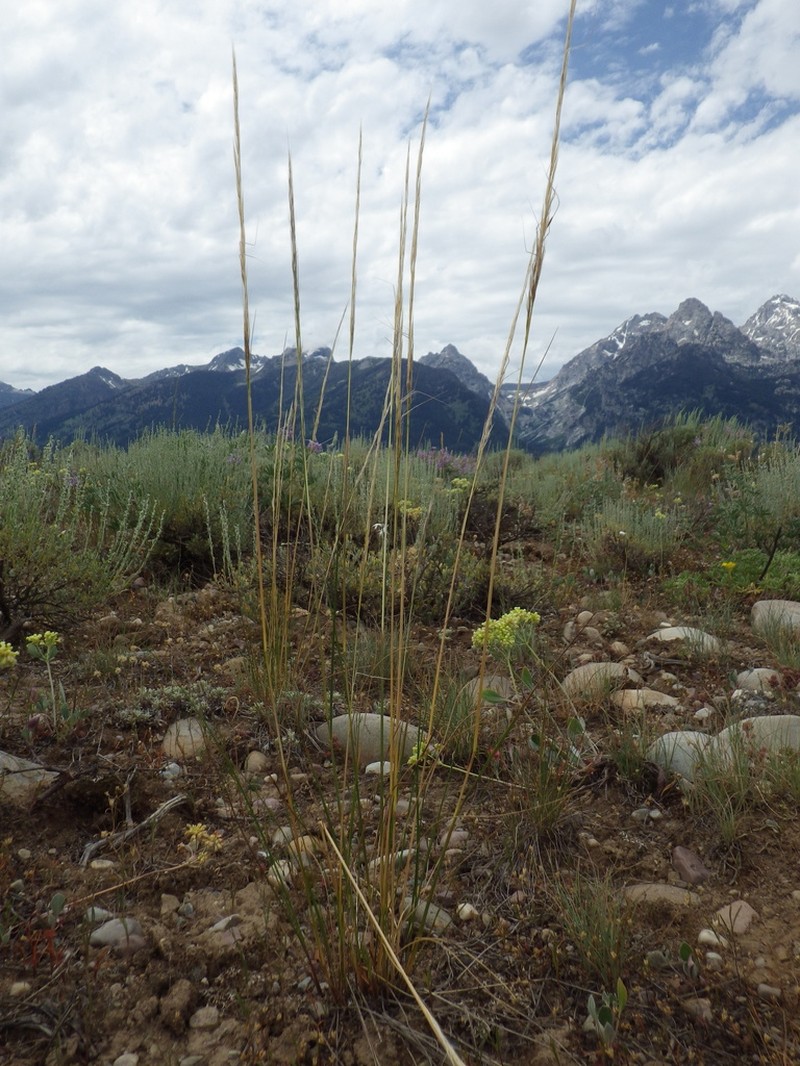
Establishment: Seeds can be hand-collected into paper bags or grown and collected at a nursery. The collection process can be moderately slow. The plant is native to the Western US, including South Dakota, and can be found in grasslands, sagebrush deserts, ponderosa and sub alpine forests, ridges, dry open meadows, and partially wooded areas near old roads and clearings.
Source: npn.rngr.net