
Idaho Fescue
Festuca idahoensis
- Native to:
- Canada, United States
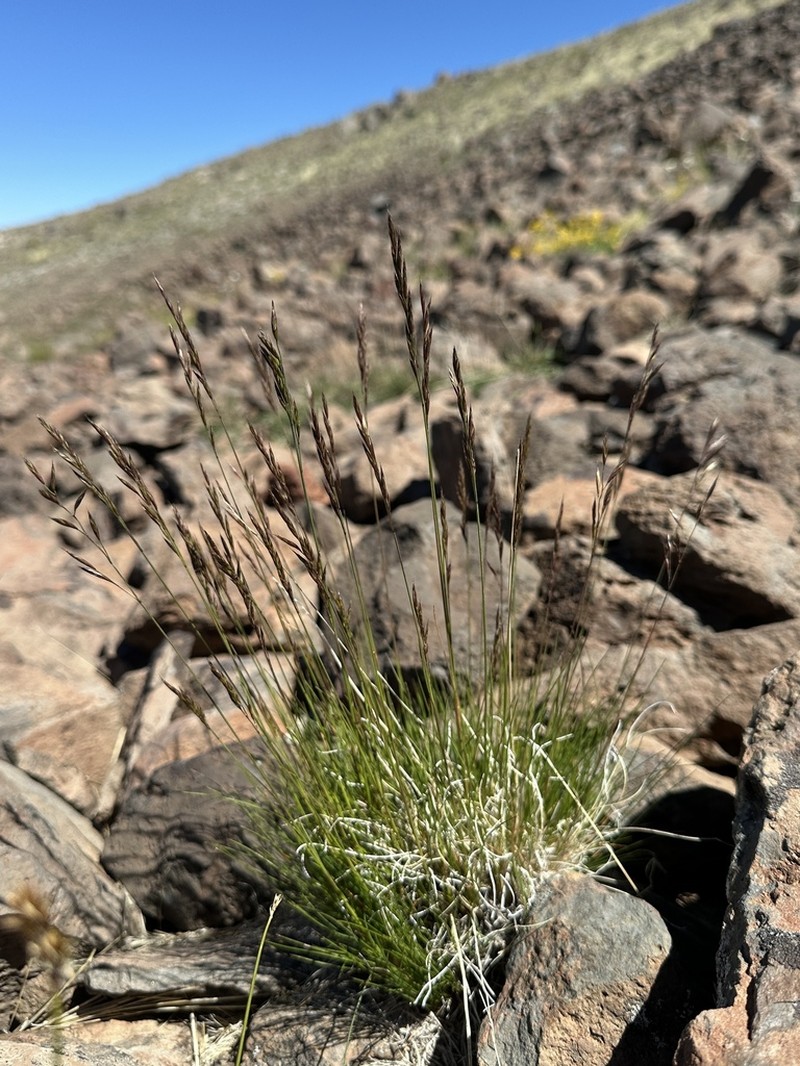
iNaturalist: © sheriff_woody_pct (iNaturalist #330529586)
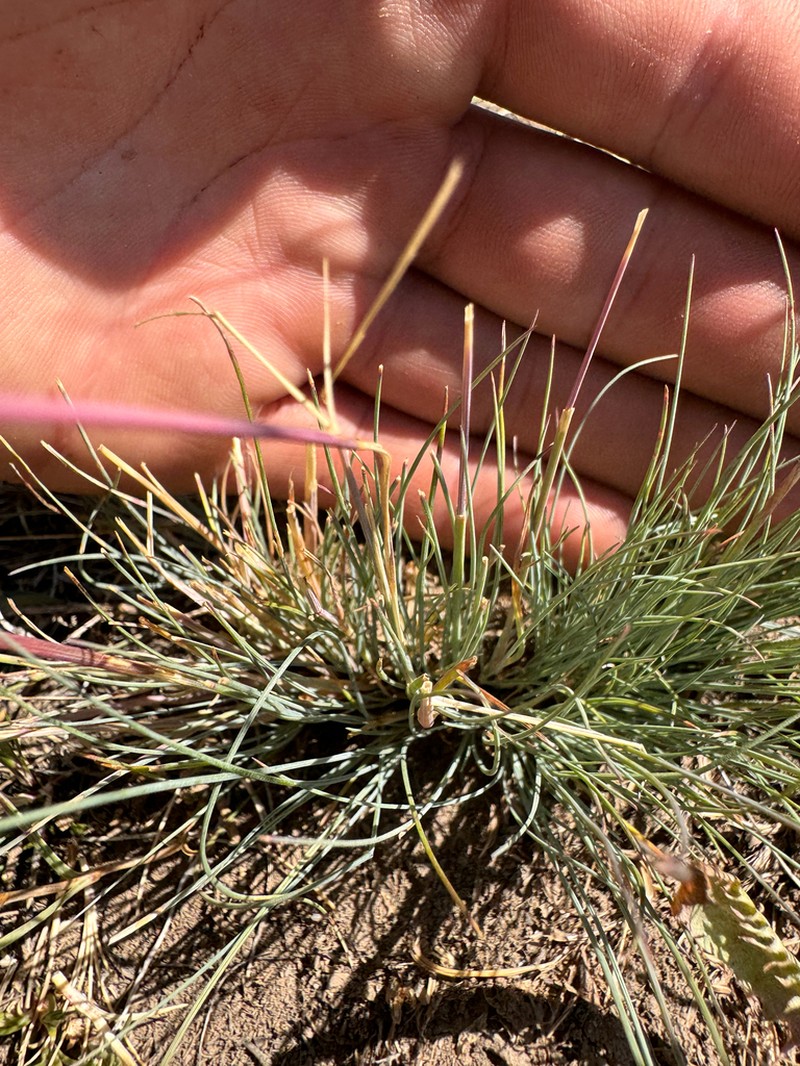
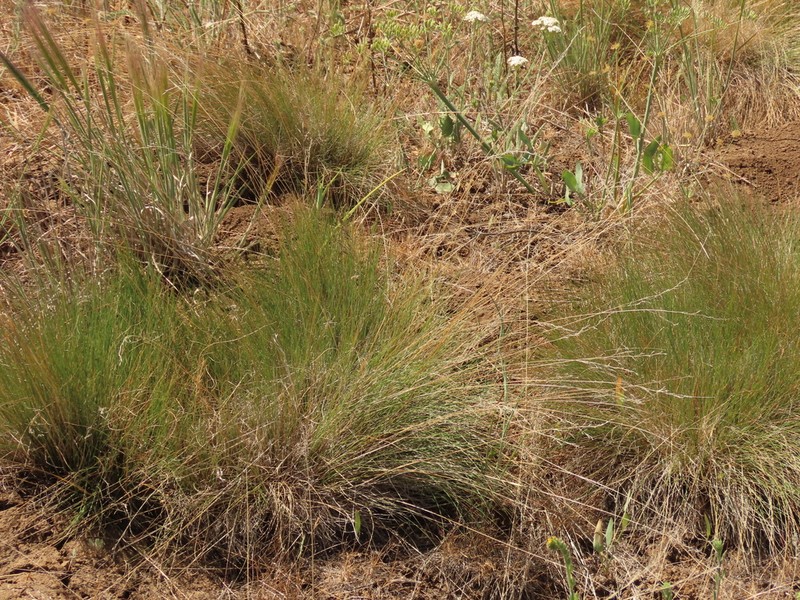
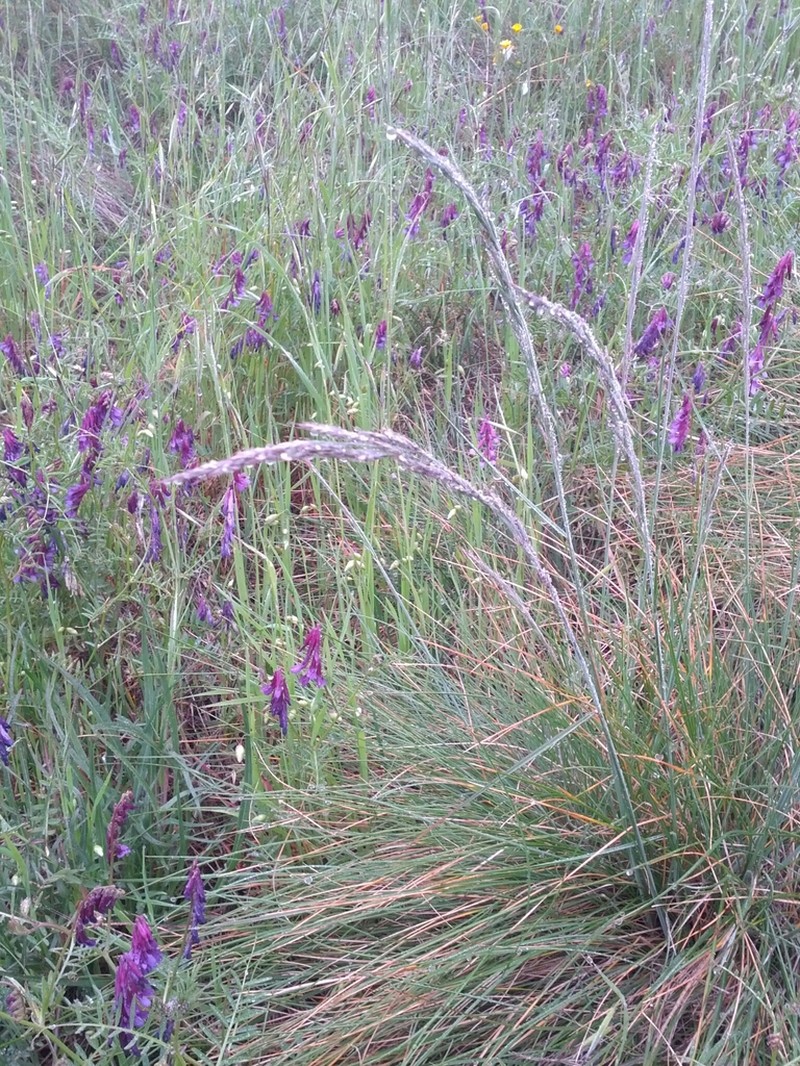
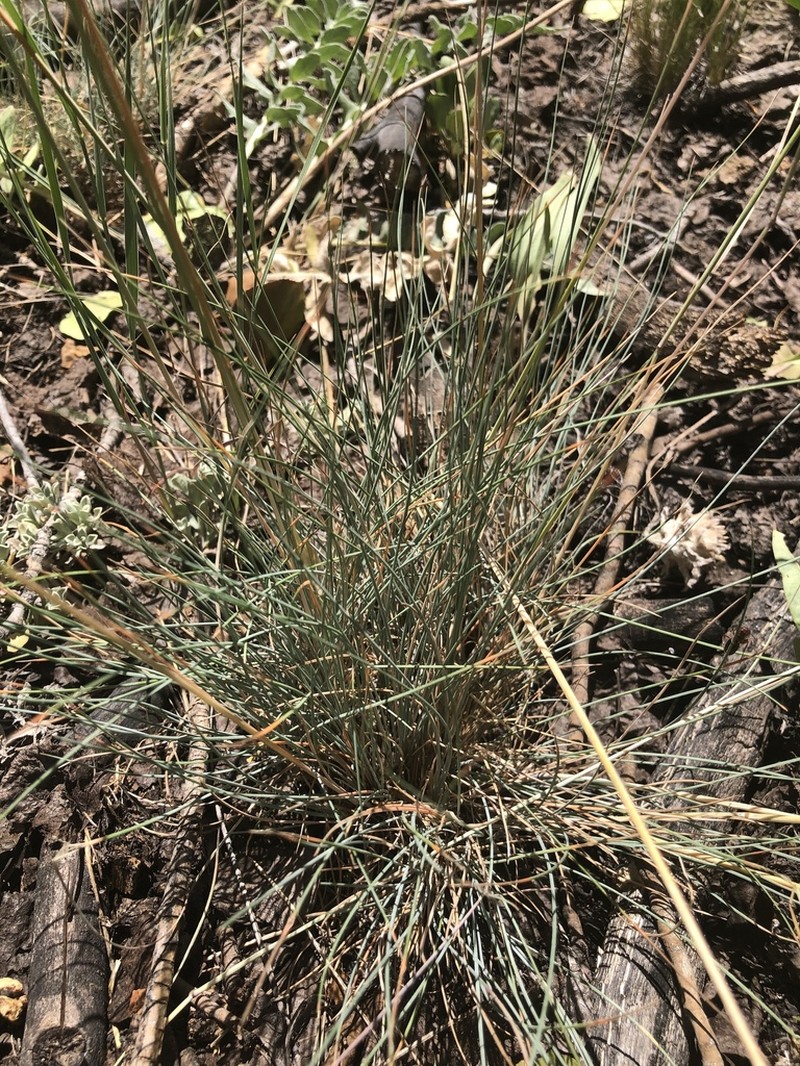
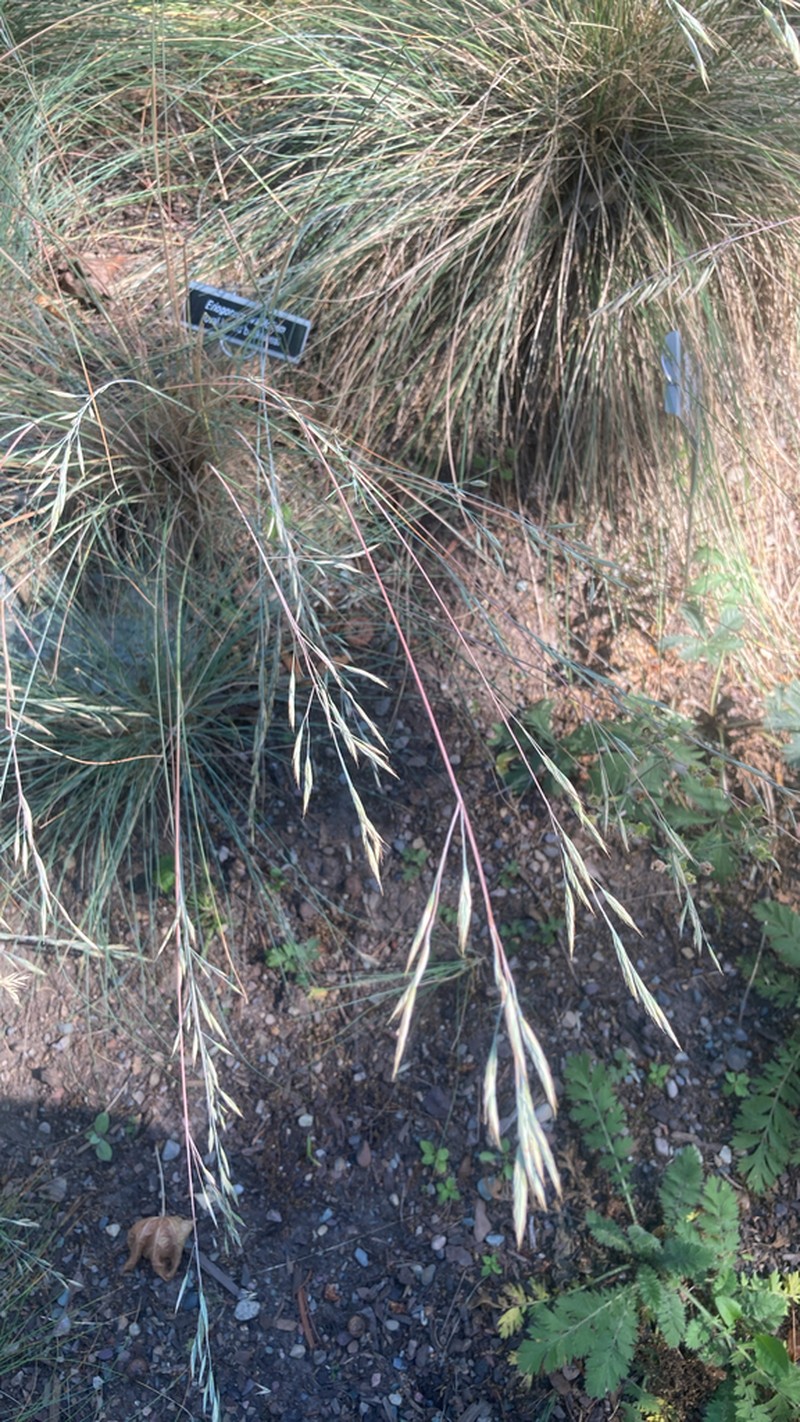
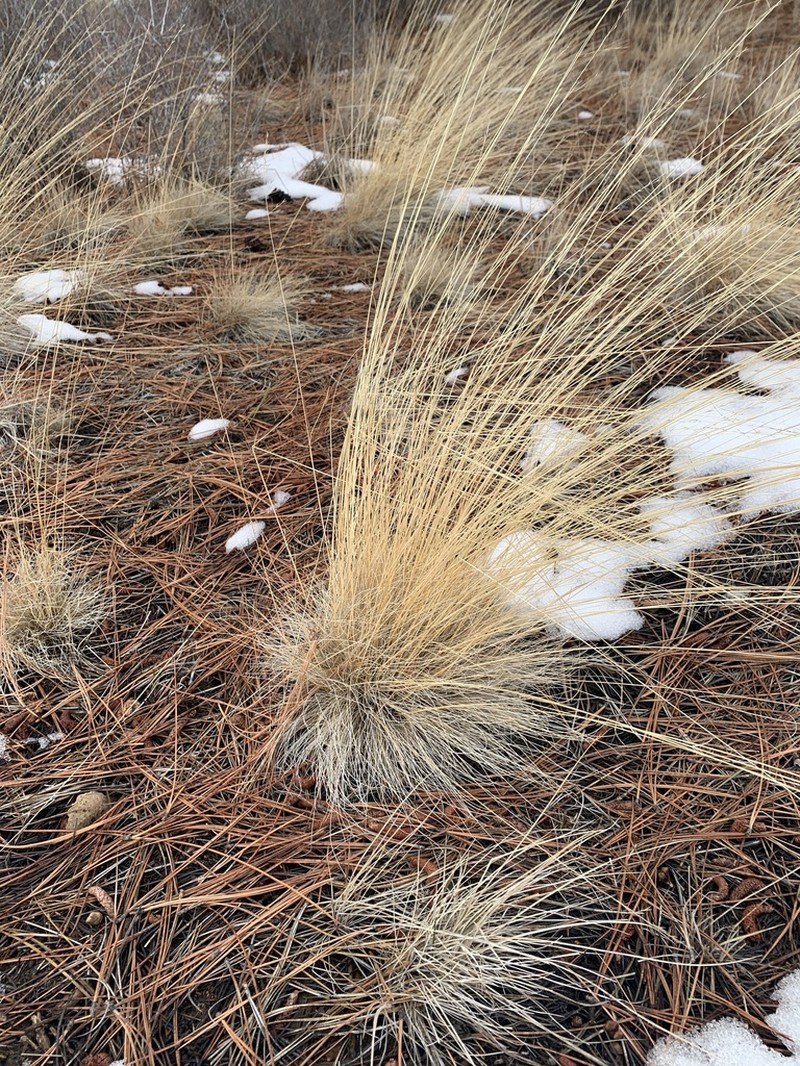
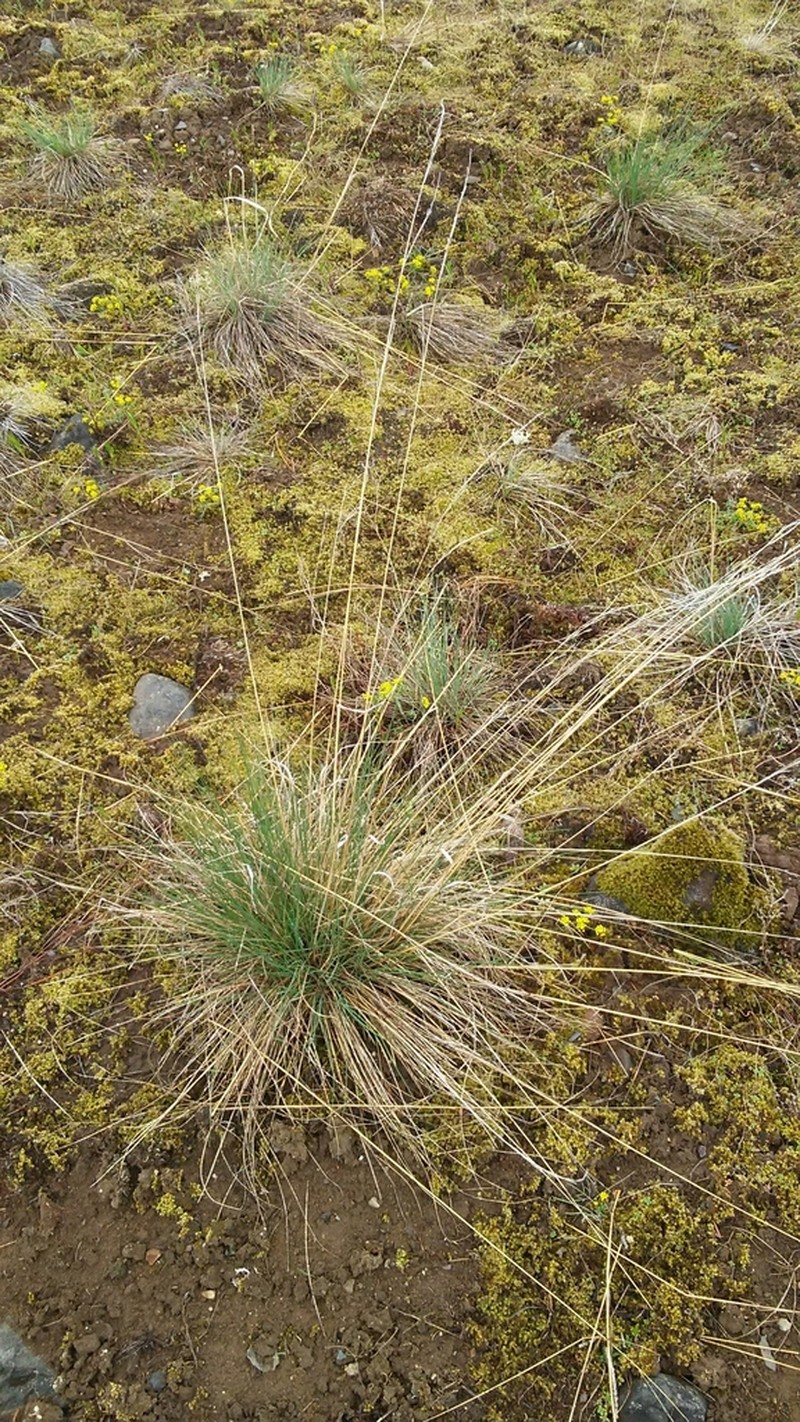
Taxonomy
- Division:
- Magnoliophyta | - Flowering plants
- Family:
- Poaceae
- Genus:
- Festuca
- Species:
- Festuca idahoensis
- USDA Symbol:
- FEID
Growth Characteristics
- Life Cycle:
- Perennial
- Growth Habit:
- Graminoid
- Height:
- 90 cm
- Light Requirements:
- Full Sun
- Drought Tolerance:
- High
- Bloom Months:
- jun,jul
- Bloom Colors:
- green, purple
- Lawn Substitute:
- Yes
Wildlife Benefits
- Butterflies & Moths:
- ★★★☆☆ Documented Lepidoptera association (GBIF)
- Caterpillars:
- ★☆☆☆☆ Recorded caterpillar host plant (HOSTS Database)
Host Plant for Caterpillars
Lindsey's skipper (Hesperia lindseyi), Sandhill Skipper (Polites sabuleti), Sonoran skipper (Polites sonora)
Garden & Ecology Notes
- Wildlife Value:
- birds, small mammals
- Deer Resistant:
- Yes
- Fire Ecology:
- Fire adapted — tolerates or benefits from fire
- Fire Notes:
- Resprouts from basal crowns after fire; often increases in abundance post-fire.
Soil Requirements
- Soil Type:
- well-drained, sandy to loamy soil
- pH:
- 5.5 - 7.5 (slightly acidic to neutral)
- Drainage:
- excellent drainage required
- Moisture:
- dry to moderate
- Notes:
- prefers open, sunny locations
Propagation & Germination
- Stratification:
- Cold/moist stratification required — 30–60 days
- Germination Time:
- 14–30 days
- Notes:
- Seeds germinate readily after cold stratification; sow in fall or stratify for 4-8 weeks.
Pre-treatment: Seeds placed in 0-1°C (32-34°F) for a 10-day cold stratification treatment and then exposed to 22-25°C (72-77°F). Alternatively, germination can occur in the presence of light or after a short after-ripening period. Some protocols suggest no pre-treatment is required.
Establishment: Germination times and pre-treatment protocols vary between protocols. Seed collection times also vary, with most suggesting mid to late July or August. Propagation collections can range from small hand-collected lots to large harvested lots. The plant is native to mesic grasslands and open forests over much of temperate western North America.
Source: npn.rngr.net
Where to Buy
Nationwide Seller
- Native Seed Group (seeds)