
Small Floating Mannagrass
Glyceria borealis
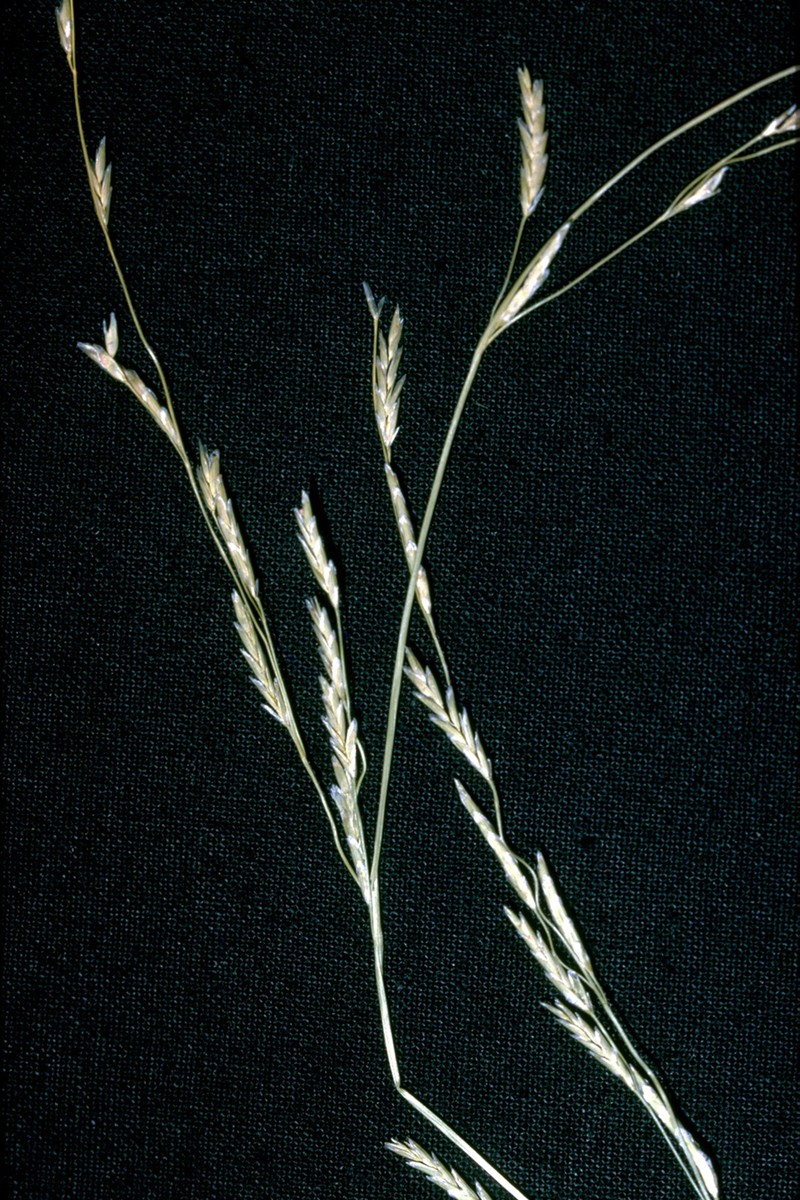
Robert H. Mohlenbrock. USDA NRCS. 1992. Western wetland flora: Field office guide to plant species. West Region, Sacramento. Courtesy of USDA NRCS Wetland Science Institute.
Taxonomy
- Division:
- Magnoliophyta | - Flowering plants
- Family:
- Poaceae
- Genus:
- Glyceria
- Species:
- Glyceria borealis
Growth Characteristics
- Life Cycle:
- Perennial
- Growth Habit:
- Graminoid
- Height:
- 3-4 ft
- Light Requirements:
- Full Sun
- Drought Tolerance:
- High
- Bloom Months:
- apr, may
- Bloom Colors:
- Green
Native Range
United States: Alaska, Arizona, California, Colorado, Connecticut, Iowa, Idaho, Illinois, Indiana, Massachusetts, Maine, Michigan, Minnesota, Montana, North Dakota, Nebraska, New Hampshire, New Jersey, New Mexico, Nevada, New York, Ohio, Oregon, Pennsylvania, Rhode Island, South Dakota, Utah, Vermont, Washington, Wisconsin, Wyoming, Canada: Alberta, British Columbia, Manitoba, New Brunswick, Nova Scotia, Northwest Territories, Ontario, Prince Edward Island, Quebec, Saskatchewan, Yukon
Soil Requirements
- Soil Type:
- moist, nutrient-rich, organic soil
- pH:
- 5.5 - 7.5 (slightly acidic to neutral)
- Drainage:
- tolerates poor drainage
- Moisture:
- consistently moist
- Notes:
- Commonly found in wetlands and marshes
Germination Information
Pre-treatment: Seeds are mixed with sand and sown directly into target containers with a growing medium of 40:20:20:20 peat:composted fir bark:perlite:pumice with Nutricote controlled release fertilizer at the rate of 0.5 gram Nutricote per 107 ml container. Entire racks are sealed inside plastic bags and placed into refrigeration at 1 to 3 °C for 30 days. Cells are checked weekly and kept moist throughout the stratification period.
Source: npn.rngr.net