
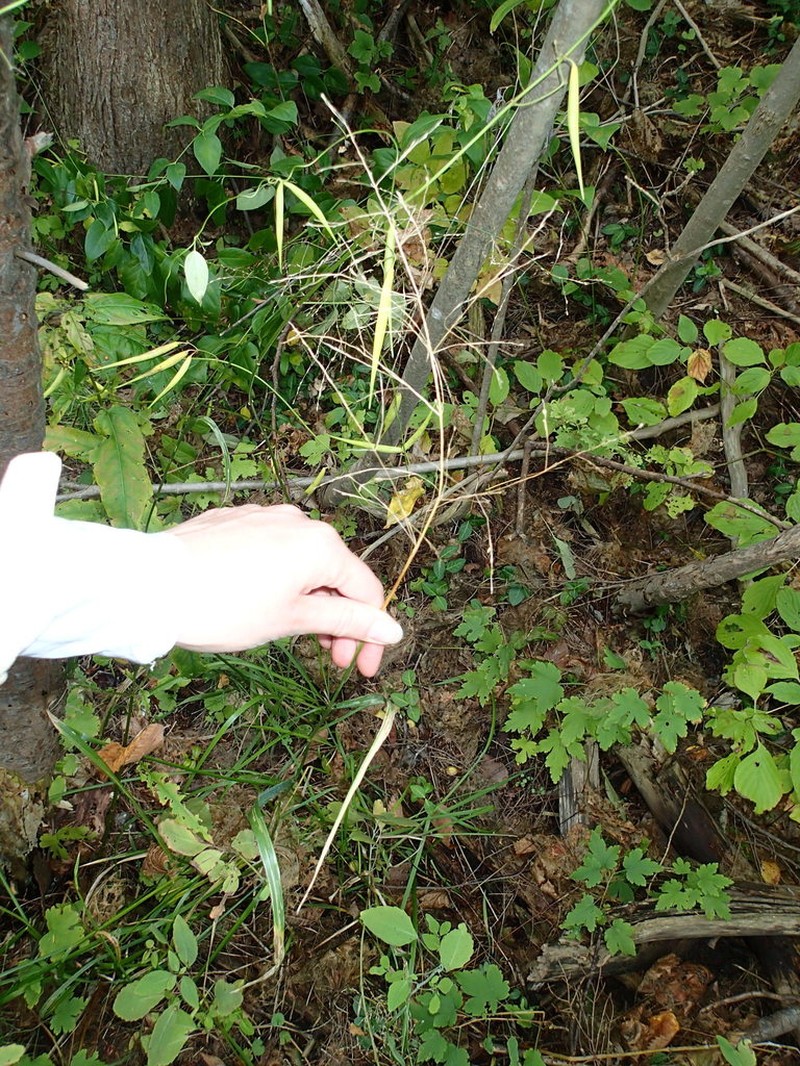
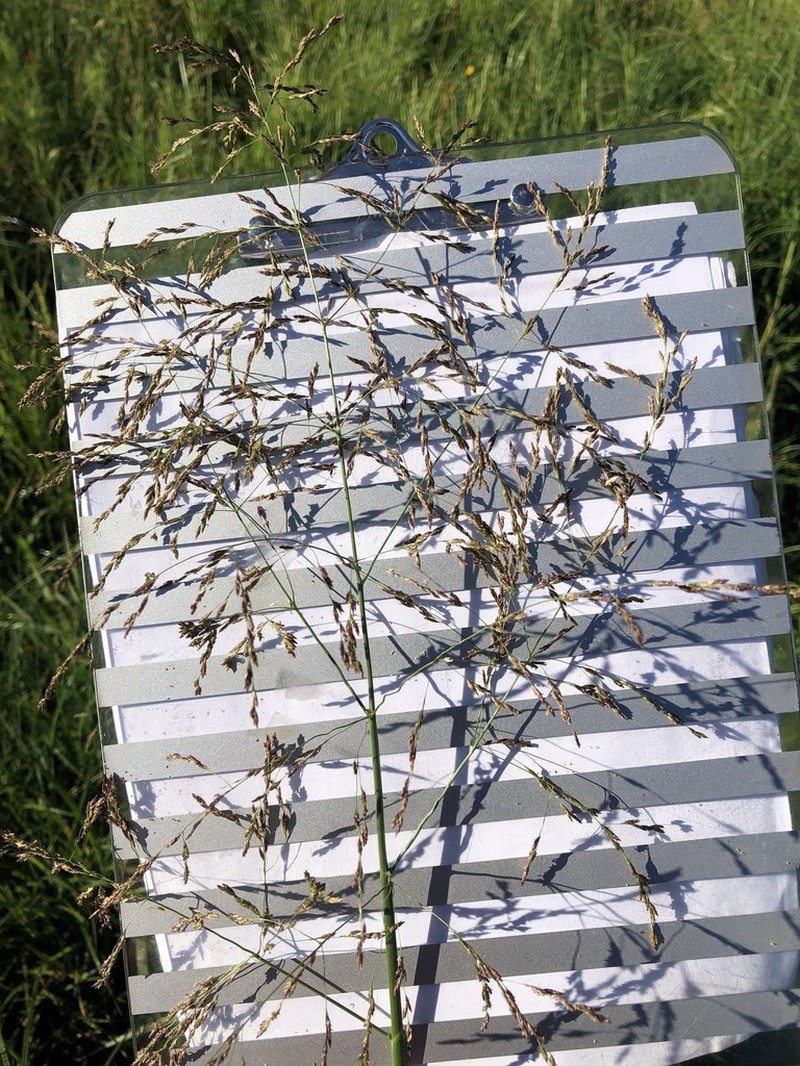
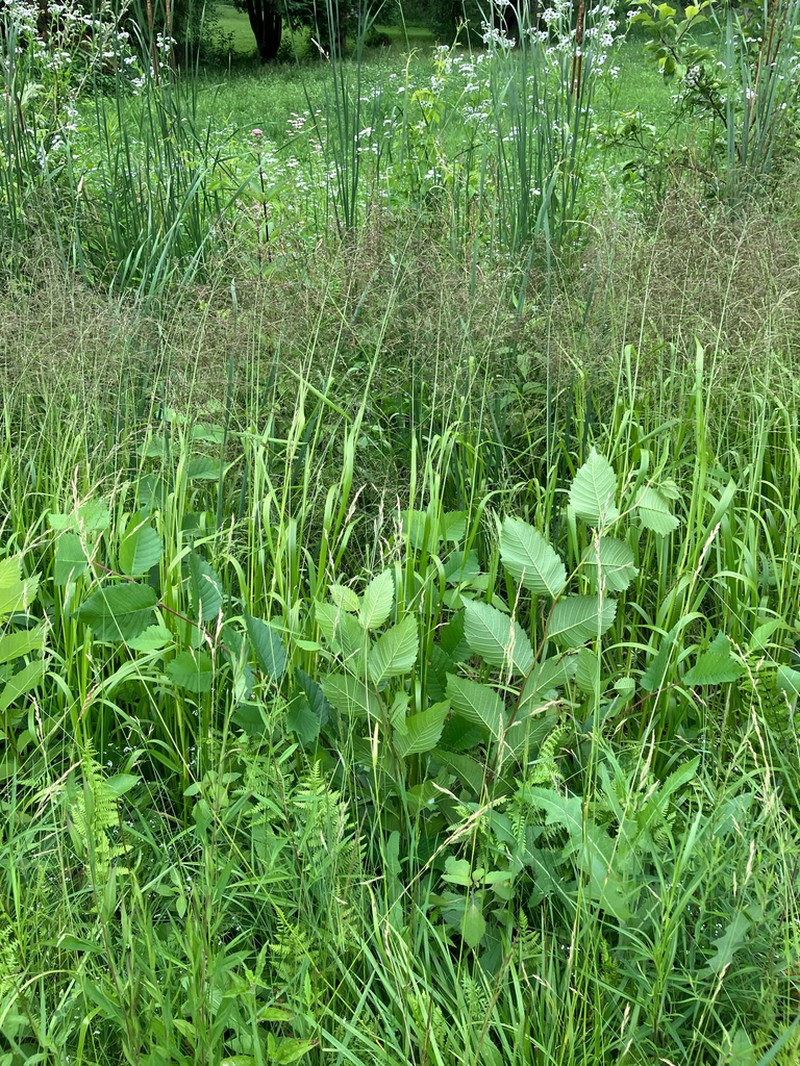
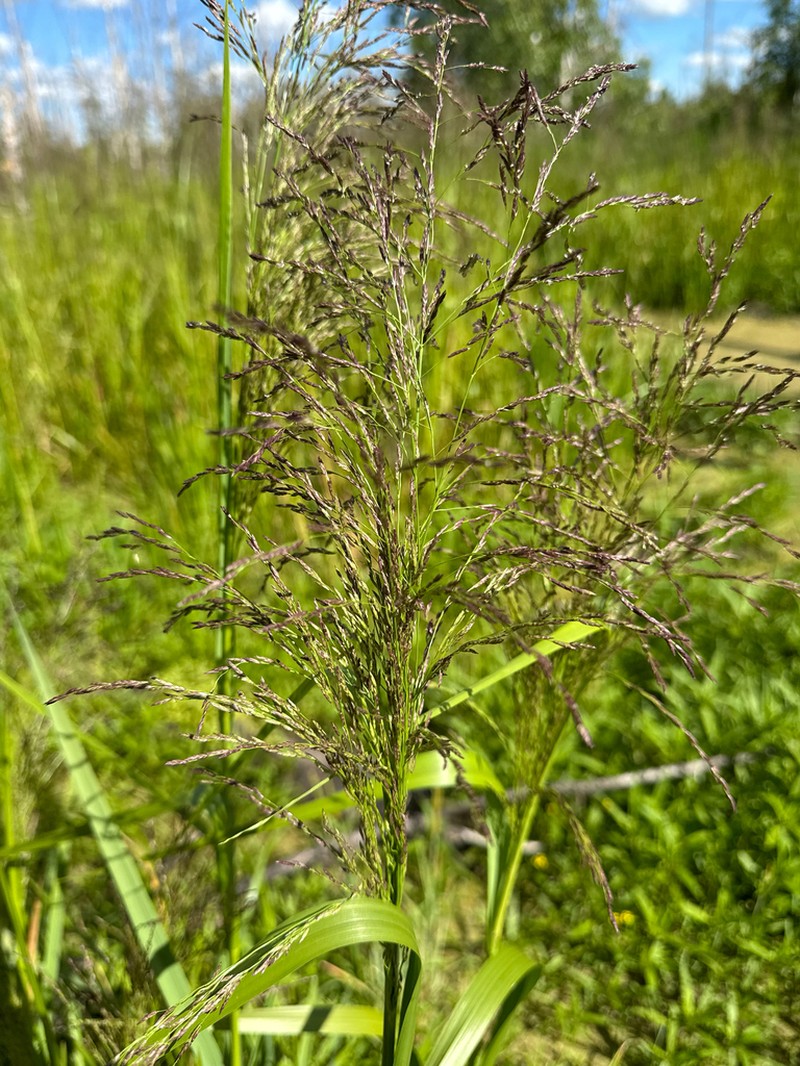
American Mannagrass
Glyceria grandis
- Native to:
- Canada, Prince Edward I., United States, Virgin Islands
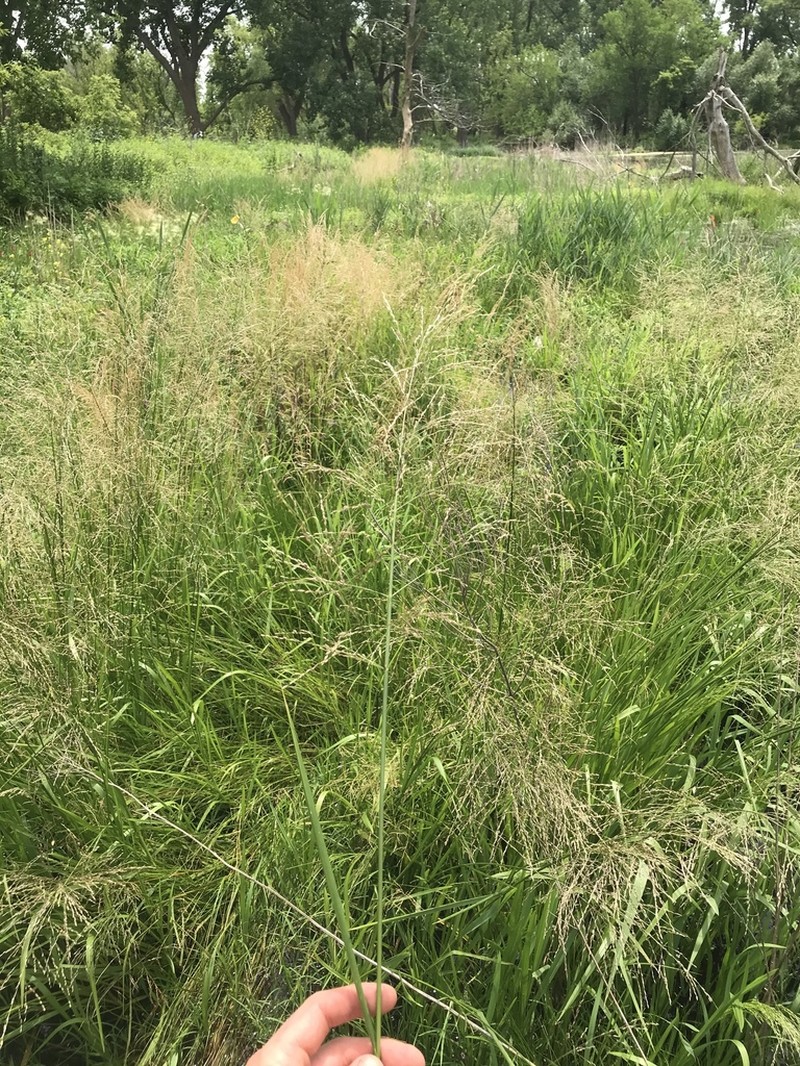
iNaturalist: © jspringsteen (iNaturalist #51492302)
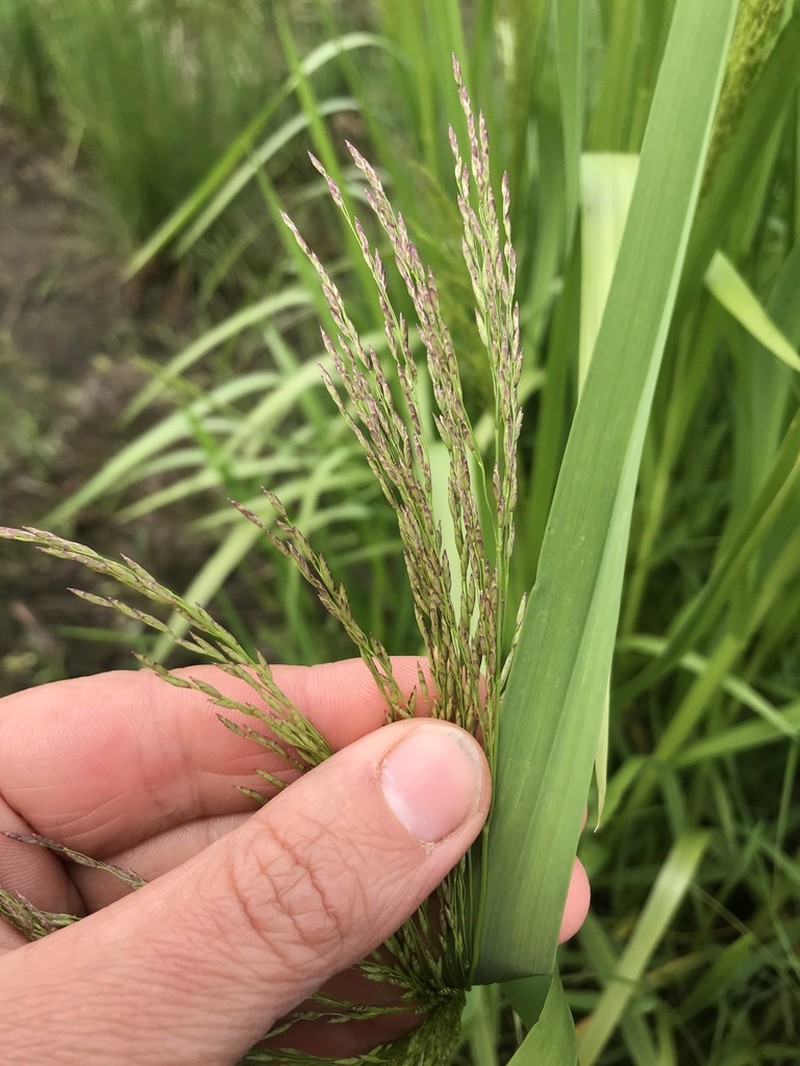
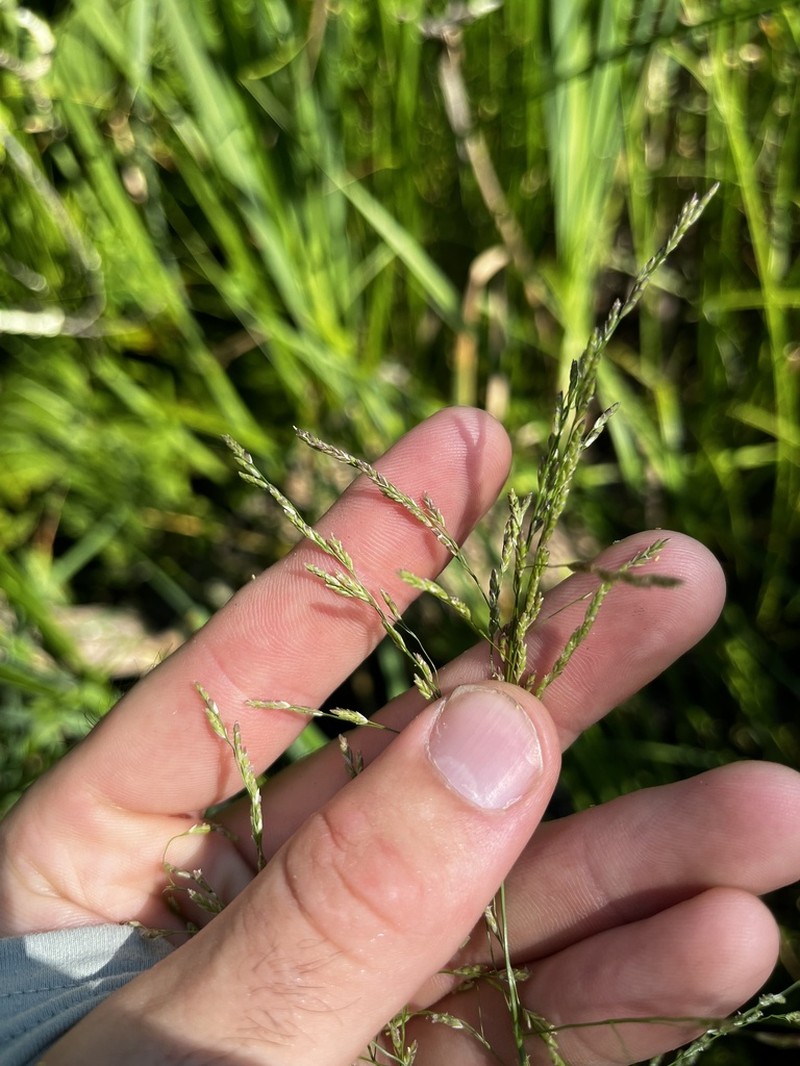
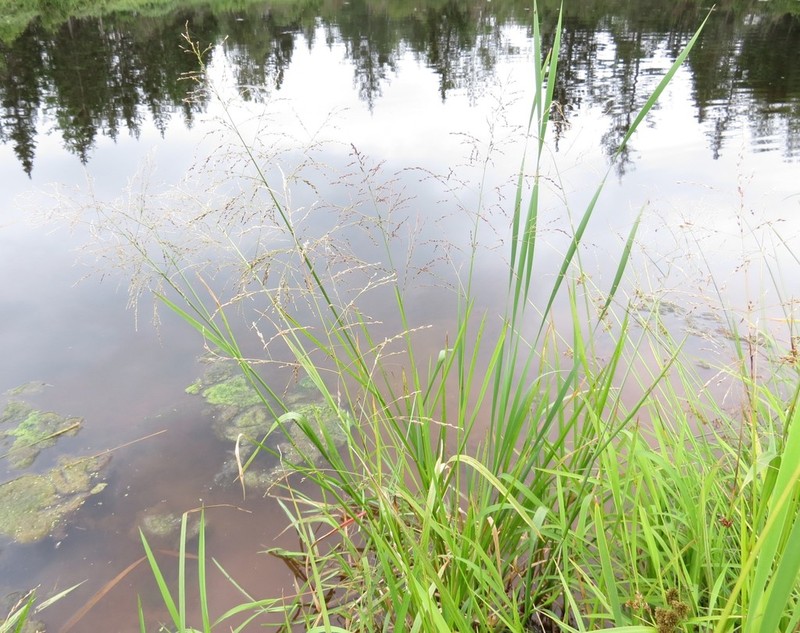
Taxonomy
- Division:
- Magnoliophyta | - Flowering plants
- Family:
- Poaceae
- Genus:
- Glyceria
- Species:
- Glyceria grandis
- USDA Symbol:
- GLGR
Growth Characteristics
- Life Cycle:
- Perennial
- Growth Habit:
- Graminoid
- Height:
- 200 cm
- Light Requirements:
- Full Sun
- Drought Tolerance:
- Low
- Bloom Months:
- jun,jul,aug
- Bloom Colors:
- green, purple
Wildlife Benefits
- Caterpillars:
- ★☆☆☆☆ Recorded caterpillar host plant (HOSTS Database)
Host Plant for Caterpillars
Apamea impulsa
Garden & Ecology Notes
- Wildlife Value:
- waterfowl, songbirds, small mammals
Soil Requirements
- Soil Type:
- rich, moisture-retentive loamy soil
- pH:
- 5.5 - 7.5 (slightly acidic to neutral)
- Drainage:
- tolerates poor drainage
- Moisture:
- consistently moist
- Notes:
- Commonly found in wetlands and marshes
Propagation & Germination
- Stratification:
- None required
- Germination Time:
- 14–30 days
- Notes:
- Seeds germinate readily without pretreatment in moist conditions.
Where to Buy
Nationwide Seller
- Sheffield's Seed (seeds)
- Native Seed Group (seeds)
- Ernst Seeds (seeds)
- Ernst Seeds (seeds)
- Prairie Moon Nursery (nursery and seeds)