
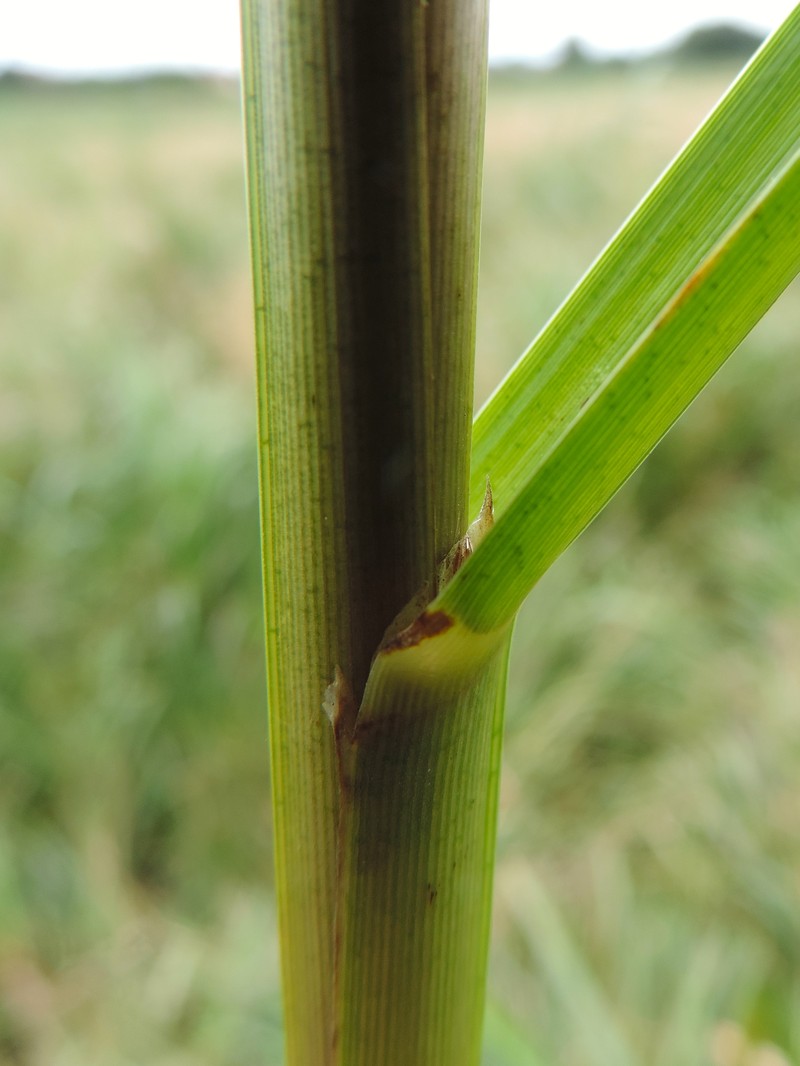
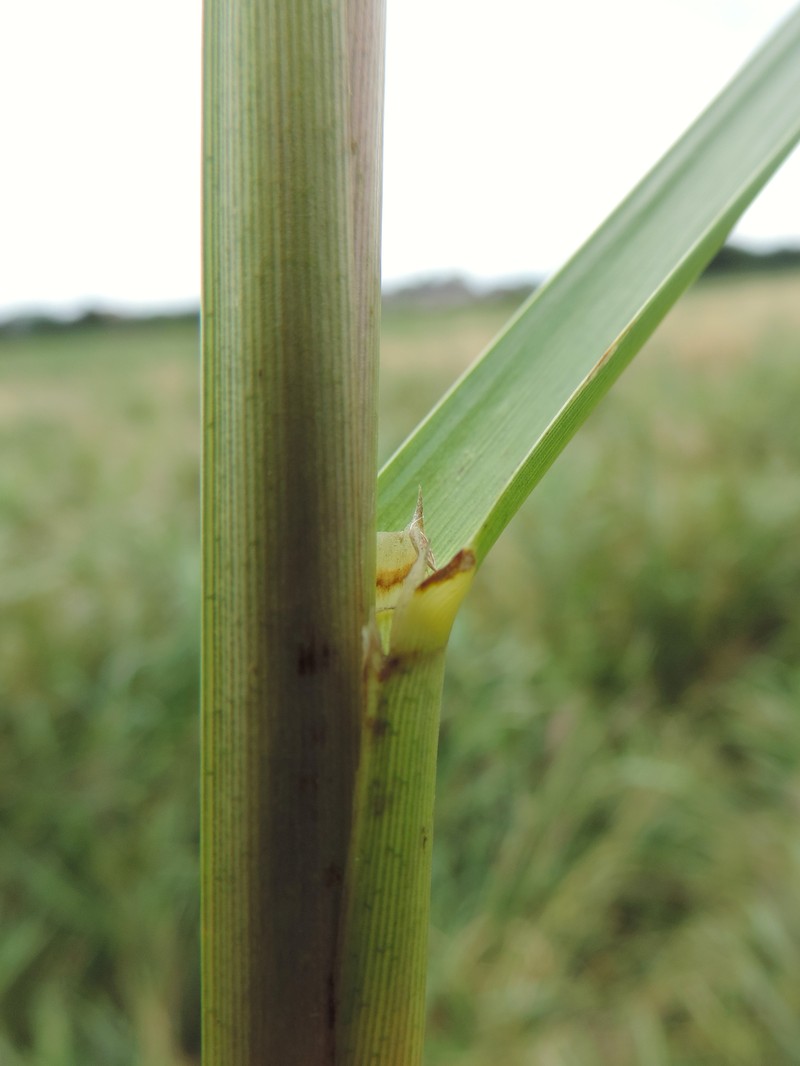
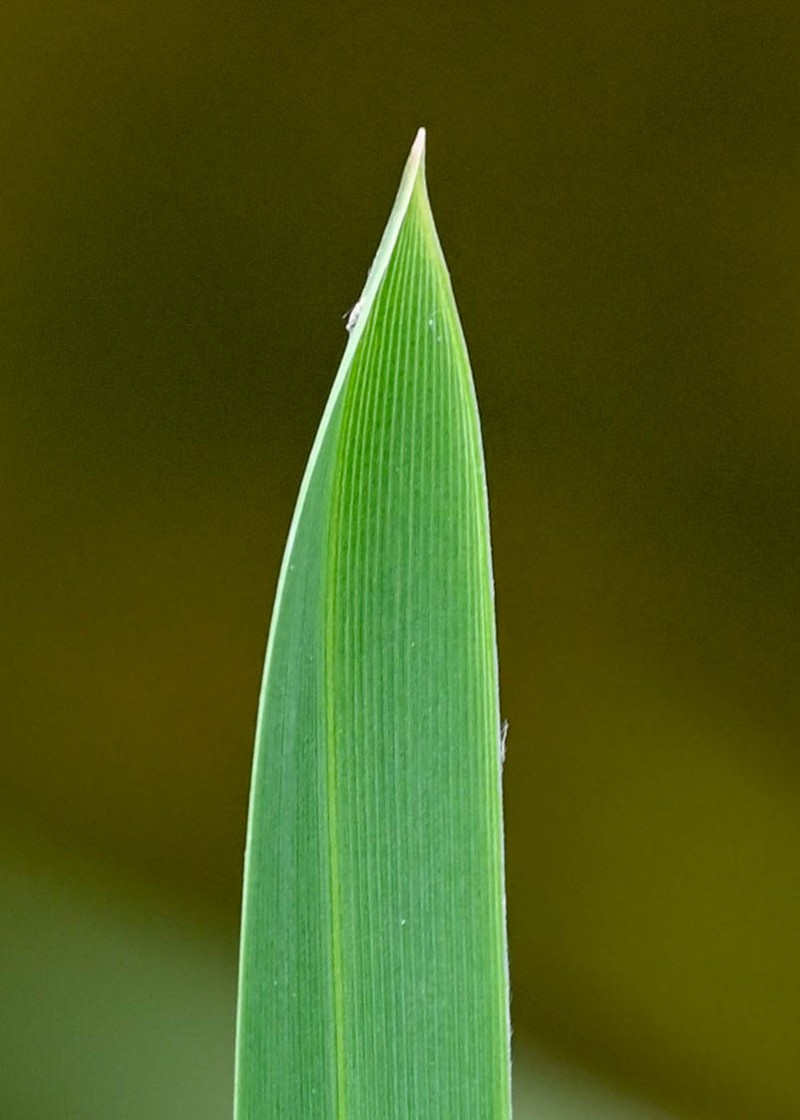
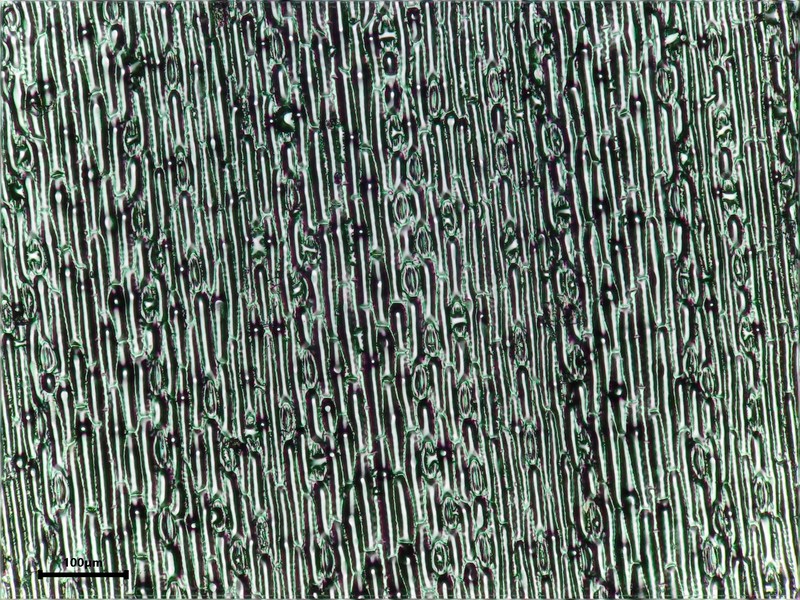
Reed Mannagrass
Glyceria maxima
- Native to:
- Austria, Baltic States, Belarus, Belgium, Bulgaria, China, Czechia-Slovakia, Denmark, Finland, France, Germany, Great Britain, Greece, Hungary, Ireland, Italy, Kazakhstan, Netherlands, Norway, NW. Balkan Pen., Poland, Romania, Russia, Sardegna, Sicilia, Sweden, Switzerland, Transcaucasus, Türkiye-in-Europe, Ukraine
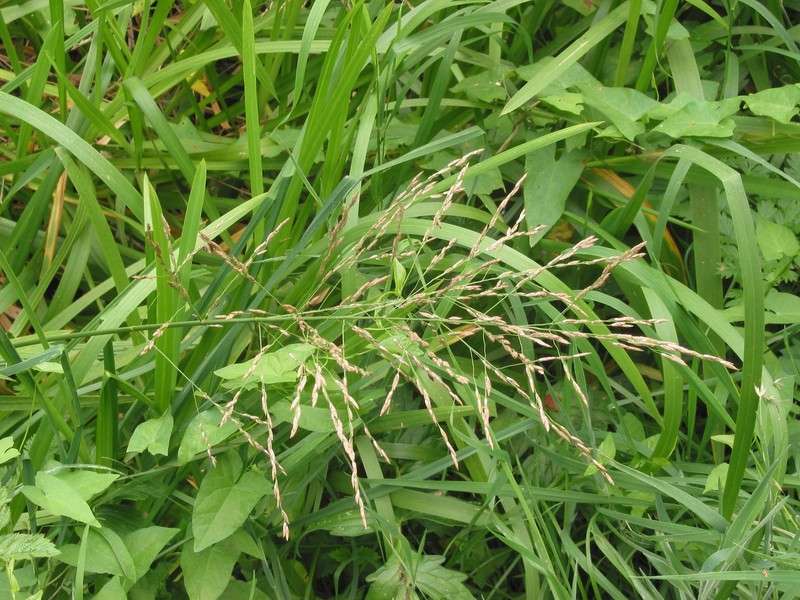
Krzysztof Ziarnek, Kenraiz
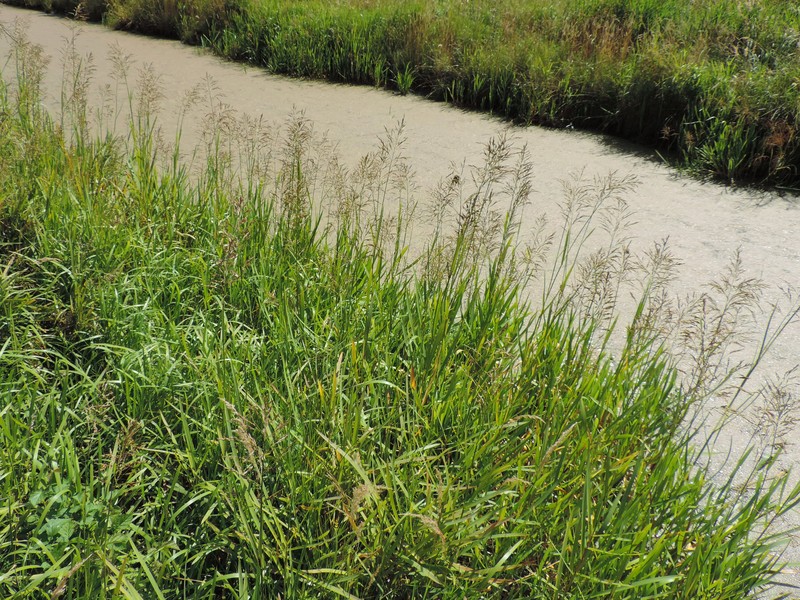
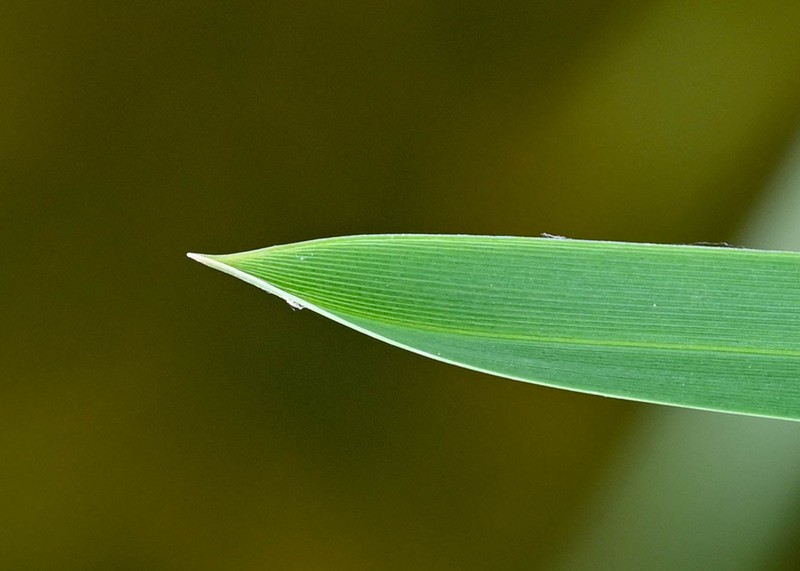
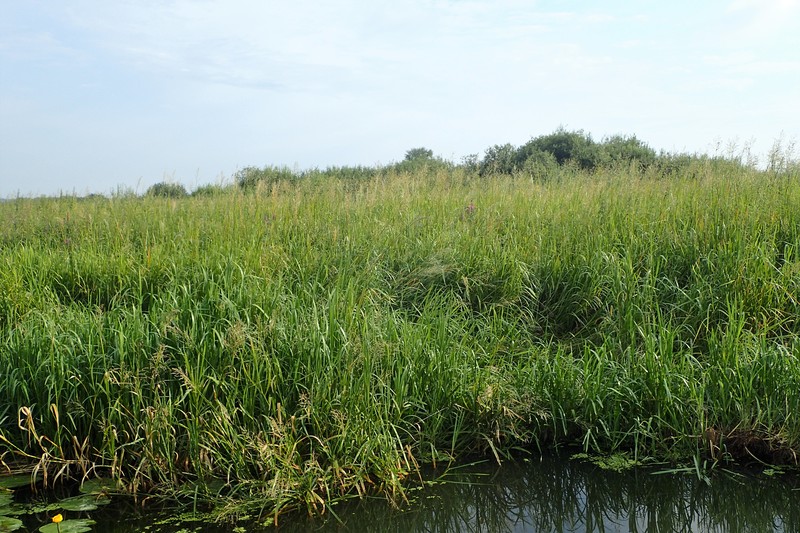
Taxonomy
- Division:
- Magnoliophyta | - Flowering plants
- Family:
- Poaceae
- Genus:
- Glyceria
- Species:
- Glyceria maxima
- USDA Symbol:
- GLMA3
Growth Characteristics
- Life Cycle:
- Perennial
- Growth Habit:
- Graminoid
- Height:
- 250 cm
- Light Requirements:
- Full Sun
- Drought Tolerance:
- Low
- Bloom Months:
- jun,jul,aug
- Bloom Colors:
- green, purple
Host Plant for Caterpillars
Aletia oxygala, Apamea impulsa, Armyworm moth (Pseudaletia unipuncta), Comma Leucania (Leucania commoides), connected looper (Plusia contexta), Hydraecia medialis, Pink-spotted Dart Moth (Pseudohermonassa bicarnea), Pseudohermonassa tenuicula, Putnam's Looper (Plusia putnami)
Garden & Ecology Notes
- Wildlife Value:
- waterfowl, muskrats
Soil Requirements
- Soil Type:
- rich, moisture-retentive, organic soil
- pH:
- 5.5 - 7.5 (slightly acidic to neutral)
- Drainage:
- tolerates poor drainage
- Moisture:
- consistently moist
- Notes:
- Commonly found in wetlands and marshes