
Fowl Mannagrass
Glyceria striata
- Native to:
- Canada, Guam, Guatemala, Labrador, Mexico, Prince Edward I., United States, Virgin Islands
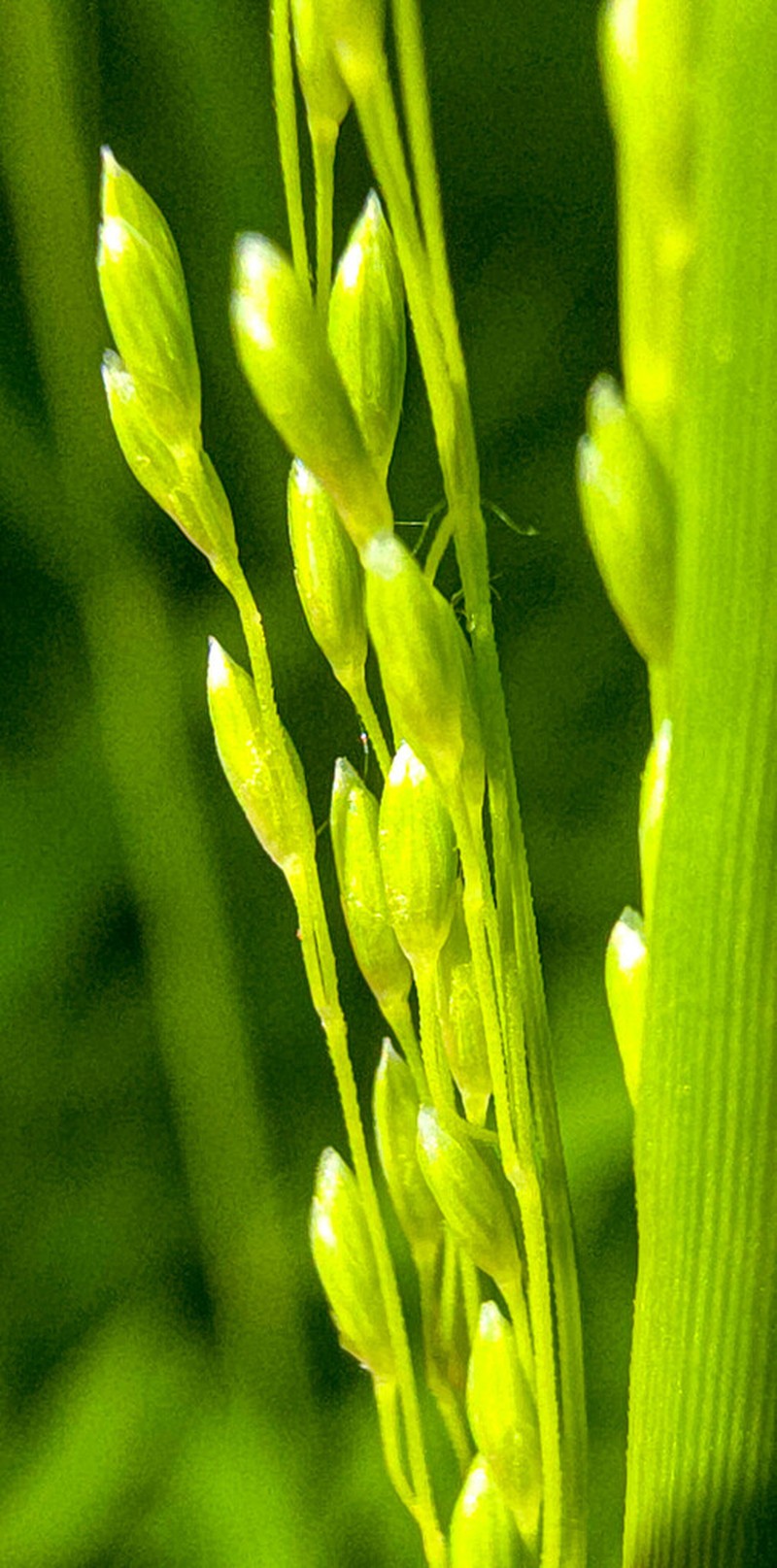
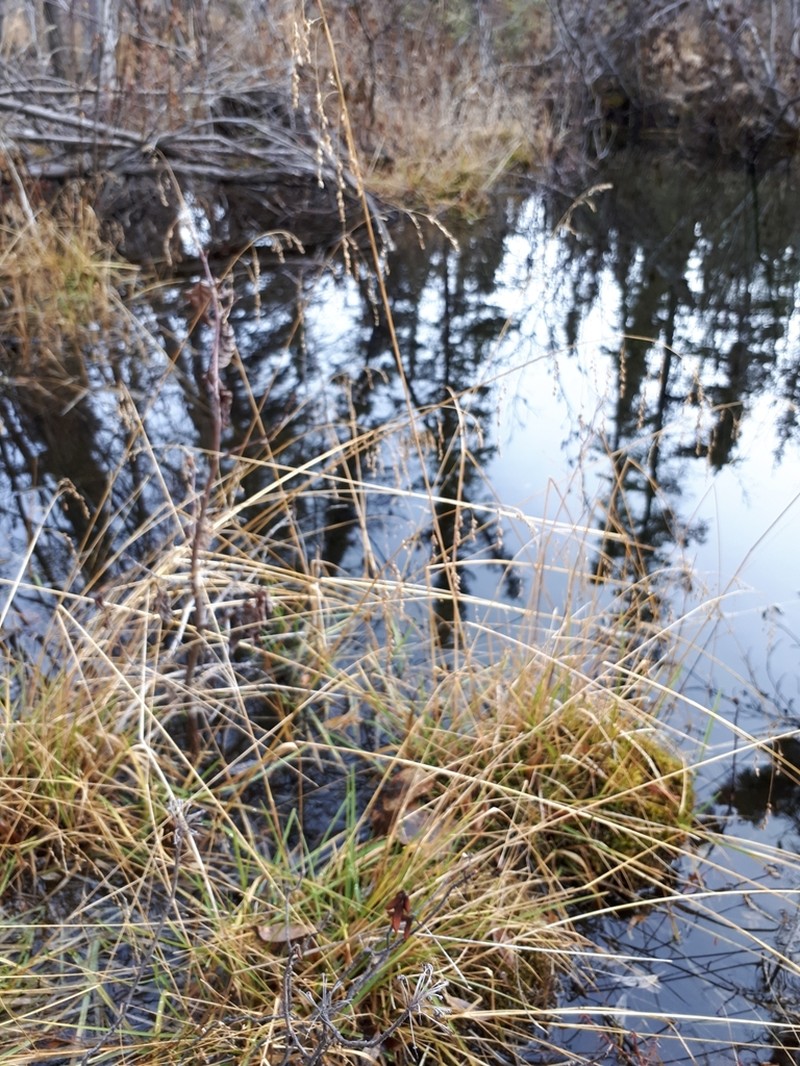
iNaturalist: © grinnin (iNaturalist #209867380)
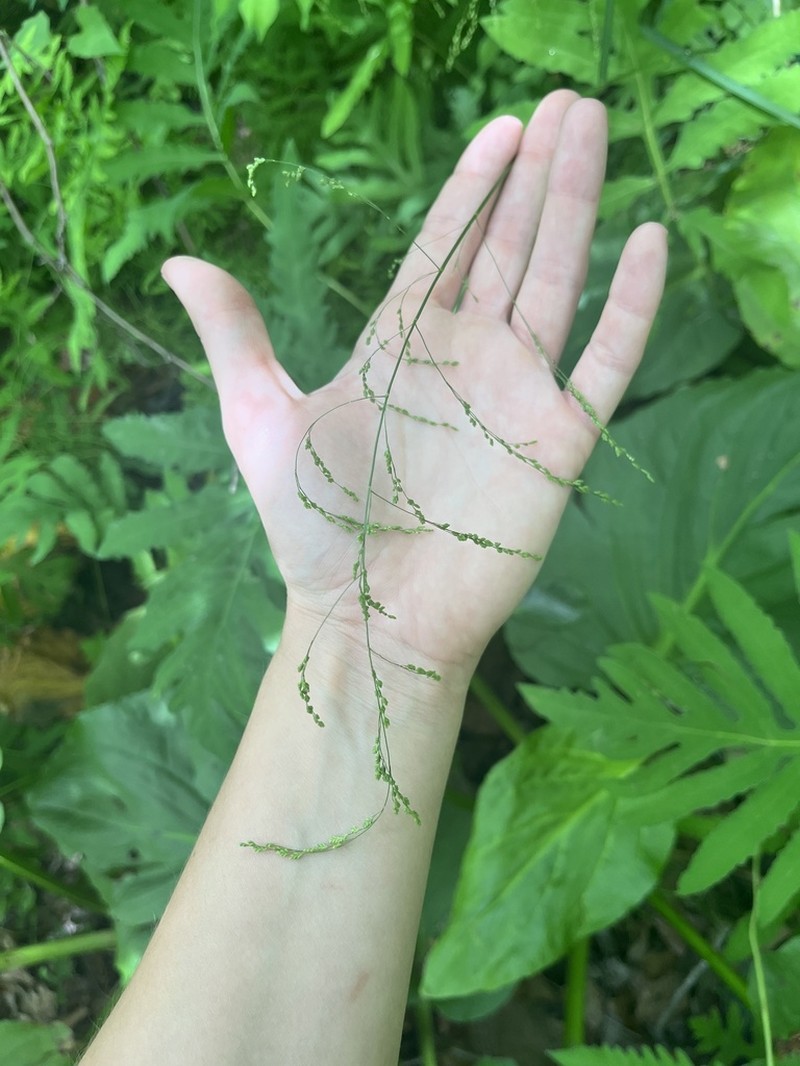
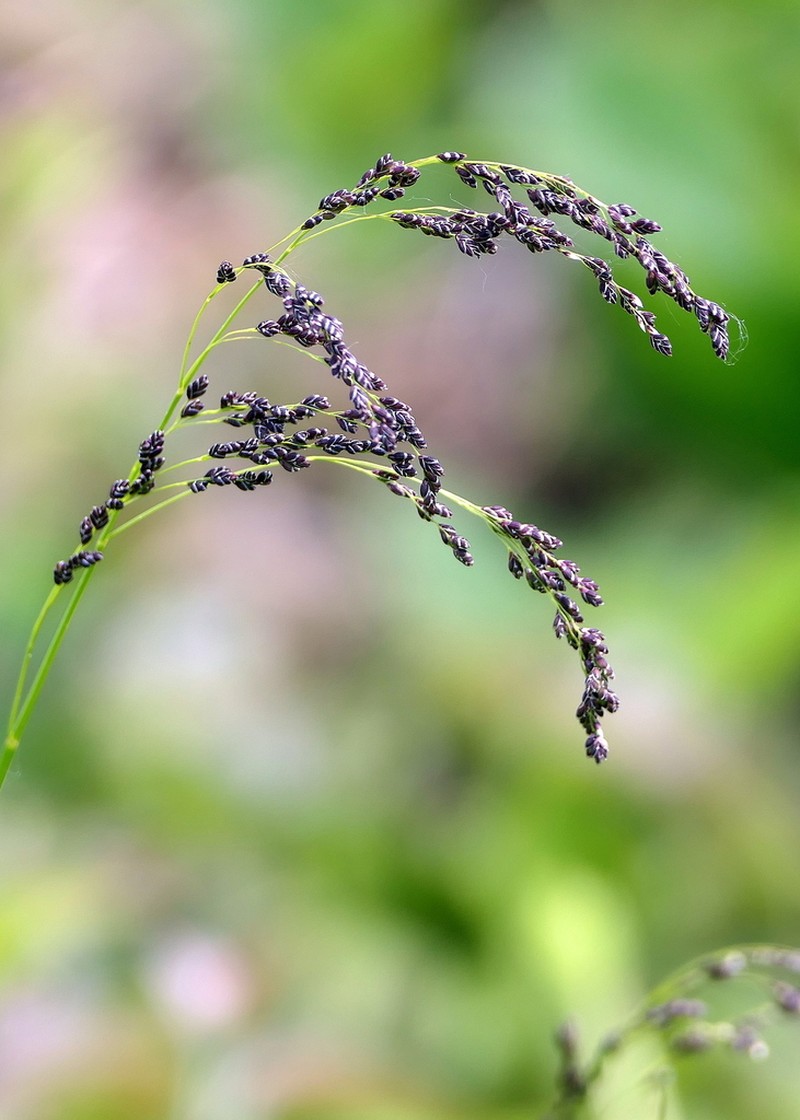
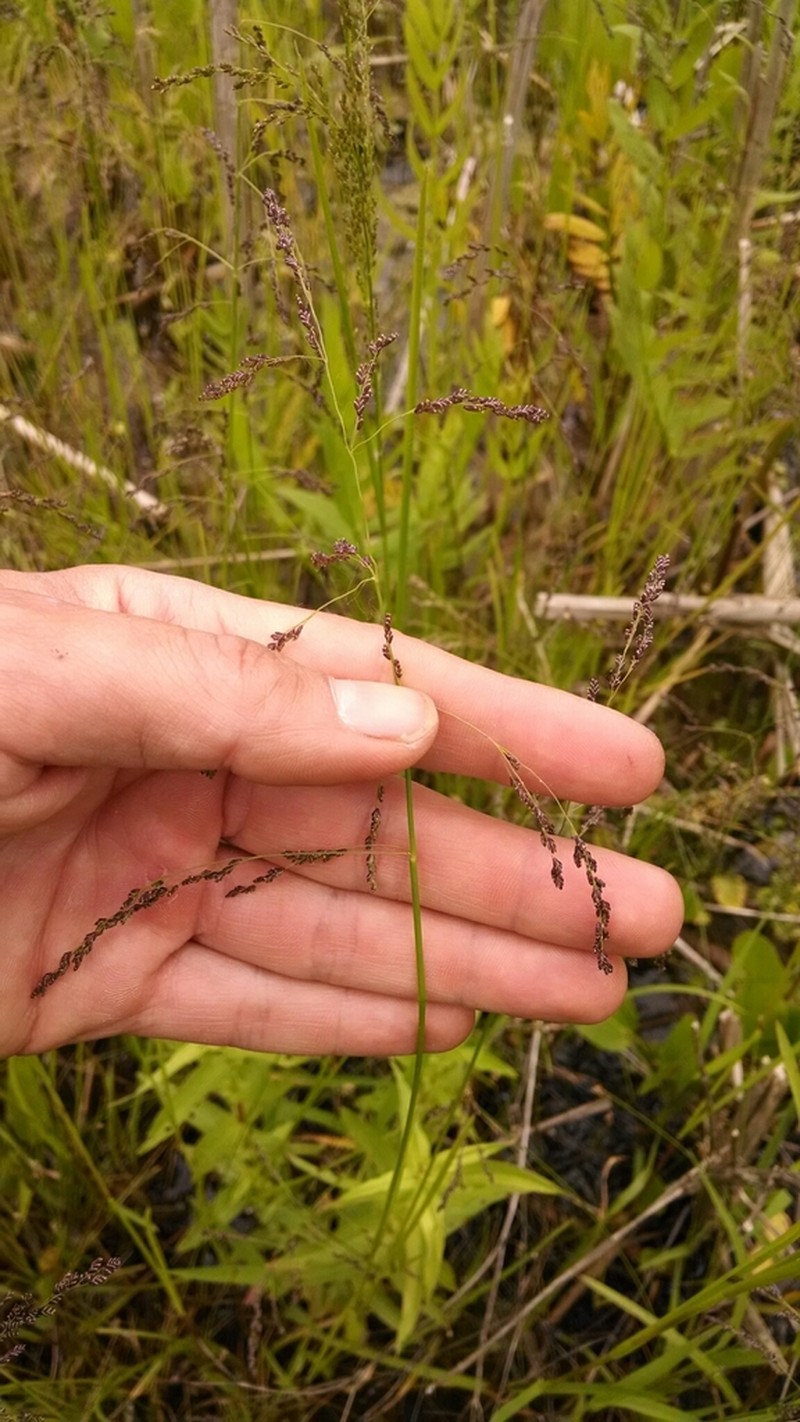
Taxonomy
- Division:
- Magnoliophyta | - Flowering plants
- Family:
- Poaceae
- Genus:
- Glyceria
- Species:
- Glyceria striata
- USDA Symbol:
- GLST
Growth Characteristics
- Life Cycle:
- Perennial
- Growth Habit:
- Graminoid
- Height:
- 120 cm
- Light Requirements:
- Part Shade
- Drought Tolerance:
- Low
- Bloom Months:
- may,jun,jul
- Bloom Colors:
- green, purple
Wildlife Benefits
- Butterflies & Moths:
- ★★☆☆☆ Documented Lepidoptera association (GBIF)
- Caterpillars:
- ★☆☆☆☆ Recorded caterpillar host plant (HOSTS Database)
Host Plant for Caterpillars
Garden & Ecology Notes
- Wildlife Value:
- birds, small mammals
Soil Requirements
- Soil Type:
- fertile, moisture-retentive loam
- pH:
- 5.5 - 7.0 (slightly acidic to neutral)
- Drainage:
- tolerates poor drainage
- Moisture:
- consistently moist
- Notes:
- commonly found in wetlands and marshy areas
Propagation & Germination
- Stratification:
- Cold/moist stratification required — 30–60 days
- Germination Time:
- 14–30 days
- Notes:
- Seeds germinate readily after cold stratification; surface sow on moist soil.
Pre-treatment: Mix seeds with sand and sow directly into target containers with a growing medium of 40:20:20:20 peat:composted fir bark:perlite:pumice. Add Nutricote controlled release fertilizer at the rate of 0.5 gram per 107 ml container. Seal racks inside plastic bags and refrigerate at 1 to 3 °C for 30 days. Alternatively, seeds can be cold stratified for 150 days.
Establishment: Seed ripens in July or August and can be collected from wet forest road ditches. Access can be difficult along streams or in denser, swampy brush where the species is commonly found. The plant is widespread across North America, including the whole United States and the Western half of Canada.
Source: npn.rngr.net
Where to Buy
Nationwide Seller
- Prairie Moon Nursery (nursery and seeds)
- Ernst Seeds (seeds)
- Ernst Seeds (seeds)
- Native Seed Group (seeds)
- Sheffield's Seed (seeds)
- Pizzo Native Plant Nursery (wholesale nursery)