
Whitegrass
Leersia virginica
- Native to:
- Canada, United States, Virgin Islands
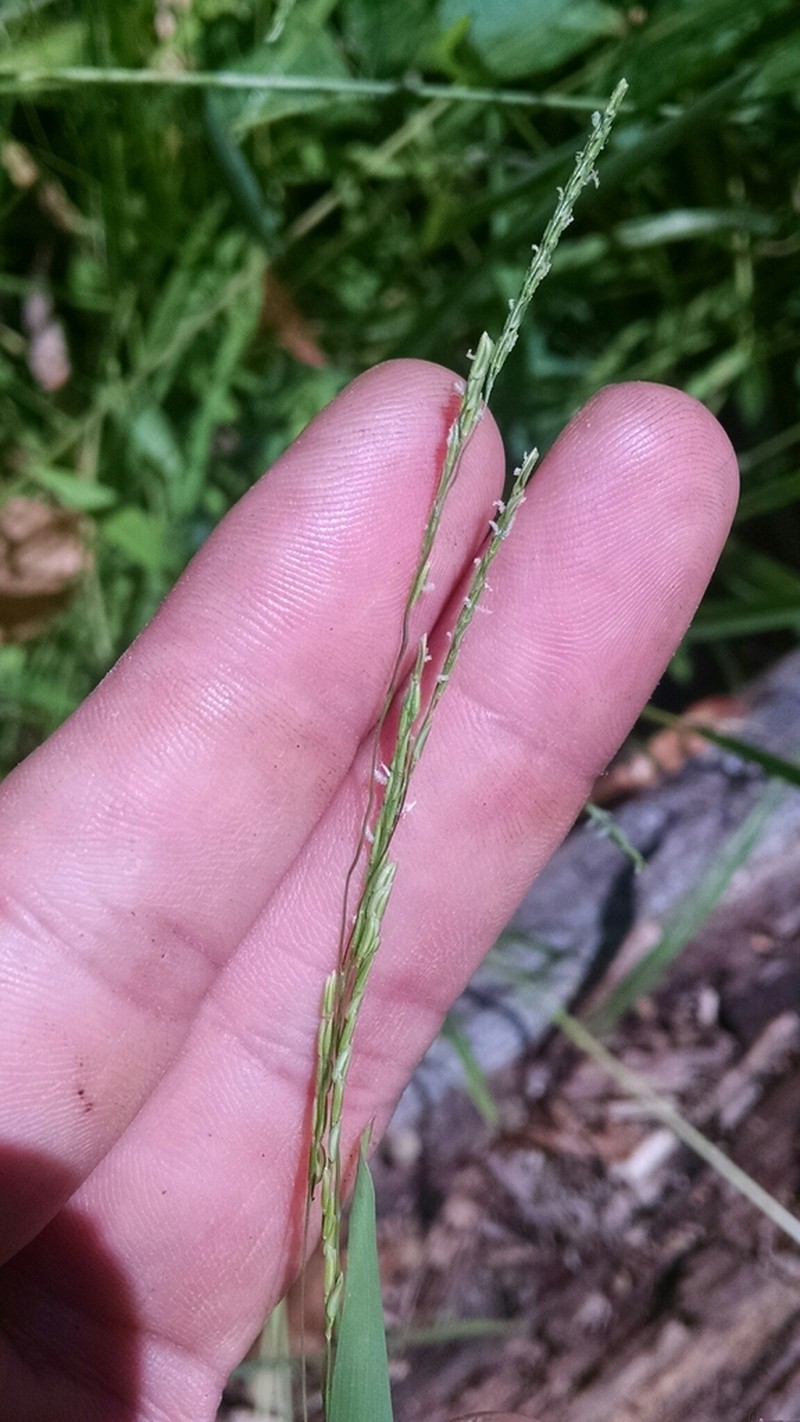
iNaturalist: © dziomber (iNaturalist #31613689)
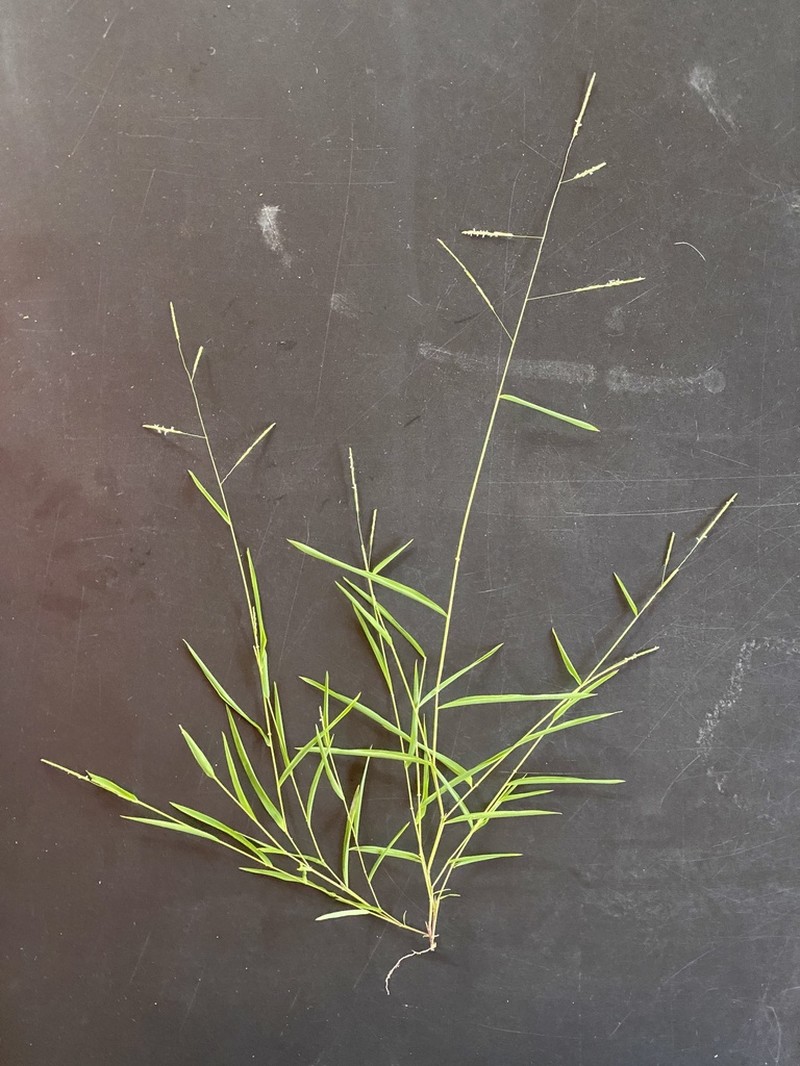
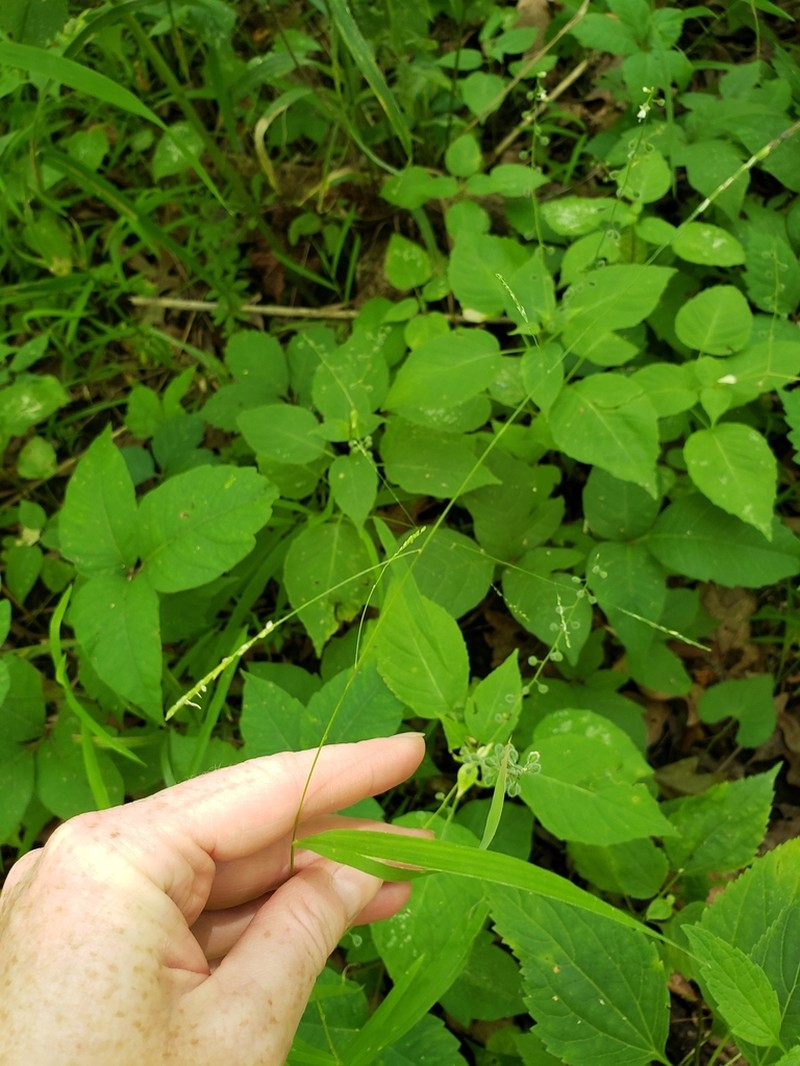
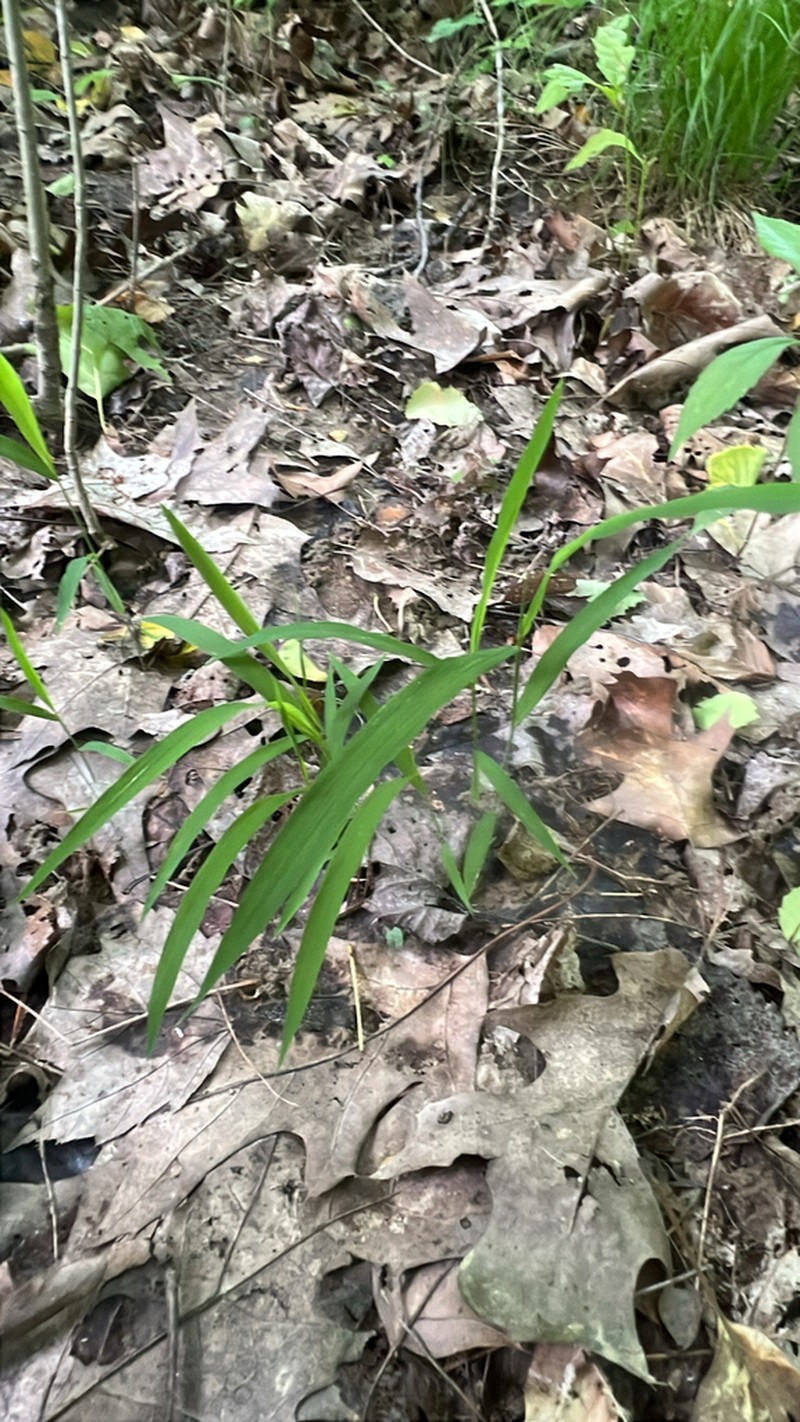
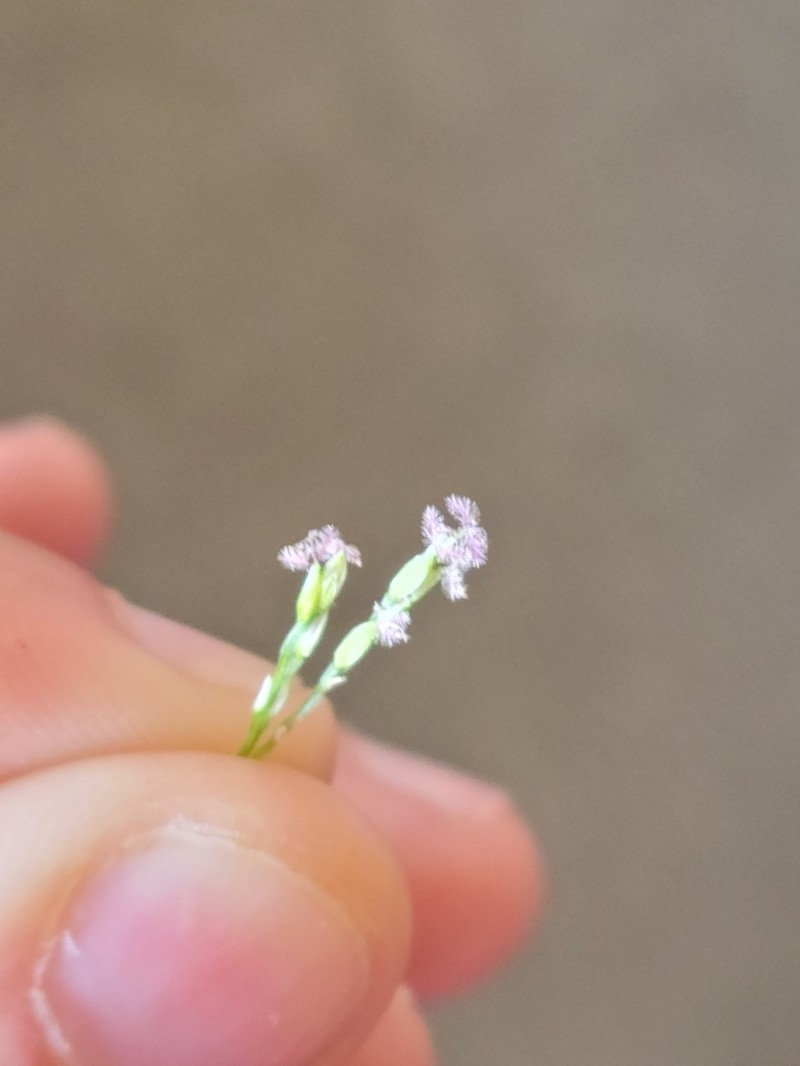
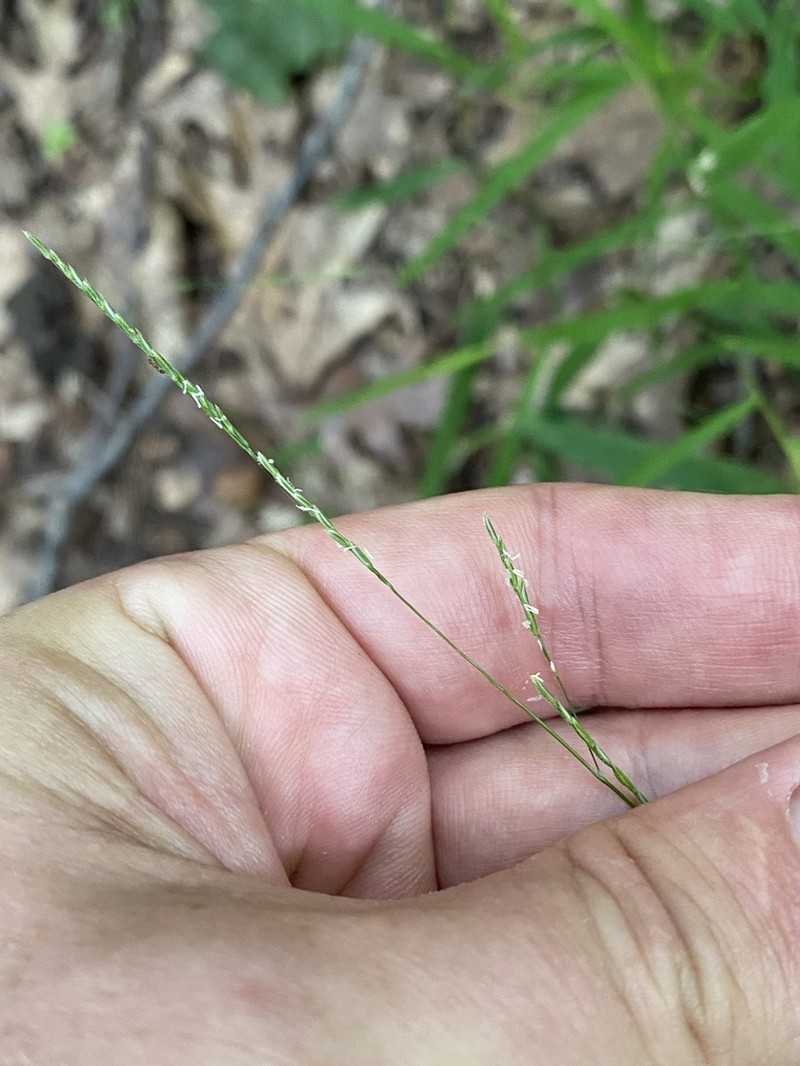
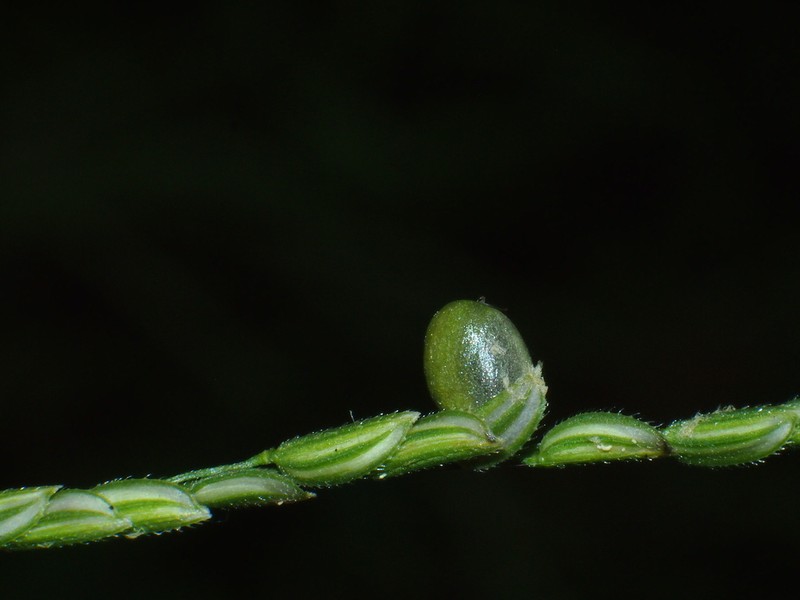
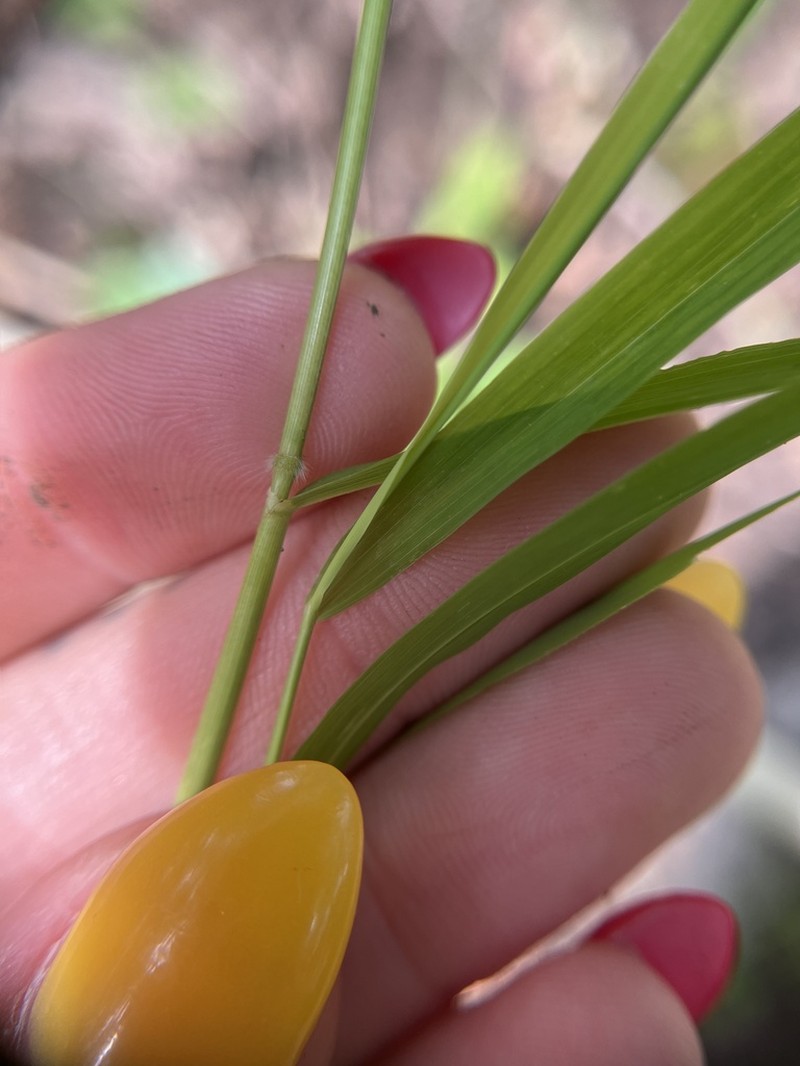
Taxonomy
- Division:
- Magnoliophyta | - Flowering plants
- Family:
- Poaceae
- Genus:
- Leersia
- Species:
- Leersia virginica
- USDA Symbol:
- LEVI2
Growth Characteristics
- Life Cycle:
- Perennial
- Growth Habit:
- Graminoid
- Height:
- 120 cm
- Light Requirements:
- Part Shade
- Drought Tolerance:
- Low
- Bloom Months:
- jul,aug,sep
- Bloom Colors:
- green, white
Wildlife Benefits
- Caterpillars:
- ★☆☆☆☆ Recorded caterpillar host plant (HOSTS Database)
Host Plant for Caterpillars
Crocidophora serratissimalis, Northern Pearly-Eye (Enodia anthedon)
Garden & Ecology Notes
- Wildlife Value:
- birds, small mammals
Soil Requirements
- Soil Type:
- moist, fertile, loamy soil
- pH:
- 5.5 - 7.0 (slightly acidic to neutral)
- Drainage:
- tolerates poor drainage
- Moisture:
- consistently moist
- Notes:
- commonly found in wetlands and riparian zones
Propagation & Germination
Pre-treatment: Seeds are planted into round cell greenhouse flat liners with 38 cells per flat filled with coarse processed bark and composted pine bark growing medium. Seeds are surface sown at a rate of 3-5 seeds per cell and lightly covered with starter sized, 1/16" - 1/8" diameter, granite poultry grit. Prepared flats are lightly hand watered and cold stratified at 35 degrees Fahrenheit for a minimum of 21 days.
Source: npn.rngr.net