
Pacific Island Thintail
Lepturus repens
- Native to:
- Aldabra, American Samoa, Andaman Is., Australia, Caroline Is., Chagos Archipelago, China, Christmas I., Cocos (Keeling) Is., Cook Is., Easter Is., Federated States of Micronesia, Fiji, Gilbert Is., Guam, Hawaii, Howland-Baker Is., Japan, Jawa, Kazan-retto, Kenya, Kermadec Is., Laccadive Is., Lesser Sunda Is., Line Is., Madagascar, Malaya, Maluku, Marcus I., Marianas, Marshall Is., Marshall Islands, Mauritius, Mozambique, Nansei-shoto, Nauru, New Caledonia, New Guinea, Niue, Norfolk Is., Northern Mariana Islands, Ogasawara-shoto, Palau, Philippines, Phoenix Is., Pitcairn Is., Réunion, Rodrigues, Samoa, Society Is., Solomon Is., Somalia, South Africa, South China Sea, Sri Lanka, Sulawesi, Sumatera, Taiwan, Tanzania, Thailand, Tokelau-Manihiki, Tonga, Tuamotu, Tubuai Is., Tuvalu, U.S. Minor Outlying Islands, United States, Vanuatu, Vietnam, Wake I., Wallis-Futuna Is.
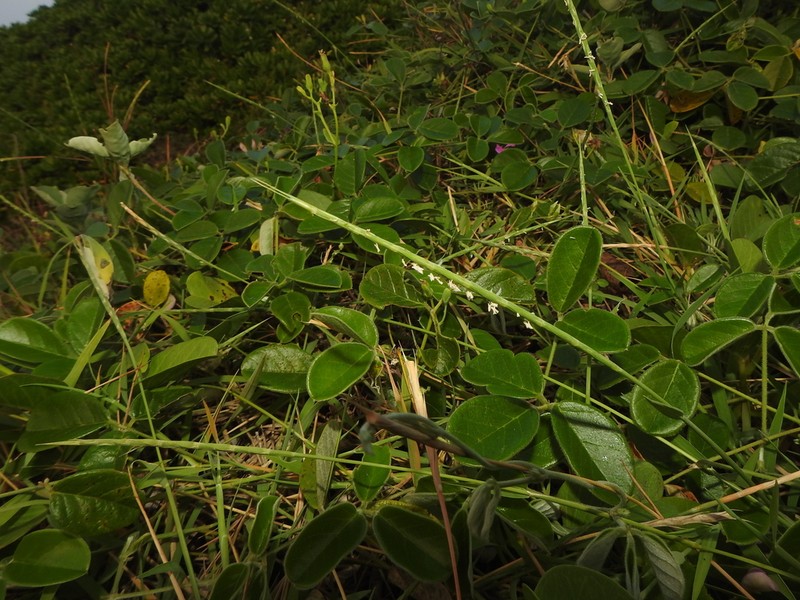
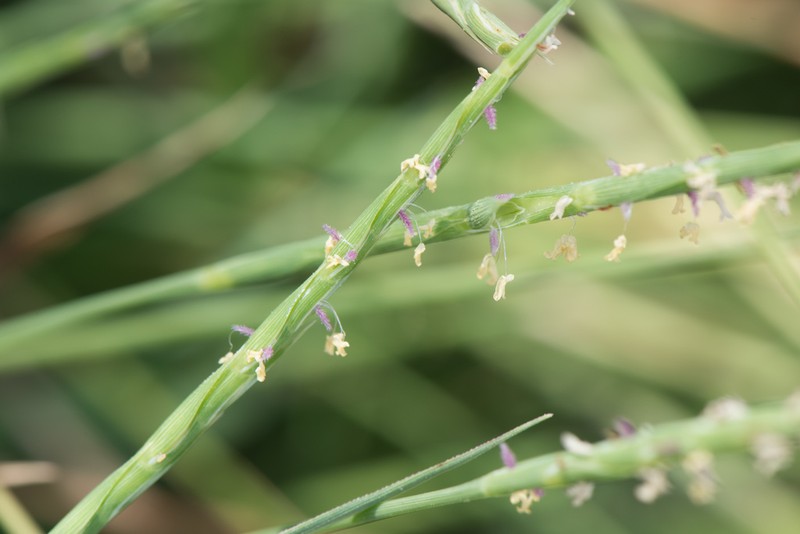
iNaturalist: © naturalistchu (iNaturalist #135246688)
Taxonomy
- Division:
- Magnoliophyta | - Flowering plants
- Family:
- Poaceae
- Genus:
- Lepturus
- Species:
- Lepturus repens
- USDA Symbol:
- LERE
Growth Characteristics
- Life Cycle:
- Perennial
- Growth Habit:
- Graminoid
- Height:
- 60 cm
- Light Requirements:
- Full Sun
- Drought Tolerance:
- High
Garden & Ecology Notes
- Salt Tolerant:
- Yes
Soil Requirements
- Soil Type:
- sandy, saline, well-drained soil
- pH:
- 6.0 - 8.0 (neutral to slightly alkaline)
- Drainage:
- excellent drainage required
- Moisture:
- dry to moderate
- Notes:
- commonly found in coastal regions
Propagation & Germination
Pre-treatment: Seeds are soaked overnight in water. Seeds should be cleaned before they are sown.
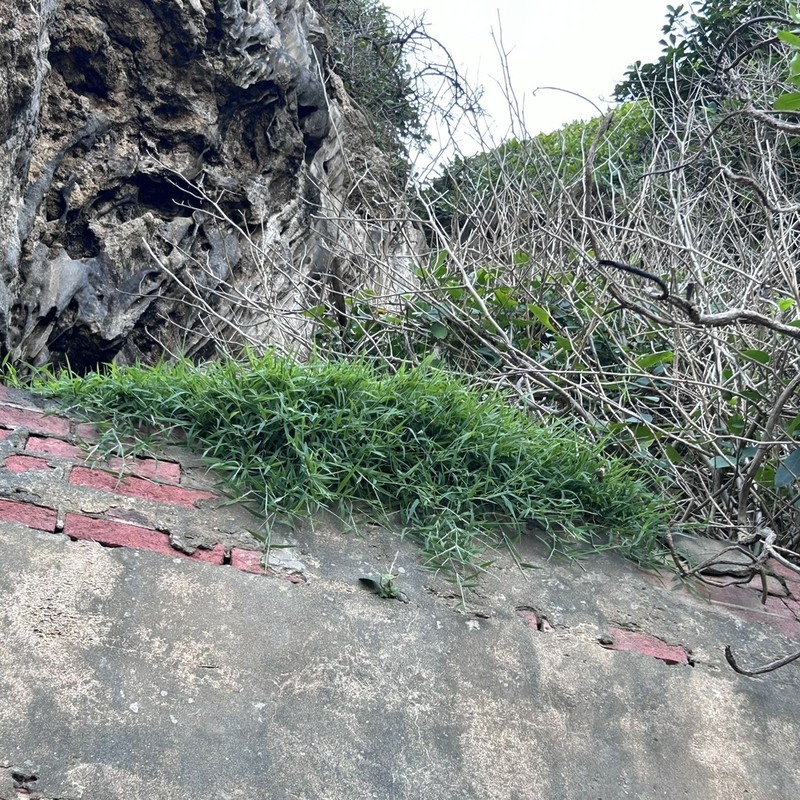
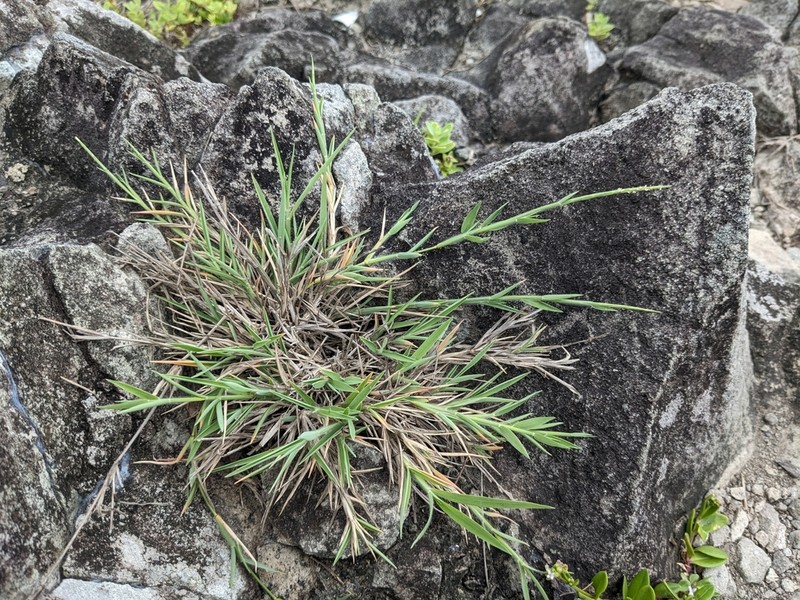
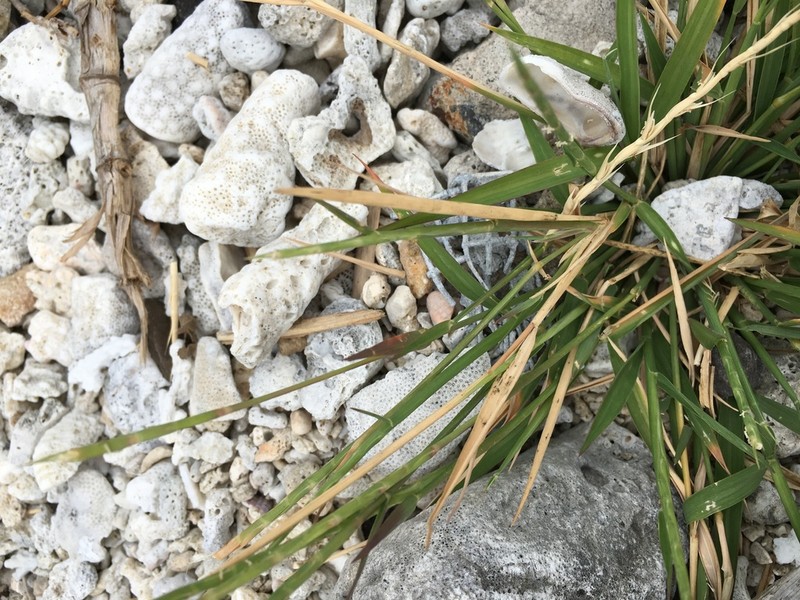
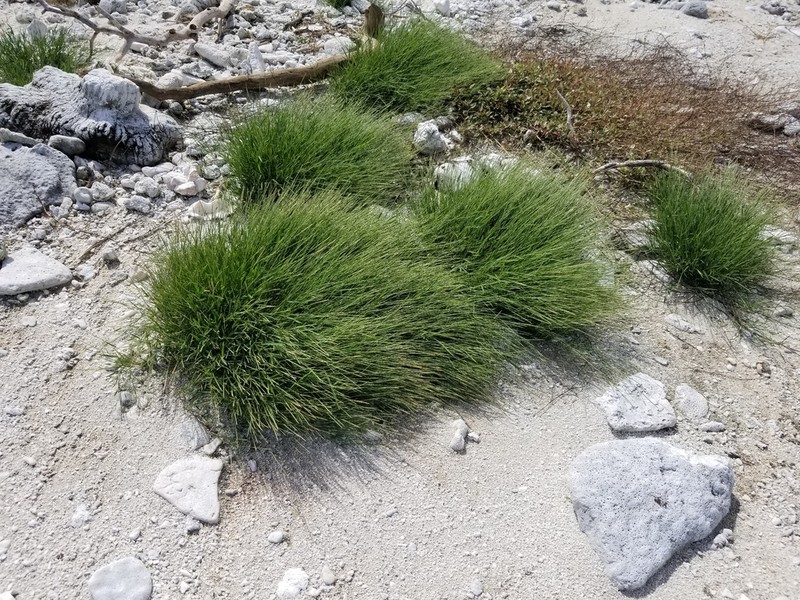
Establishment: This plant is indigenous to Hawai'i and commonly occurs on coastal sands above the high-water mark. It is often the most abundant grass on rocky and sandy shores of atolls and high islands throughout the region.
Source: npn.rngr.net