
Mammoth Wildrye
Leymus racemosus
- Native to:
- Belarus, Bulgaria, China, Greece, Kazakhstan, Kirgizstan, Krym, North Caucasus, Romania, Russia, Transcaucasus, Türkiye, Türkiye-in-Europe, Turkmenistan, Ukraine, Uzbekistan
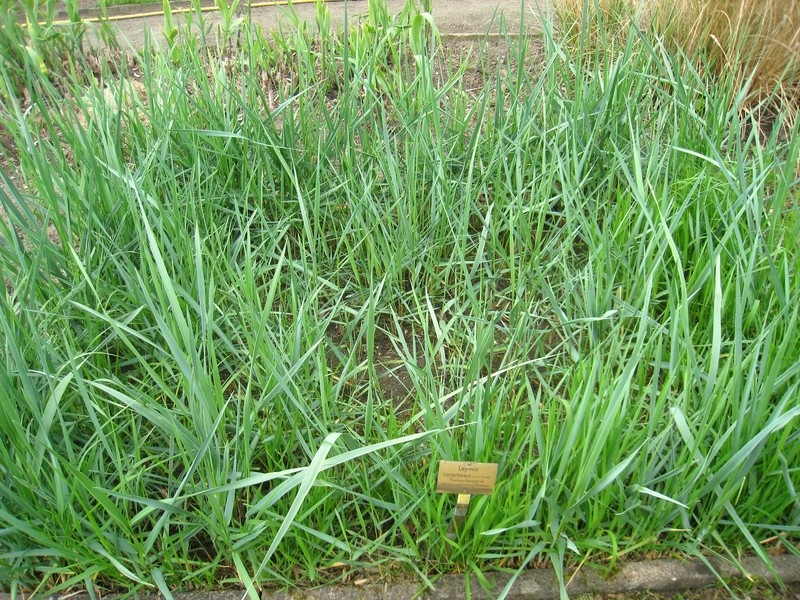
Daderot
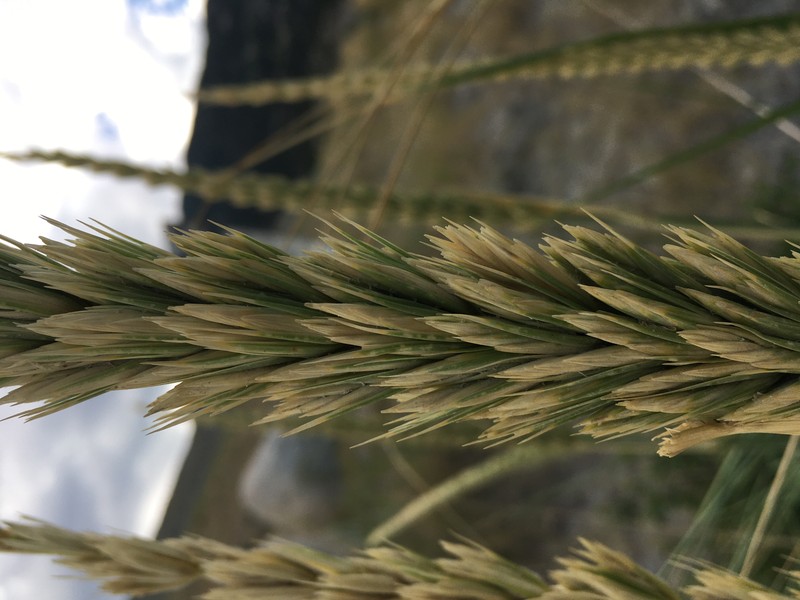
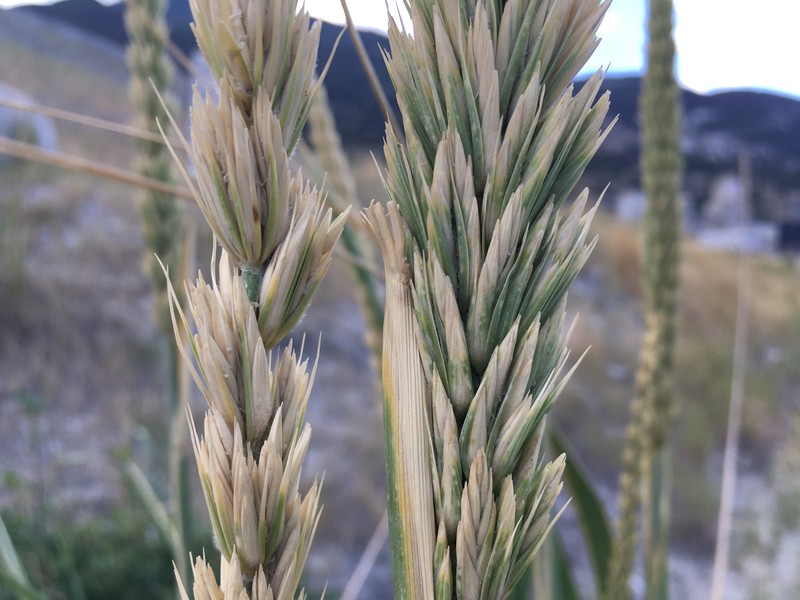
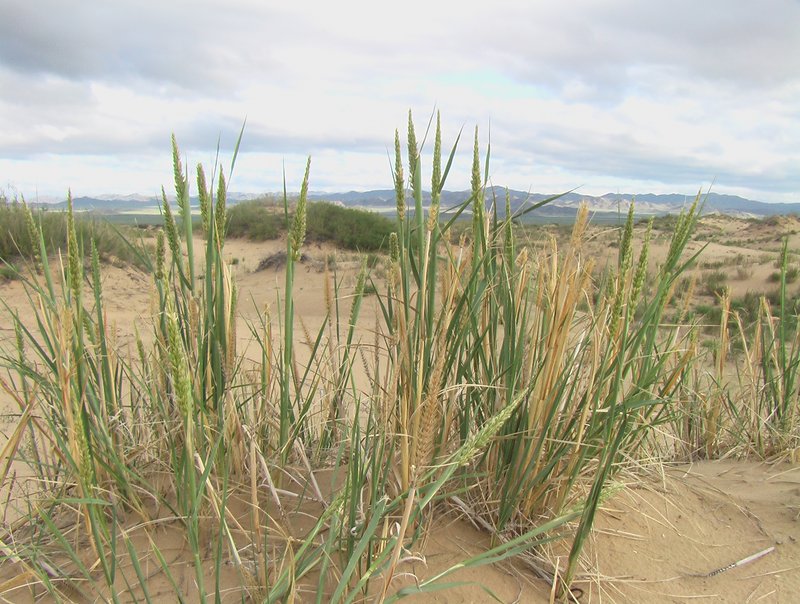
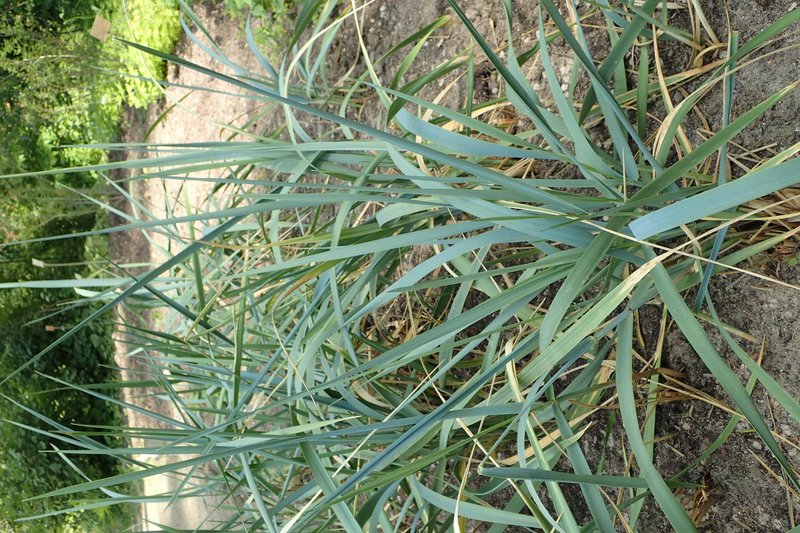
Taxonomy
- Division:
- Magnoliophyta | - Flowering plants
- Family:
- Poaceae
- Genus:
- Leymus
- Species:
- Leymus racemosus
- USDA Symbol:
- LERA5
Growth Characteristics
- Life Cycle:
- Perennial
- Growth Habit:
- Graminoid
- Height:
- 150 cm
- Light Requirements:
- Full Sun
- Drought Tolerance:
- High
Garden & Ecology Notes
- Wildlife Value:
- birds, small mammals
- Deer Resistant:
- Yes
- Salt Tolerant:
- Yes
Soil Requirements
- Soil Type:
- sandy, nutrient-poor, well-drained soil
- pH:
- 6.0 - 8.0 (neutral to slightly alkaline)
- Drainage:
- excellent drainage required
- Moisture:
- dry to moderate
- Notes:
- native to coastal dunes and sandy areas
Propagation & Germination
- Stratification:
- Cold/moist stratification required — 30–60 days
- Germination Time:
- 14–30 days
- Notes:
- Seeds germinate readily after cold stratification; sow in fall or stratify for 4-8 weeks.
Where to Buy
Nationwide Seller
- Native Seed Group (seeds)