
Torpedo Grass
Panicum repens
- Native to:
- Albania, Aldabra, Algeria, Andaman Is., Angola, Australia, Baleares, Bangladesh, Benin, Borneo, Botswana, Burundi, Cambodia, Cameroon, Canary Is., Chad, China, Cocos (Keeling) Is., Congo, Corse, Cyprus, DR Congo, East Aegean Is., Egypt, Ethiopia, France, Gabon, Gambia, Ghana, Greece, Guam, Guinea, Guinea-Bissau, Hainan, India, Iraq, Italy, Ivory Coast, Japan, Jawa, Kenya, Kriti, Laos, Lebanon-Syria, Lesser Sunda Is., Liberia, Libya, Madagascar, Madeira, Malawi, Malaya, Mali, Mauritania, Morocco, Mozambique, Myanmar, Namibia, Nansei-shoto, Nepal, New Guinea, Niger, Nigeria, NW. Balkan Pen., Palau, Palestine, Philippines, Portugal, Rwanda, Sardegna, Senegal, Seychelles, Sicilia, Sierra Leone, South Africa, South China Sea, Spain, Sri Lanka, Sudan-South Sudan, Sulawesi, Sumatera, Taiwan, Tanzania, Thailand, Togo, Tunisia, Türkiye, Uganda, United States, Vietnam, Zambia, Zimbabwe
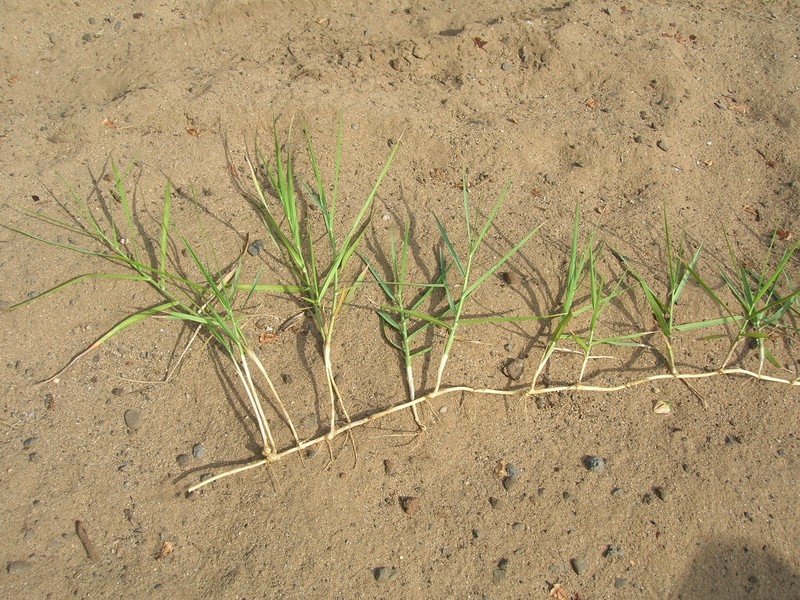
Forest & Kim Starr (www.hear.org)
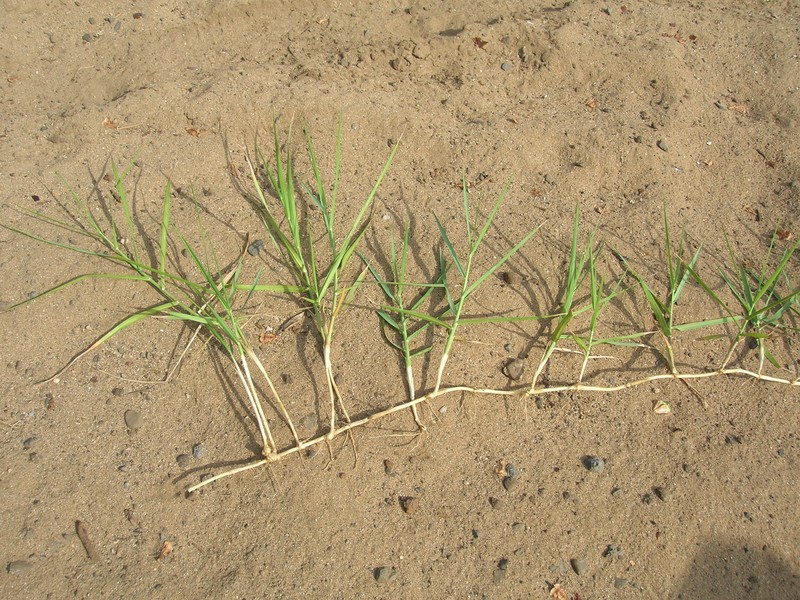
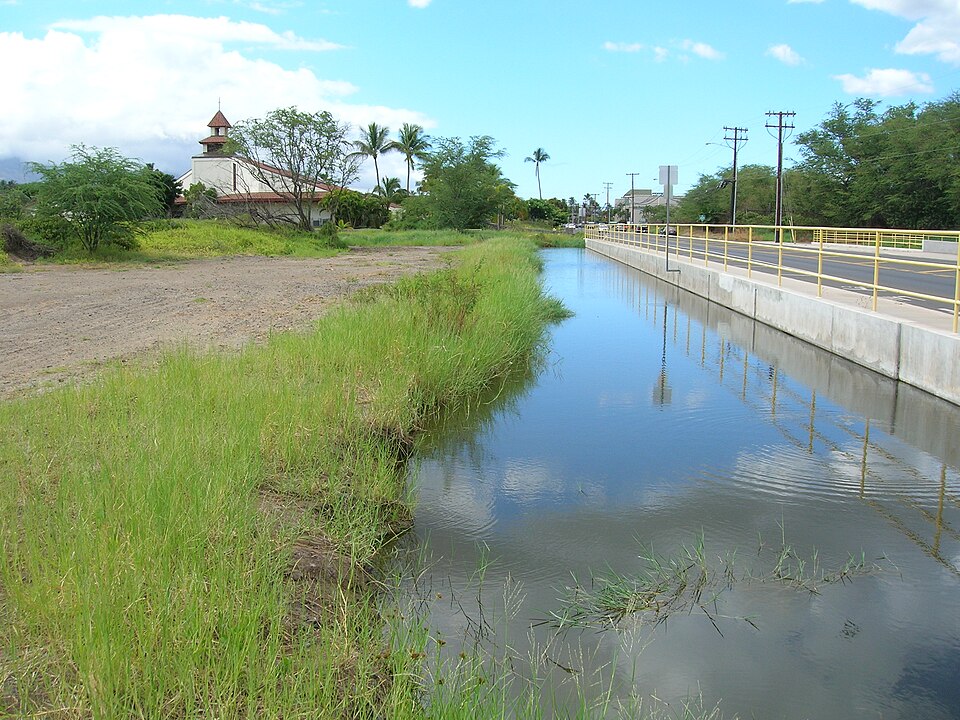
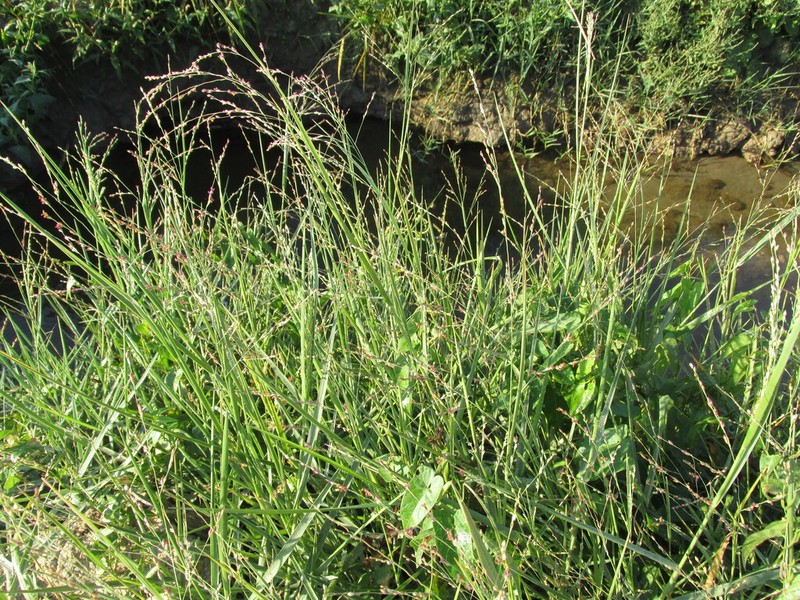
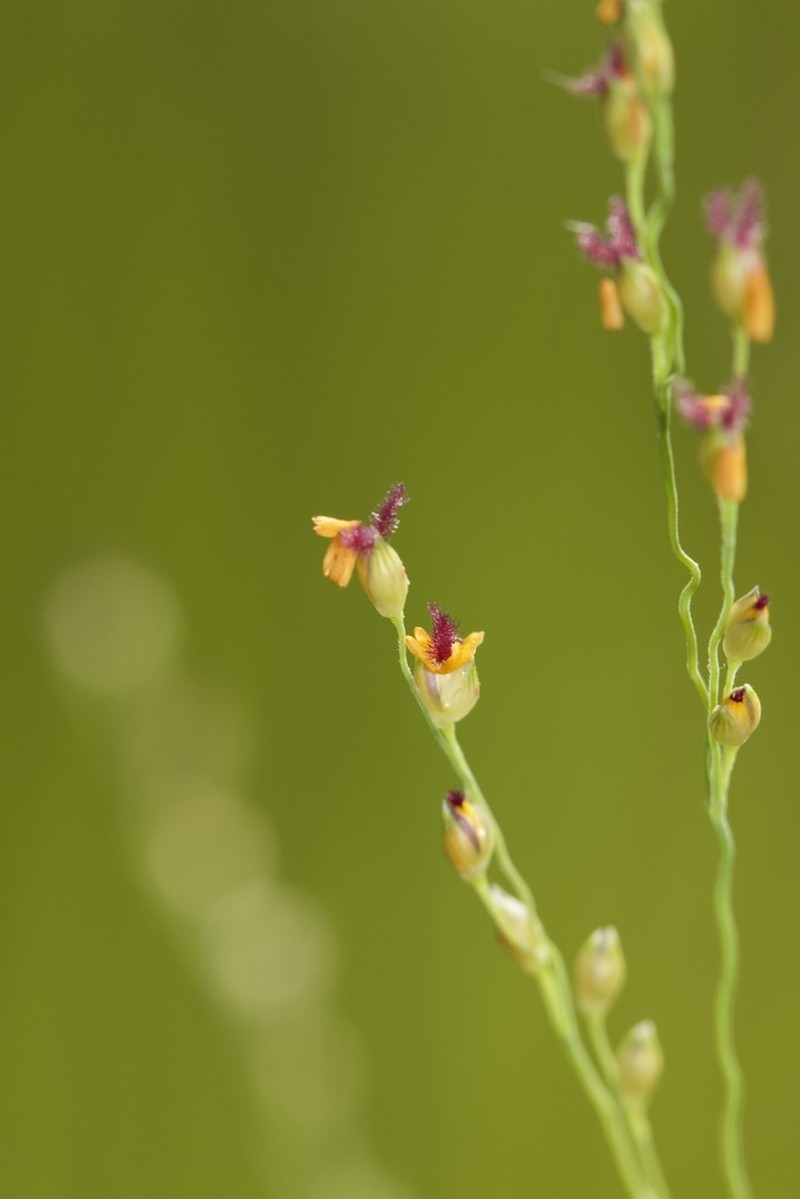
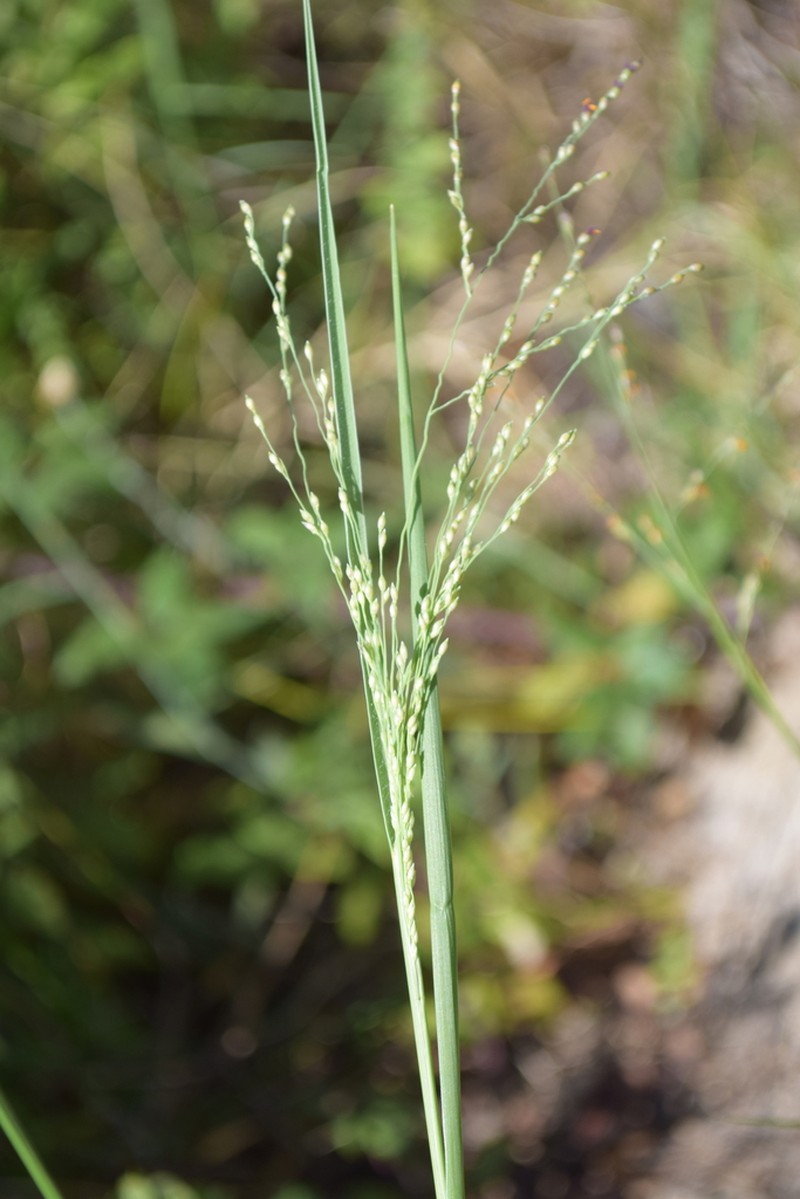
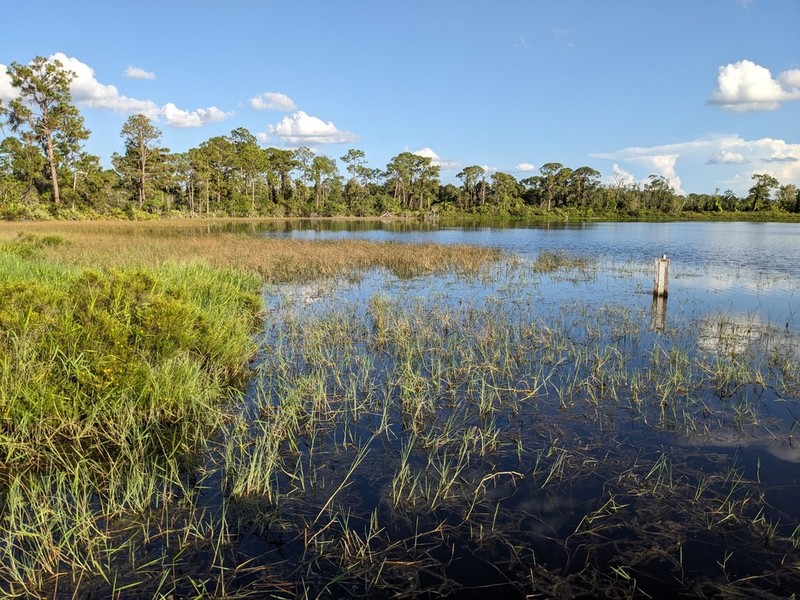
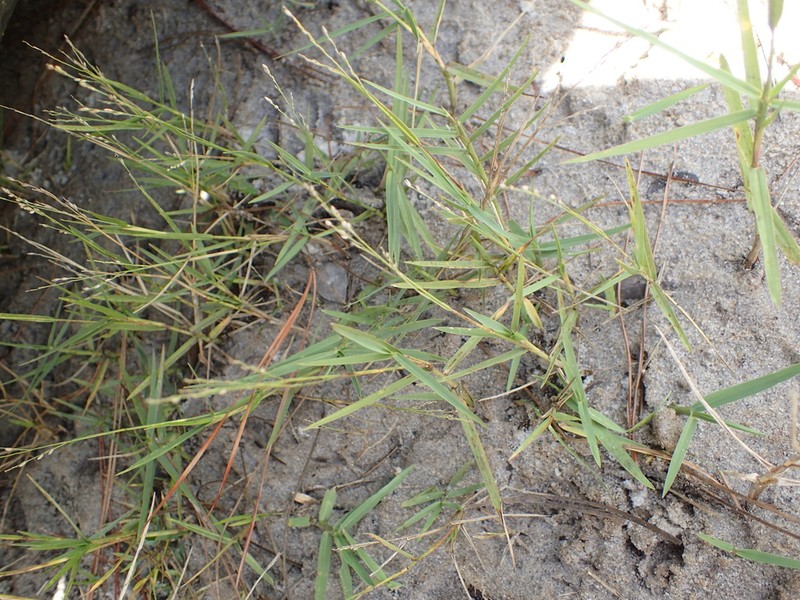
Taxonomy
- Division:
- Magnoliophyta | - Flowering plants
- Family:
- Poaceae
- Genus:
- Panicum
- Species:
- Panicum repens
- USDA Symbol:
- PARE3
Growth Characteristics
- Life Cycle:
- Perennial
- Growth Habit:
- Graminoid
- Height:
- 100 cm
- Light Requirements:
- Full Sun
- Drought Tolerance:
- Low
- Bloom Months:
- jun,jul,aug,sep
- Bloom Colors:
- green, purple
Wildlife Benefits
- Caterpillars:
- ★☆☆☆☆ Recorded caterpillar host plant (HOSTS Database)
Keystone Species Ranking
- Caterpillar Keystone:
- ★★★☆☆ Butterfly & moth species supported by this genus (NWF)
Host Plant for Caterpillars
Ocola Skipper (Panoquina ocola)
Garden & Ecology Notes
- Wildlife Value:
- birds, small mammals
- Salt Tolerant:
- Yes
- Fire Ecology:
- Fire adapted — tolerates or benefits from fire
- Fire Notes:
- Rhizomes survive fire and resprout vigorously; fire can promote spread.
Soil Requirements
- Soil Type:
- moist, fertile, sandy loam
- pH:
- 5.5 - 7.5 (slightly acidic to neutral)
- Drainage:
- tolerates poor drainage
- Moisture:
- consistently moist
- Notes:
- Common in wetland and riparian zones