
Reed Canarygrass
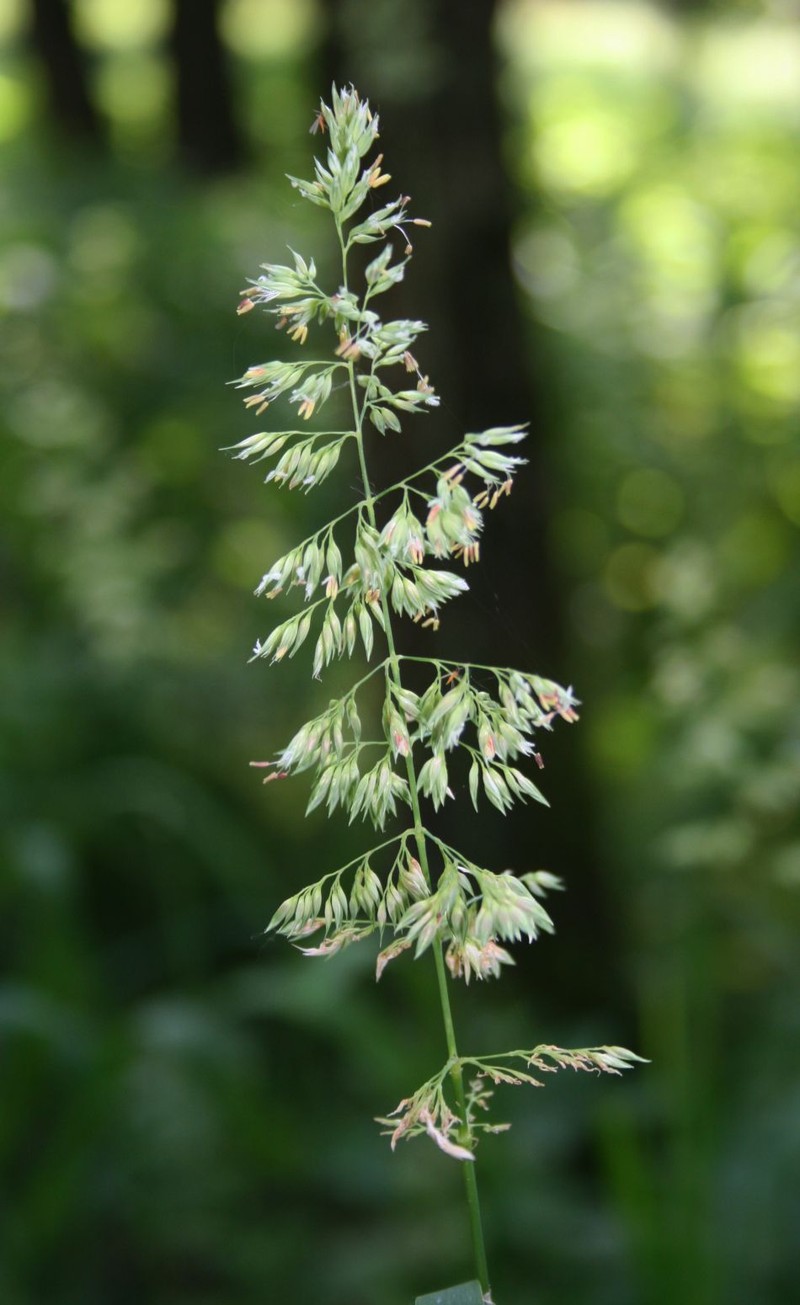
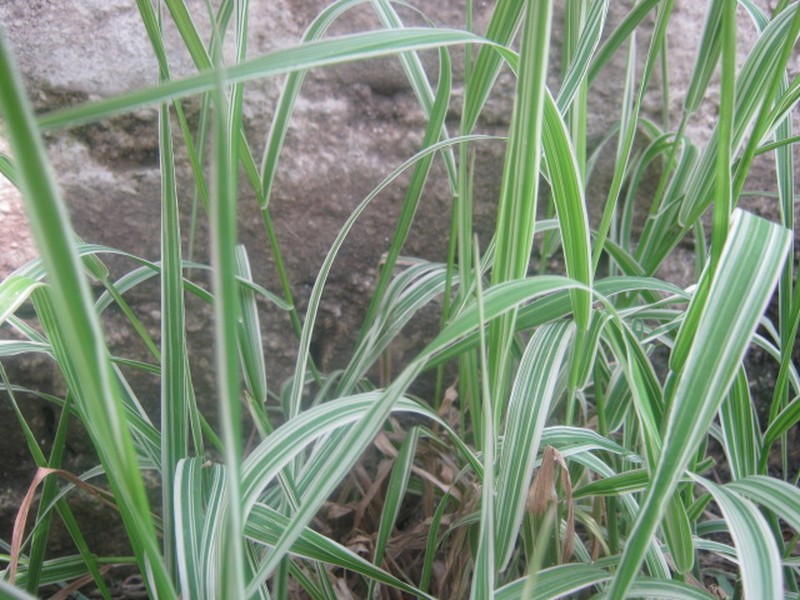
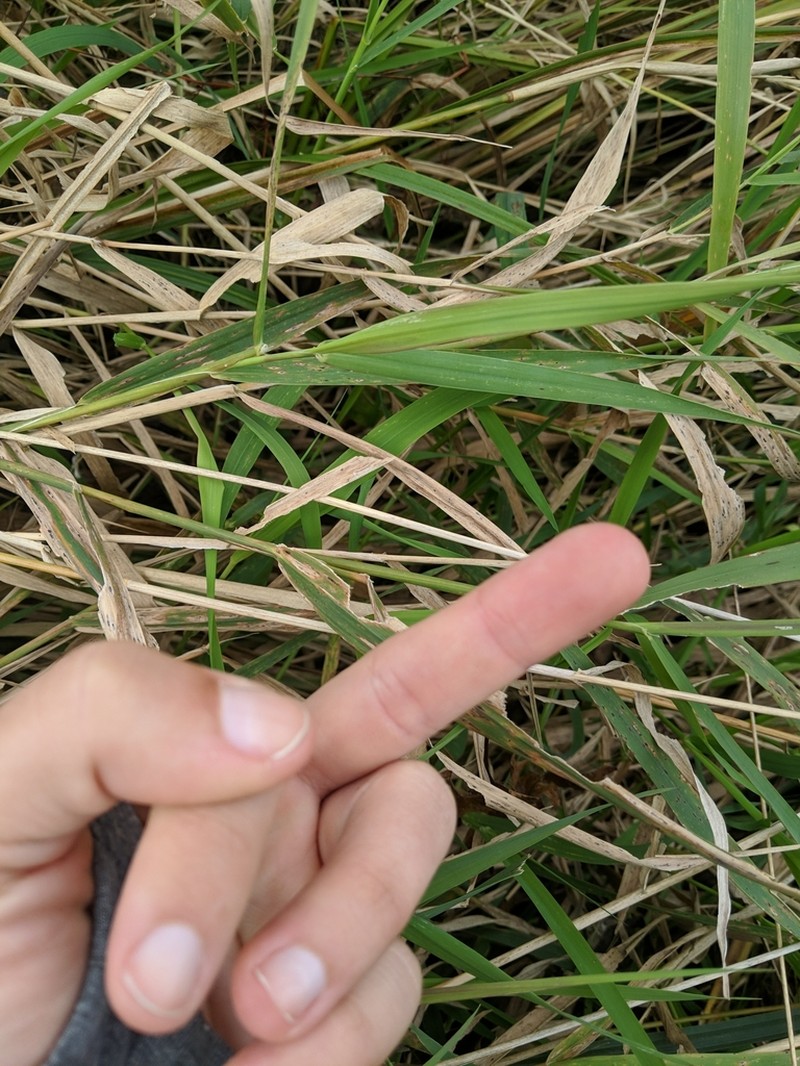
Phalaris arundinacea
- Native to:
- Afghanistan, Albania, Austria, Baltic States, Belarus, Belgium, Bulgaria, Canada, China, Corse, Czechia-Slovakia, Denmark, Ethiopia, Finland, Føroyar, France, Germany, Great Britain, Greece, Hungary, India, Iran, Iraq, Ireland, Italy, Japan, Kazakhstan, Kenya, Kirgizstan, Korea, Krym, Kuril Is., Lebanon-Syria, Madagascar, Mexico, Myanmar, Nepal, Netherlands, North Caucasus, Norway, NW. Balkan Pen., Pakistan, Poland, Portugal, Prince Edward I., Romania, Russia, Rwanda, Sardegna, Spain, Sri Lanka, Sweden, Switzerland, Tadzhikistan, Taiwan, Tanzania, Transcaucasus, Türkiye, Türkiye-in-Europe, Ukraine, United States, Uzbekistan, Vietnam, Virgin Islands
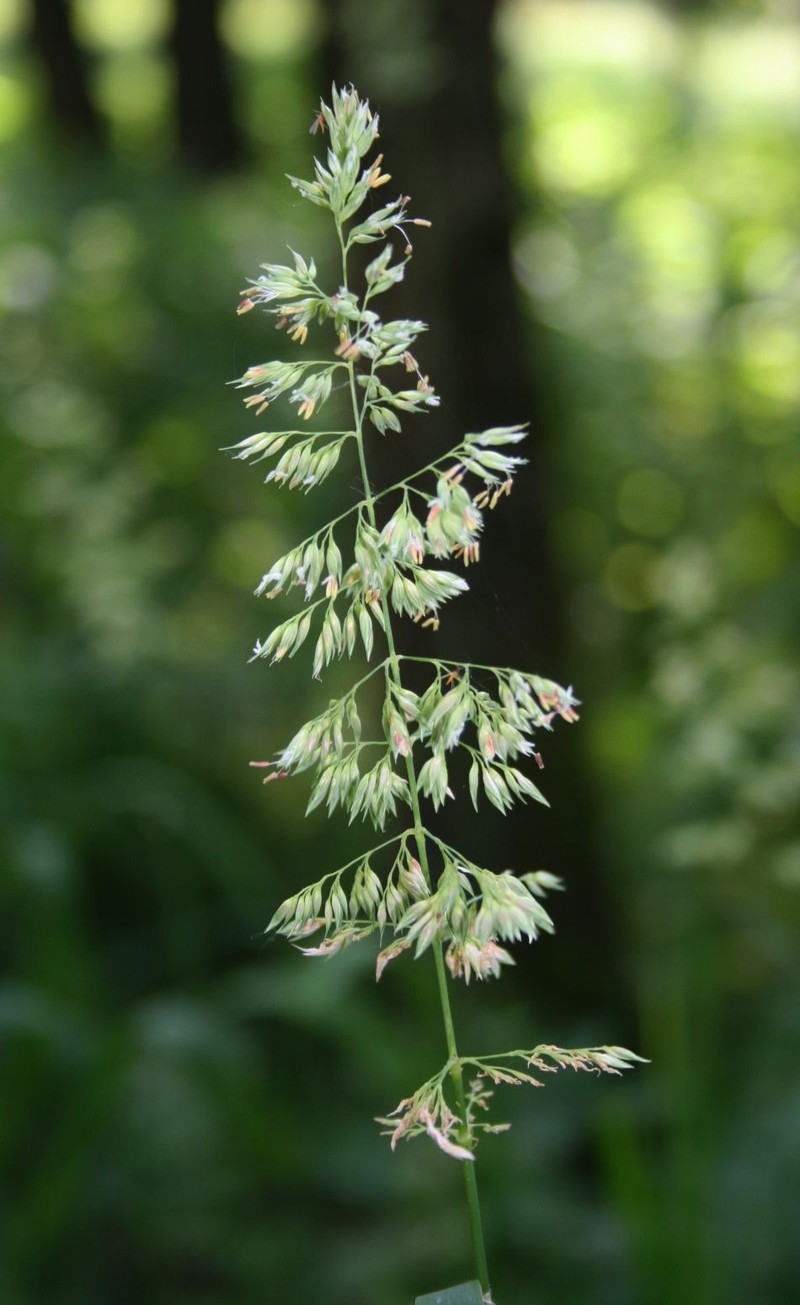
Franz Xaver
Taxonomy
- Division:
- Magnoliophyta | - Flowering plants
- Family:
- Poaceae
- Genus:
- Phalaris
- Species:
- Phalaris arundinacea
- USDA Symbol:
- PHAR3
Growth Characteristics
- Life Cycle:
- Perennial
- Growth Habit:
- Graminoid
- Height:
- 200 cm
- Light Requirements:
- Full Sun
- Drought Tolerance:
- Low
- Bloom Months:
- jun,jul,aug
- Bloom Colors:
- green, purple
Wildlife Benefits
- Bees:
- ★☆☆☆☆ Documented bee visitation (GBIF)
- Butterflies & Moths:
- ★★★★★ Documented Lepidoptera association (GBIF)
- Caterpillars:
- ★☆☆☆☆ Recorded caterpillar host plant (HOSTS Database)
Host Plant for Caterpillars
Burdock Borer (Papaipema cataphracta), Xylomoia chagnoni, Chryxus Arctic (Oeneis chryxus), Northern Pearly-Eye (Enodia anthedon)
Garden & Ecology Notes
- Wildlife Value:
- birds, small mammals
- Salt Tolerant:
- Yes
- Fire Ecology:
- Fire adapted — tolerates or benefits from fire
- Fire Notes:
- Can resprout from rhizomes after fire; fire may reduce litter and promote seedling establishment.
Soil Requirements
- Soil Type:
- fertile, moisture-retentive loam
- pH:
- 5.5 - 7.5 (slightly acidic to neutral)
- Drainage:
- tolerates poor drainage
- Moisture:
- consistently moist
- Notes:
- Commonly found in wetlands and along riverbanks
Propagation & Germination
- Stratification:
- Cold/moist stratification required — 30–60 days
- Germination Time:
- 14–30 days
- Notes:
- Seeds germinate readily after cold stratification; light may improve germination.
Pre-treatment: Single-step cold-moist stratification for temperate woodland species. for 60–120 days
Source: Claude AI
Where to Buy
Nationwide Seller
- Native Seed Group (seeds)