
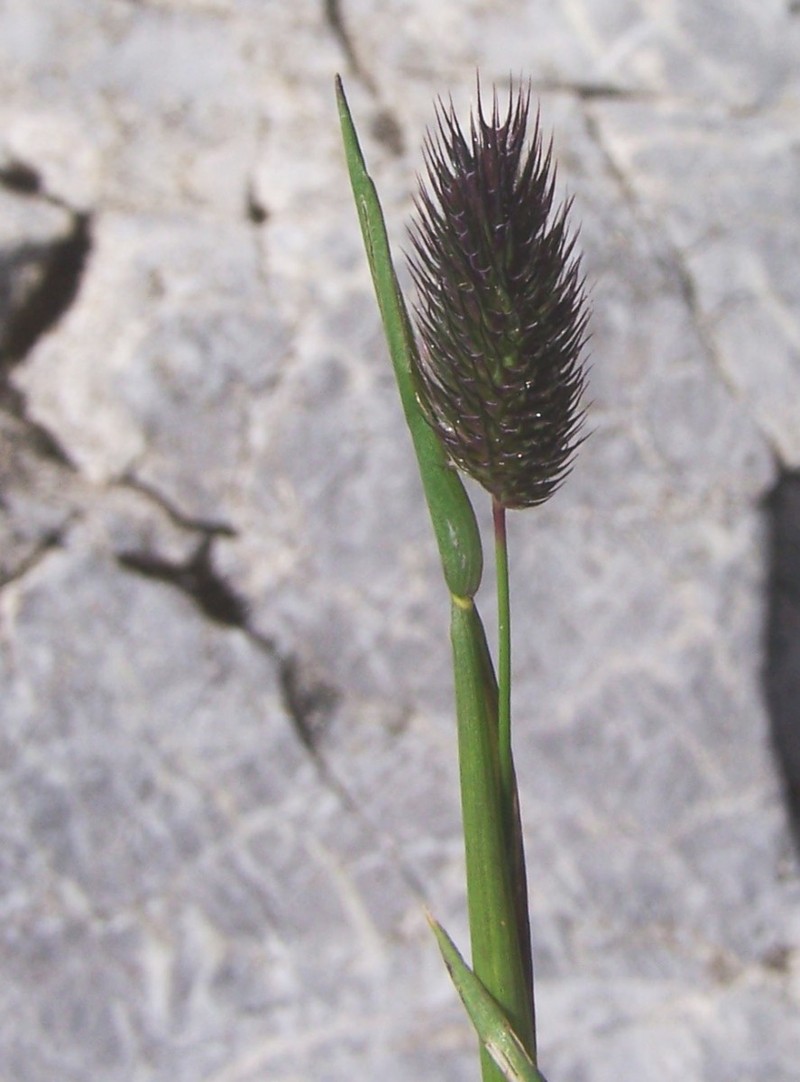
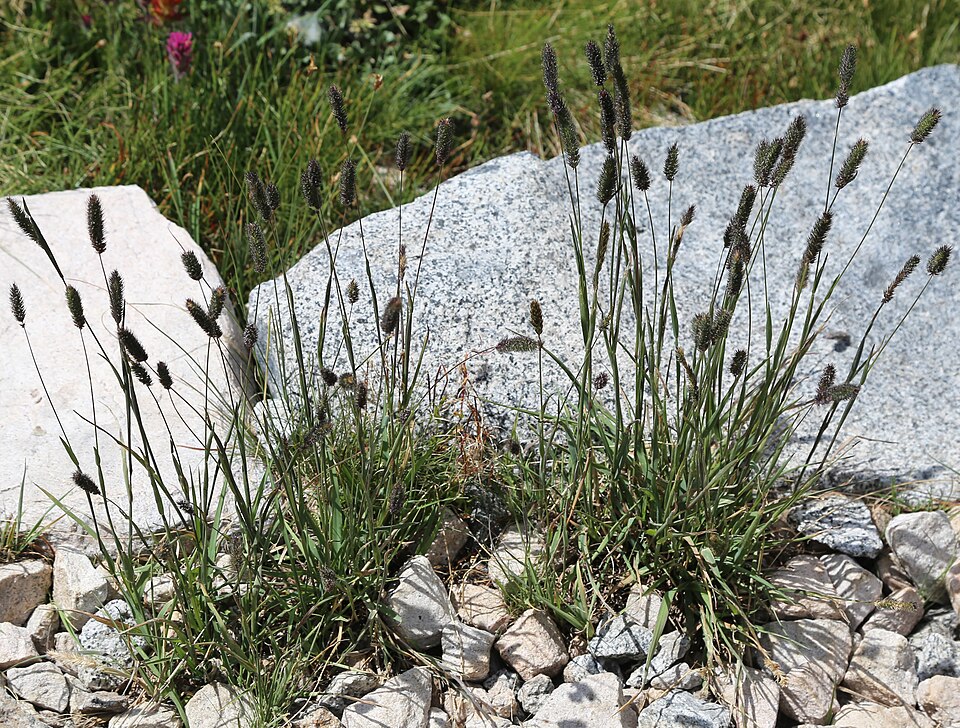
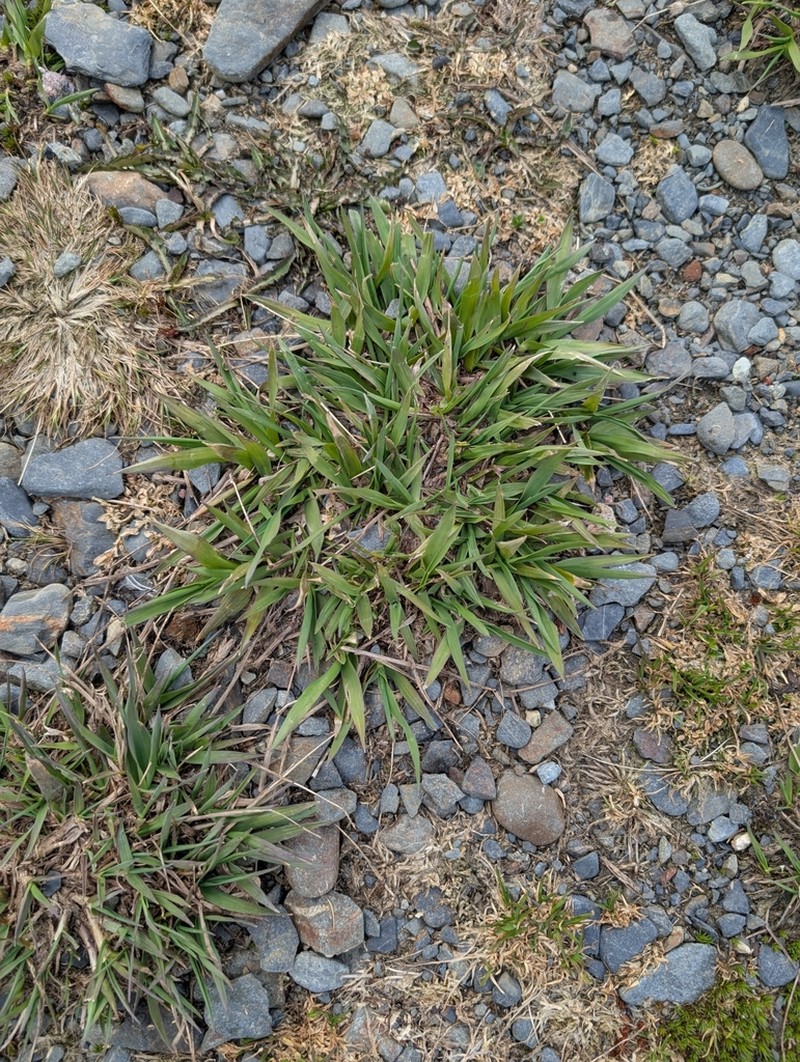
Alpine Timothy
Phleum alpinum
- Native to:
- Afghanistan, Albania, Aleutian Is., Argentina, Austria, Bulgaria, Canada, Chile, China, Czechia-Slovakia, Finland, Føroyar, France, Germany, Great Britain, Greece, Greenland, Guam, Guatemala, Iceland, India, Iran, Iraq, Italy, Japan, Kazakhstan, Kirgizstan, Korea, Kuril Is., Labrador, Lebanon-Syria, Mexico, Nepal, North Caucasus, Norway, NW. Balkan Pen., Pakistan, Poland, Romania, Russia, South Georgia, Spain, Sweden, Switzerland, Tadzhikistan, Taiwan, Transcaucasus, Türkiye, Ukraine, United States, Uzbekistan
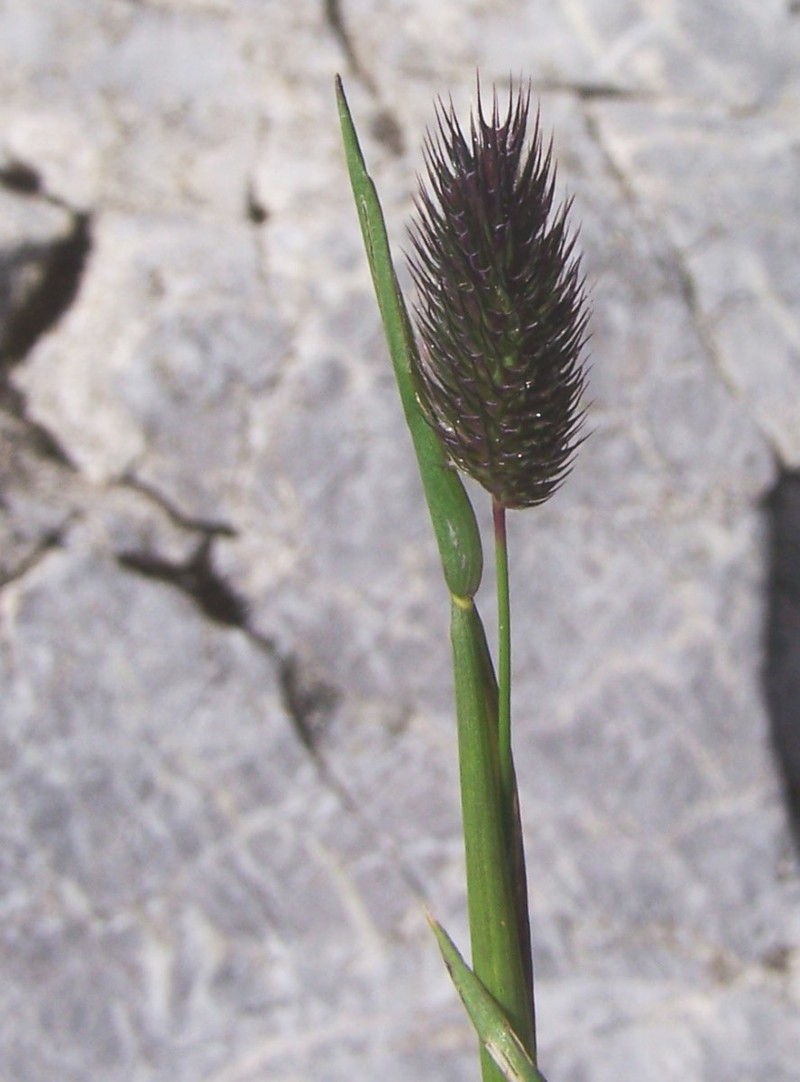
Jerzy Opioła
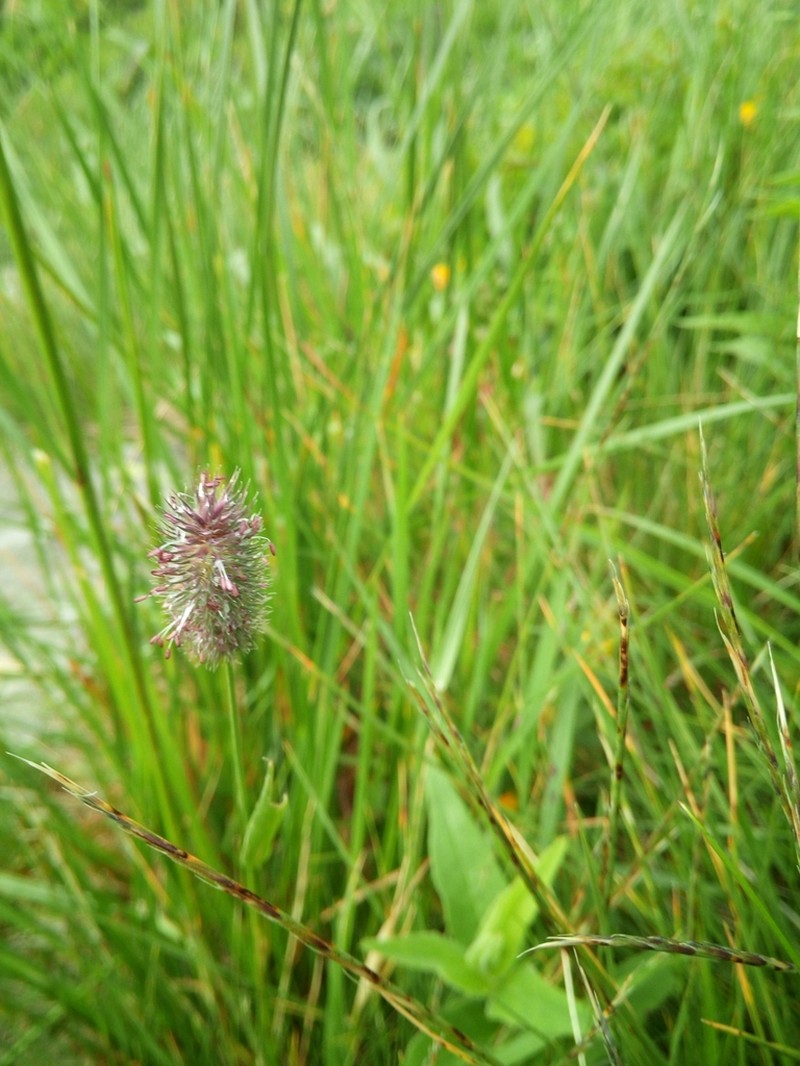
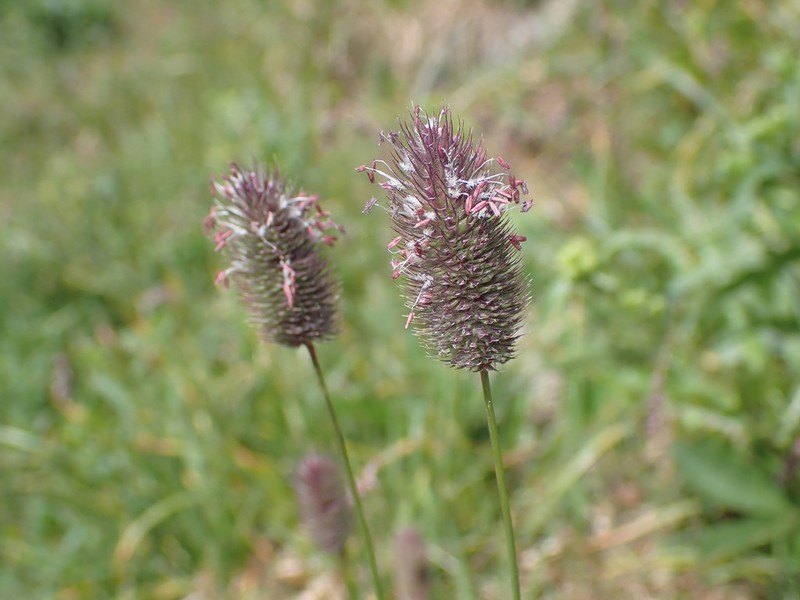
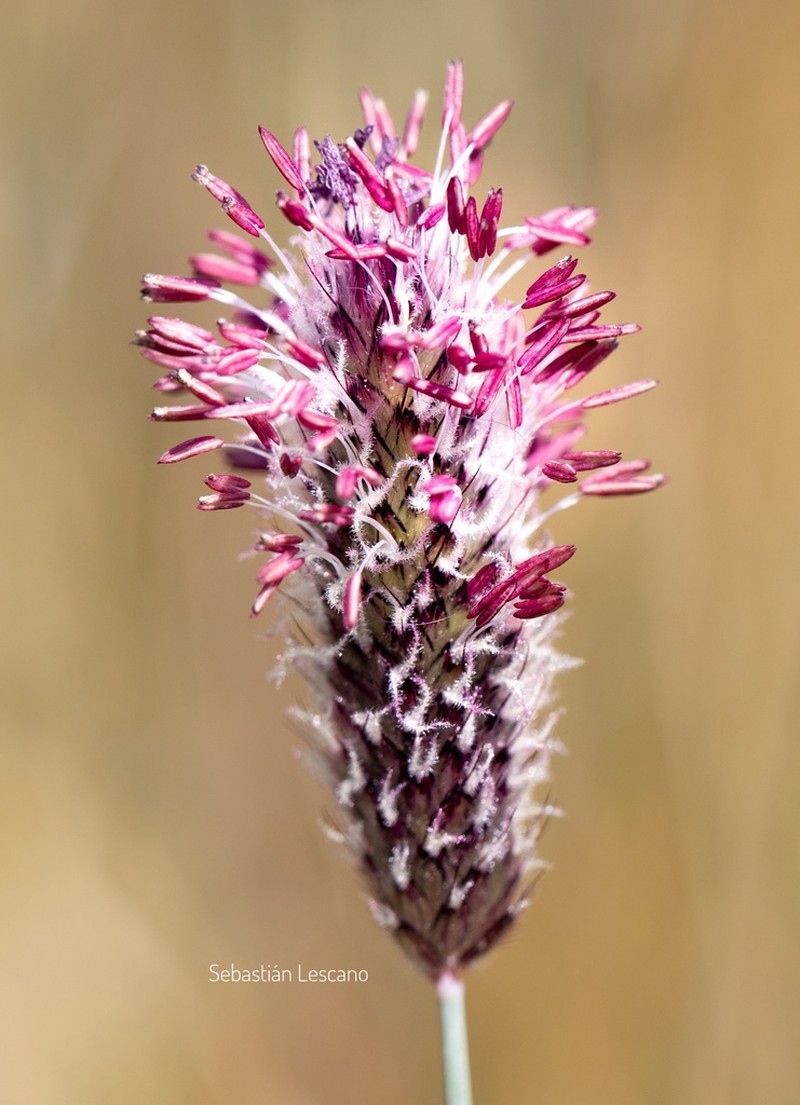
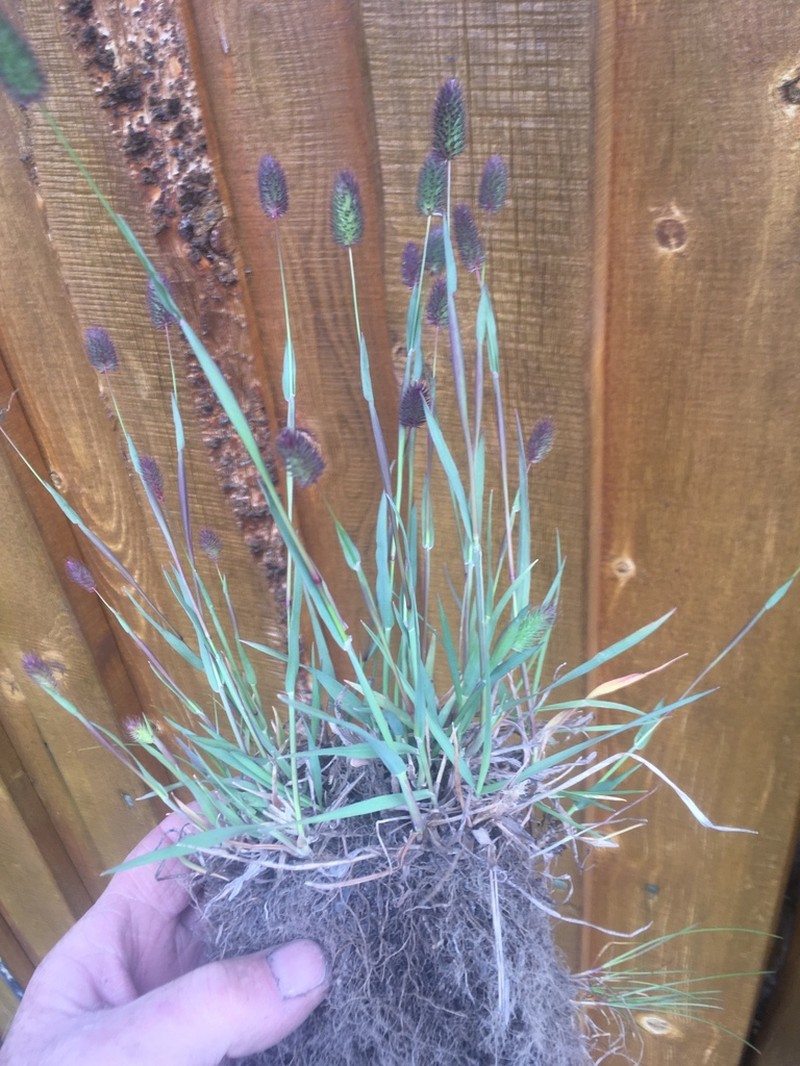
Taxonomy
- Division:
- Magnoliophyta | - Flowering plants
- Family:
- Poaceae
- Genus:
- Phleum
- Species:
- Phleum alpinum
- USDA Symbol:
- PHAL2
Growth Characteristics
- Life Cycle:
- Perennial
- Growth Habit:
- Graminoid
- Height:
- 60 cm
- Light Requirements:
- Full Sun
- Drought Tolerance:
- Low
- Bloom Months:
- jun,jul,aug
- Bloom Colors:
- greenish, purple
Garden & Ecology Notes
- Wildlife Value:
- birds, small mammals
Soil Requirements
- Soil Type:
- moist, well-drained, fertile soil
- pH:
- 5.5 - 7.5 (slightly acidic to neutral)
- Drainage:
- tolerates poor drainage
- Moisture:
- consistently moist
- Notes:
- Common in alpine meadows and tundra regions
Propagation & Germination
- Stratification:
- Cold/moist stratification required — 30–60 days
- Germination Time:
- 14–28 days
- Notes:
- Seeds germinate readily after cold stratification; surface sow and keep moist.
Pre-treatment: Germination occurs at 22 C and 17/12 C alternating temperature cycle. 5 month outdoor cold, moist stratification can be used, but is not required. Alternatively, a 7-day prechill for seed testing can be used, or seeds can be direct-sown into field in early April.
Establishment: Seeds are collected from mature inflorescences in late August when florets turn tan. Seeds are light tan at maturity. Hand held sickles are used to cut stalks. Seeds are spread on a tarp in a drying shed and turned twice a day prior to cleaning. Ripened seed is retained for a short time on plants before shattering. Seed ripens in September in collection zone. Note: There is little to no seed production during the first year of establishment.
Source: npn.rngr.net
Where to Buy
Nationwide Seller
- Native Seed Group (seeds)