
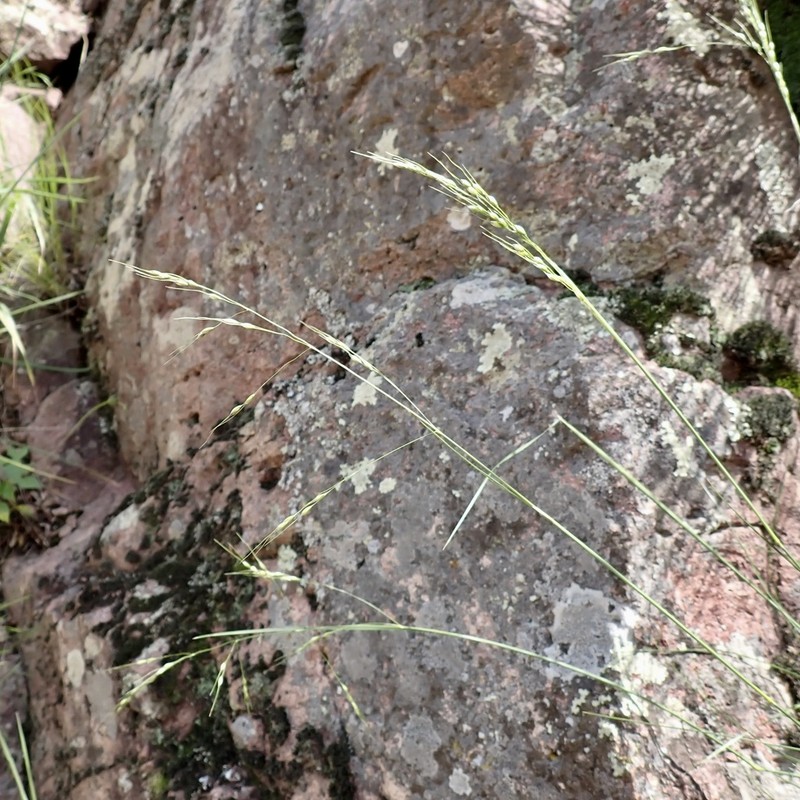
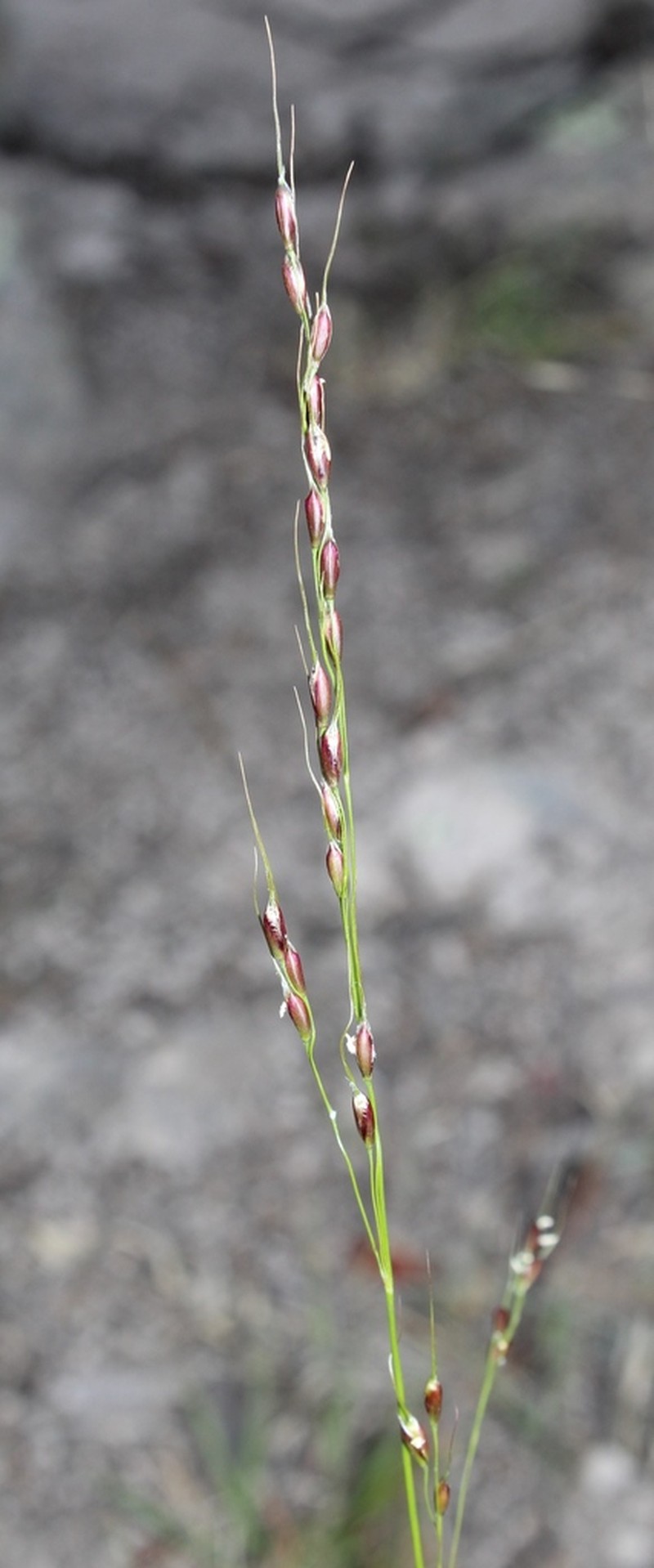
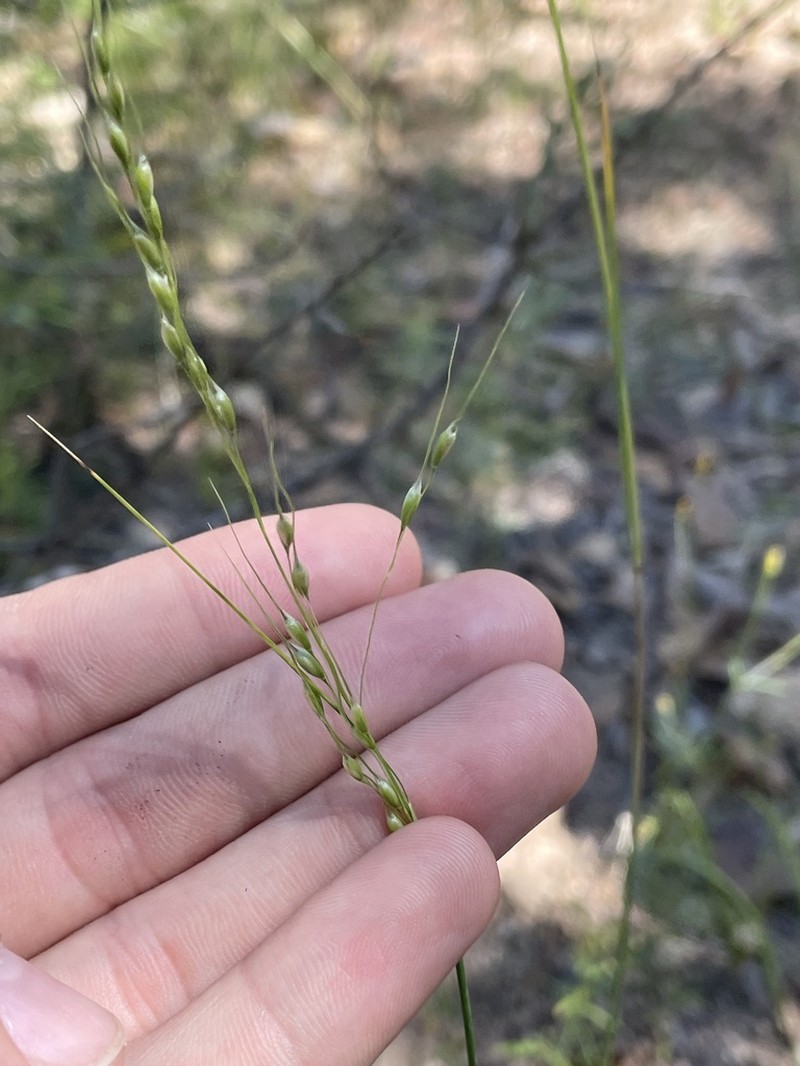
Pinyon Ricegrass
Piptochaetium fimbriatum
- Native to:
- Mexico, United States
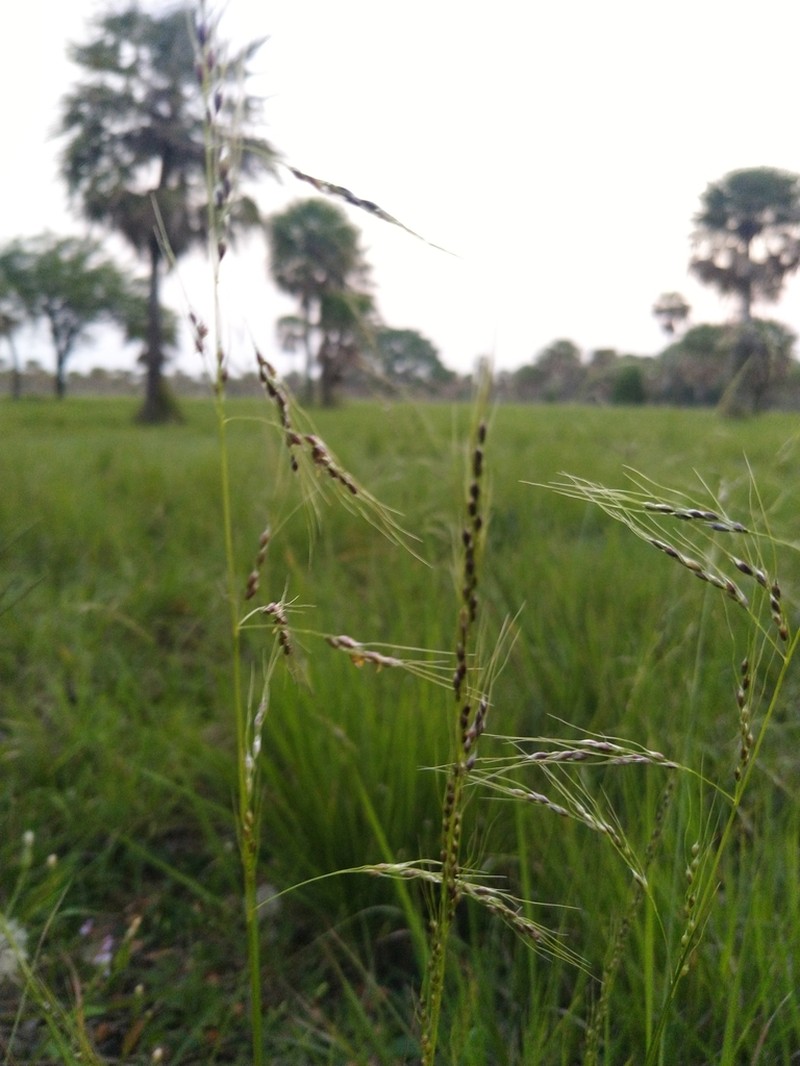
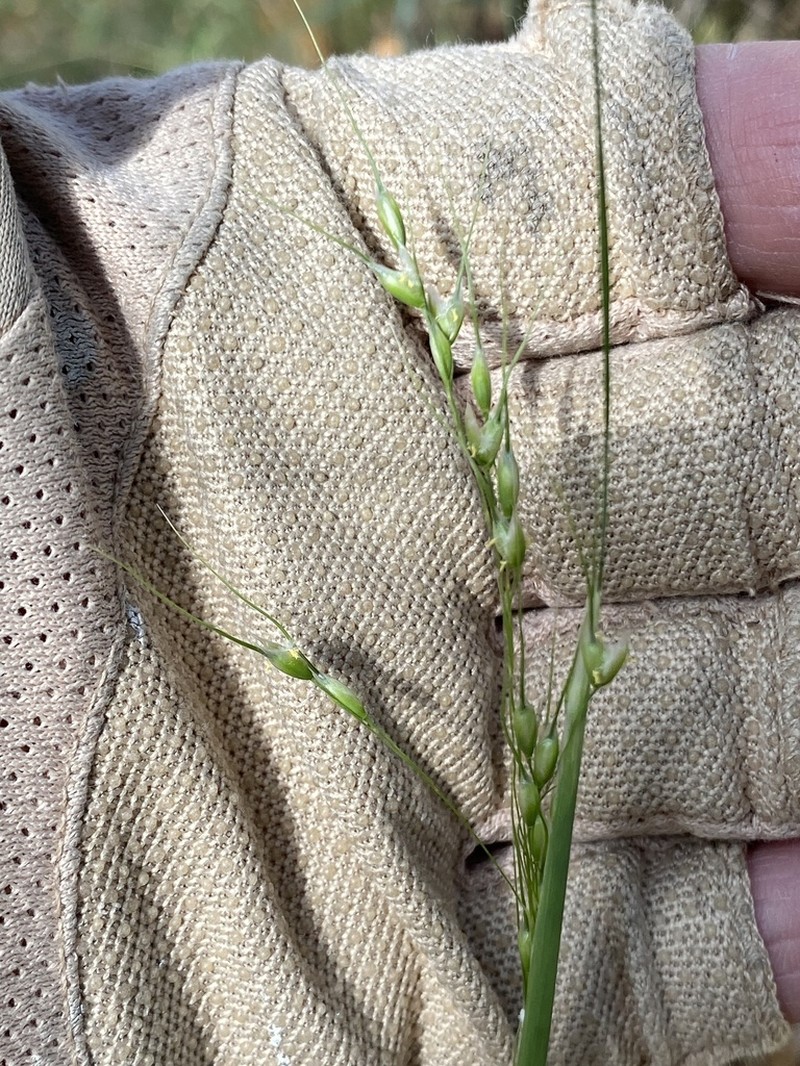
iNaturalist: © patriciocowpercoles (iNaturalist #96768277)

Taxonomy
- Division:
- Magnoliophyta | - Flowering plants
- Family:
- Poaceae
- Genus:
- Piptochaetium
- Species:
- Piptochaetium fimbriatum
- USDA Symbol:
- PIFI
Growth Characteristics
- Life Cycle:
- Perennial
- Growth Habit:
- Graminoid
- Height:
- 100 cm
- Light Requirements:
- Full Sun
- Drought Tolerance:
- High
- Bloom Months:
- apr,may,jun
- Bloom Colors:
- purple, brown
- Lawn Substitute:
- Yes
Garden & Ecology Notes
- Wildlife Value:
- birds, small mammals
- Deer Resistant:
- Yes
- Fire Ecology:
- Fire adapted — tolerates or benefits from fire
- Fire Notes:
- Resprouts after fire; benefits from occasional fire to reduce thatch and promote seedling establishment.
Soil Requirements
- Soil Type:
- well-drained, sandy or rocky soil
- pH:
- 6.0 - 7.5 (slightly acidic to neutral)
- Drainage:
- excellent drainage required
- Moisture:
- dry to moderate
Propagation & Germination
- Stratification:
- Cold/moist stratification required — 30–60 days
- Germination Time:
- 14–30 days
- Notes:
- Seeds germinate readily after cold stratification; sow in fall or stratify for 30-60 days.
Pre-treatment: None required
Establishment: The plant is found in shaded areas in oak and piñon woodlands from the southwestern US into Mexico, at altitudes of 4000-7000ft. It is a cool-season grass and may be a late successional species. It is important forage for deer and cattle, and Montezuma Quail often use it as nest material.
Source: npn.rngr.net