
Wild Sugarcane
Saccharum spontaneum
- Native to:
- Afghanistan, Algeria, Andaman Is., Australia, Bangladesh, Bismarck Archipelago, Burkina, Cambodia, Cameroon, Central African Republic, Chad, China, Egypt, Eritrea, Ethiopia, Ghana, Guam, Gulf States, Hainan, India, Japan, Jawa, Kazakhstan, Kenya, Kirgizstan, Korea, Laos, Lebanon-Syria, Lesser Sunda Is., Libya, Malawi, Malaya, Maluku, Morocco, Myanmar, Nansei-shoto, Nepal, New Guinea, Nicobar Is., Niger, Nigeria, Oman, Pakistan, Palau, Palestine, Philippines, Saudi Arabia, Seychelles, Sicilia, Sinai, Solomon Is., Somalia, Sri Lanka, Sudan-South Sudan, Sumatera, Tadzhikistan, Taiwan, Tanzania, Thailand, Togo, Tunisia, Turkmenistan, Uganda, United States, Uzbekistan, Vietnam, Yemen
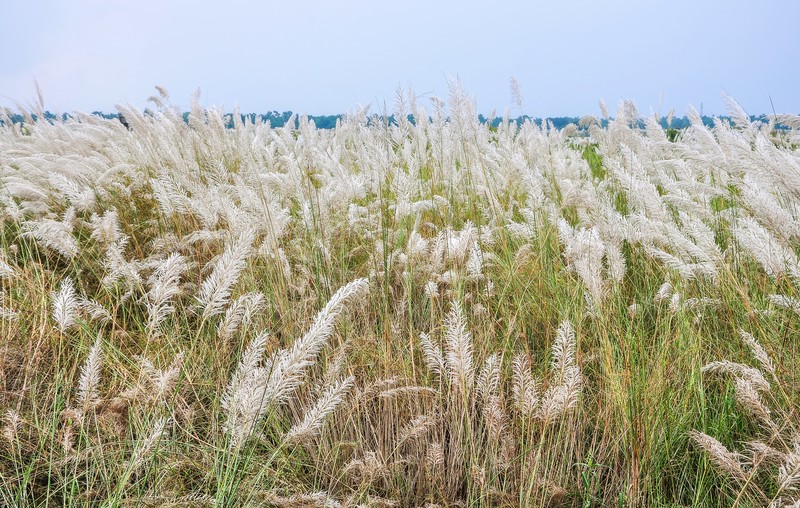
Joydeep
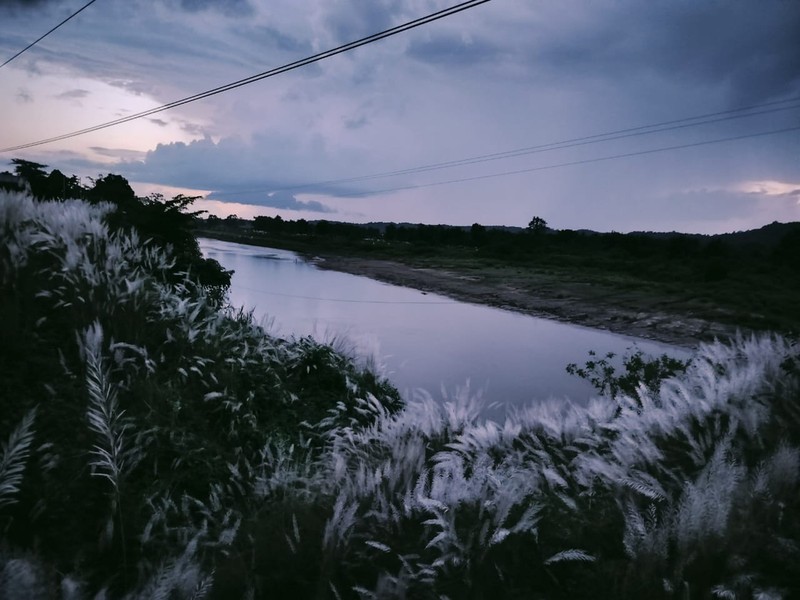
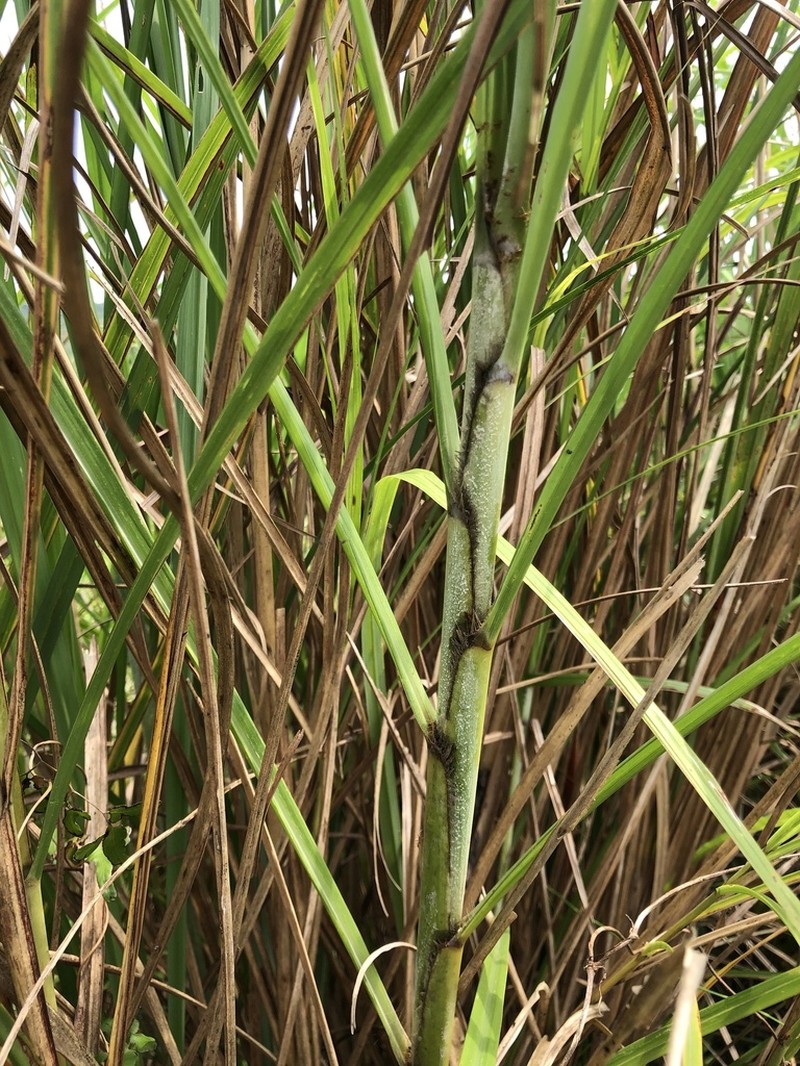
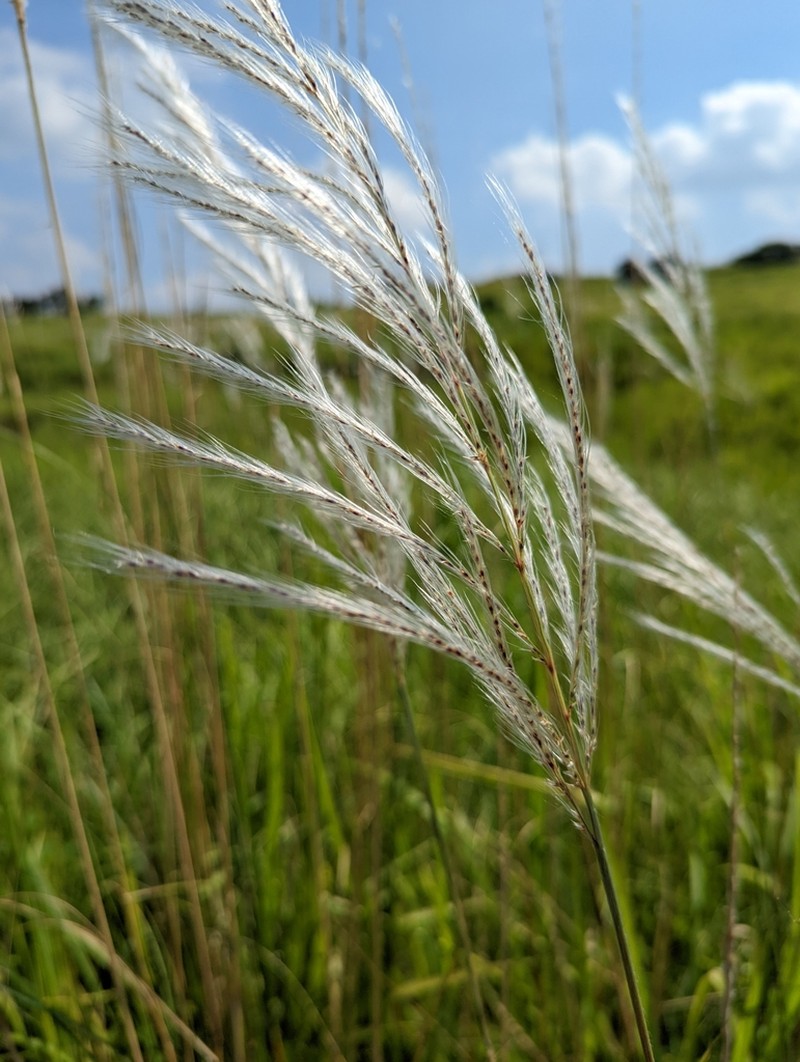
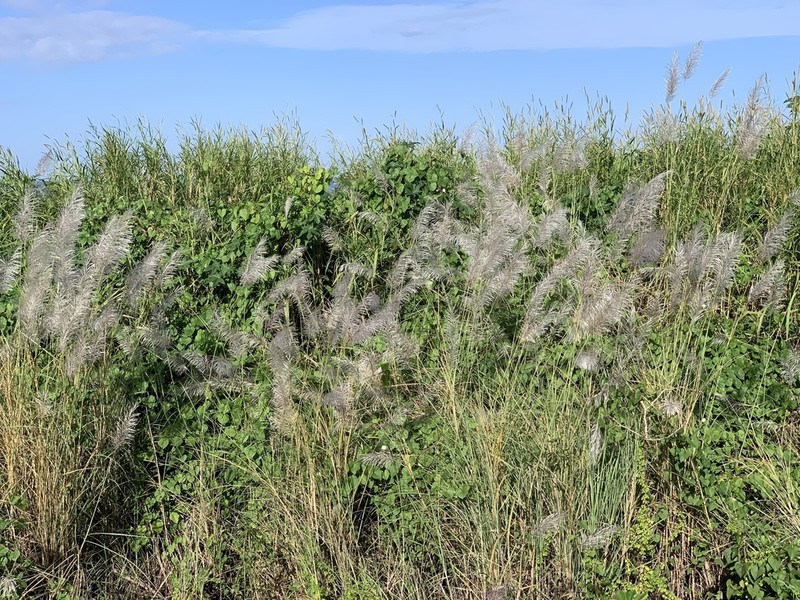
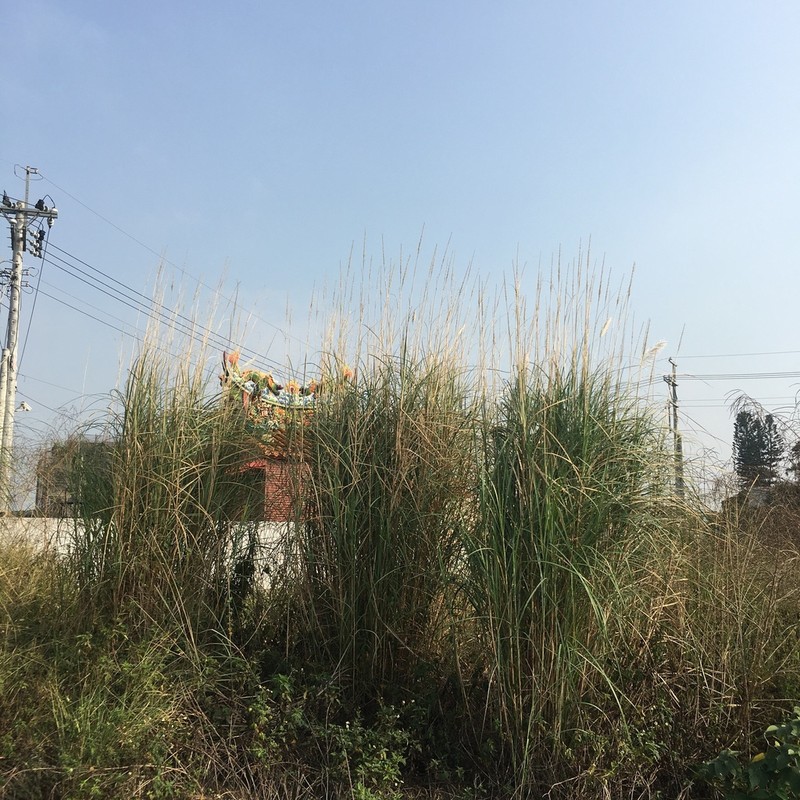
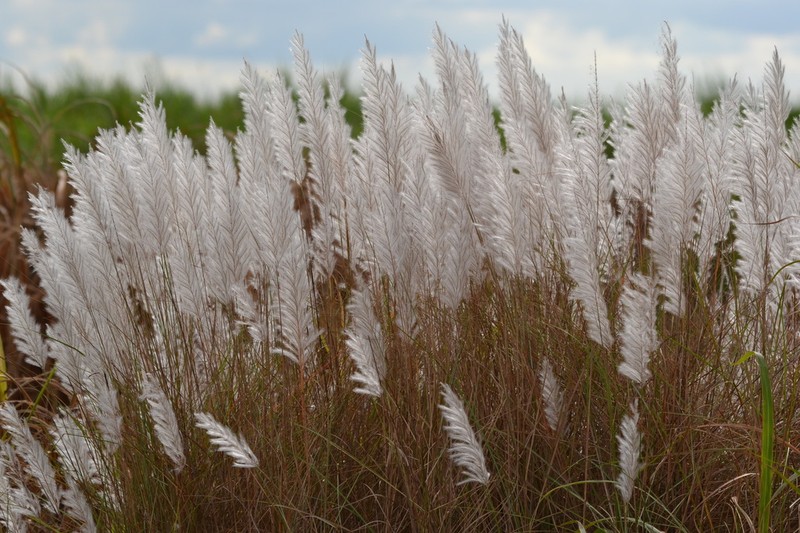
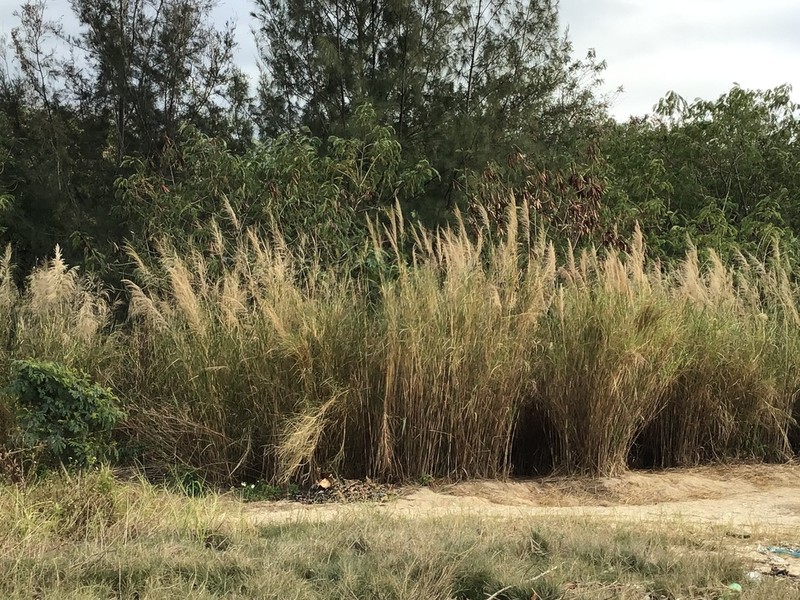
Taxonomy
- Division:
- Magnoliophyta | - Flowering plants
- Family:
- Poaceae
- Genus:
- Saccharum
- Species:
- Saccharum spontaneum
- USDA Symbol:
- SASP
Growth Characteristics
- Life Cycle:
- Perennial
- Growth Habit:
- Graminoid
- Height:
- 400 cm
- Light Requirements:
- Full Sun
- Drought Tolerance:
- Medium
- Bloom Months:
- sep,oct,nov
- Bloom Colors:
- silver, purple
Wildlife Benefits
- Butterflies & Moths:
- ★★★★☆ Documented Lepidoptera association (GBIF)
Garden & Ecology Notes
- Wildlife Value:
- birds, small mammals
- Deer Resistant:
- Yes
- Salt Tolerant:
- Yes
- Fire Ecology:
- Fire adapted — tolerates or benefits from fire
- Fire Notes:
- Resprouts vigorously from rhizomes after fire; fire can promote spread in invaded areas.
Soil Requirements
- Soil Type:
- sandy, well-drained, nutrient-poor soil
- pH:
- 5.5 - 7.5 (slightly acidic to neutral)
- Drainage:
- excellent drainage required
- Moisture:
- dry to moderate
- Notes:
- often found in riverbanks and disturbed areas