
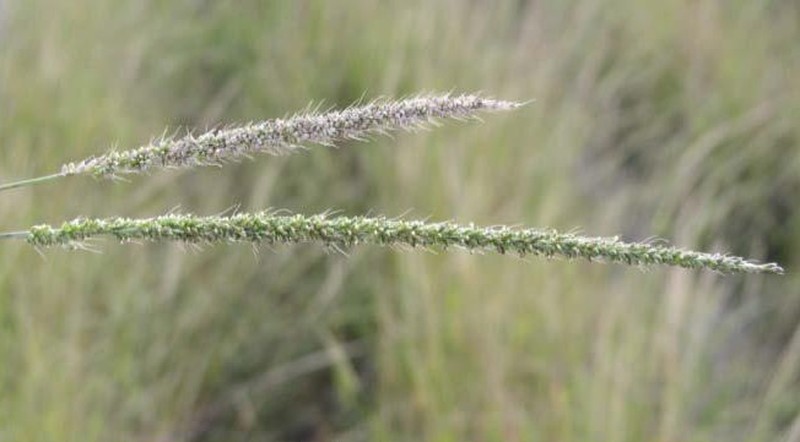
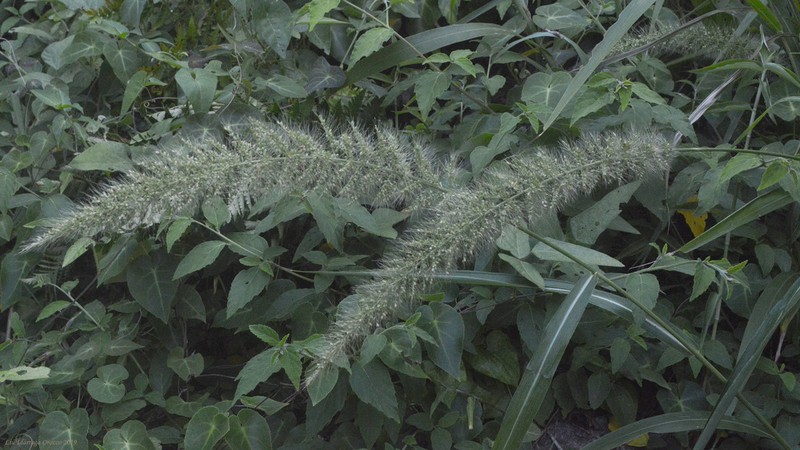
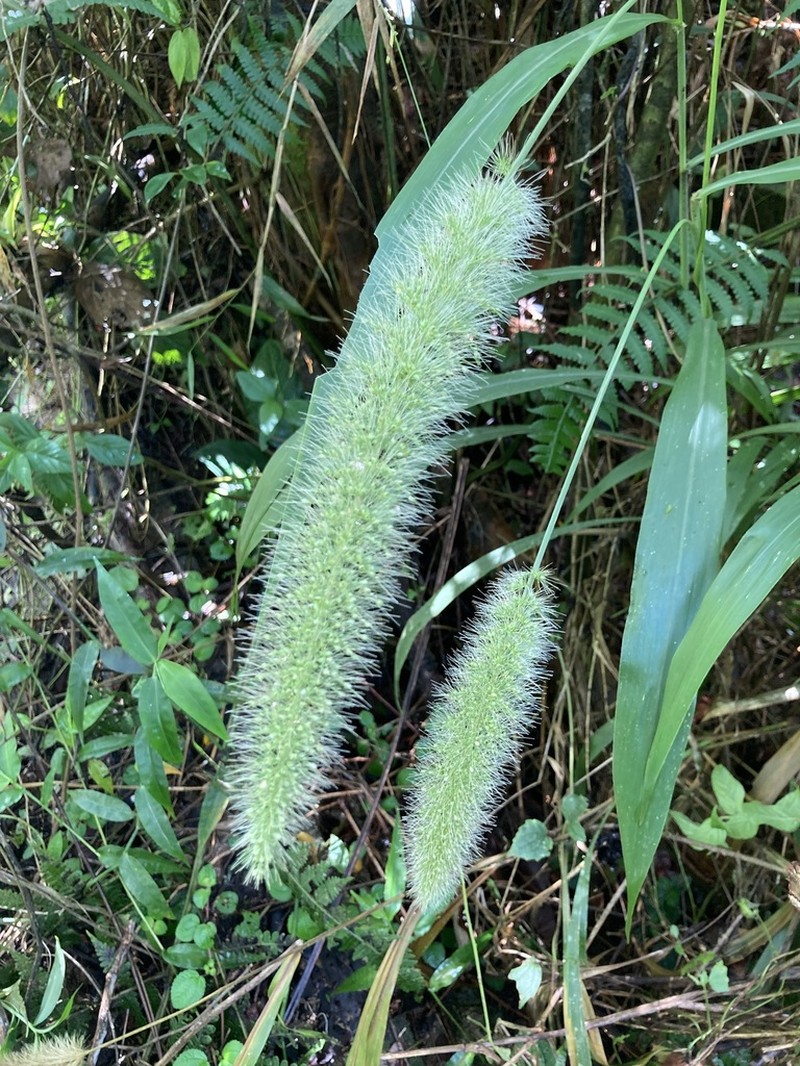
Plains Bristlegrass
Setaria vulpiseta
- Native to:
- Argentina, Belize, Bolivia, Brazil, Colombia, Costa Rica, Dominican Republic, Ecuador, El Salvador, French Guiana, Galápagos, Guam, Guatemala, Guyana, Haiti, Honduras, Mexico, Nicaragua, Panamá, Paraguay, Peru, Puerto Rico, Suriname, Trinidad-Tobago, United States, Venezuela
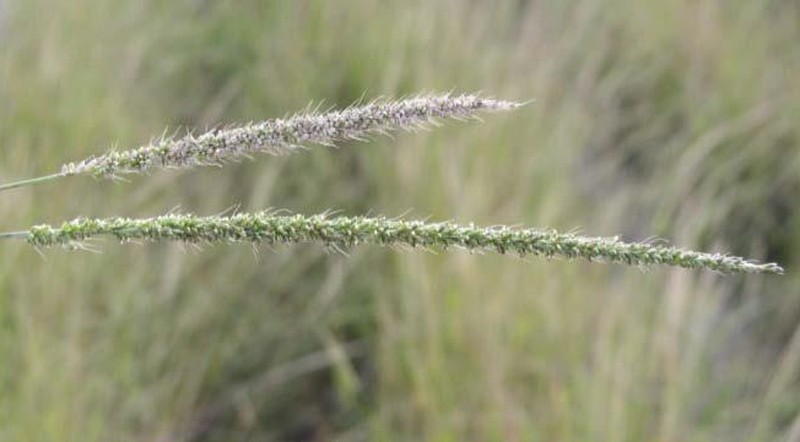
Shelly D. Maher, USDA NRCS
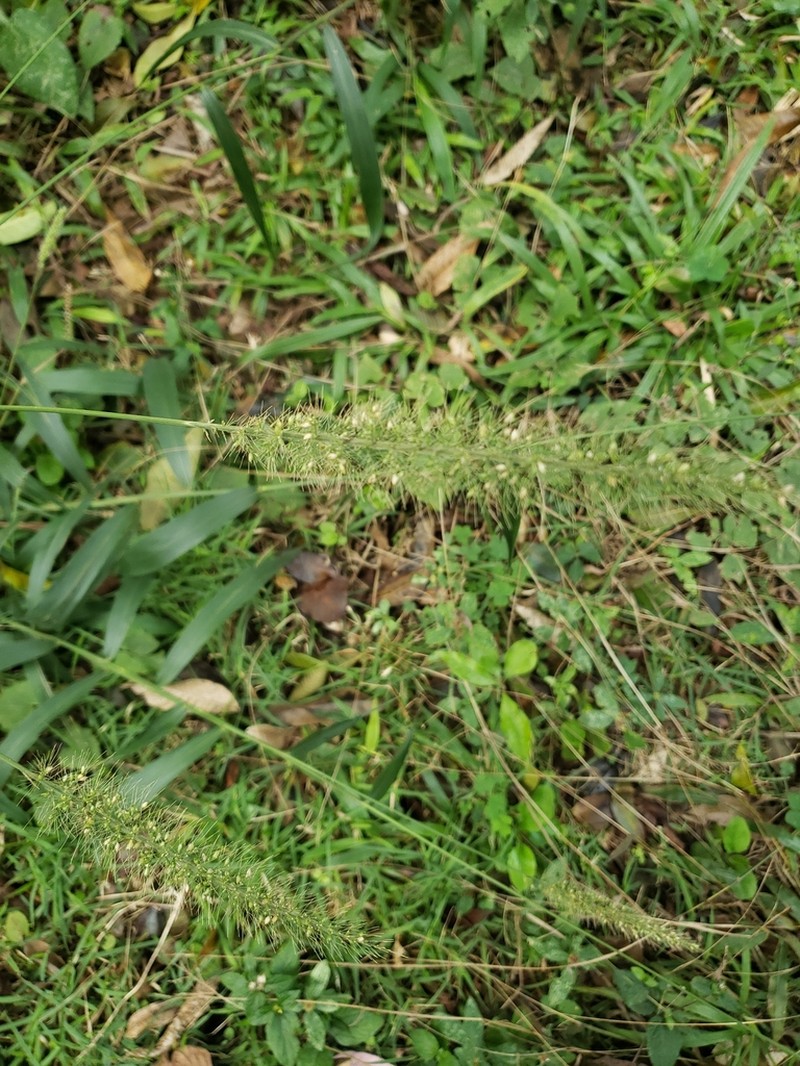
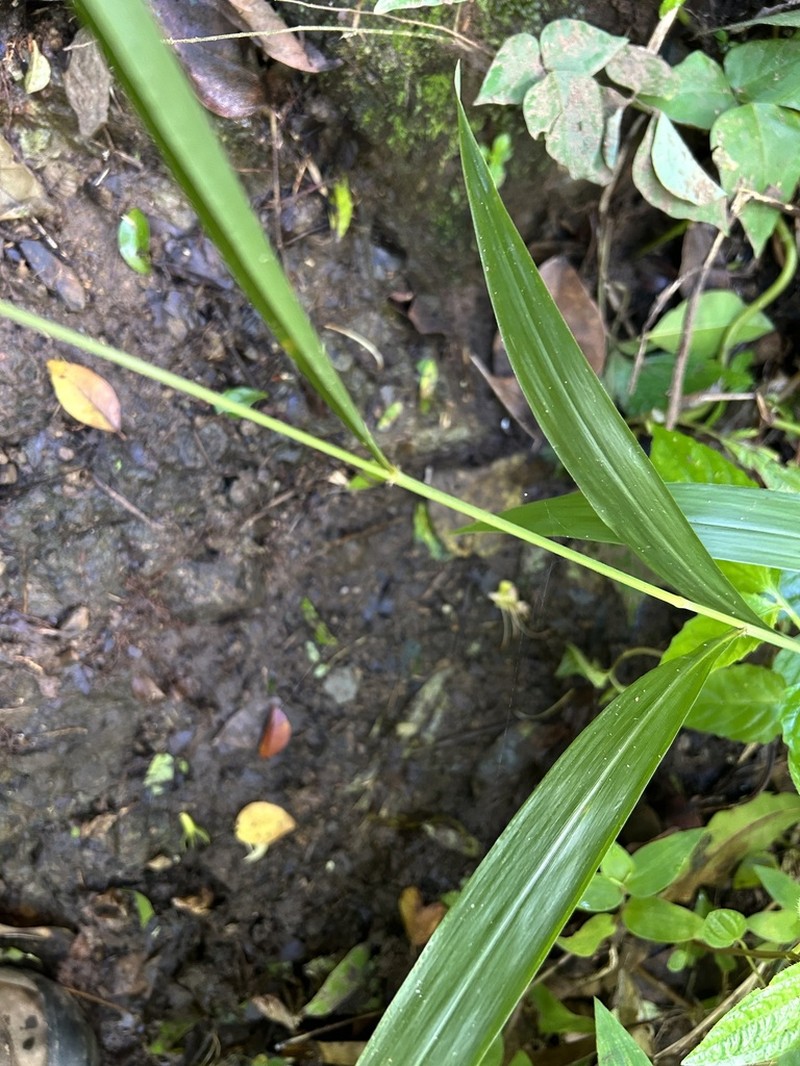
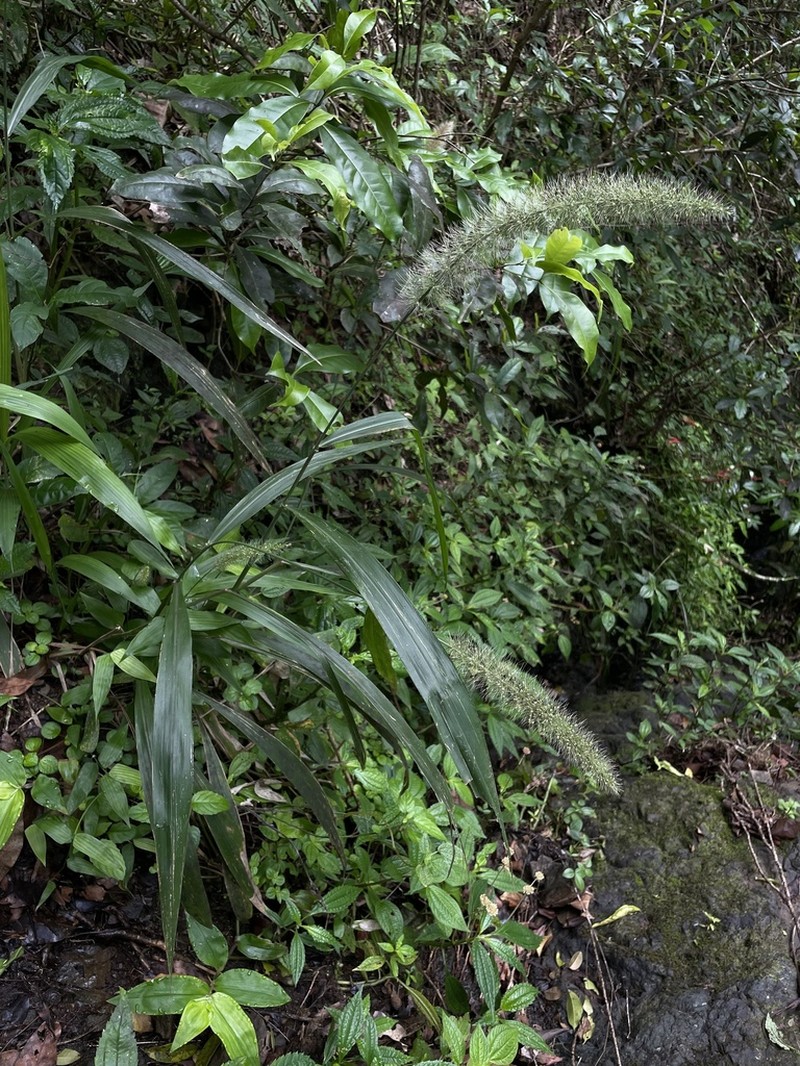
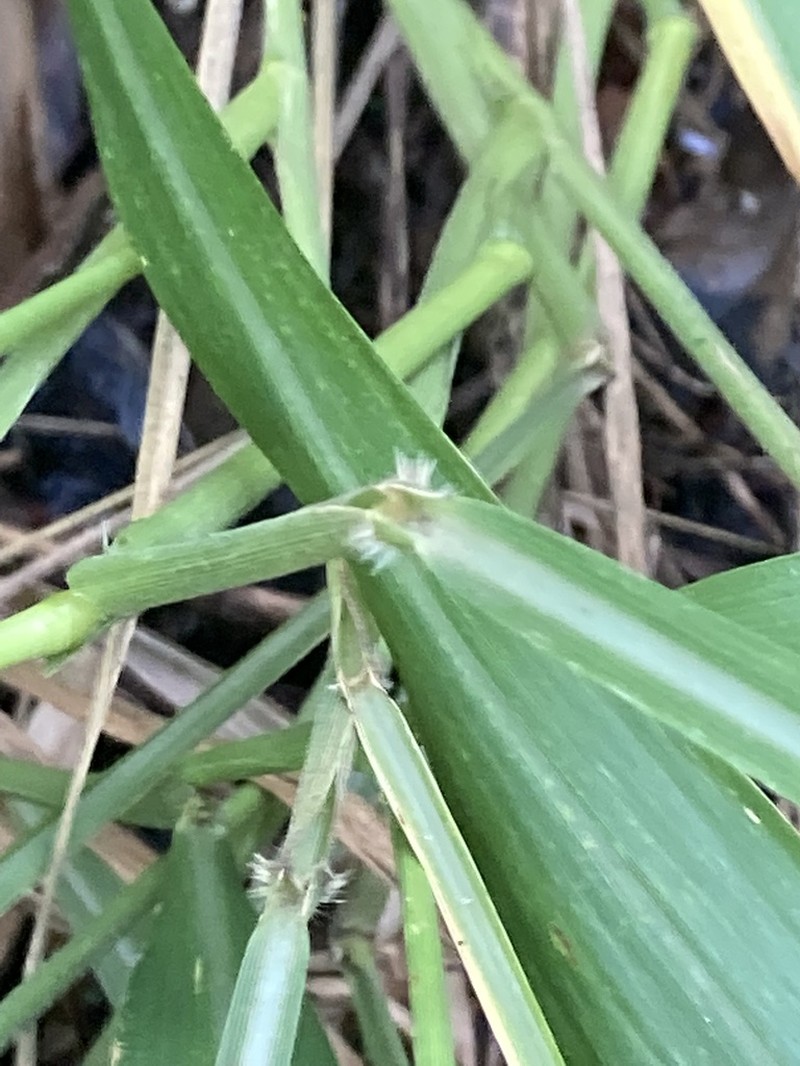
Taxonomy
- Division:
- Magnoliophyta | - Flowering plants
- Family:
- Poaceae
- Genus:
- Setaria
- Species:
- Setaria vulpiseta
- USDA Symbol:
- SEVU2
Growth Characteristics
- Life Cycle:
- Perennial
- Growth Habit:
- Graminoid
- Height:
- 150 cm
- Light Requirements:
- Part Shade
- Drought Tolerance:
- Medium
- Bloom Months:
- jul,aug,sep,oct
Garden & Ecology Notes
- Wildlife Value:
- birds, small mammals
Soil Requirements
- Soil Type:
- well-drained, sandy or loamy soil
- pH:
- 5.5 - 7.5 (slightly acidic to neutral)
- Drainage:
- excellent drainage required
- Moisture:
- dry to moderate
- Notes:
- prefers open, sunny habitats
Propagation & Germination
Pre-treatment: Seeds are placed in cold moist stratification for 14 days
Establishment: S. vulpiseta is found Colorado south to Arizona, New Mexico, and Texas and into northern Mexico. The protocol does not provide specific germination rate or time range.
Source: npn.rngr.net
Where to Buy
Nationwide Seller
- Native Seed Group (seeds)
- Native American Seed (nursery and seeds)
- Bamert Seed (seeds)