
Sand Dropseed
Sporobolus cryptandrus
- Native to:
- Canada, Mexico, United States, Virgin Islands
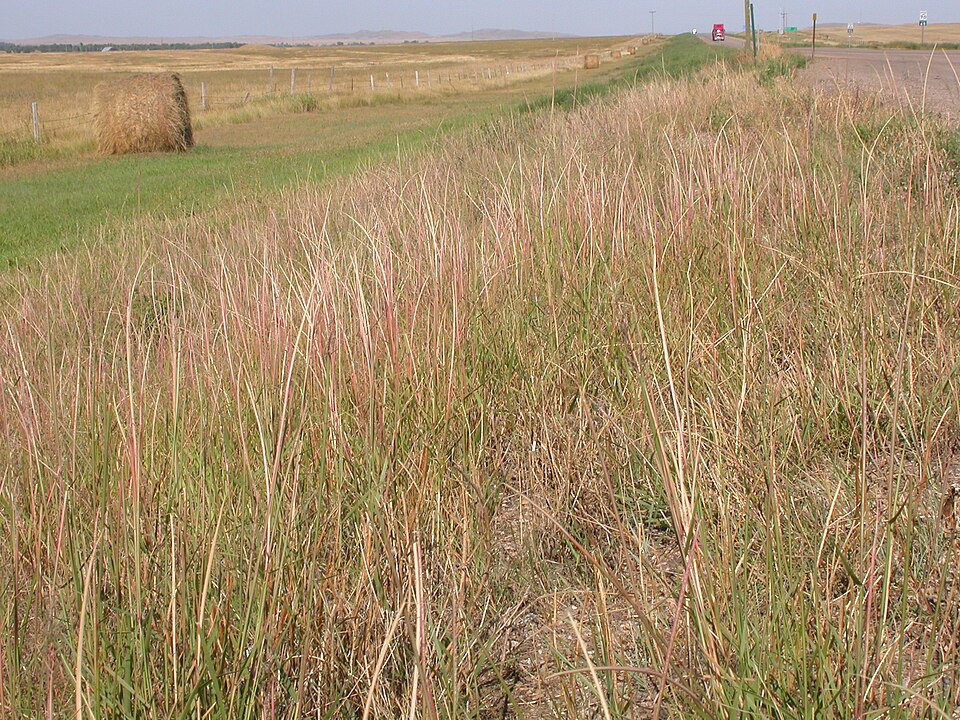
Matt Lavin (www.flickr.com) from Bozeman, Montana, USA
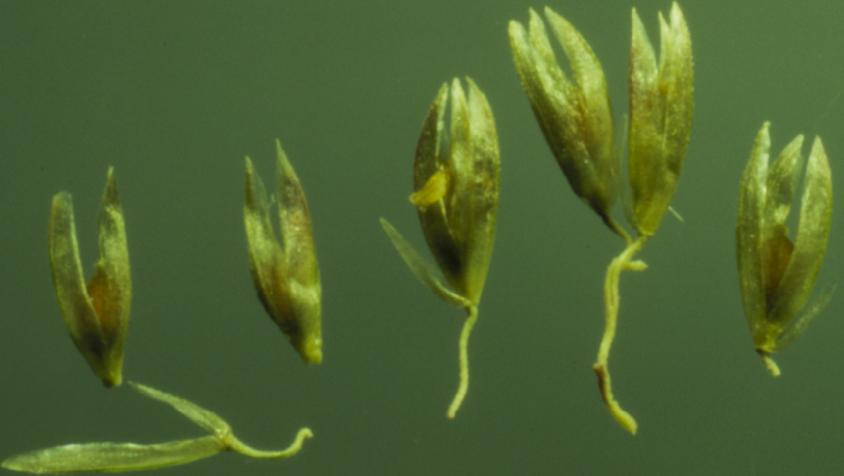
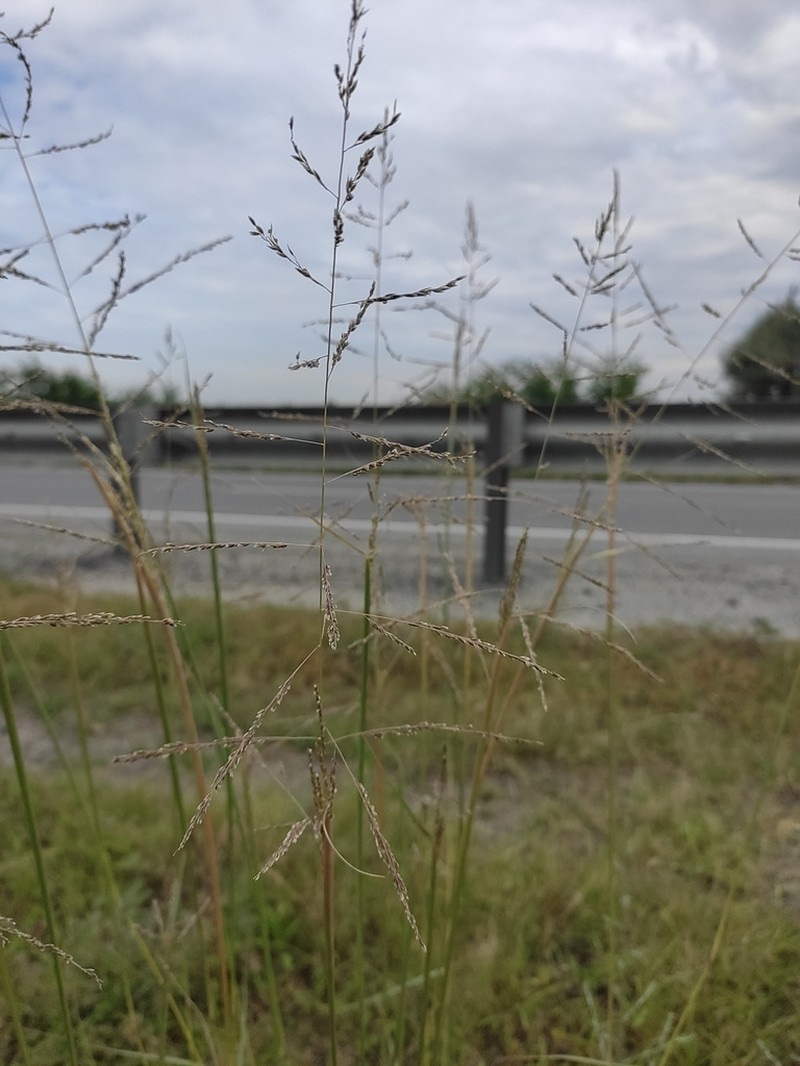
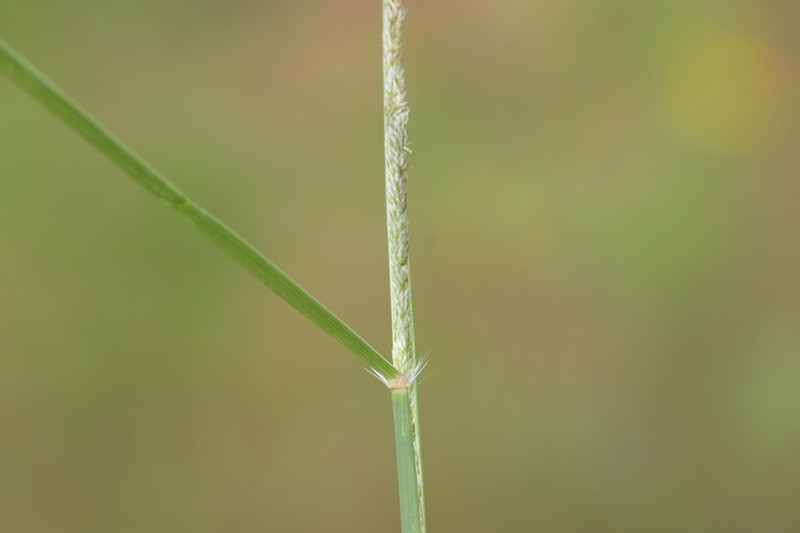
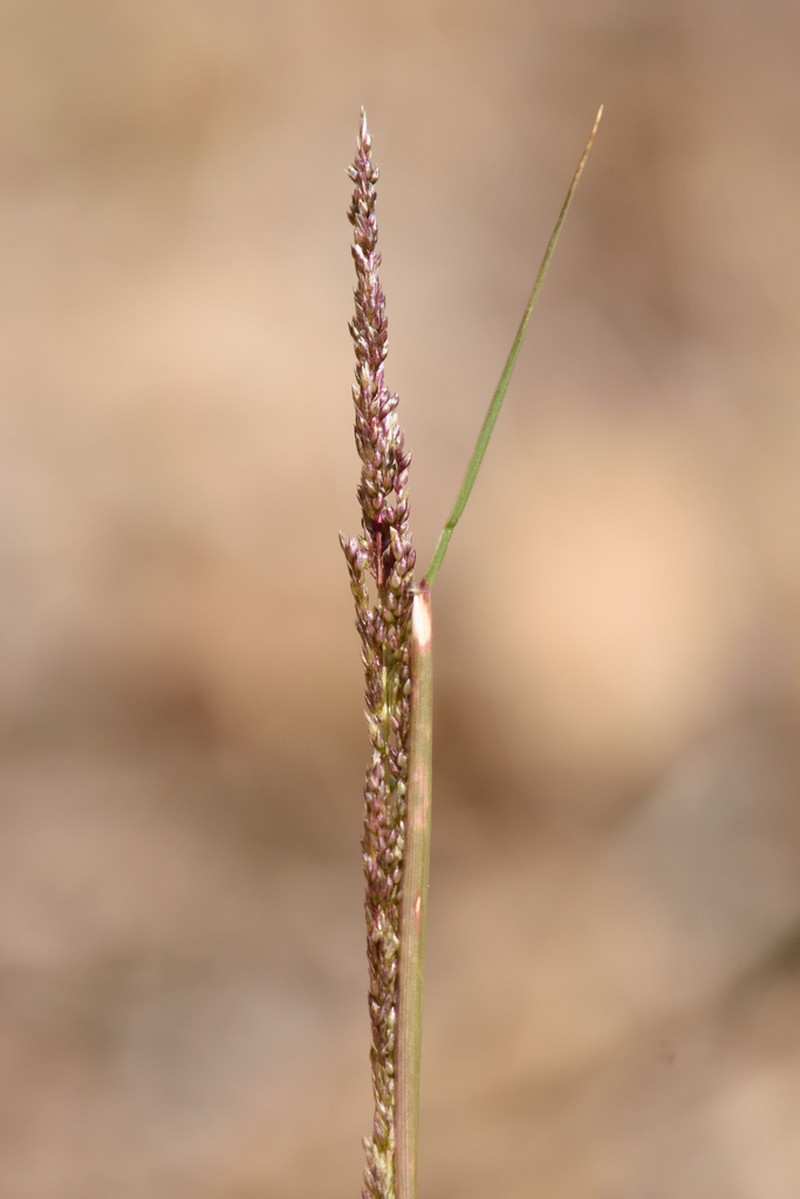
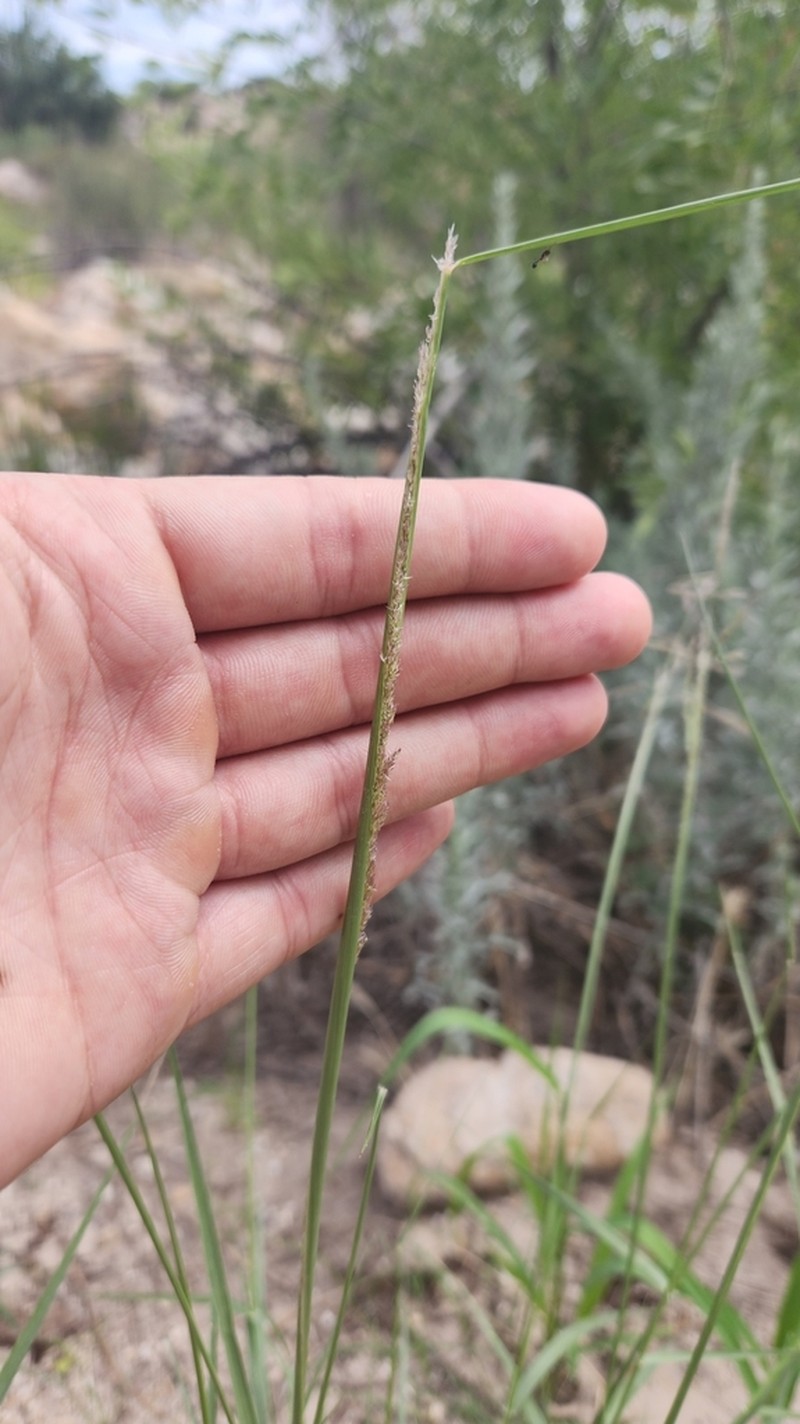
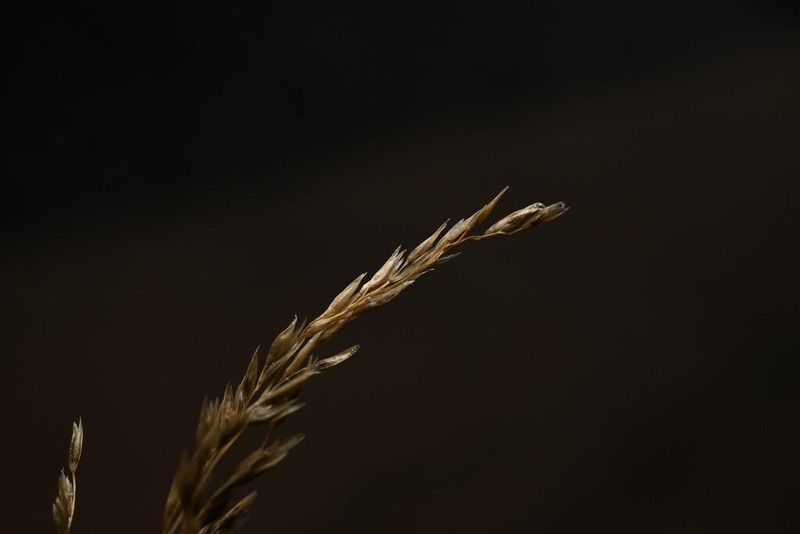
Taxonomy
- Division:
- Magnoliophyta | - Flowering plants
- Family:
- Poaceae
- Genus:
- Sporobolus
- Species:
- Sporobolus cryptandrus
- USDA Symbol:
- SPCR
Growth Characteristics
- Life Cycle:
- Perennial
- Growth Habit:
- Graminoid
- Height:
- 100 cm
- Light Requirements:
- Full Sun,Part Shade
- Drought Tolerance:
- High
- Bloom Months:
- jul,aug,sep
Garden & Ecology Notes
- Wildlife Value:
- birds, small mammals
- Deer Resistant:
- Yes
- Salt Tolerant:
- Yes
- Fire Ecology:
- Fire adapted — tolerates or benefits from fire
- Fire Notes:
- Tolerates fire; can increase in abundance after fire in prairie habitats.
Soil Requirements
- Soil Type:
- sandy, well-drained, nutrient-poor soil
- pH:
- 6.0 - 8.0 (neutral to slightly alkaline)
- Drainage:
- excellent drainage required
- Moisture:
- dry to moderate
- Notes:
- thrives in arid and semi-arid regions
Propagation & Germination
- Stratification:
- None required
- Germination Time:
- 7–21 days
- Notes:
- Seeds germinate readily without pretreatment in warm soil; light may improve germination.
Pre-treatment: Scarification by rubbing seeds between two pieces of sandpaper approximately 15 times. Cold moist stratification for 28 days. Alternatively, warm stratification can be accomplished by subjecting seeds to 45°C/15°C conditions for 8 and 16 hours respectively for 15 days.
Establishment: Germination rates of untreated seed are extremely low - under 3%. Warm stratification should not exceed 15 days as this results in significant decreases in viability. Germination rates of scarified seeds are strongly correlated with the temperature at which planted seeds are kept. In some cases, stratification alone improved germination over the control, but in other cases it resulted in lower germination due to fungal growth.
Source: npn.rngr.net
Where to Buy
Nationwide Seller
- Prairie Moon Nursery (nursery and seeds)
- Bamert Seed (seeds)
- Native Seed Group (seeds)
- Native American Seed (nursery and seeds)
- Ernst Seeds (seeds)