
Bluehead Gilia
Gilia capitata
- Native to:
- United States
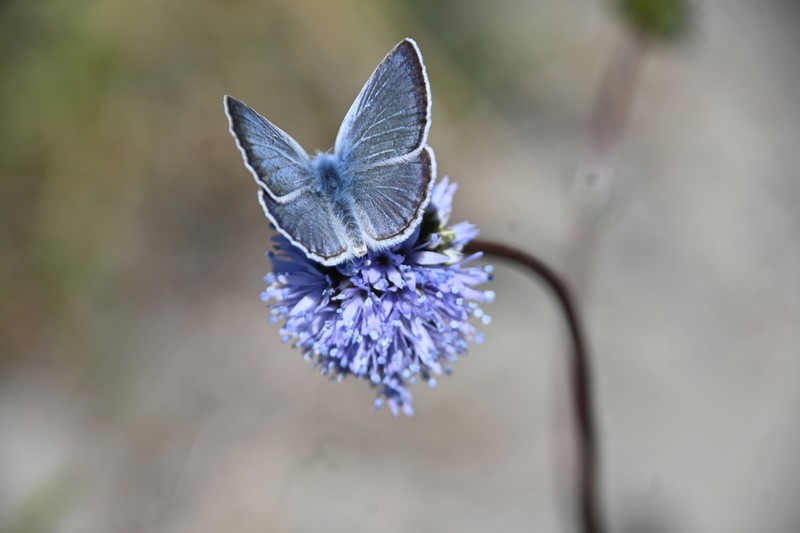
iNaturalist: © erikap (iNaturalist #80957840)
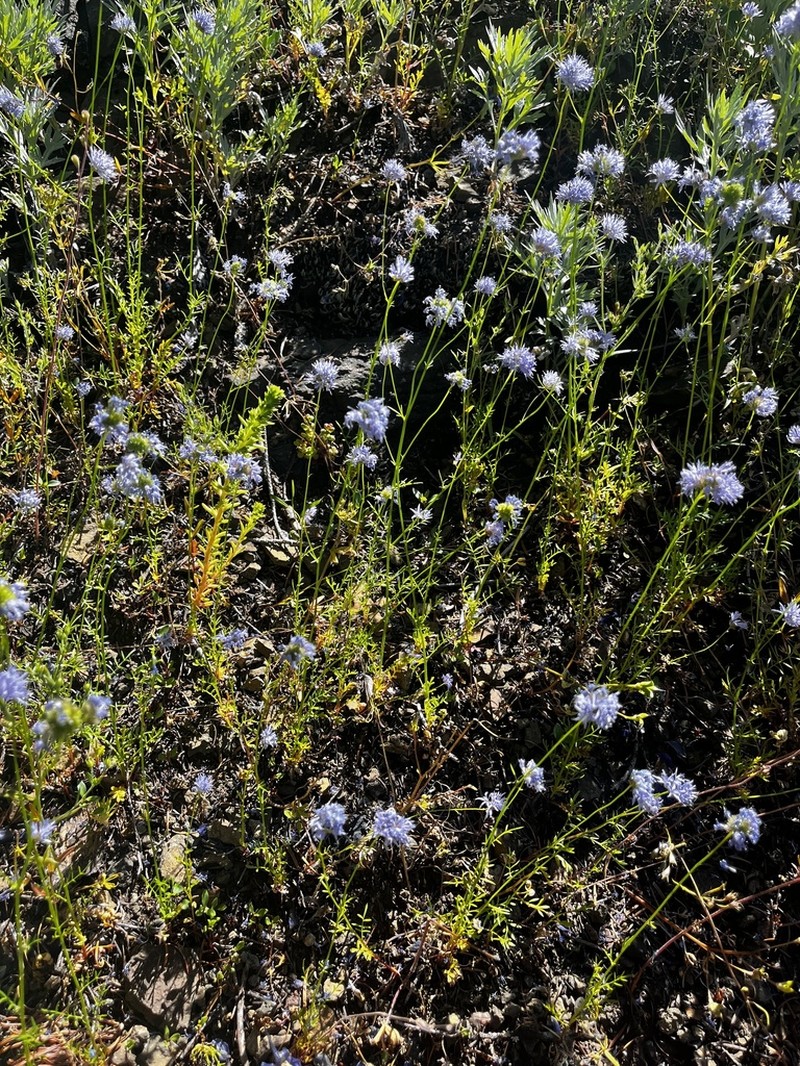
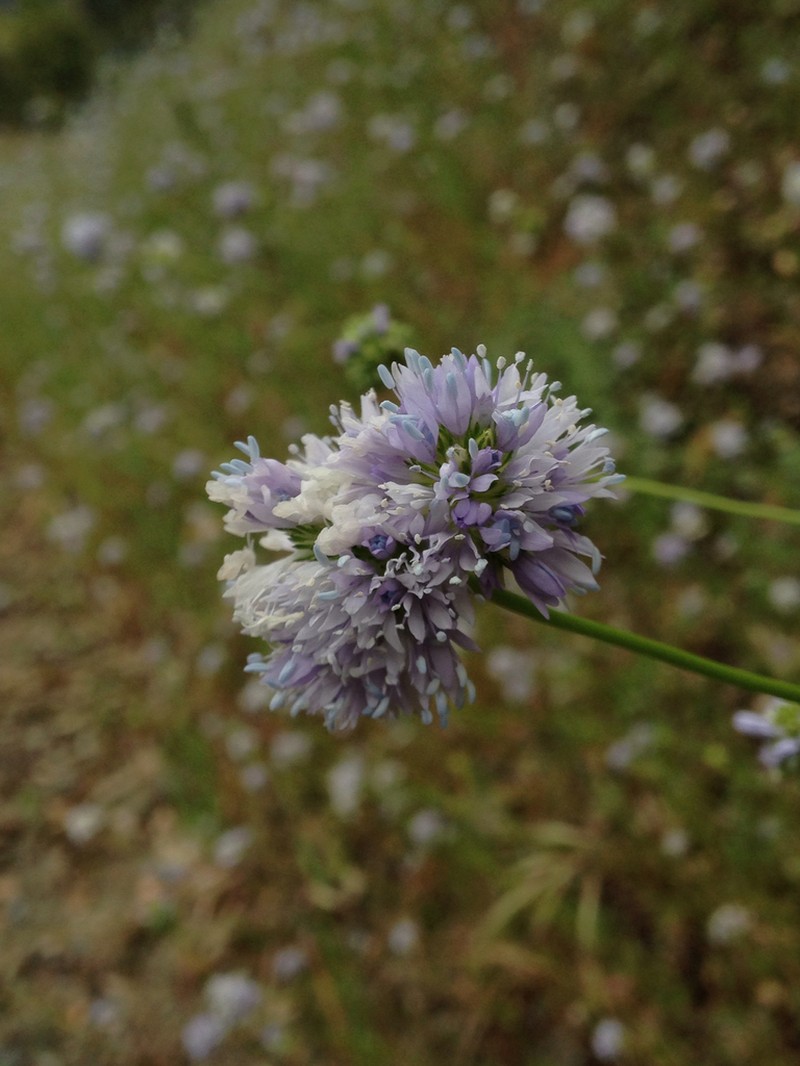
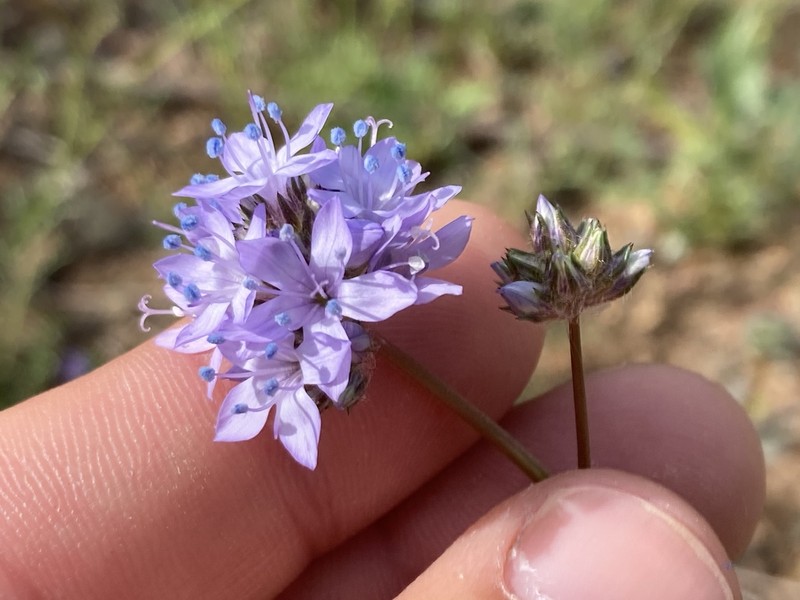
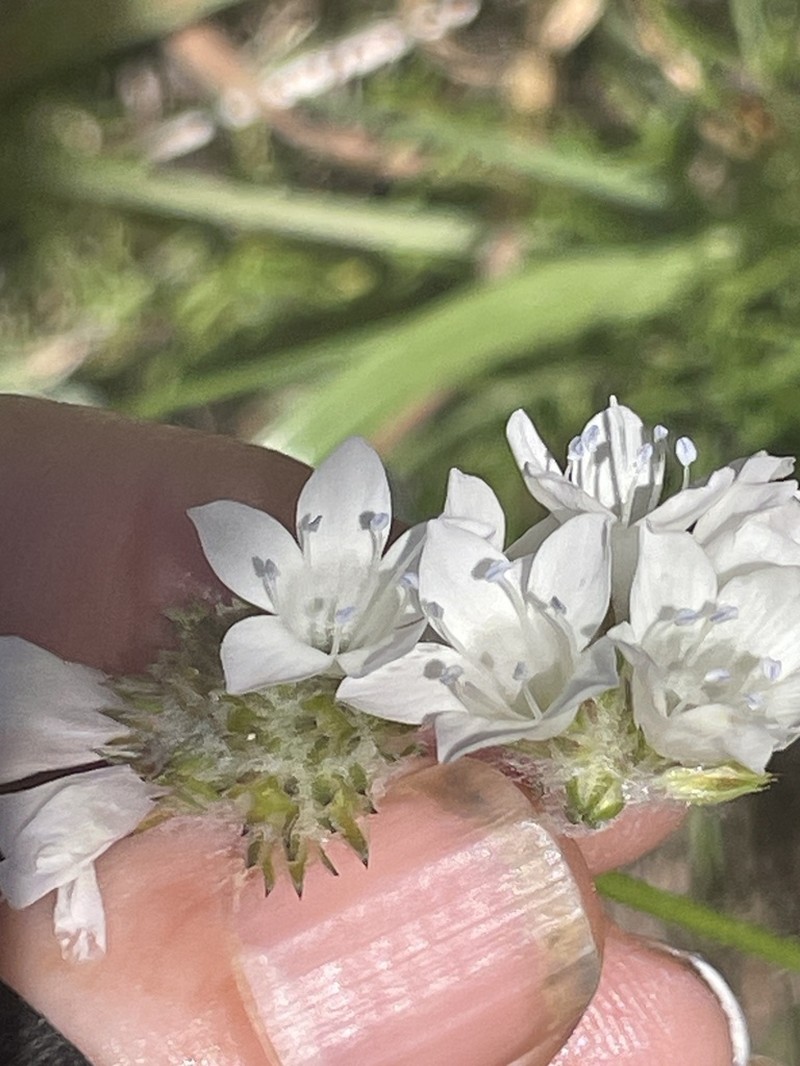
Taxonomy
- Division:
- Magnoliophyta | - Flowering plants
- Family:
- Polemoniaceae
- Genus:
- Gilia
- Species:
- Gilia capitata
- USDA Symbol:
- GICA5
Growth Characteristics
- Life Cycle:
- Annual | Perennial
- Growth Habit:
- Forb/herb
- Height:
- 91 cm
- Light Requirements:
- Full Sun
- Drought Tolerance:
- Medium
- Bloom Months:
- apr,may,jun,jul
- Bloom Colors:
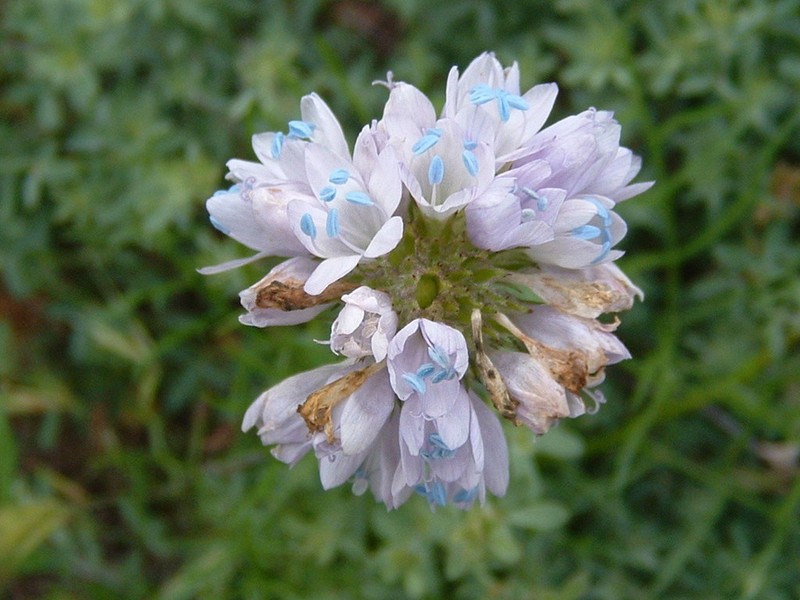
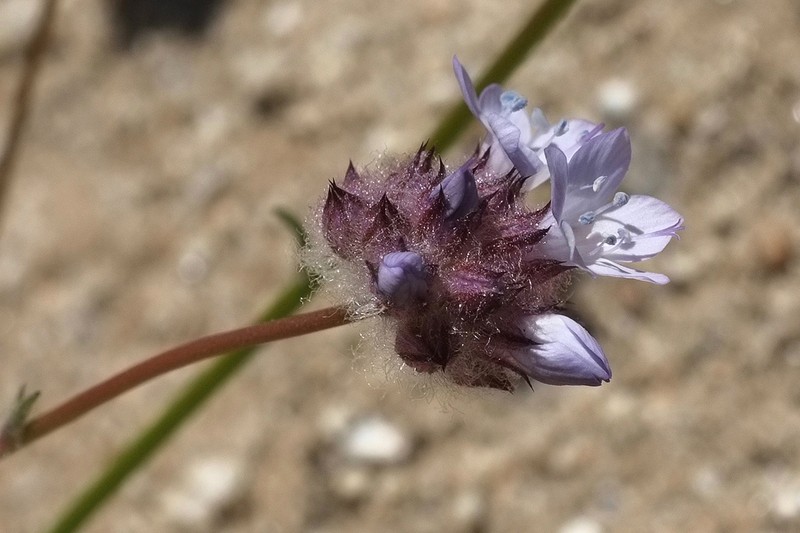
- blue, lavender
Wildlife Benefits
- Bees:
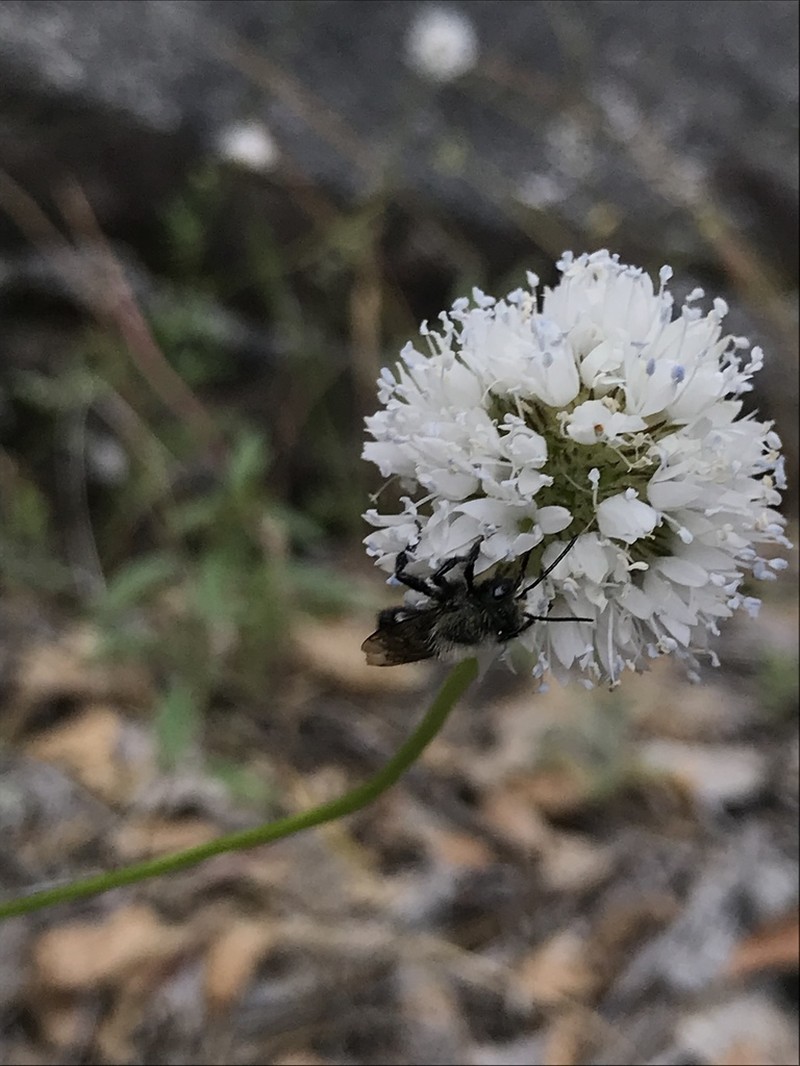
- ★☆☆☆☆ Documented bee visitation (GBIF)
- Butterflies & Moths:
- ★★☆☆☆ Documented Lepidoptera association (GBIF)
Reported Fauna Sightings
Bees: Black-tailed bumble bee (Bombus melanopygus), Indiscriminate cuckoo bumble bee (Bombus insularis), ⚠️Western honey bee (Apis mellifera), Yellow-faced bumble bee (Bombus vosnesenskii) Moths:Adela singulella Butterflies:Variable checkerspot (Euphydryas chalcedona)
Garden & Ecology Notes
- Wildlife Value:
- bees, butterflies
- Deer Resistant:
- Yes
Soil Requirements
- Soil Type:
- well-drained, sandy or rocky soil
- pH:
- 6.0 - 7.5 (slightly acidic to neutral)
- Drainage:
- excellent drainage required
- Moisture:
- dry to moderate
- Notes:
- native to open, rocky slopes and sandy areas
Propagation & Germination
- Stratification:
- Cold/moist stratification required — 30–60 days
- Germination Time:
- 14–30 days
- Notes:
- Seeds germinate readily after cold stratification; surface sow and keep moist.
Pre-treatment: Seeds germinate at 27/18 C. Seed germination is stimulated by the presence of charred wood or aqueous extracts of it, with a 75% increase in germination as compared to control.
Establishment: G. capitata is found within mattoral vegetation association of California and in open places below 4,000 feet elevation; from northern Santa Barbara County to Marin and Contra Costa counties, California. Seeds are collected on July 16th.
Source: npn.rngr.net
Where to Buy
Nationwide Seller
- Vermont Wildflower Farm (nursery and seeds)