
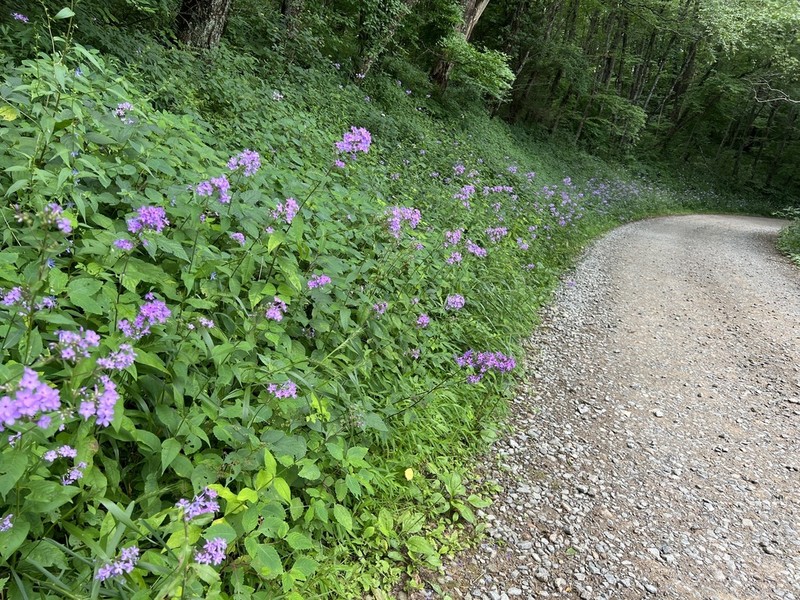
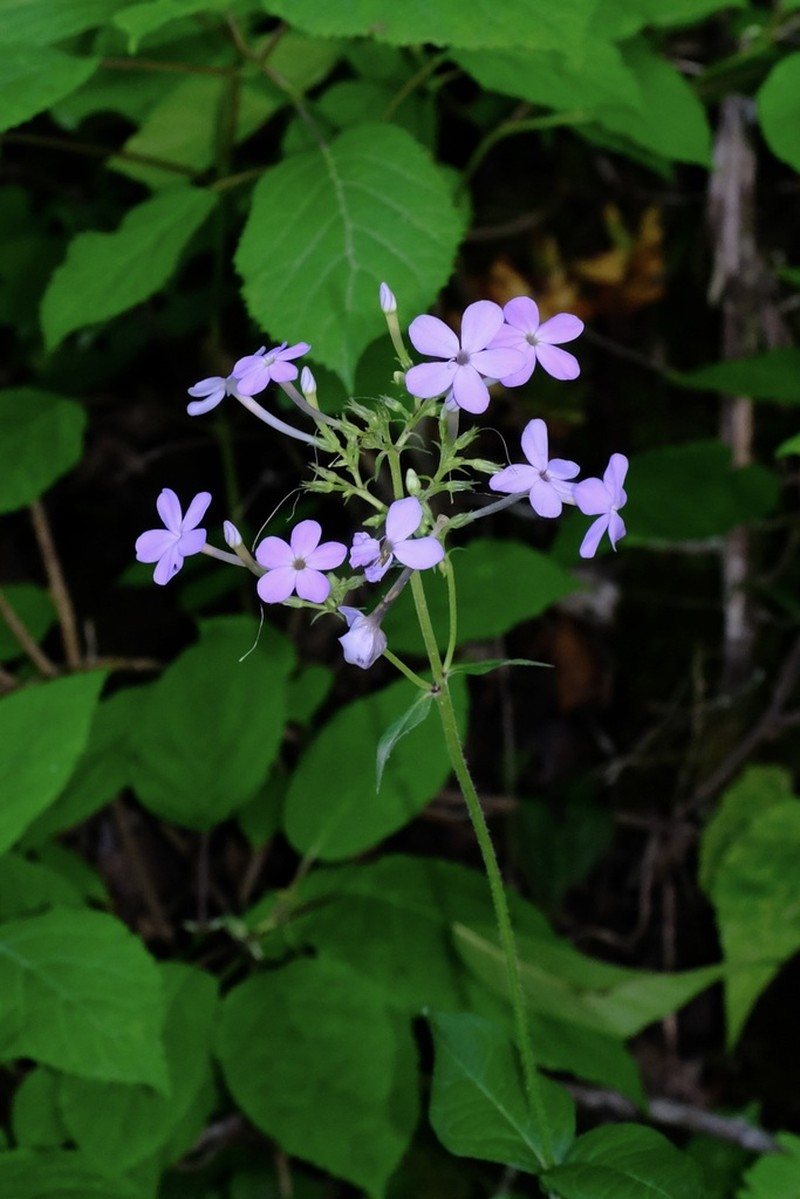
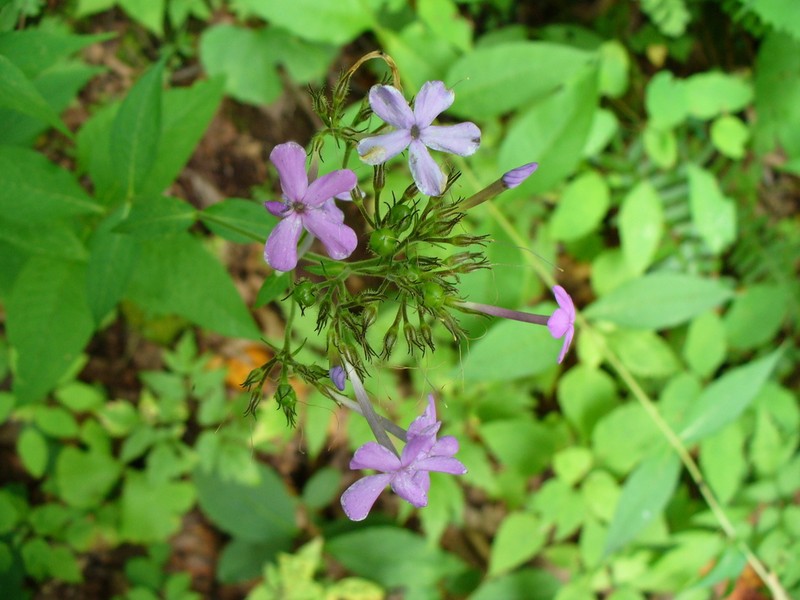
Largeleaf Phlox
Phlox amplifolia
- Native to:
- United States, Virgin Islands
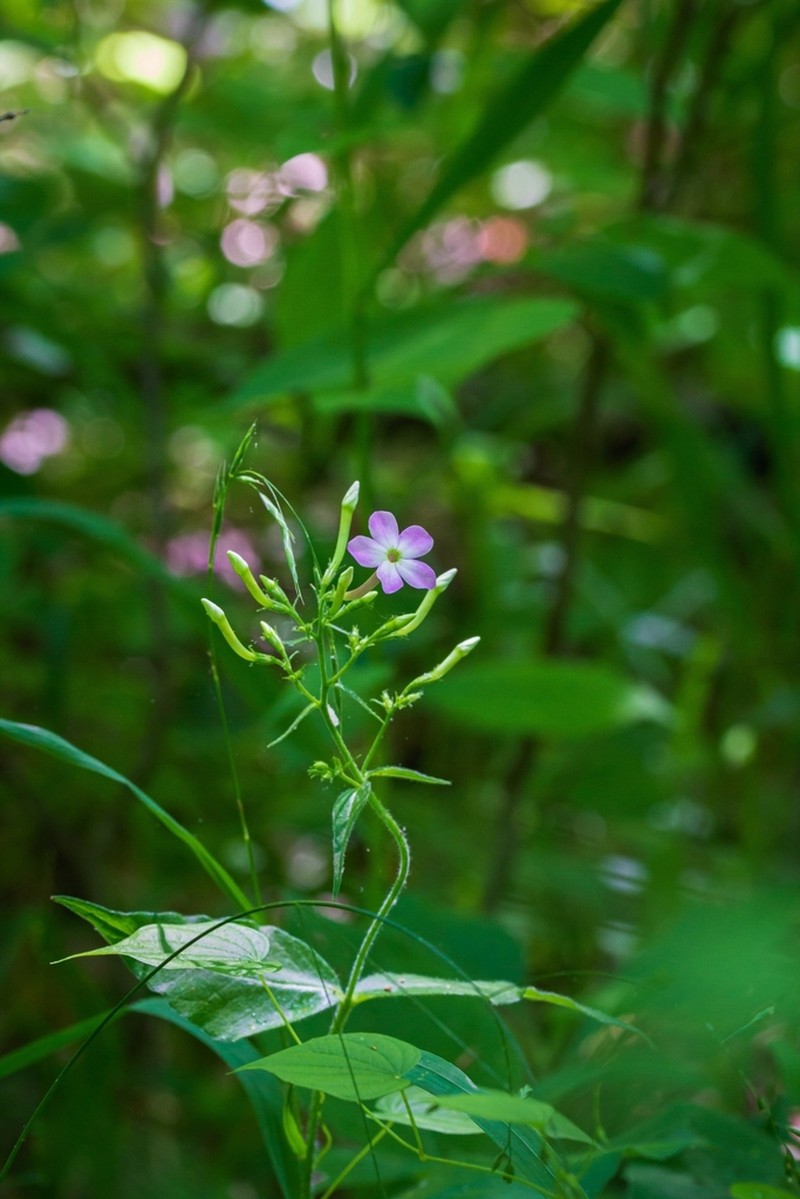
iNaturalist: © nathanaaron (iNaturalist #51498349)
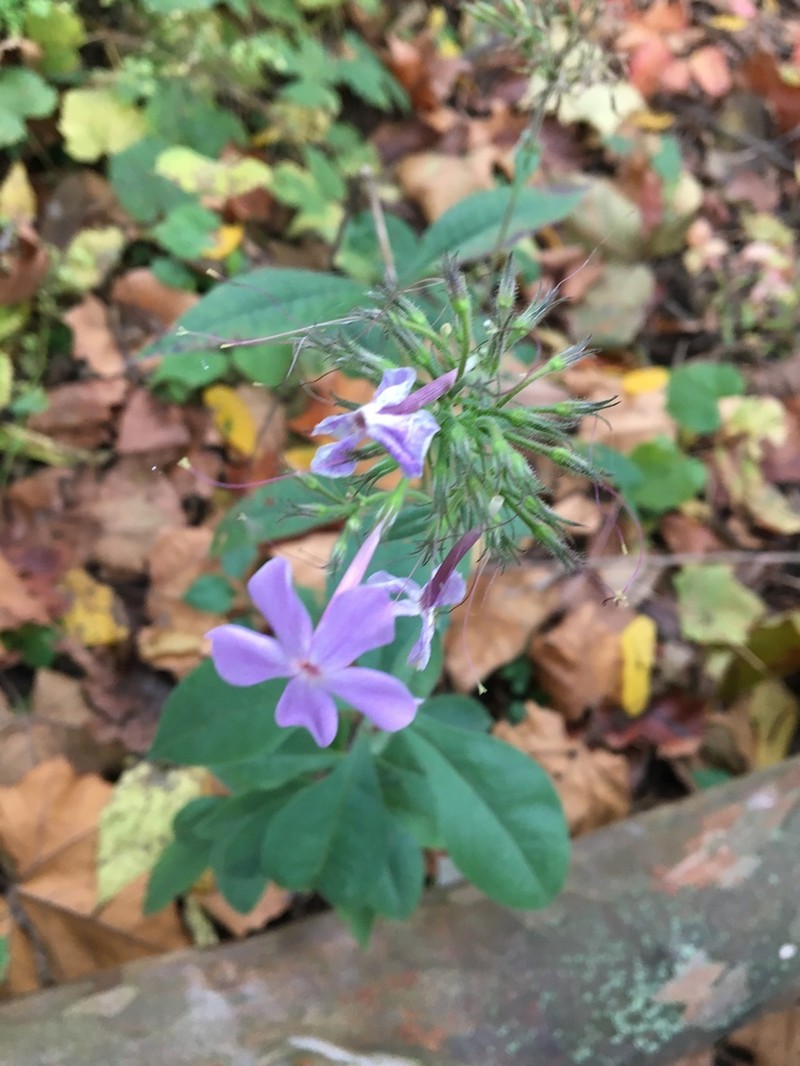
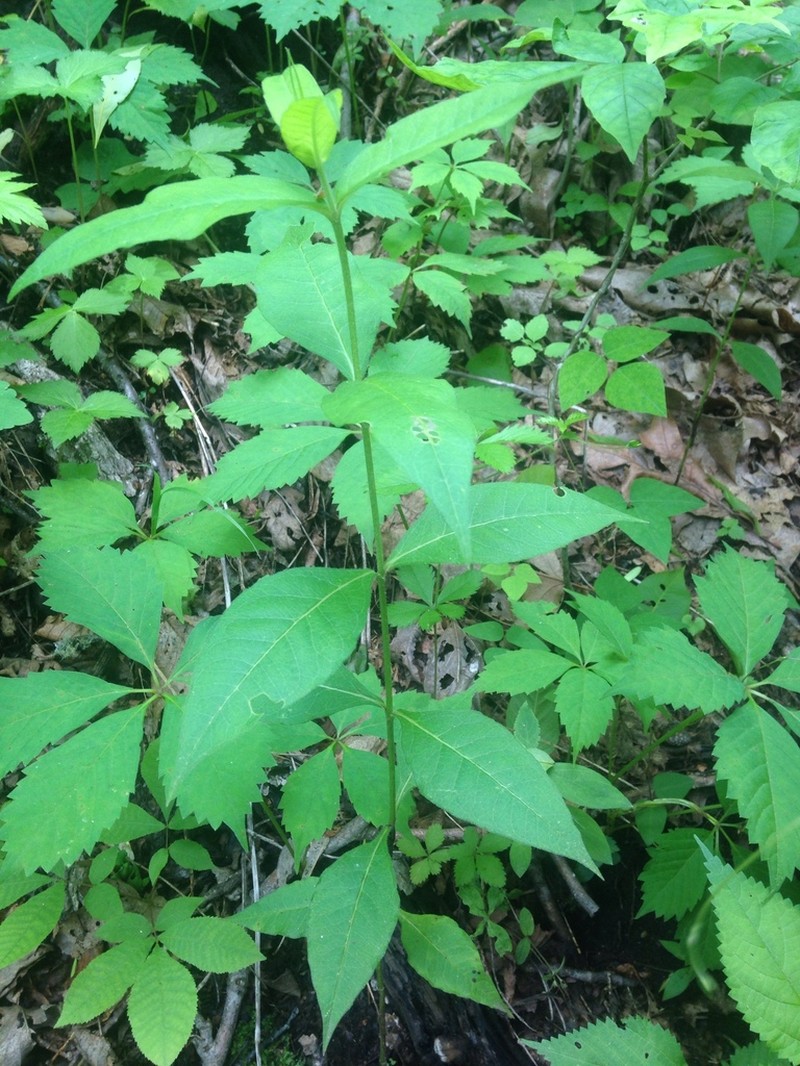
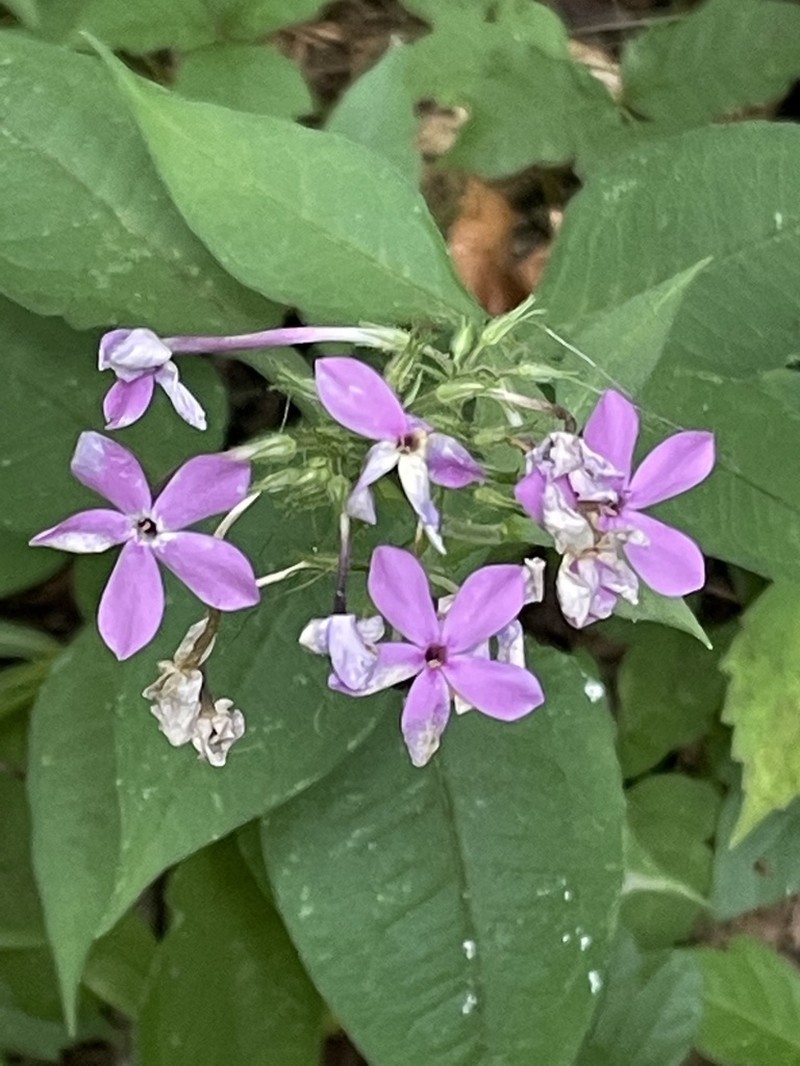
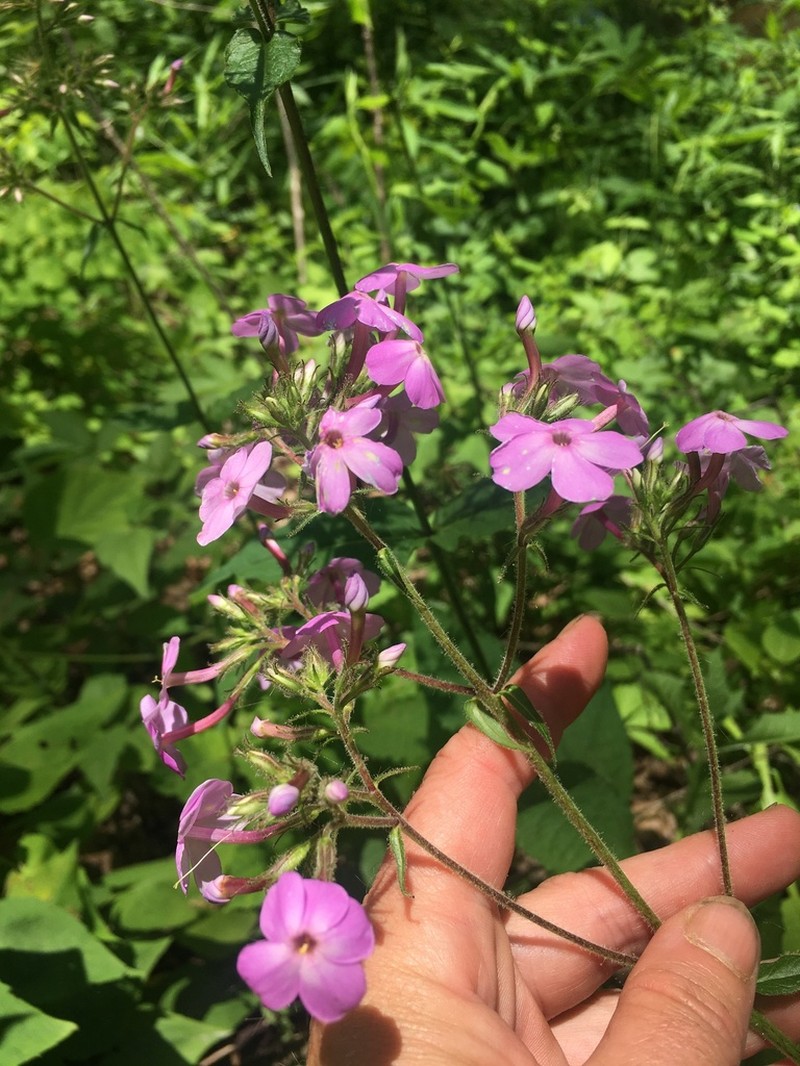
Taxonomy
- Division:
- Magnoliophyta | - Flowering plants
- Family:
- Polemoniaceae
- Genus:
- Phlox
- Species:
- Phlox amplifolia
- USDA Symbol:
- PHAM7
Growth Characteristics
- Life Cycle:
- Perennial
- Growth Habit:
- Forb/herb
- Height:
- 90 cm
- Light Requirements:
- Full Sun
- Drought Tolerance:
- Medium
- Bloom Months:
- may,jun,jul
- Bloom Colors:
- pink, lavender
Wildlife Benefits
- Bees:
- ★☆☆☆☆ Documented bee visitation (GBIF)
- Butterflies & Moths:
- ★☆☆☆☆ Documented Lepidoptera association (GBIF)
Keystone Species Ranking
- Caterpillar Keystone:
- ★★☆☆☆ Butterfly & moth species supported by this genus (NWF)
Garden & Ecology Notes
- Wildlife Value:
- bees, butterflies
Soil Requirements
- Soil Type:
- rich, well-drained loamy soil
- pH:
- 5.5 - 7.0 (slightly acidic to neutral)
- Drainage:
- excellent drainage required
- Moisture:
- consistently moist
- Notes:
- prefers woodland edges and open forests
Propagation & Germination
- Stratification:
- Cold/moist stratification required — 30–60 days
- Germination Time:
- 14–30 days
- Notes:
- Seeds germinate best after cold stratification; sow in fall or stratify in refrigerator for 4-8 weeks.
Pre-treatment: Tip cuttings 2.5-3.8 cm in length with 3 nodes, 1 node below soil. Use Rooting hormone Dip 'n Grow IBA/NA at 20X dilution rate for a 5 second dip. Use Pro-Mix PGX, plug and germination media. Cuttings should be stuck one per cell in 72 plug tray 5.7 x 7.6 cm. Alternatively, plant can be propagated using divisions approximately 7.5 cm in diameter. Potted into a 1 quart pot using basic potting media with added synthetic fertilizer. Stems without foliage should be cut back to 5 cm. Stems with foliage, but less than 12.5 cm, should be left intact.
Establishment: Cuttings are collected week 1 in January and week 7 in February, from non-flowering new shoots. Divisions are collected in mid-October; Zone 7A/6B. Native to North America, is found in the U.S. ranging from Indiana south to Alabama, from Missouri and Arkansas east to Virginia.
Source: npn.rngr.net