
Spreading Phlox
Phlox diffusa
- Native to:
- Canada, United States
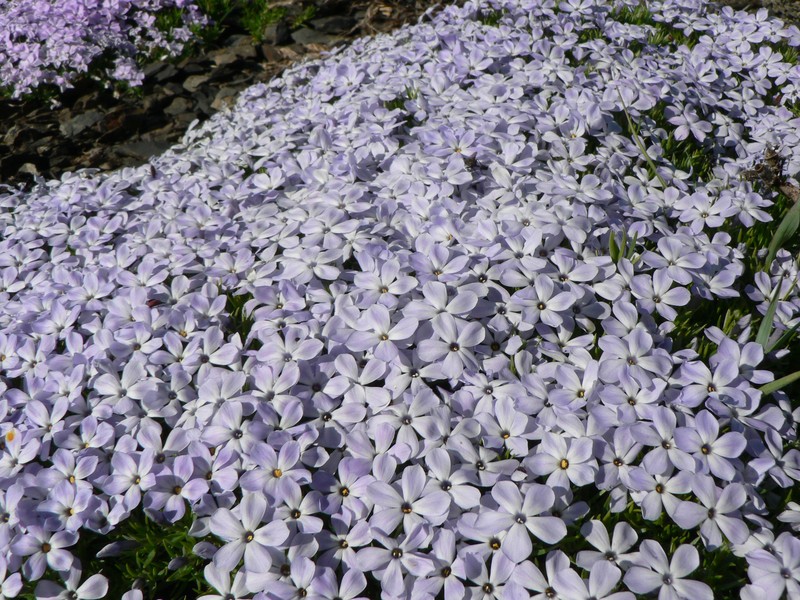
Walter Siegmund (talk)
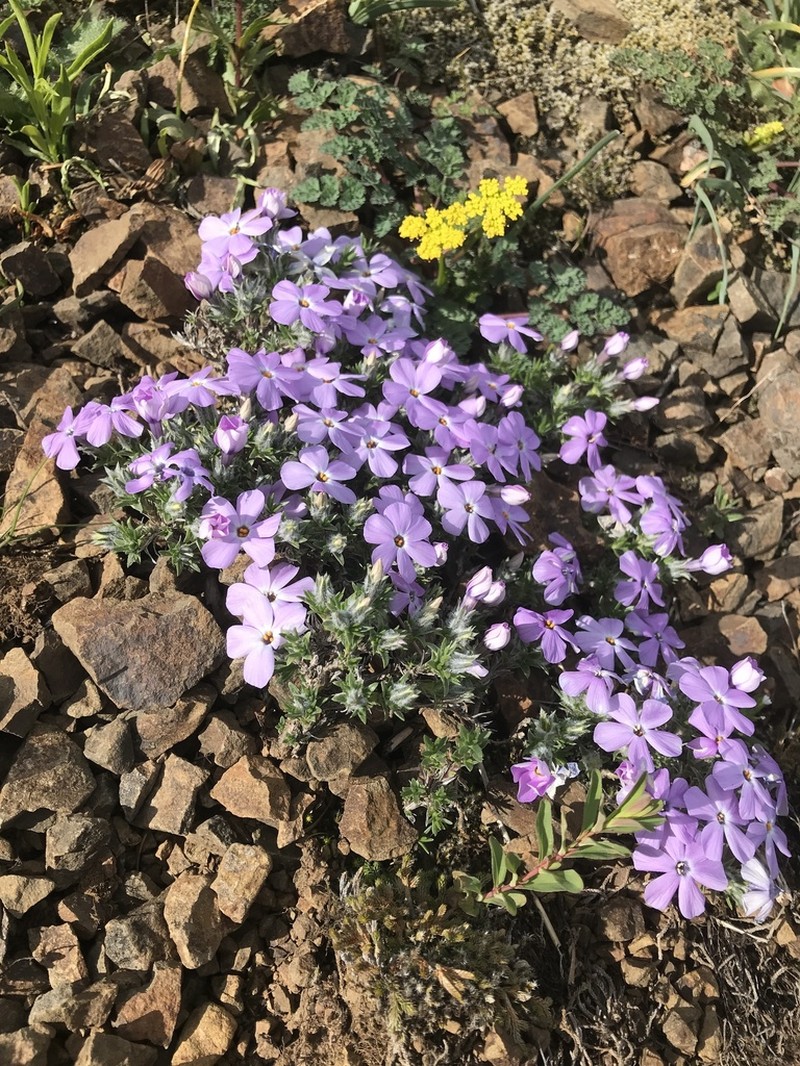
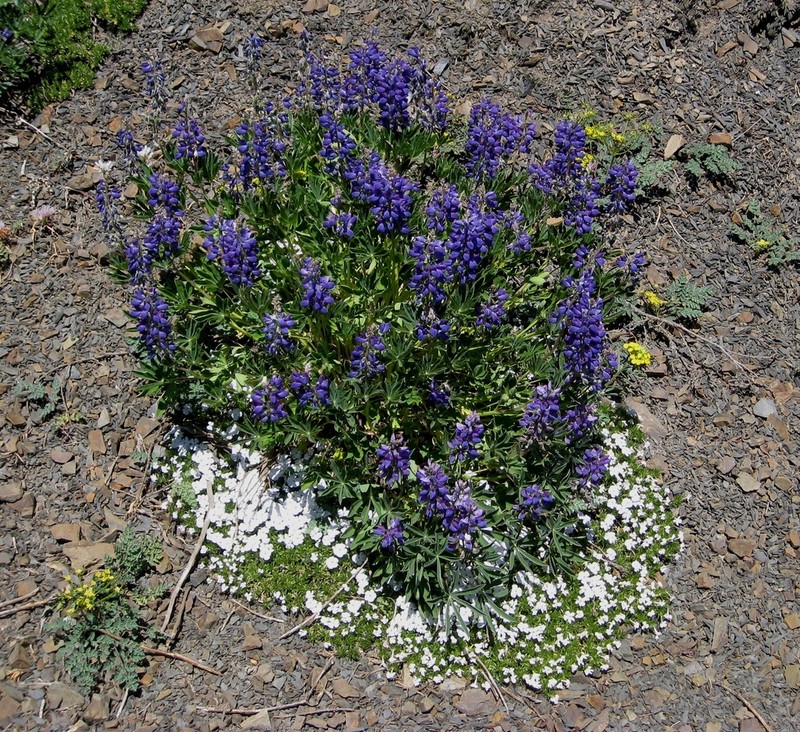
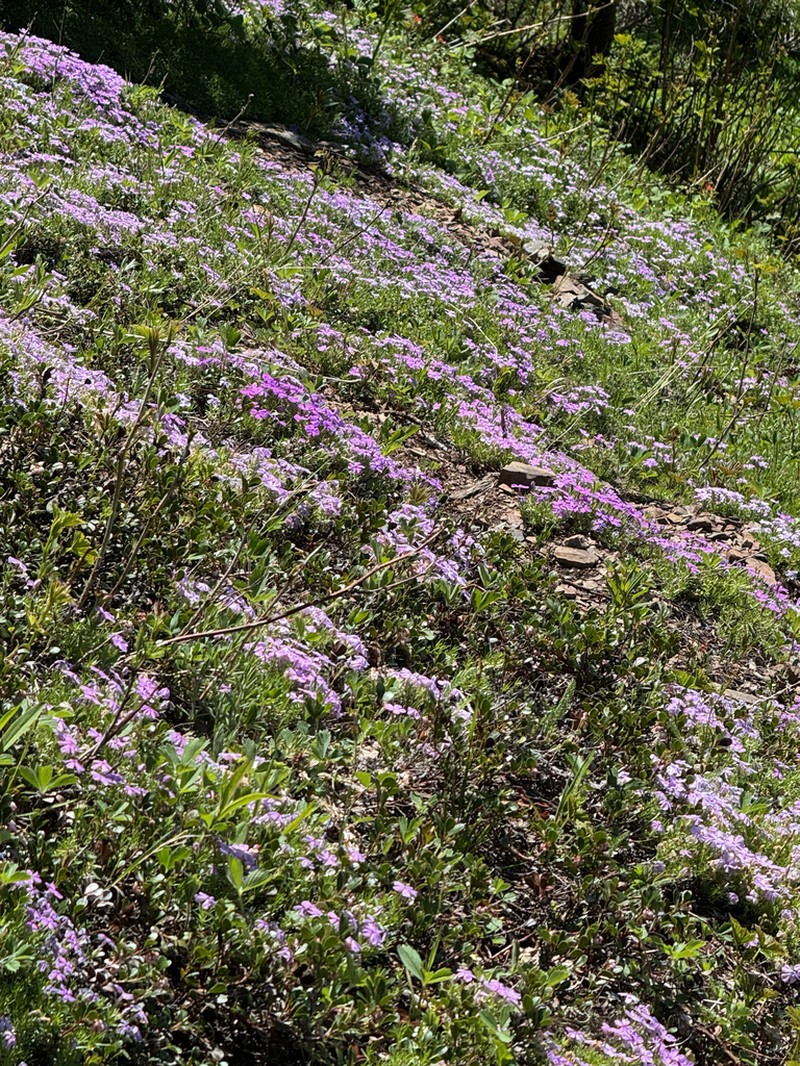
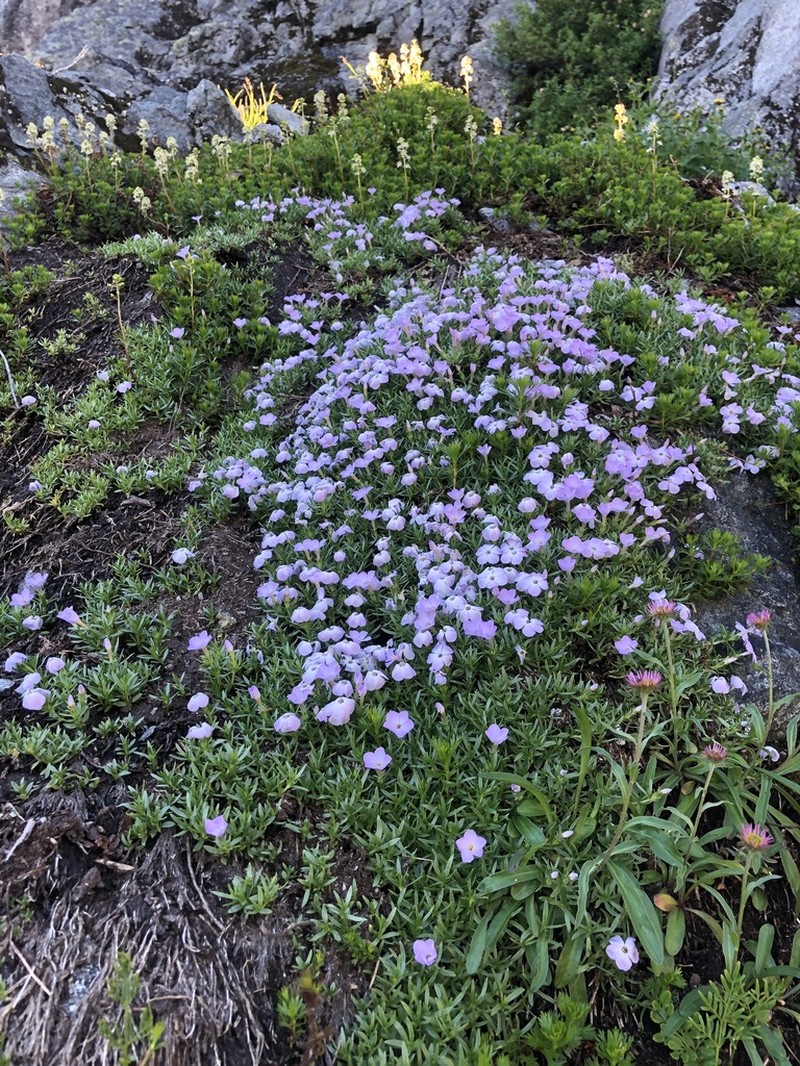
Taxonomy
- Division:
- Magnoliophyta | - Flowering plants
- Family:
- Polemoniaceae
- Genus:
- Phlox
- Species:
- Phlox diffusa
- USDA Symbol:
- PHDI3
Growth Characteristics
- Life Cycle:
- Perennial
- Growth Habit:
- Forb/herb , Subshrub
- Height:
- 15 cm
- Light Requirements:
- Full Sun
- Drought Tolerance:
- High
- Bloom Months:
- apr,may,jun,jul
- Bloom Colors:
- pink, white, lavender
- Ground Cover:
- Yes
- Lawn Substitute:
- Yes
Wildlife Benefits
- Bees:
- ★☆☆☆☆ Documented bee visitation (GBIF)
- Butterflies & Moths:
- ★☆☆☆☆ Documented Lepidoptera association (GBIF)
Keystone Species Ranking
- Caterpillar Keystone:
- ★★☆☆☆ Butterfly & moth species supported by this genus (NWF)
Garden & Ecology Notes
- Wildlife Value:
- bees, butterflies
- Deer Resistant:
- Yes
Soil Requirements
- Soil Type:
- rocky, well-drained, nutrient-poor soil
- pH:
- 6.0 - 7.5 (slightly acidic to neutral)
- Drainage:
- excellent drainage required
- Moisture:
- dry to moderate
- Notes:
- native to alpine and subalpine regions
Propagation & Germination
- Stratification:
- Cold/moist stratification required — 30–60 days
- Germination Time:
- 14–30 days
- Notes:
- Seeds benefit from cold stratification for 4-8 weeks before sowing.
Pre-treatment: 17 weeks cold moist pre-chill
Establishment: Seeds are slow and tedious to collect from these low-growing plants; not present at all in some collection years and sparse in most; tend to wither if collected at less than full ripeness, single seed per flower. The plant is native to Western US and central plains on open, dry, gravelly or sandy soils, in openings and large clearings.
Source: npn.rngr.net