
Showy Phlox
Phlox speciosa
- Native to:
- Canada, United States
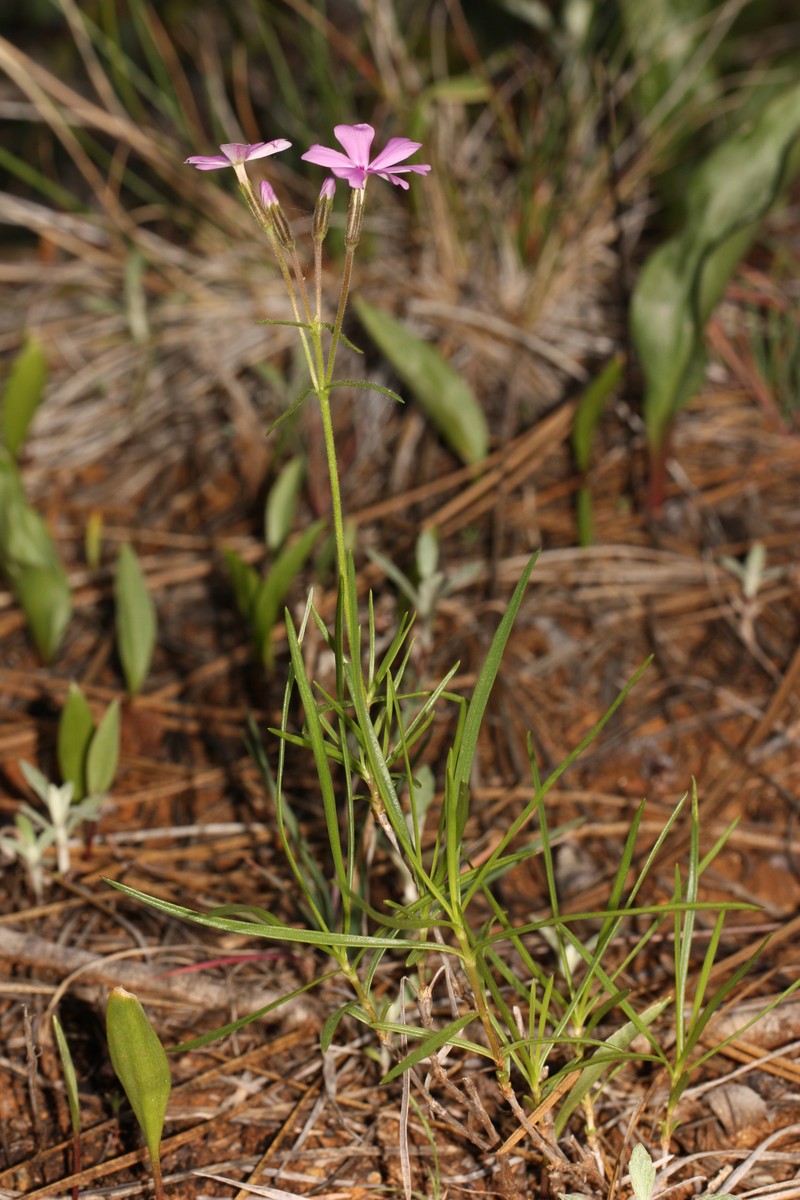
Walter Siegmund (talk)
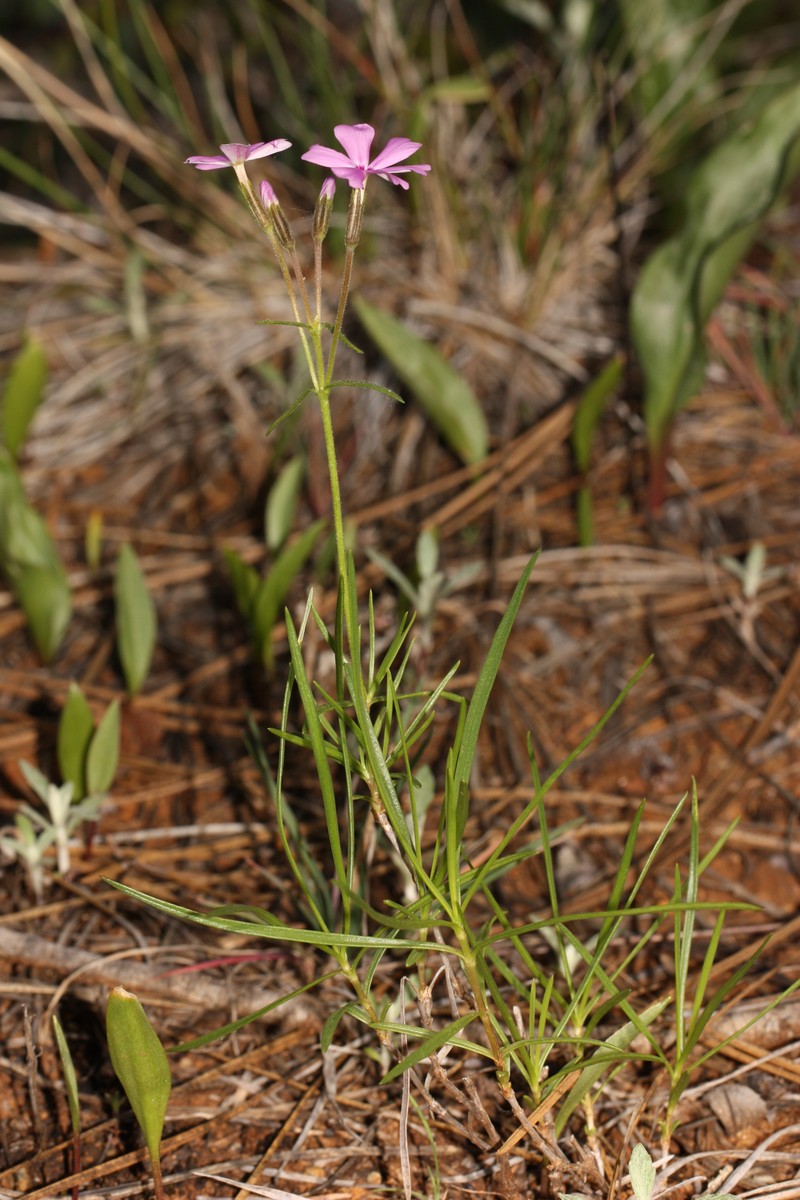
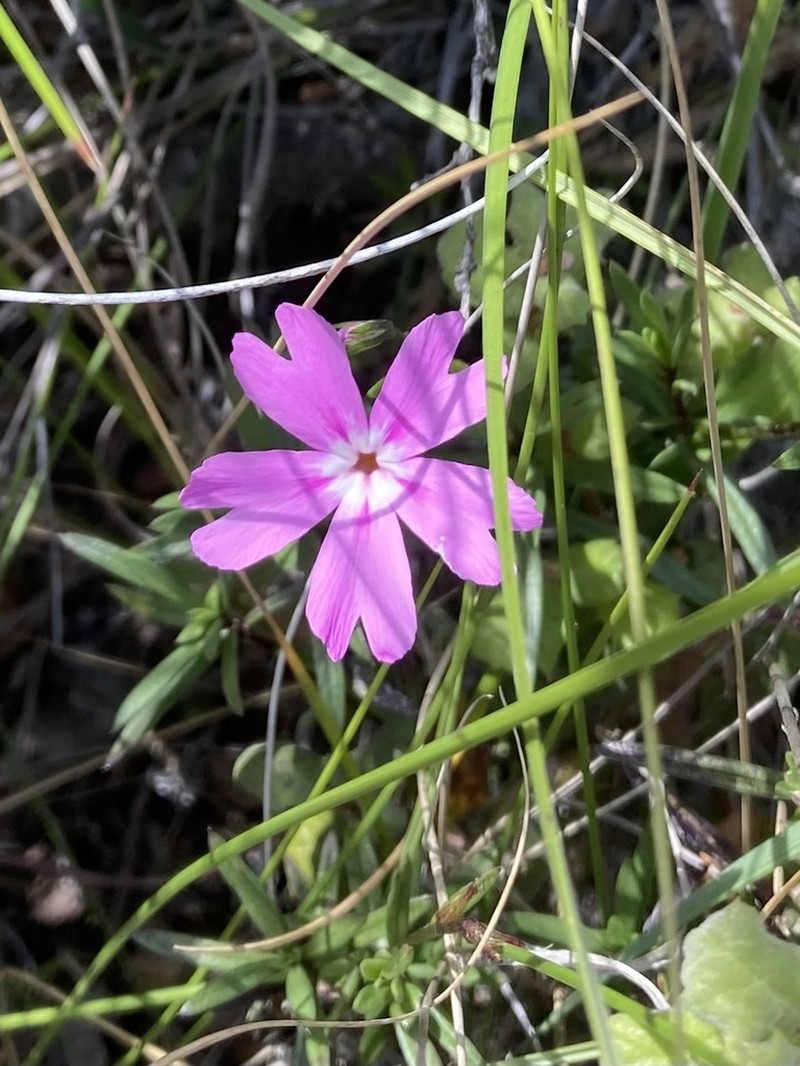
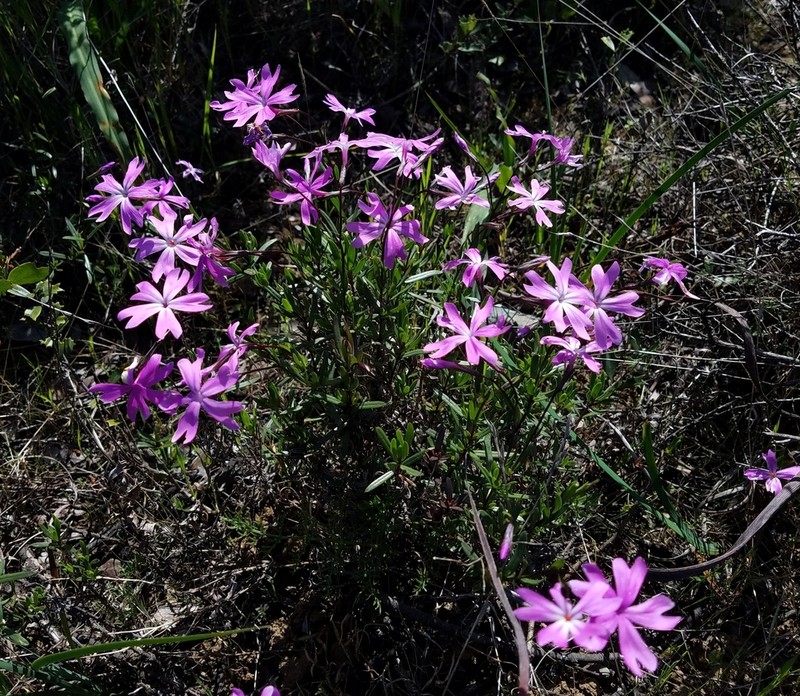
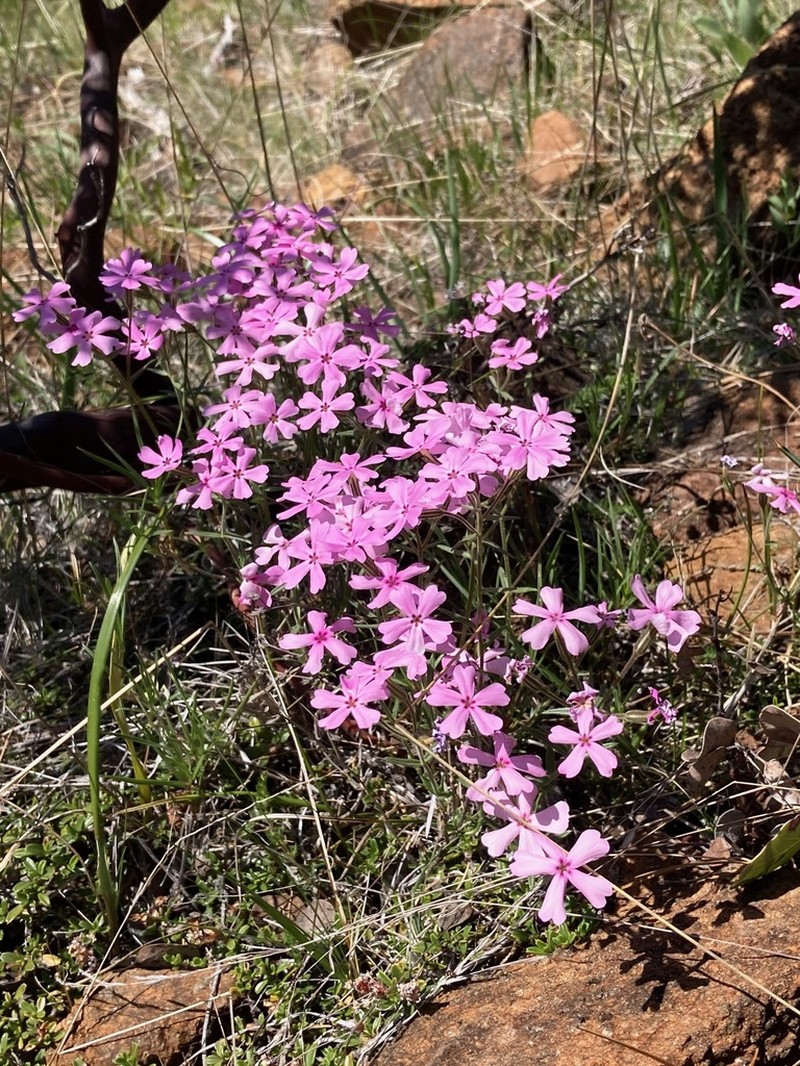
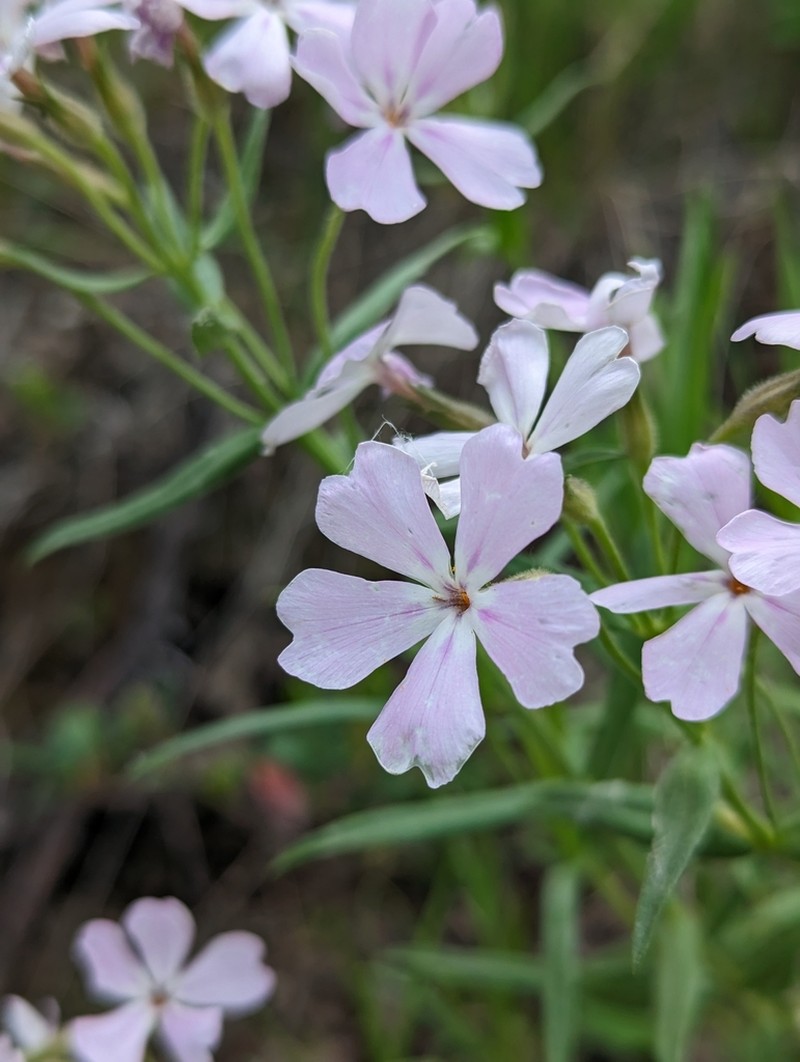
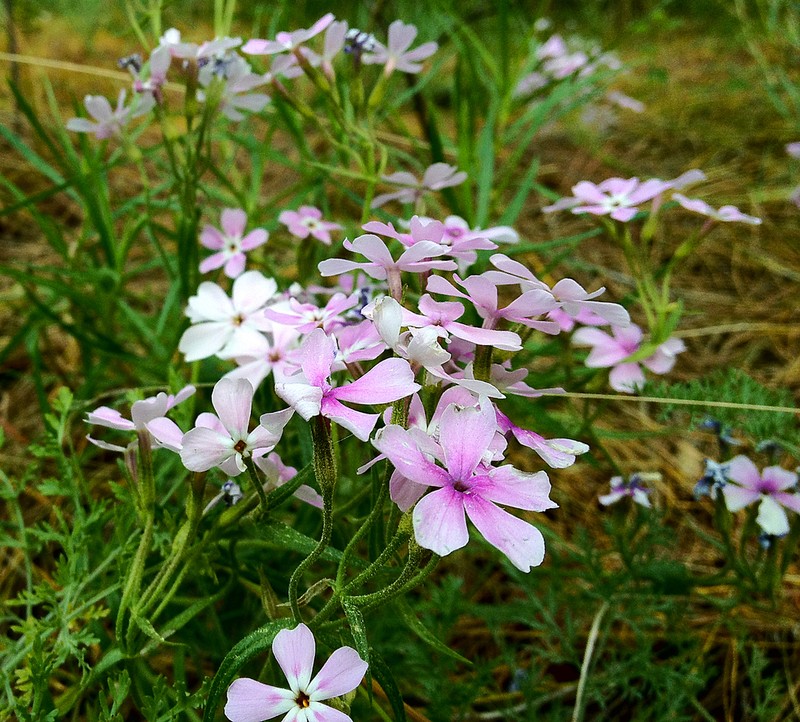
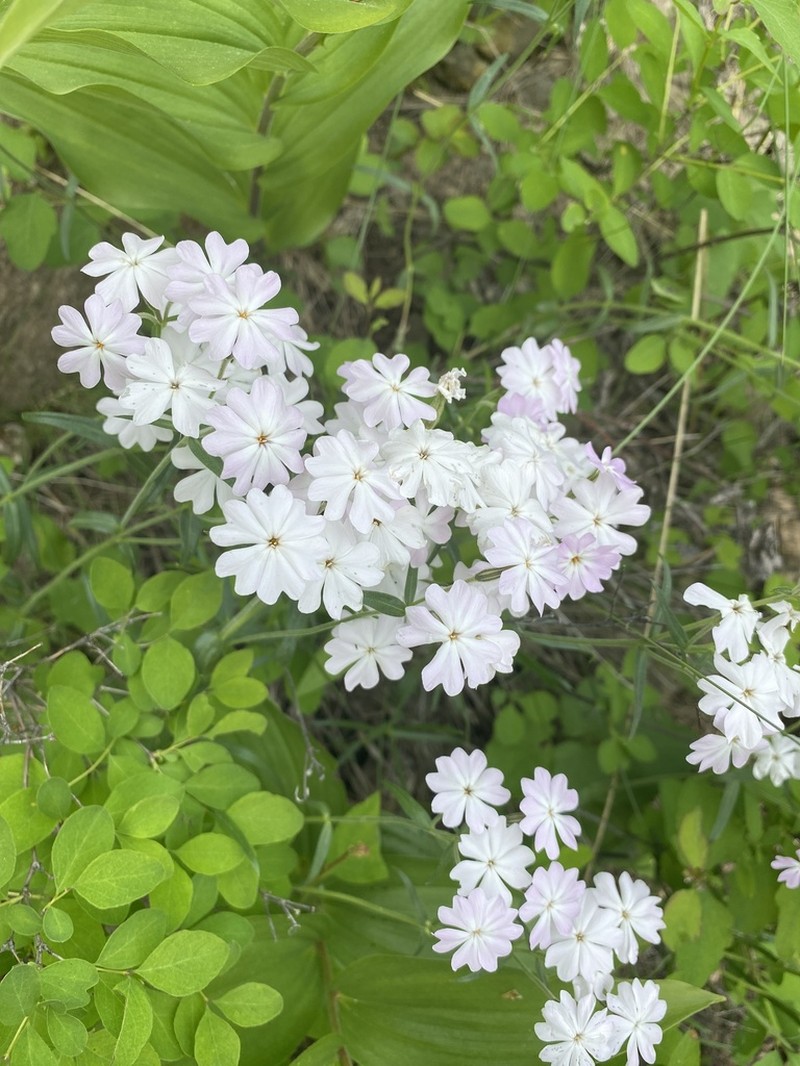
Taxonomy
- Division:
- Magnoliophyta | - Flowering plants
- Family:
- Polemoniaceae
- Genus:
- Phlox
- Species:
- Phlox speciosa
- USDA Symbol:
- PHSP
Growth Characteristics
- Life Cycle:
- Perennial
- Growth Habit:
- Forb/herb , Subshrub
- Height:
- 60 cm
- Light Requirements:
- Full Sun
- Drought Tolerance:
- Medium
- Bloom Months:
- apr,may,jun
- Bloom Colors:
- pink, white
Wildlife Benefits
- Bees:
- ★☆☆☆☆ Documented bee visitation (GBIF)
- Butterflies & Moths:
- ★☆☆☆☆ Documented Lepidoptera association (GBIF)
- Caterpillars:
- ★☆☆☆☆ Recorded caterpillar host plant (HOSTS Database)
Keystone Species Ranking
- Caterpillar Keystone:
- ★★☆☆☆ Butterfly & moth species supported by this genus (NWF)
Host Plant for Caterpillars
common idia (Idia aemula)
Garden & Ecology Notes
- Wildlife Value:
- bees, butterflies, hummingbirds
- Fragrant:
- Yes
Soil Requirements
- Soil Type:
- well-drained, sandy or rocky soil
- pH:
- 6.0 - 7.5 (slightly acidic to neutral)
- Drainage:
- excellent drainage required
- Moisture:
- dry to moderate
- Notes:
- native to open woodlands and rocky slopes
Propagation & Germination
- Stratification:
- Cold/moist stratification required — 30–60 days
- Germination Time:
- 14–30 days
- Notes:
- Seeds benefit from cold stratification for 4-8 weeks to break dormancy.
Pre-treatment: 90 days of cold moist stratification for optimal germination. Seed can germinate in cold temperatures. Some seed will germinate during stratification and stratified seed will emerge more rapidly than untreated seed.
Establishment: Increasing stratification time to 120 days resulted in lower emergence (42%). Seed planted in containers outdoors reached 55% emergence. The seed must be collected as it ripens but before the capsules dehisce. Vegetative propagation is also possible.
Source: npn.rngr.net