
Crispleaf Buckwheat
Eriogonum corymbosum
- Native to:
- United States
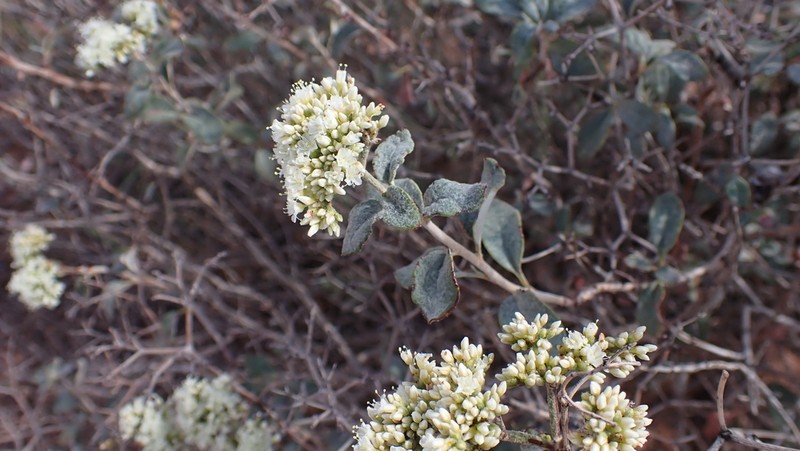
iNaturalist: © evanofindiana (iNaturalist #243164050)
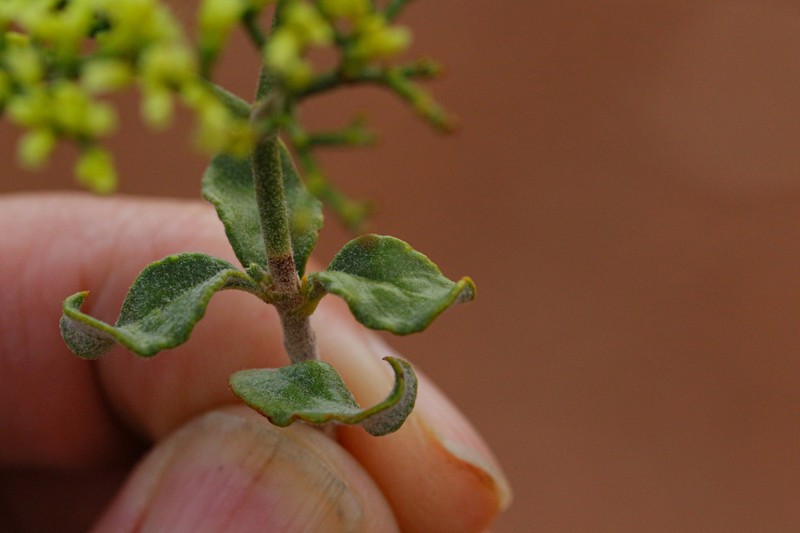
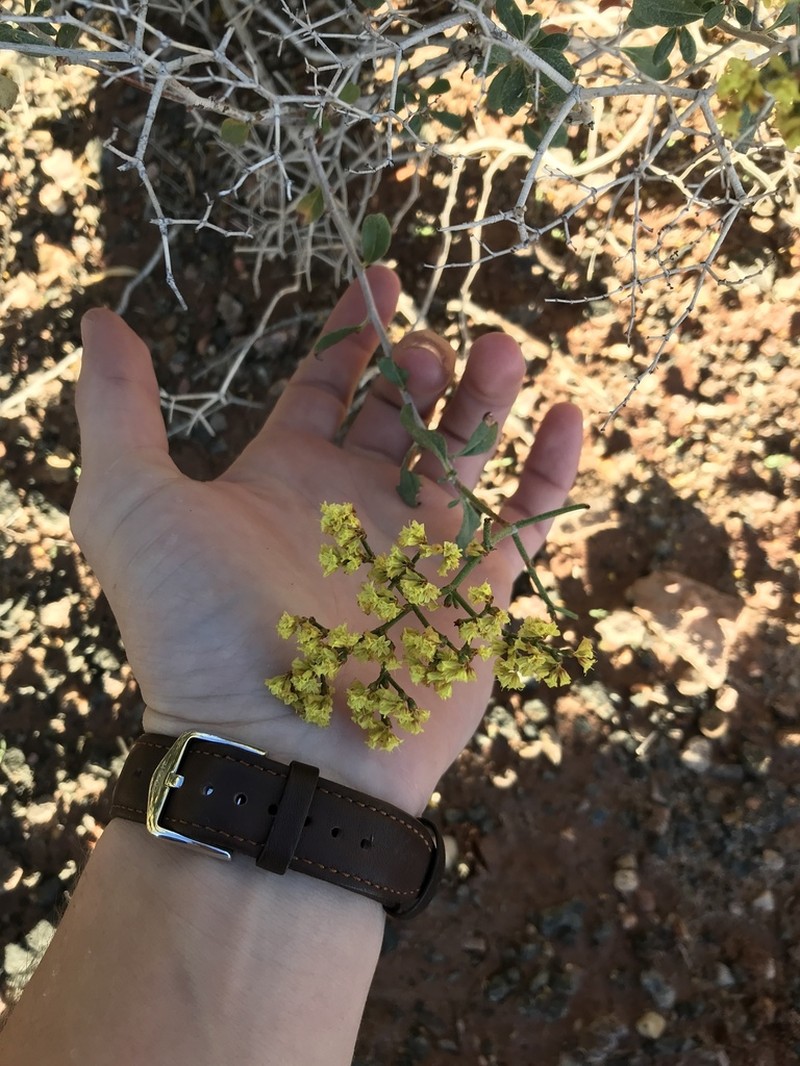
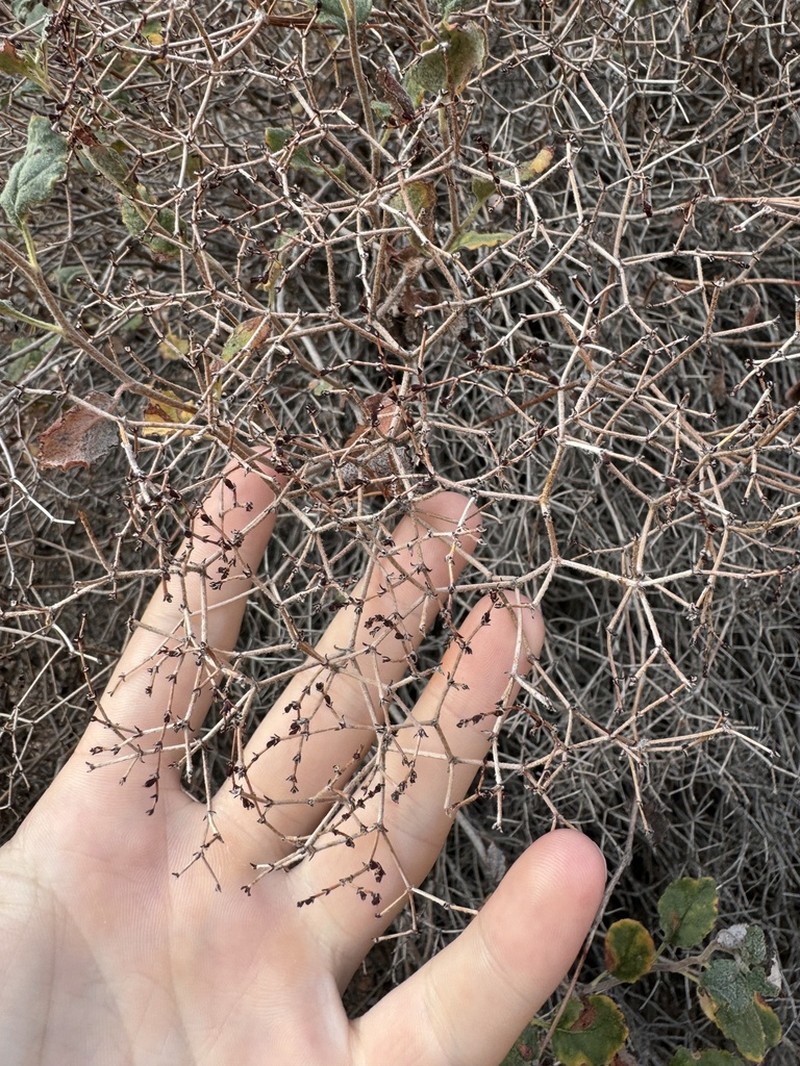
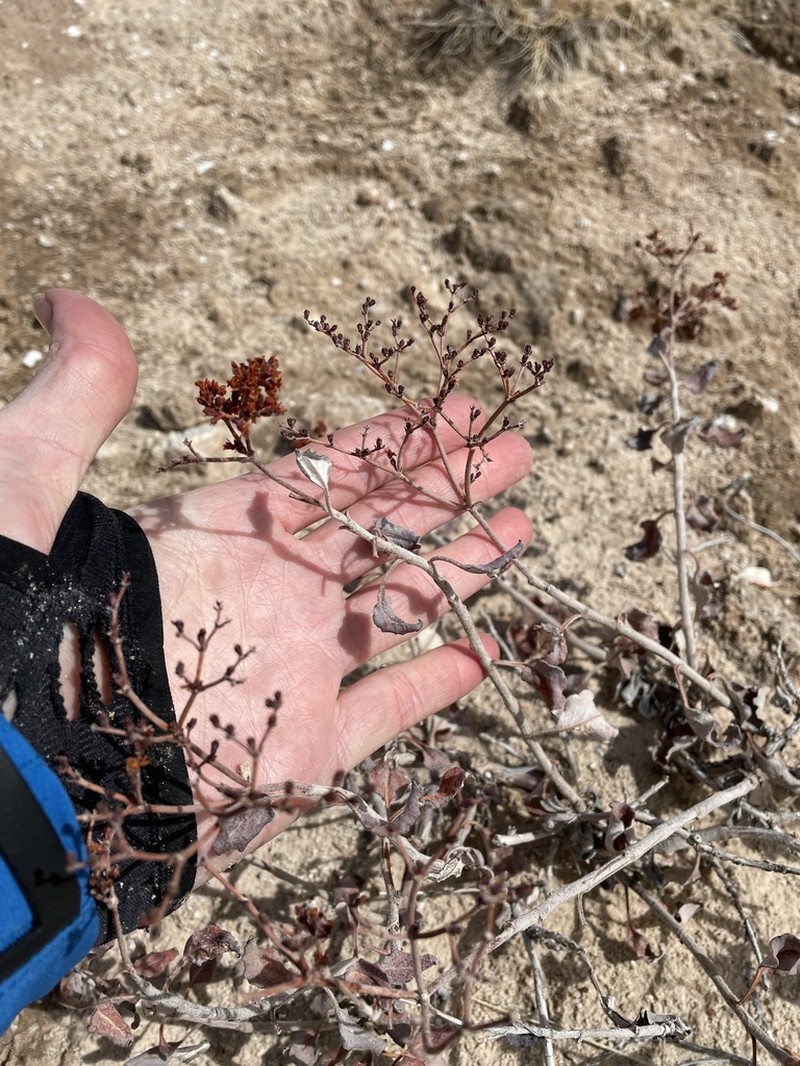
Taxonomy
- Division:
- Magnoliophyta | - Flowering plants
- Family:
- Polygonaceae
- Genus:
- Eriogonum
- Species:
- Eriogonum corymbosum
- USDA Symbol:
- ERCO14
Growth Characteristics
- Life Cycle:
- Perennial
- Growth Habit:
- Shrub , Subshrub
- Height:
- 120 cm
- Light Requirements:
- Full Sun
- Drought Tolerance:
- High
- Bloom Months:
- jul,aug,sep,oct
- Bloom Colors:
- white, cream, yellow
Wildlife Benefits
- Bees:
- ★☆☆☆☆ Documented bee visitation (GBIF)
- Butterflies & Moths:
- ★☆☆☆☆ Documented Lepidoptera association (GBIF)
- Caterpillars:
- ★☆☆☆☆ Recorded caterpillar host plant (HOSTS Database)
Keystone Species Ranking
- Pollen Specialist Bee Keystone:
- ★★★★☆ Native pollen specialist bee species supported by this genus (NWF)
Host Plant for Caterpillars
Acmon blue (Plebejus acmon), Rita Blue (Euphilotes rita), Sheridan's green hairstreak (Callophrys sheridanii), Square-spotted blue (Euphilotes battoides)
Reported Fauna Sightings
Butterflies:Euphilotes ellisii
Garden & Ecology Notes
- Wildlife Value:
- bees, butterflies
- Deer Resistant:
- Yes
Soil Requirements
- Soil Type:
- sandy, well-drained, nutrient-poor soil
- pH:
- 6.0 - 8.0 (neutral to slightly alkaline)
- Drainage:
- excellent drainage required
- Moisture:
- dry to moderate
- Notes:
- native to arid, rocky habitats
Propagation & Germination
- Stratification:
- Cold/moist stratification required — 30–60 days
- Germination Time:
- 14–30 days
- Notes:
- Seeds benefit from cold stratification for 4-8 weeks; sow in fall or after cold treatment.
Pre-treatment: 6 prechilling treatments were used: 0,2,4,8,12,16 and 24 weeks of moist chilling at 2C in the dark.
Establishment: E. corymbosum flowers in late summer to fall and seeds ripen in late September to early November, depending on elevation. The germination response is likely related to habitat temperature, with seeds from warmer, lower elevation sites germinating faster than those from cooler, higher elevation sites.
Source: npn.rngr.net