
Tall Woolly Buckwheat
Eriogonum elatum
- Native to:
- United States
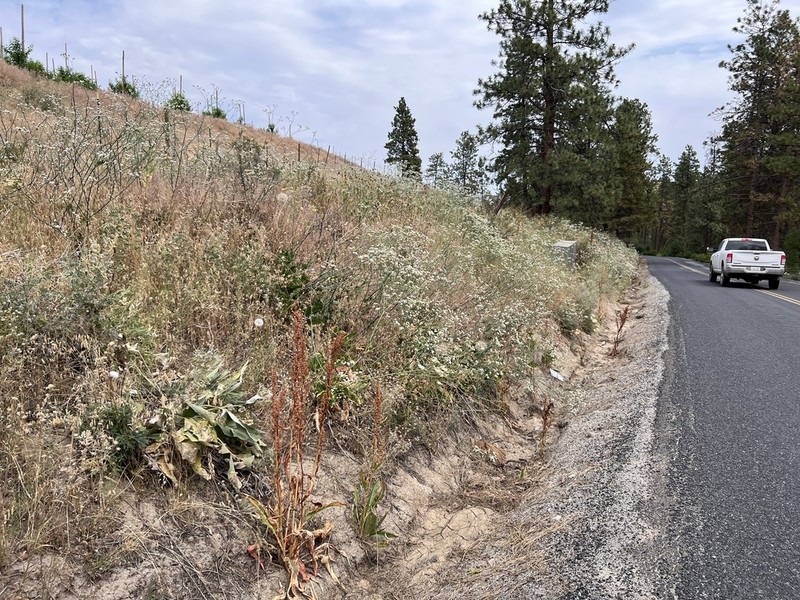
iNaturalist: © wenatcheeb (iNaturalist #129184744)
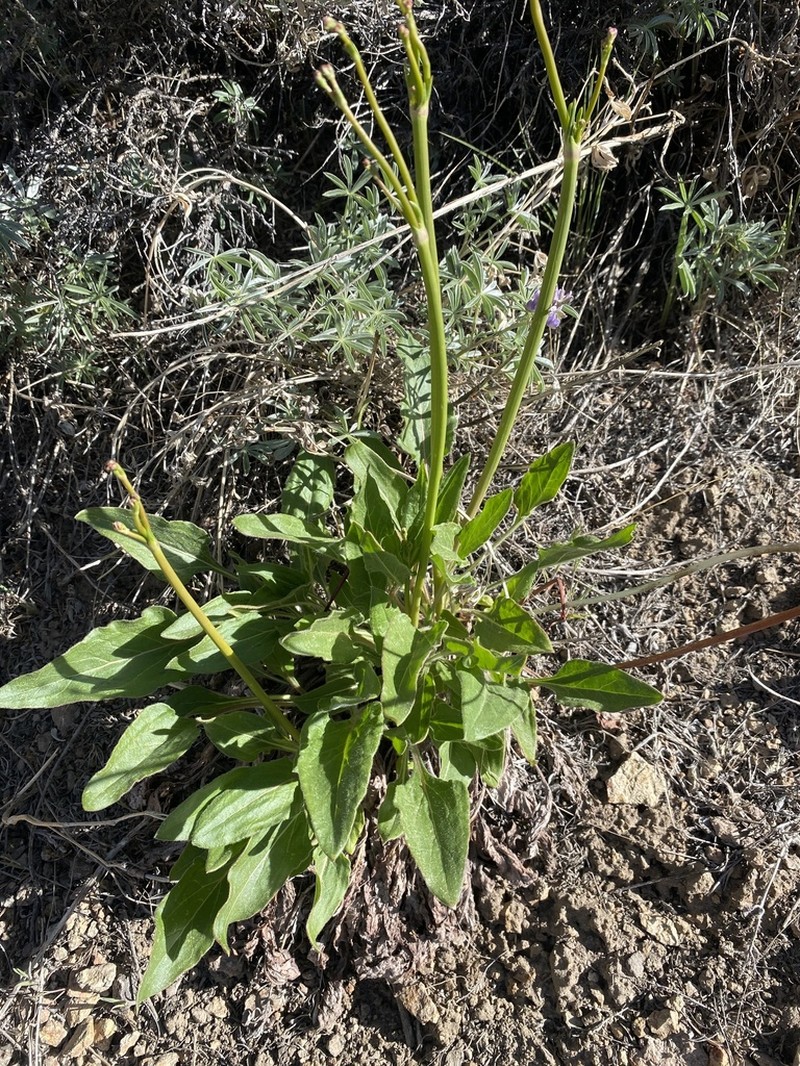
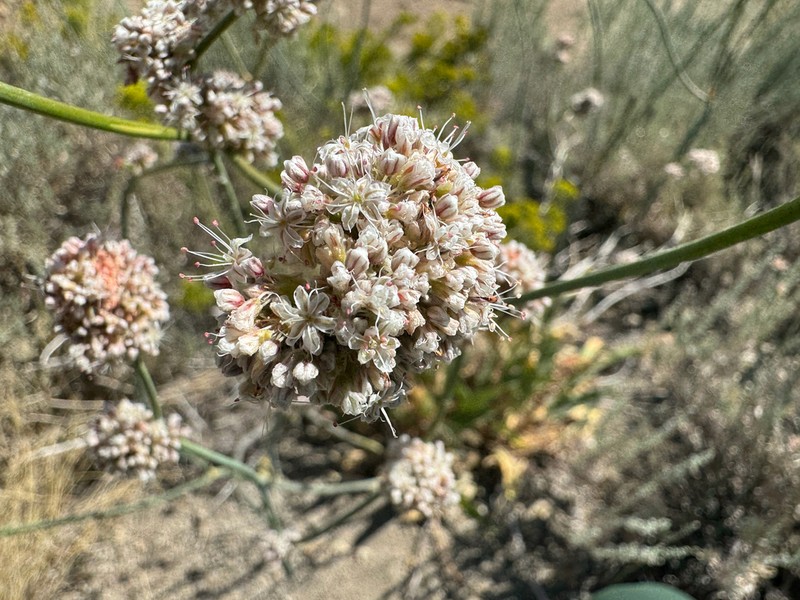
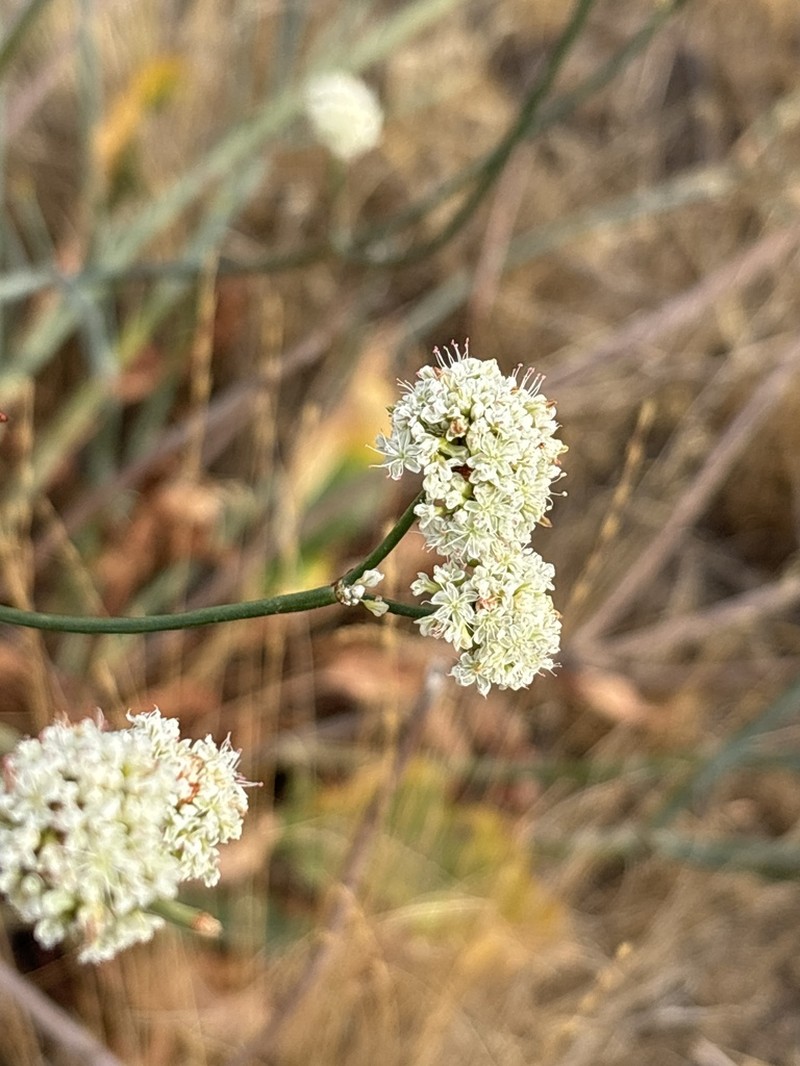
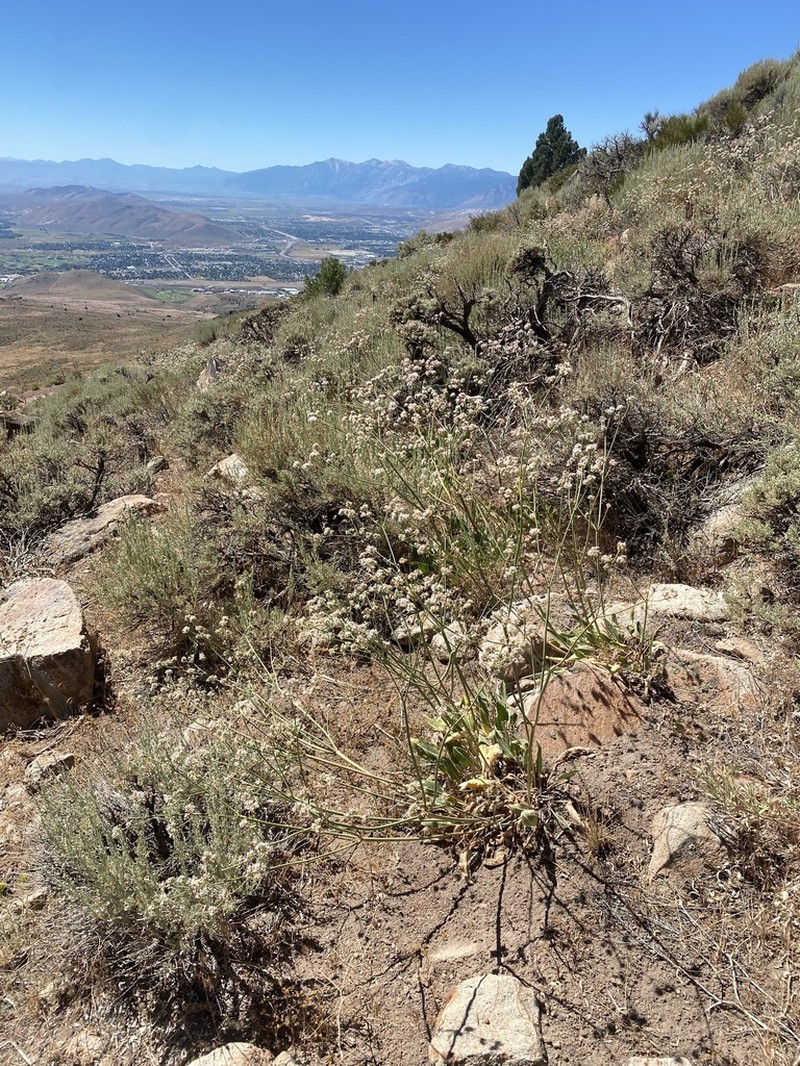
Taxonomy
- Division:
- Magnoliophyta | - Flowering plants
- Family:
- Polygonaceae
- Genus:
- Eriogonum
- Species:
- Eriogonum elatum
- USDA Symbol:
- EREL5
Growth Characteristics
- Life Cycle:
- Perennial
- Growth Habit:
- Forb/herb , Subshrub
- Height:
- 120 cm
- Light Requirements:
- Full Sun
- Drought Tolerance:
- High
- Bloom Months:
- jun,jul,aug,sep
- Bloom Colors:
- white, pink
Wildlife Benefits
- Bees:
- ★☆☆☆☆ Documented bee visitation (GBIF)
- Butterflies & Moths:
- ★★★★☆ Documented Lepidoptera association (GBIF)
- Caterpillars:
- ★☆☆☆☆ Recorded caterpillar host plant (HOSTS Database)
Keystone Species Ranking
- Pollen Specialist Bee Keystone:
- ★★★★☆ Native pollen specialist bee species supported by this genus (NWF)
Host Plant for Caterpillars
Lembert's hairstreak (Callophrys lemberti)
Reported Fauna Sightings
Bees: Hunt's bumble bee (Bombus huntii), Two-form bumble bee (Bombus bifarius), Yellow-faced bumble bee (Bombus vosnesenskii) Butterflies:Behr's hairstreak (Satyrium behrii), Dotted Blue (Euphilotes enoptes), Gray Hairstreak (Strymon melinus)
Garden & Ecology Notes
- Wildlife Value:
- bees, butterflies
- Deer Resistant:
- Yes
- Fire Ecology:
- Fire adapted — tolerates or benefits from fire
- Fire Notes:
- Resprouts from root crown after fire; seeds germinate well in post-fire conditions.
Soil Requirements
- Soil Type:
- sandy, well-drained, nutrient-poor soil
- pH:
- 6.0 - 8.0 (slightly acidic to neutral)
- Drainage:
- excellent drainage required
- Moisture:
- dry to moderate
- Notes:
- native to arid, open areas; prefers rocky slopes
Propagation & Germination
- Stratification:
- Cold/moist stratification required — 30–60 days
- Germination Time:
- 14–30 days
- Notes:
- Seeds benefit from cold stratification for 4-8 weeks to improve germination.
Pre-treatment: Seeds are soaked in a 1% hydrogen peroxide solution for 24 hours, rinsed, and soaked in water for another 24 hours. They are then placed in fine mesh bags, layered in peat in a covered container, and refrigerated at 1 to 3 °C for 60 days. Seeds should be checked weekly for mold and treated with 1% hydrogen peroxide if necessary.
Establishment: The plant is generally found east of the Cascades crest in Washington; Washington south to California, less commonly east to Idaho. It thrives in open sagebrush desert in the foothills to rather high elevations in the mountains. Propagation collection is done by hand into paper bags.
Source: npn.rngr.net