
Alpine Golden Buckwheat
Eriogonum flavum
- Native to:
- Canada, United States
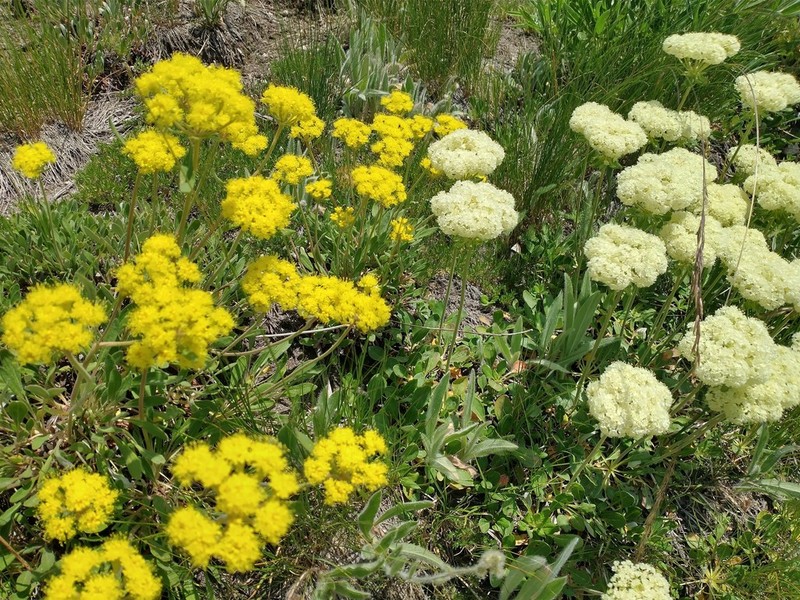
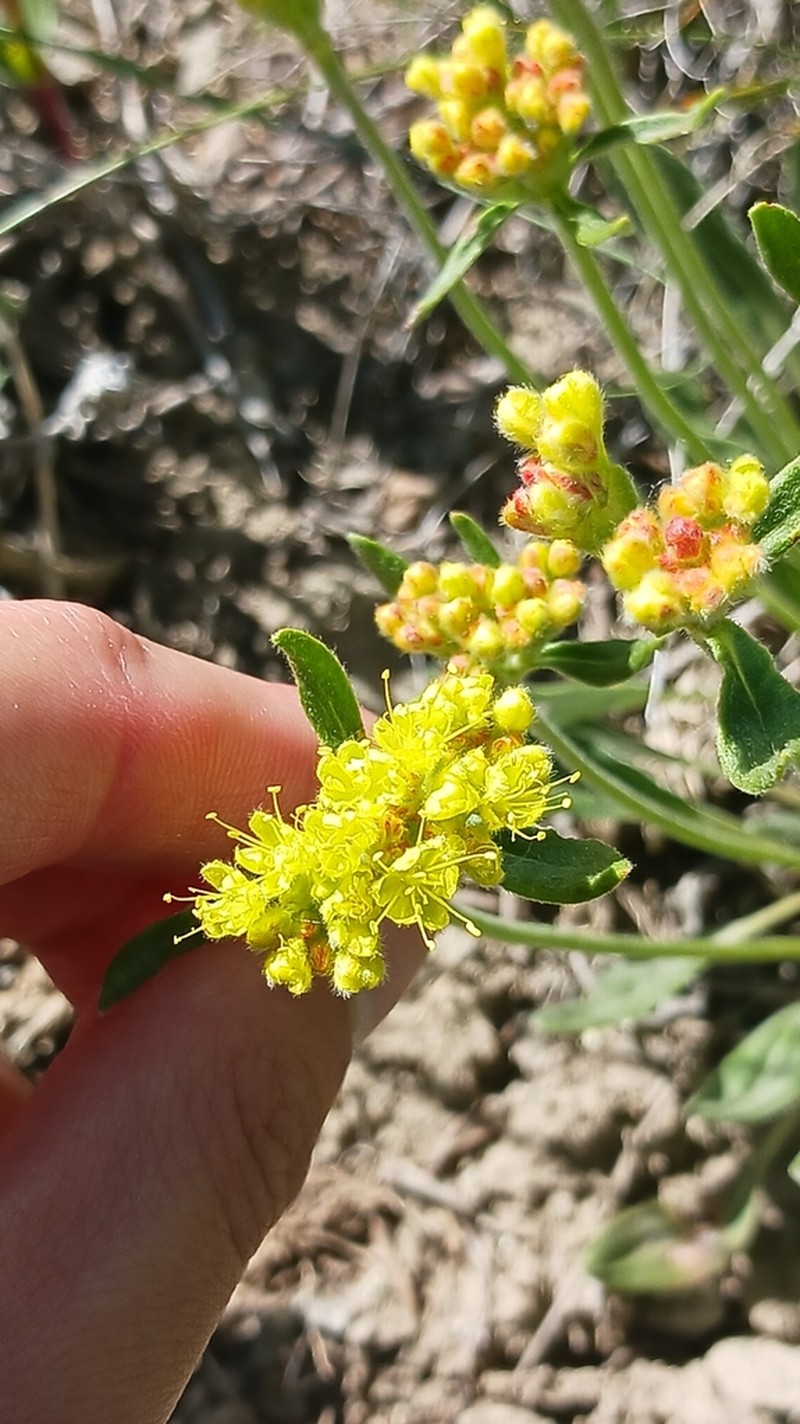
iNaturalist: © fish_squeezer (iNaturalist #260721326)
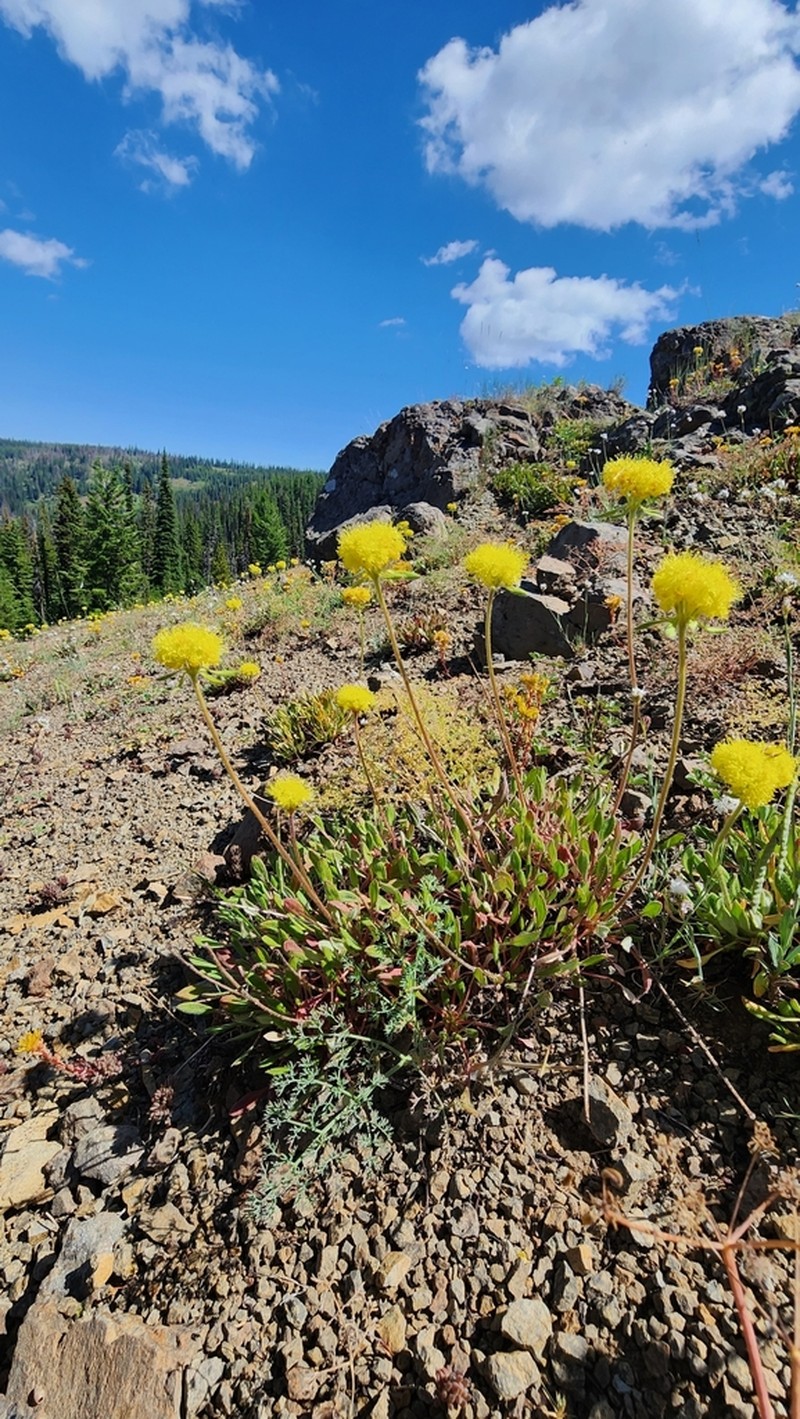
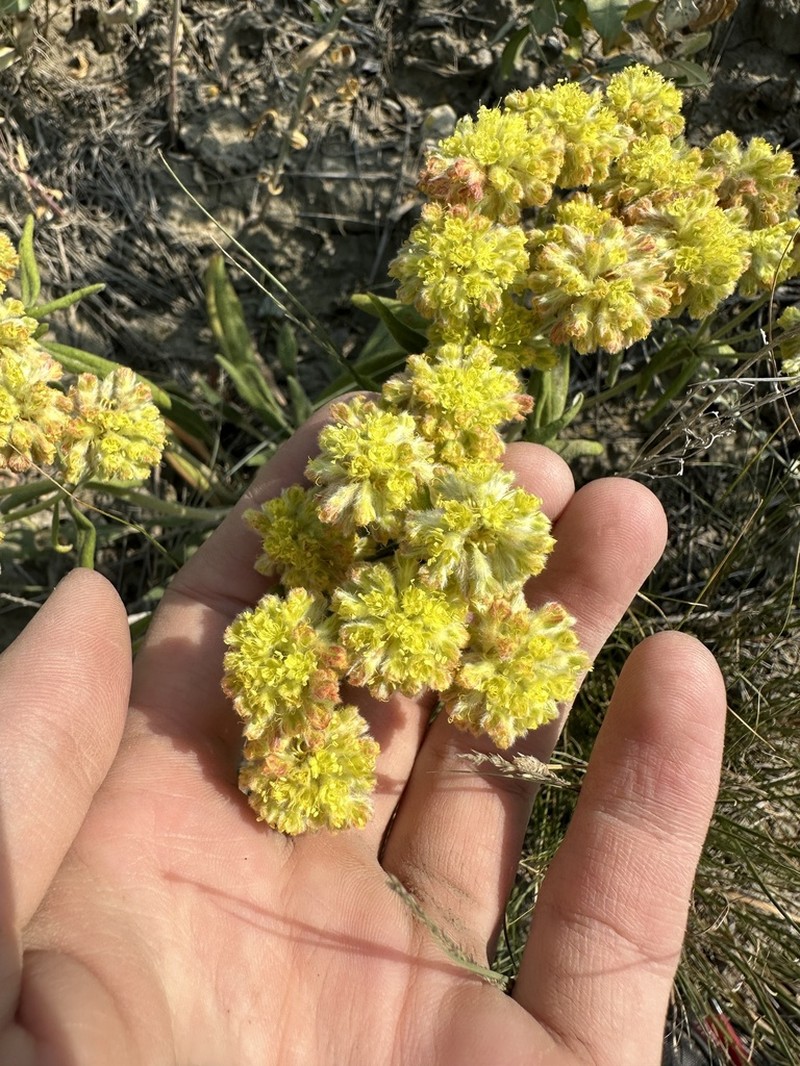
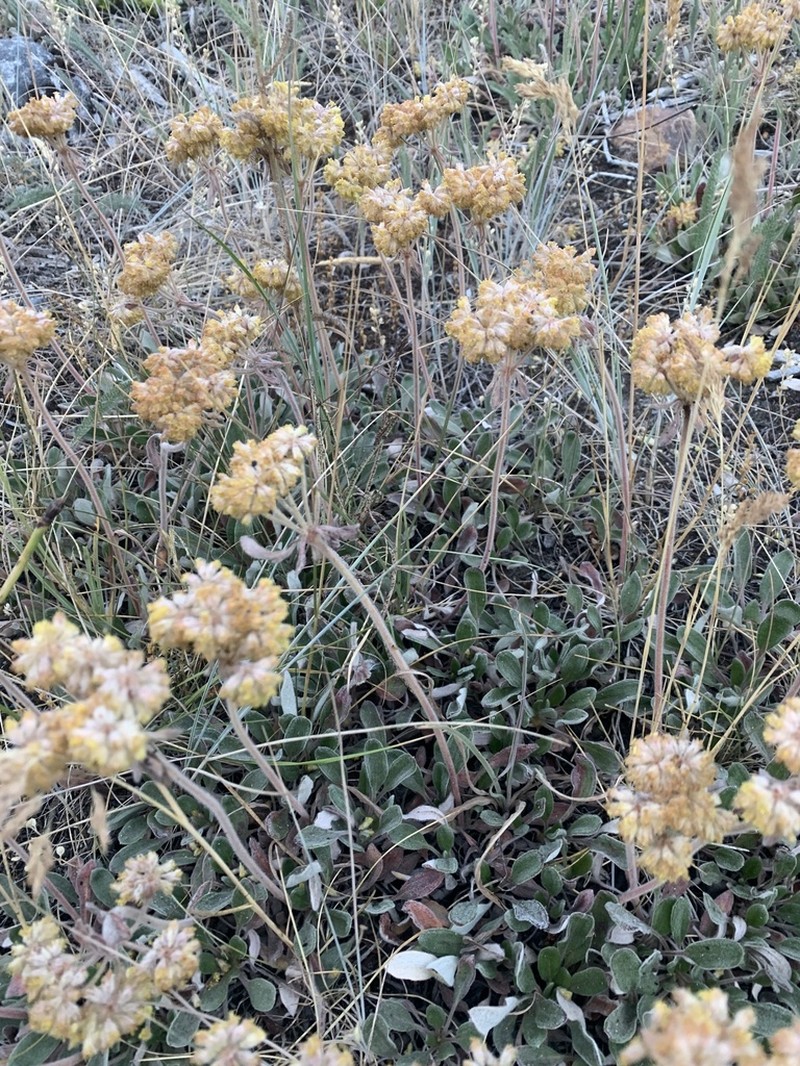
Taxonomy
- Division:
- Magnoliophyta | - Flowering plants
- Family:
- Polygonaceae
- Genus:
- Eriogonum
- Species:
- Eriogonum flavum
- USDA Symbol:
- ERFL4
Growth Characteristics
- Life Cycle:
- Perennial
- Growth Habit:
- Forb/herb , Subshrub
- Height:
- 40 cm
- Light Requirements:
- Full Sun
- Drought Tolerance:
- High
- Bloom Months:
- jun,jul,aug,sep
- Bloom Colors:
- yellow, cream
Wildlife Benefits
- Bees:
- ★☆☆☆☆ Documented bee visitation (GBIF)
- Butterflies & Moths:
- ★★★☆☆ Documented Lepidoptera association (GBIF)
- Caterpillars:
- ★☆☆☆☆ Recorded caterpillar host plant (HOSTS Database)
Keystone Species Ranking
- Pollen Specialist Bee Keystone:
- ★★★★☆ Native pollen specialist bee species supported by this genus (NWF)
Host Plant for Caterpillars
Dotted Blue (Euphilotes enoptes), Rita Blue (Euphilotes rita), Square-spotted blue (Euphilotes battoides), Western Green Hairstreak (Callophrys affinis)
Reported Fauna Sightings
Bees: Two-form bumble bee (Bombus bifarius)
Garden & Ecology Notes
- Wildlife Value:
- butterflies, bees
- Deer Resistant:
- Yes
Soil Requirements
- Soil Type:
- sandy, well-drained, nutrient-poor soil
- pH:
- 6.0 - 8.0 (slightly acidic to neutral)
- Drainage:
- excellent drainage required
- Moisture:
- dry to moderate
- Notes:
- native to arid and semi-arid regions
Propagation & Germination
- Stratification:
- Cold/moist stratification required — 30–60 days
- Germination Time:
- 14–30 days
- Notes:
- Seeds benefit from cold stratification; sow in fall or after cold treatment.
Pre-treatment: Seeds undergo a 60 to 90 day cold, moist stratification. They are placed in fine mesh bags and buried in moist peat moss in ventilated containers under refrigeration at 1 to 3C.
Establishment: Seeds are collected in early September when the corolla turns papery. They are tan at maturity and are collected in paper bags, then kept in a well ventilated drying shed prior to cleaning.
Source: npn.rngr.net