
Parsnipflower Buckwheat
Eriogonum heracleoides
- Native to:
- Canada, United States
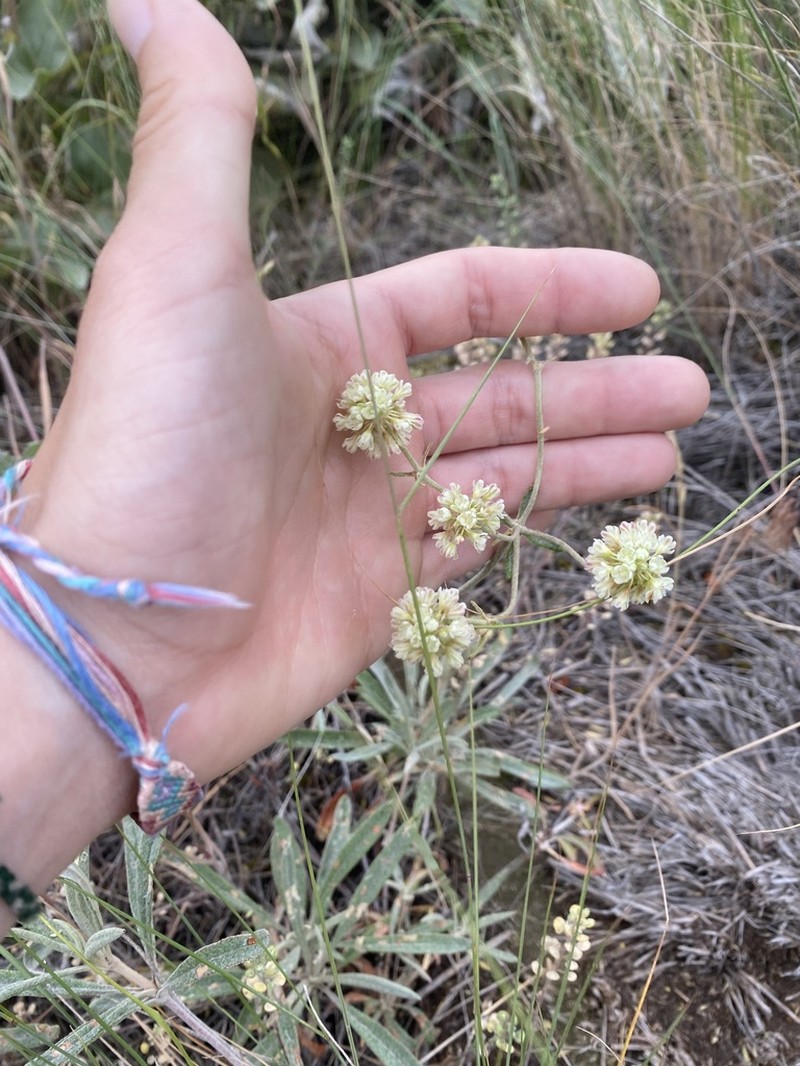
iNaturalist: © christinaheadey (iNaturalist #225432854)
Taxonomy
- Division:
- Magnoliophyta | - Flowering plants
- Family:
- Polygonaceae
- Genus:
- Eriogonum
- Species:
- Eriogonum heracleoides
- USDA Symbol:
- ERHE2
Growth Characteristics
- Life Cycle:
- Perennial
- Growth Habit:
- Forb/herb , Subshrub
- Height:
- 60 cm
- Light Requirements:
- Full Sun
- Drought Tolerance:
- High
- Bloom Months:
- may,jun,jul,aug
- Bloom Colors:
- white, cream, pink
Wildlife Benefits
- Bees:
- ★☆☆☆☆ Documented bee visitation (GBIF)
- Butterflies & Moths:
- ★★☆☆☆ Documented Lepidoptera association (GBIF)
- Caterpillars:
- ★☆☆☆☆ Recorded caterpillar host plant (HOSTS Database)
Keystone Species Ranking
- Pollen Specialist Bee Keystone:
- ★★★★☆ Native pollen specialist bee species supported by this genus (NWF)
Host Plant for Caterpillars
Reported Fauna Sightings
Garden & Ecology Notes
- Wildlife Value:
- bees, butterflies, birds
- Deer Resistant:
- Yes
- Fire Ecology:
- Fire adapted — tolerates or benefits from fire
- Fire Notes:
- Resprouts from root crown after fire; often increases in abundance post-fire.
Soil Requirements
- Soil Type:
- rocky, well-drained, nutrient-poor soil
- pH:
- 6.0 - 8.0 (neutral to slightly alkaline)
- Drainage:
- excellent drainage required
- Moisture:
- dry to moderate
- Notes:
- prefers open, sunny locations
Propagation & Germination
- Stratification:
- Cold/moist stratification required — 30–60 days
- Germination Time:
- 14–30 days
- Notes:
- Seeds benefit from cold moist stratification for 30-60 days to improve germination.
Pre-treatment: Fresh seed requires 30 to 40 days after-ripening and should be sown in the fall. For best germination rates, 12 weeks of cold moist stratification is required. Seed can be stored up to 5 years under ambient temperatures and humidity. Increasing stratification time to 120 days can result in 80% emergence.
Establishment: Seeds germinated to low percentages (<20%) without chilling, and generally had long chilling requirements (> 12 wk for complete dormancy removal) and slow germination rates in the cold (>15wk to 50%). Seed is collected in late July or early August when the inflorescence is dry and the seeds are light reddish brown in color. Harvested seed is stored in paper bags at room temperature until cleaned.
Source: npn.rngr.net