
Seaside Buckwheat
Eriogonum latifolium
- Native to:
- United States
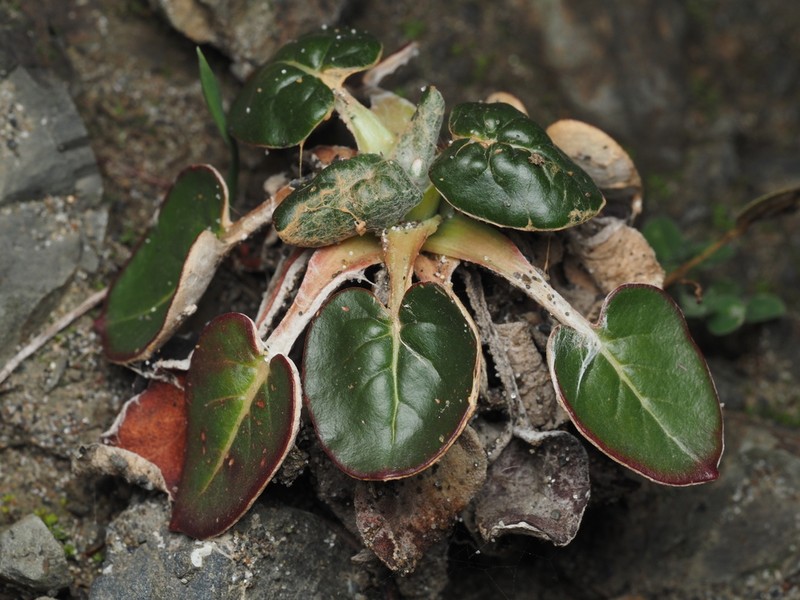
iNaturalist: © dbltucker (iNaturalist #145058645)
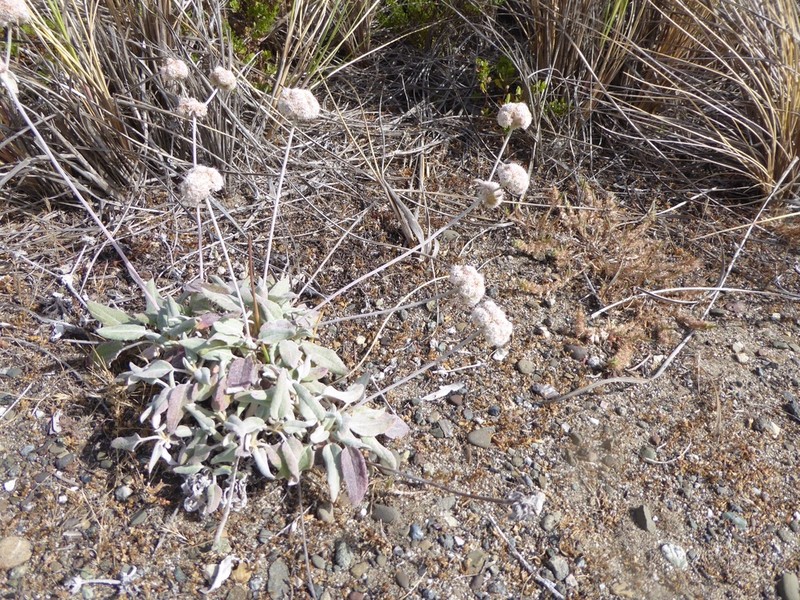
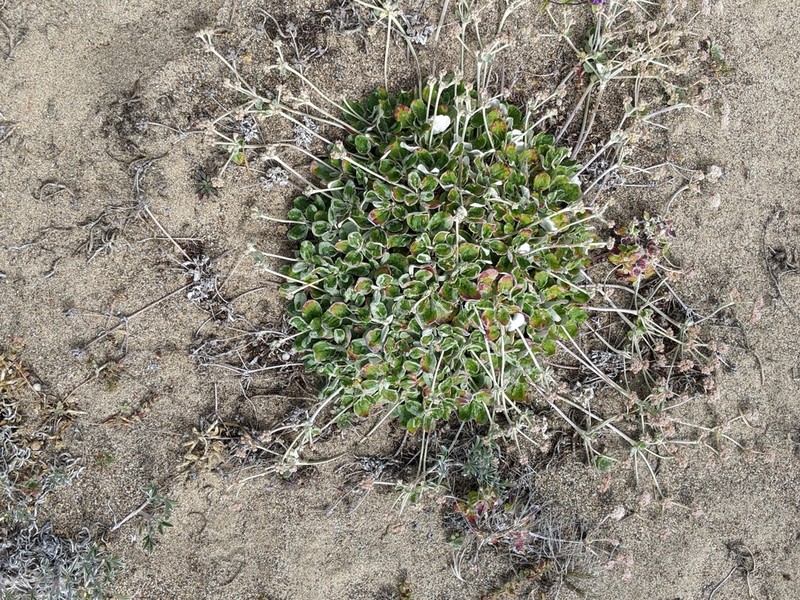
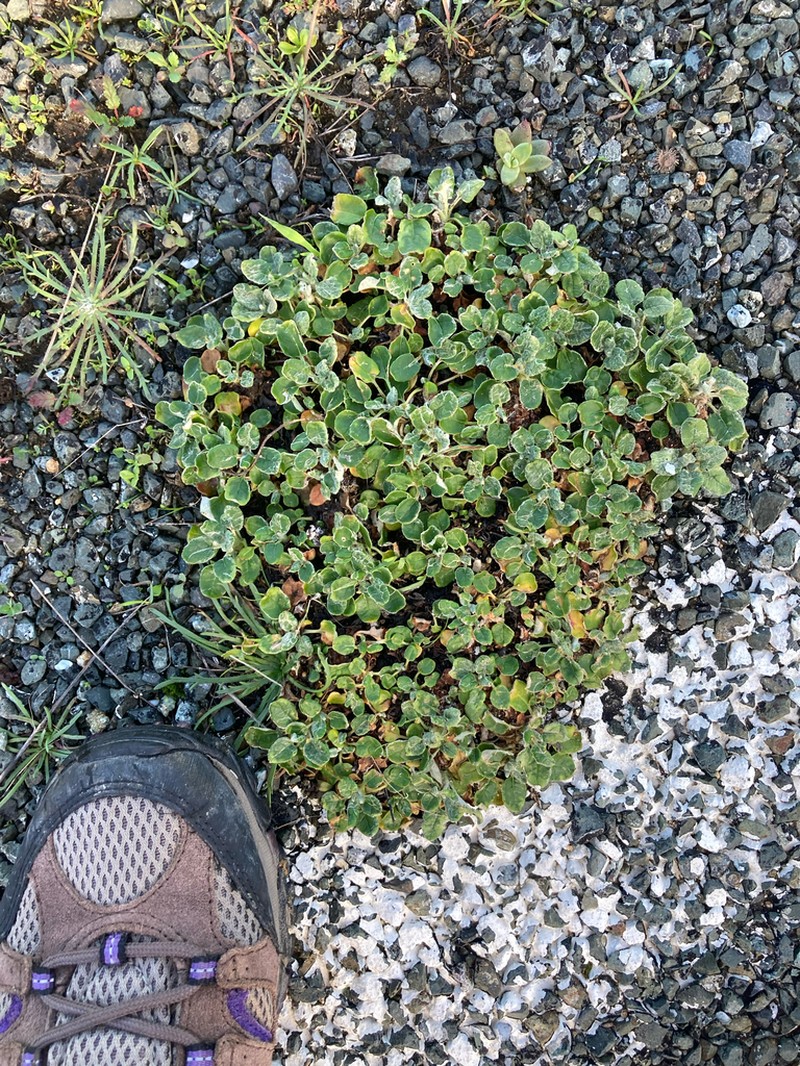
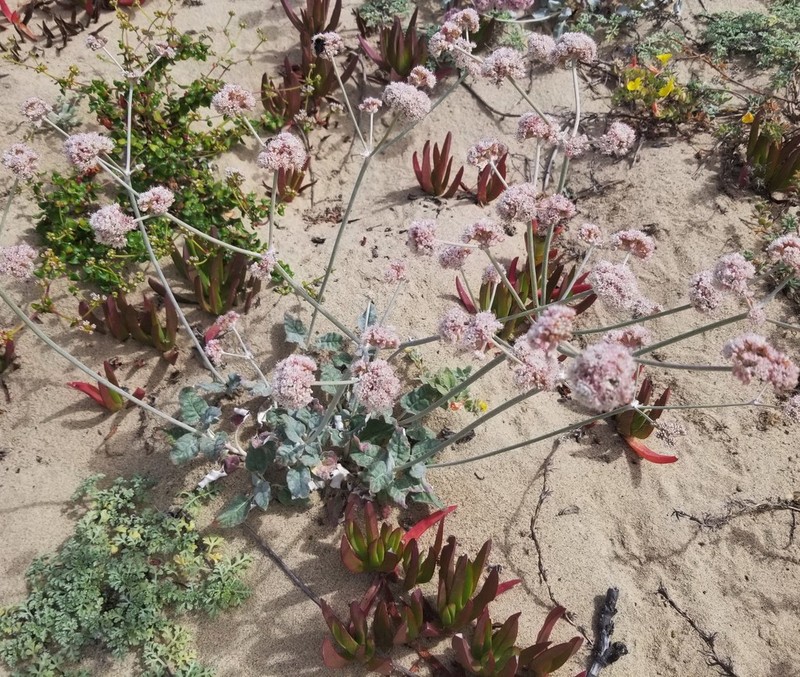
Taxonomy
- Division:
- Magnoliophyta | - Flowering plants
- Family:
- Polygonaceae
- Genus:
- Eriogonum
- Species:
- Eriogonum latifolium
- USDA Symbol:
- ERLA5
Growth Characteristics
- Life Cycle:
- Perennial
- Growth Habit:
- Subshrub
- Height:
- 60 cm
- Light Requirements:
- Full Sun
- Drought Tolerance:
- High
- Bloom Months:
- jun,jul,aug,sep
- Bloom Colors:
- white, pink
Wildlife Benefits
- Bees:
- ★☆☆☆☆ Documented bee visitation (GBIF)
- Butterflies & Moths:
- ★★★★☆ Documented Lepidoptera association (GBIF)
- Caterpillars:
- ★★★☆☆ Recorded caterpillar host plant (HOSTS Database)
Keystone Species Ranking
- Pollen Specialist Bee Keystone:
- ★★★★☆ Native pollen specialist bee species supported by this genus (NWF)
Host Plant for Caterpillars
Aroga sp. A, Aroga sp. B, Chionodes dammersi, Chionodes sp. B, Electra buckmoth (Hemileuca electra), Holcocera sp. A, omnivorous leaftier (Cnephasia longana), orange tortrix moth (Argyrotaenia franciscana), Synanthedon polygoni, Western tussock moth (Orgyia vetusta), Chalceria heteronea, Comstock's hairstreak (Callophrys comstocki), Dotted Blue (Euphilotes enoptes), Dusky Green Hairstreak (Callophrys dumetorum), Green Hairstreak (Callophrys viridis), ⚠️Mormon metalmark (Apodemia mormo), 🛑Neurona Blue (Plebejus neurona)
Reported Fauna Sightings
Bees: Two-form bumble bee (Bombus bifarius), ⚠️Western honey bee (Apis mellifera) Butterflies:Dusky Green Hairstreak (Callophrys dumetorum), Icaricia acmon, Tharsalea heteronea
Garden & Ecology Notes
- Wildlife Value:
- butterflies, bees
- Deer Resistant:
- Yes
- Salt Tolerant:
- Yes
Soil Requirements
- Soil Type:
- sandy, well-drained, nutrient-poor soil
- pH:
- 5.5 - 7.5 (slightly acidic to neutral)
- Drainage:
- excellent drainage required
- Moisture:
- dry to moderate
- Notes:
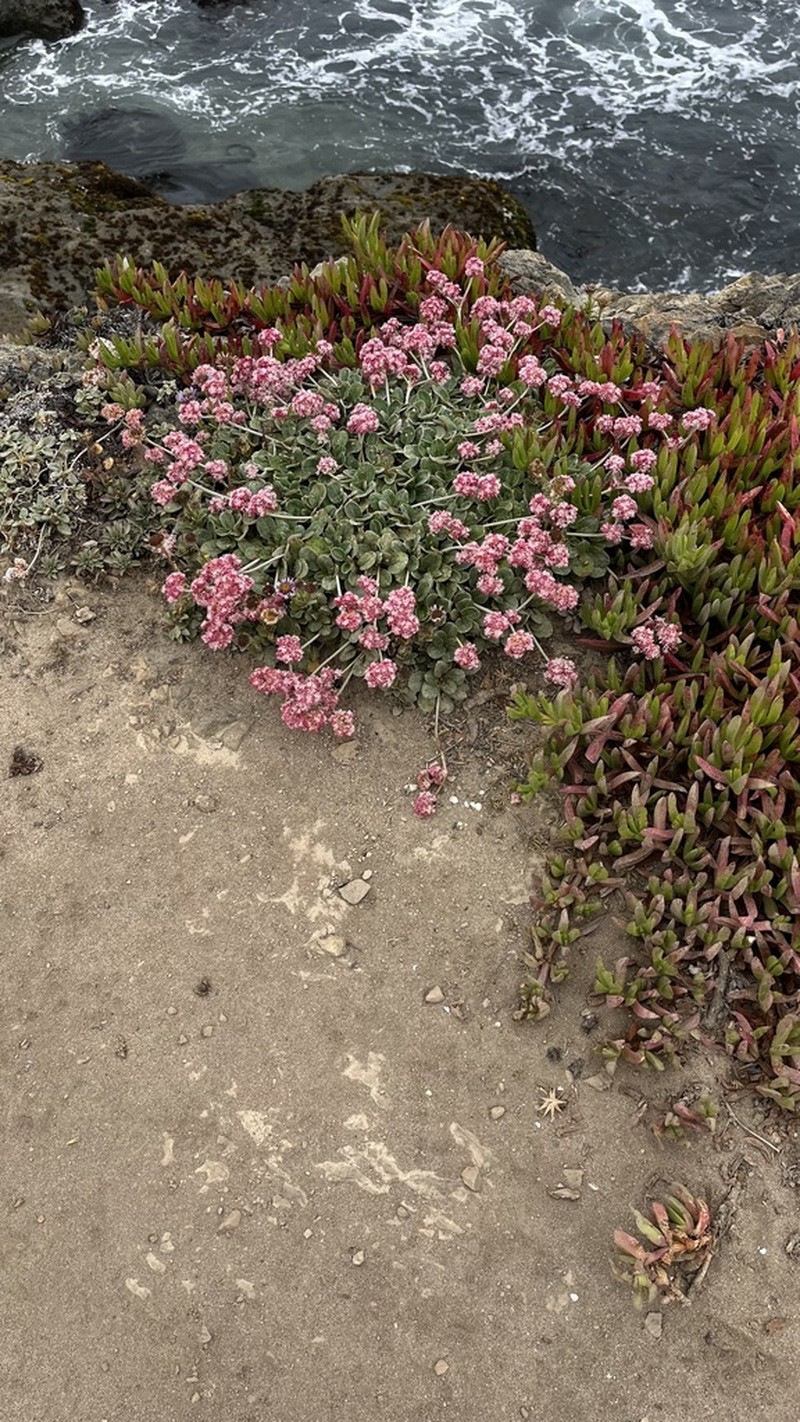
- native to coastal bluffs and dunes
Propagation & Germination
- Stratification:
- Cold/moist stratification required — 30–60 days
- Germination Time:
- 14–30 days
- Notes:
- Seeds benefit from cold stratification; sow in fall or after cold treatment.
Pre-treatment: None required
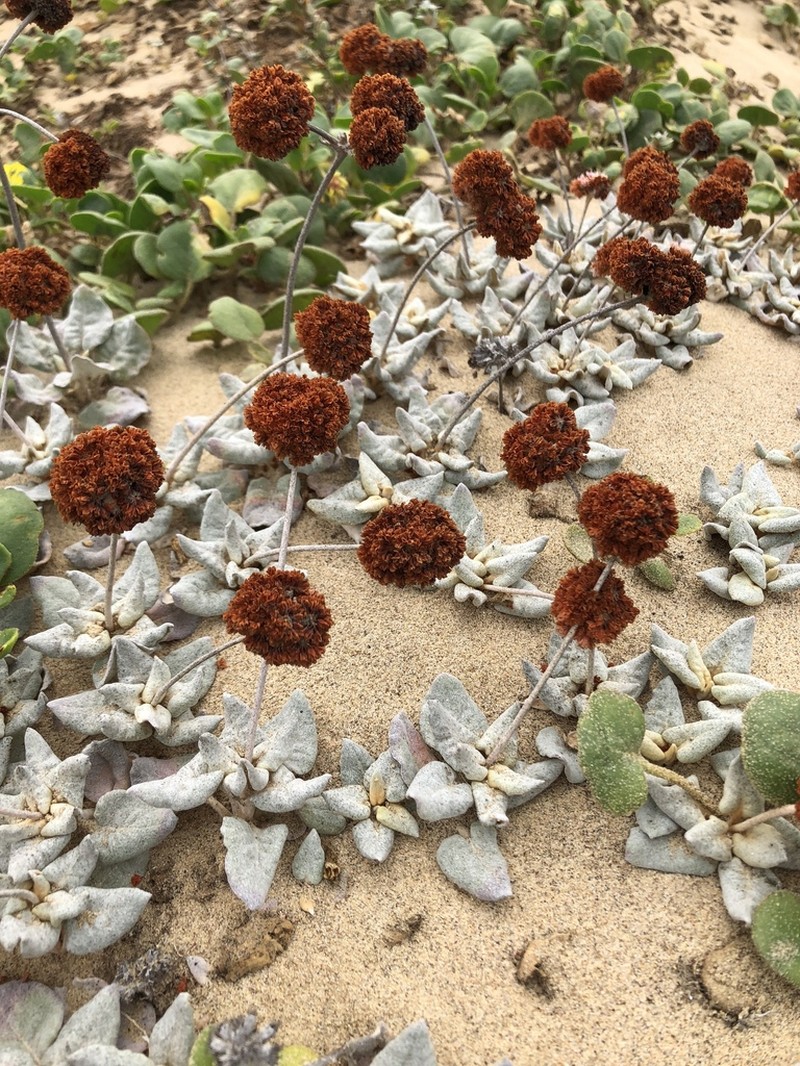
Establishment: Seeds are collected between May 1st and July 1st. Mature inflorescences are rust brown. Seeds are minute and black at maturity and are found at the base of each dried flower. E. latifolium is found in coastal strand communities and coastal scrub, from San Luis Obispo County, California to Oregon.
Source: npn.rngr.net