
Sulphur-Flower Buckwheat
Eriogonum umbellatum
- Native to:
- Canada, United States
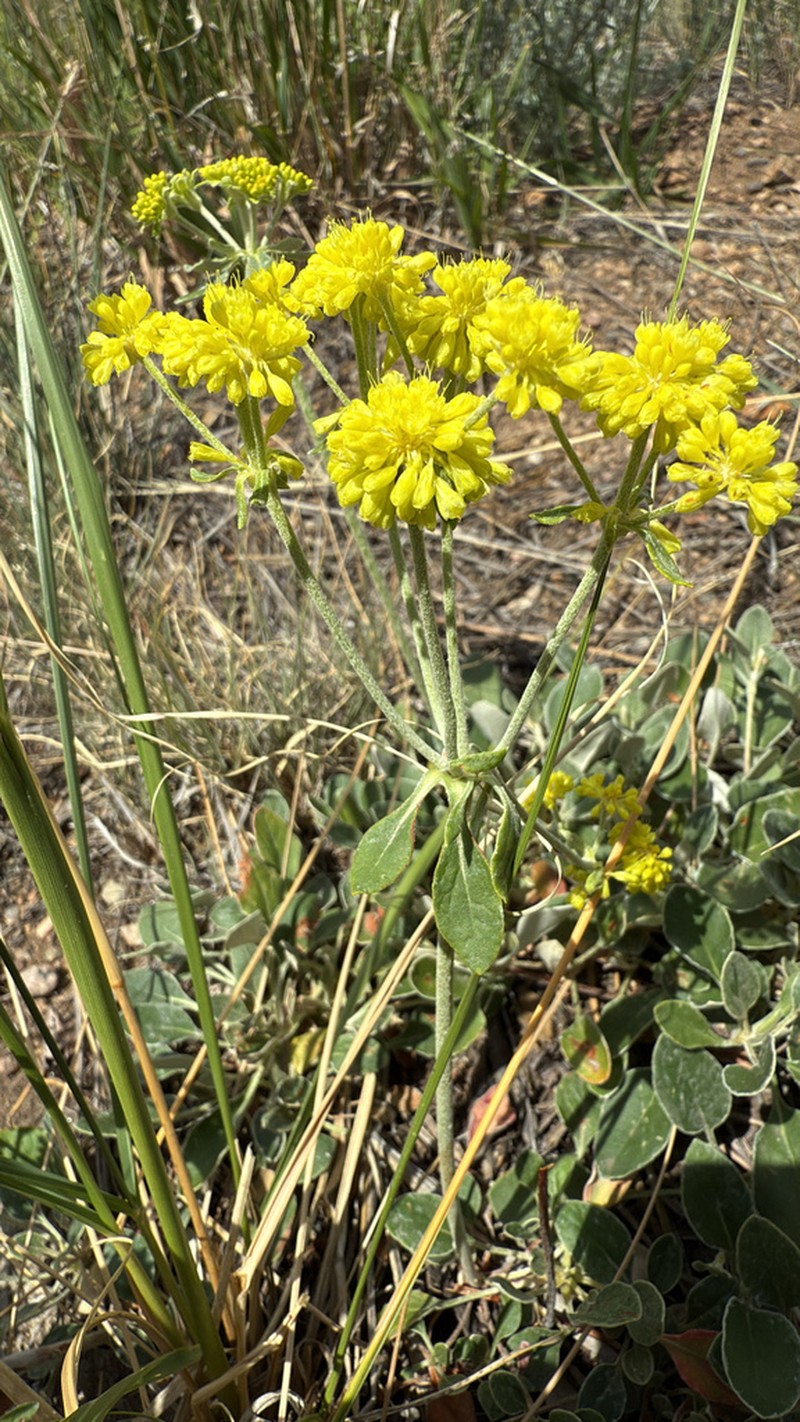
iNaturalist: © clairegentry (iNaturalist #301793652)
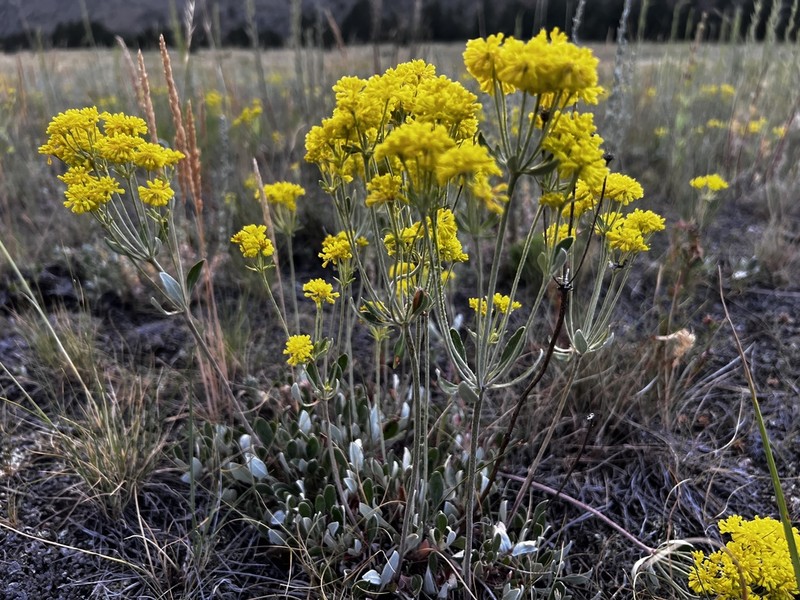
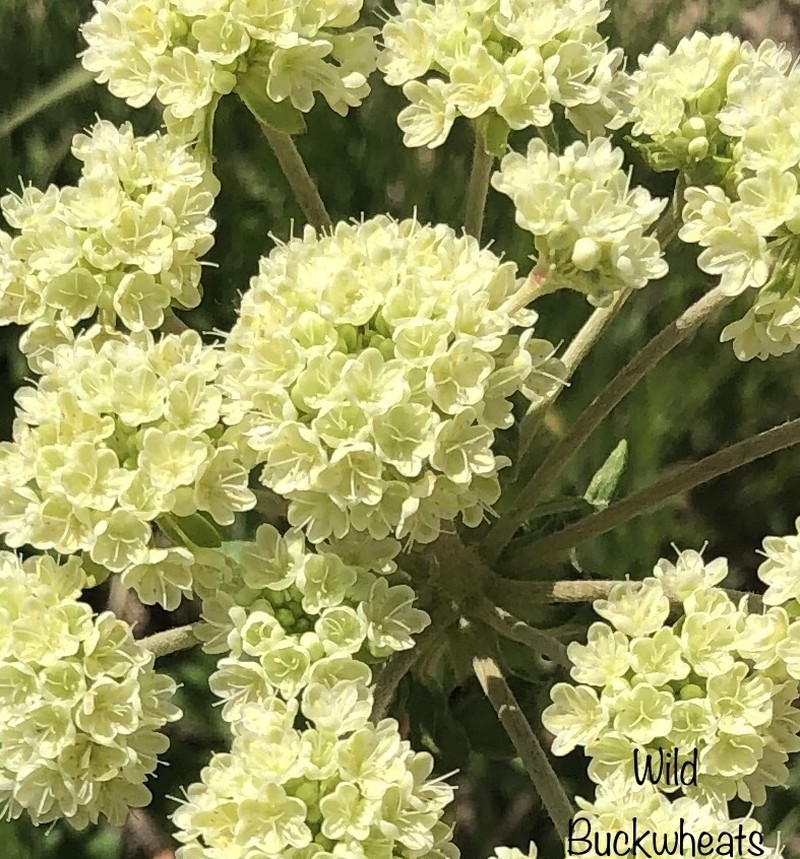
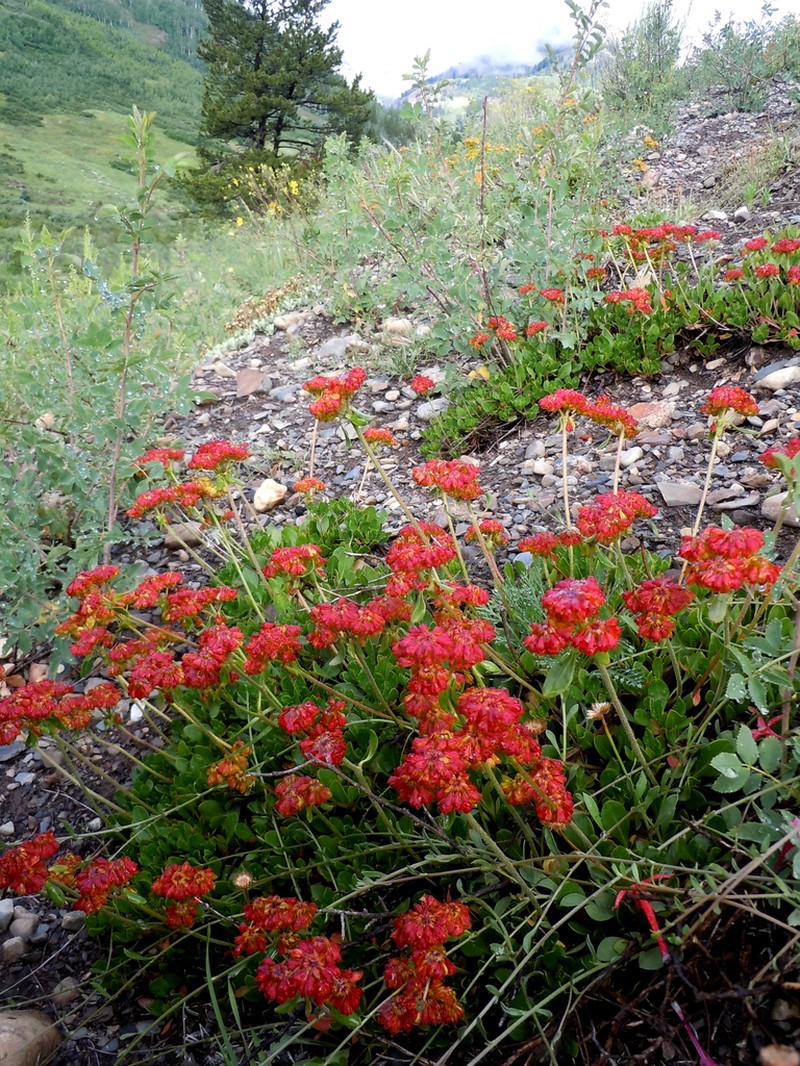
Taxonomy
- Division:
- Magnoliophyta | - Flowering plants
- Family:
- Polygonaceae
- Genus:
- Eriogonum
- Species:
- Eriogonum umbellatum
- USDA Symbol:
- ERUM
Growth Characteristics
- Life Cycle:
- Perennial
- Growth Habit:
- Forb/herb , Shrub , Subshrub
- Height:
- 60 cm
- Light Requirements:
- Full Sun,Part Shade
- Drought Tolerance:
- High
- Bloom Months:
- jun,jul,aug,sep
- Bloom Colors:
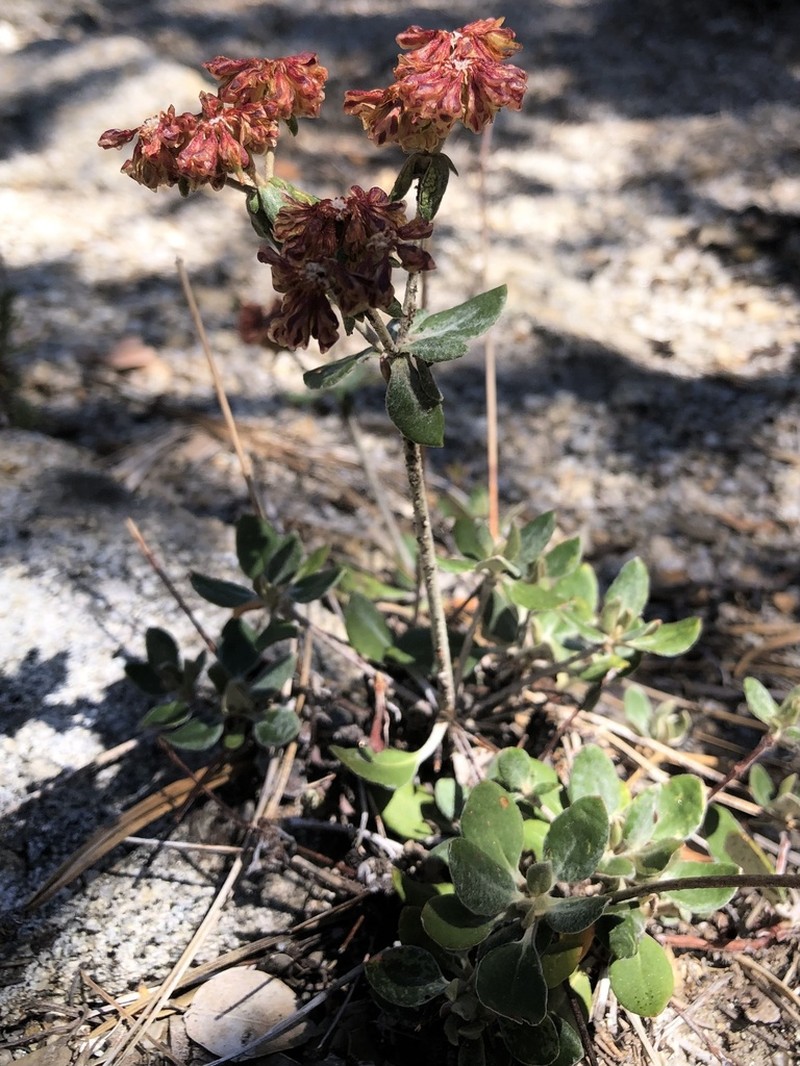
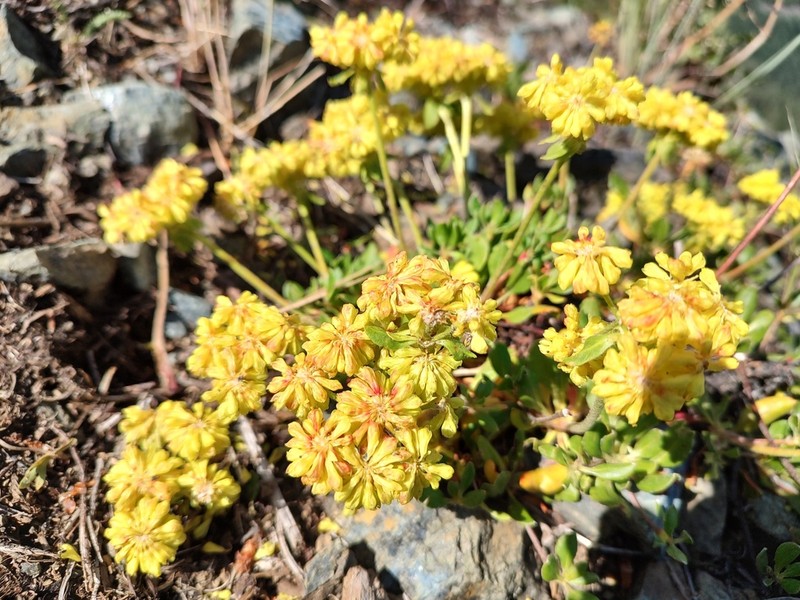
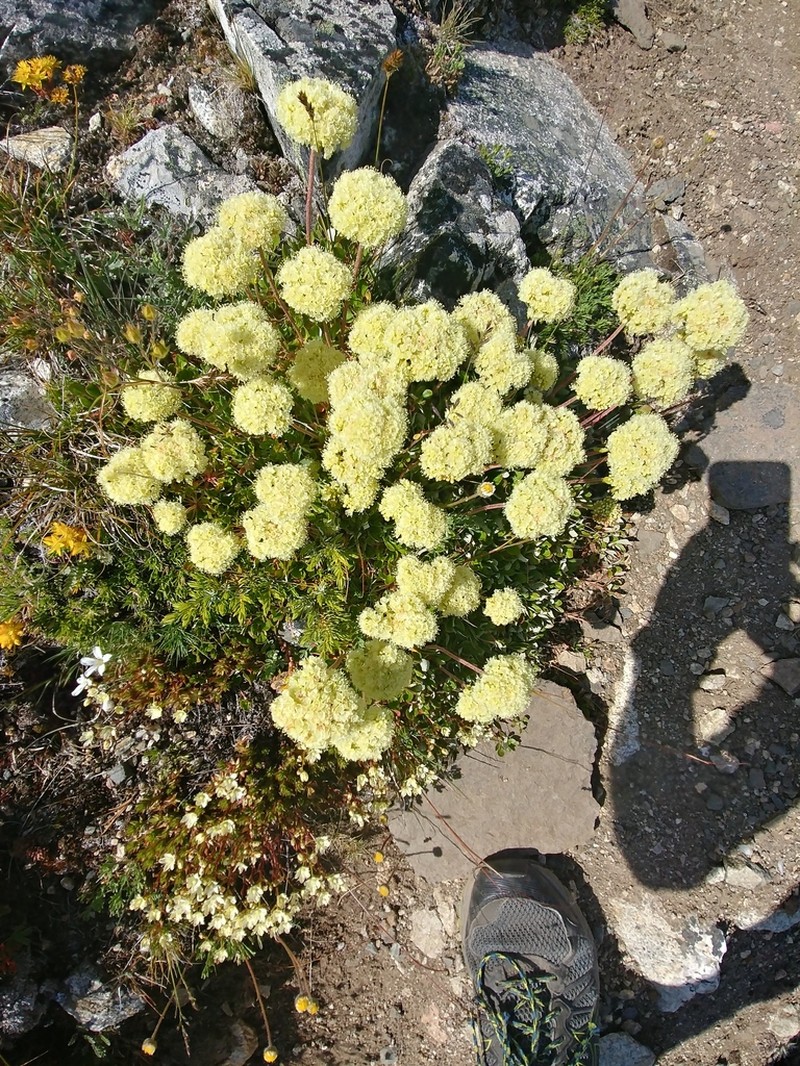
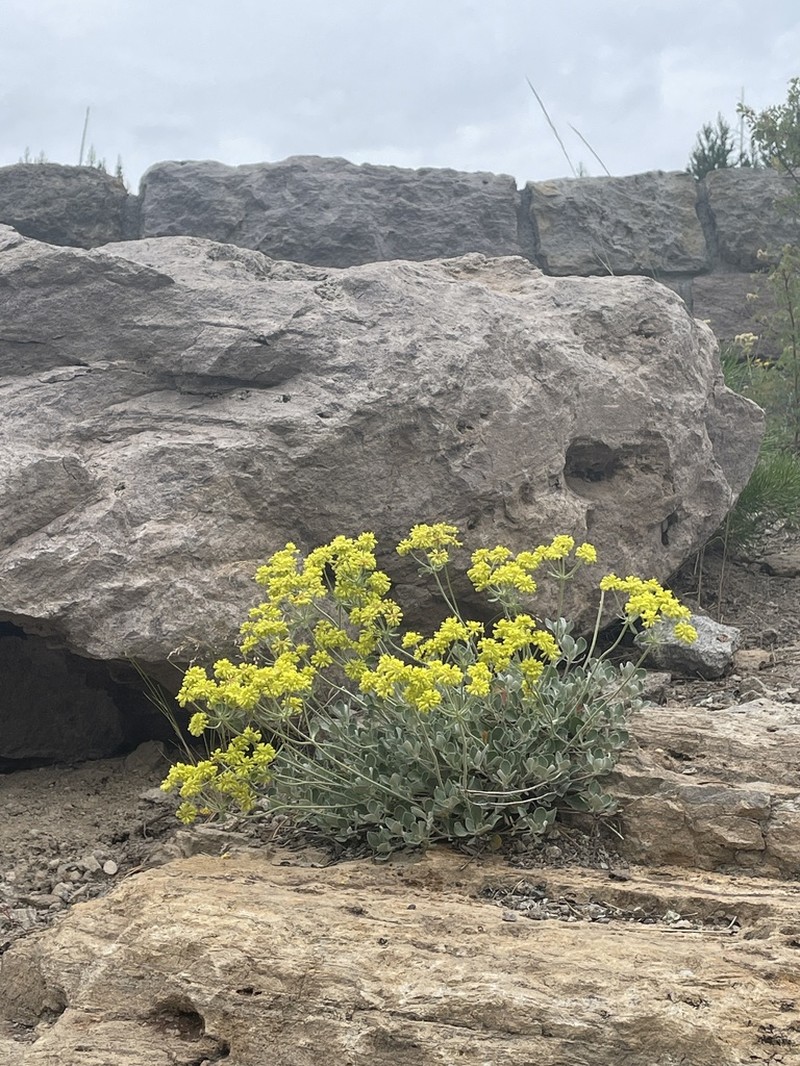
- yellow, cream, pink, red
Wildlife Benefits
- Bees:
- ★☆☆☆☆ Documented bee visitation (GBIF)
- Butterflies & Moths:
- ★★★☆☆ Documented Lepidoptera association (GBIF)
- Caterpillars:
- ★★☆☆☆ Recorded caterpillar host plant (HOSTS Database)
Keystone Species Ranking
- Pollen Specialist Bee Keystone:
- ★★★★☆ Native pollen specialist bee species supported by this genus (NWF)
Host Plant for Caterpillars
Reported Fauna Sightings
Garden & Ecology Notes
- Wildlife Value:
- bees, butterflies, birds
- Deer Resistant:
- Yes
- Fall Color:
- red, orange
- Fire Ecology:
- Fire adapted — tolerates or benefits from fire
- Fire Notes:
- Resprouts from root crown after fire; seeds germinate well on burned soil.
Soil Requirements
- Soil Type:
- rocky, well-drained, nutrient-poor soil
- pH:
- 6.0 - 8.0 (slightly acidic to neutral)
- Drainage:
- excellent drainage required
- Moisture:
- dry to moderate
- Notes:
- Thrives in arid, mountainous regions
Propagation & Germination
- Stratification:
- Cold/moist stratification required — 30–60 days
- Germination Time:
- 14–30 days
- Notes:
- Seeds benefit from cold stratification for 4-8 weeks; sow in fall or after cold treatment in spring.
Pre-treatment: Seeds are placed in cold stratification or imbibed in water for 10 minutes prior to a 60 to 90 day cold, moist stratification. Some protocols suggest no treatment.
Establishment: Germination rates and times vary significantly between protocols and treatments. Some protocols suggest winter conditions are necessary for germination, while others do not. Germination rates are generally higher with winter conditions. Seed collection times and methods also vary, with some suggesting collection when the inflorescence is dry and a reddish-orange color, and others suggesting collection when the corolla becomes papery. Seed cleaning techniques vary as well.
Source: npn.rngr.net
ORGHPS Germination Guide: Sow @ 20°C for 3 months, then place @ 4°C for 3 months. Resents transplanting. * must be stored at 4°C