
Davis' Knotweed
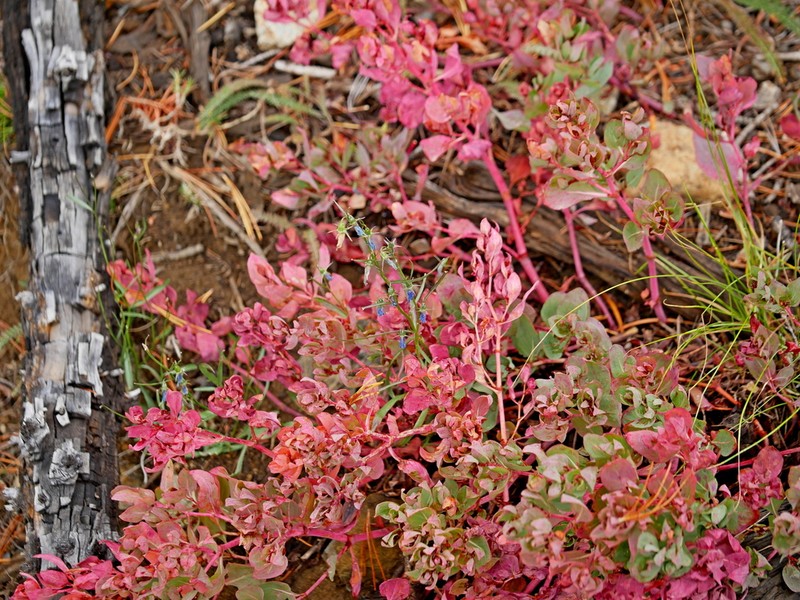
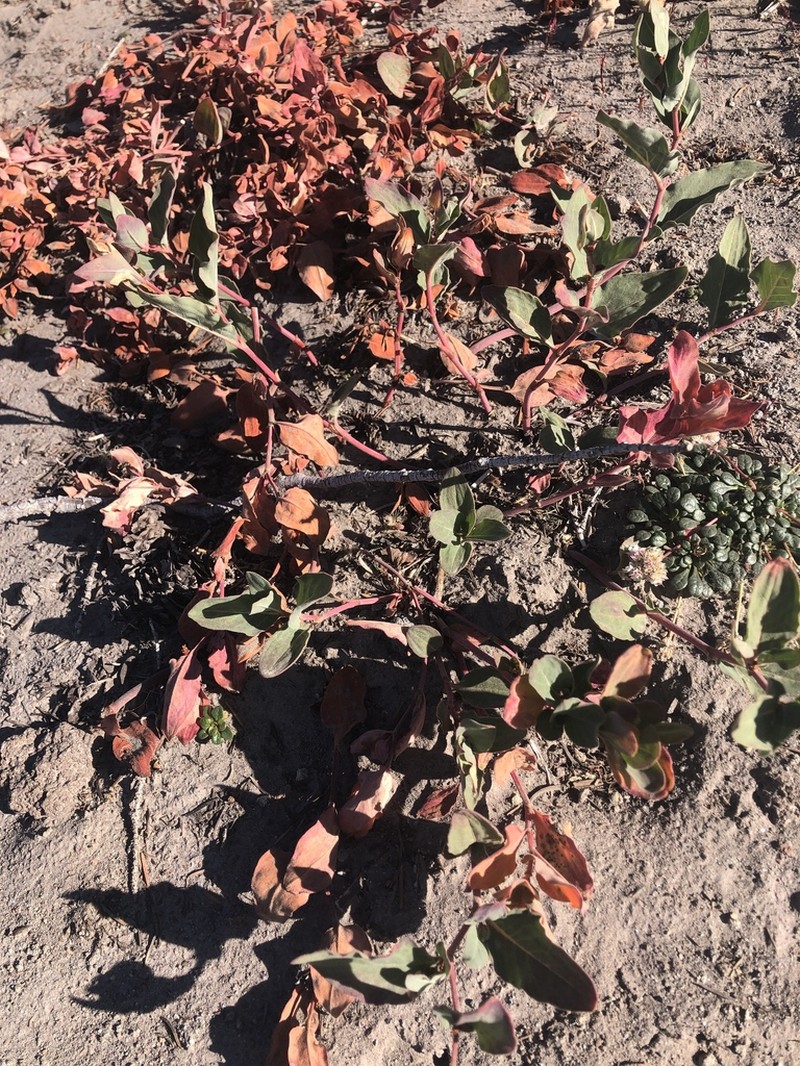
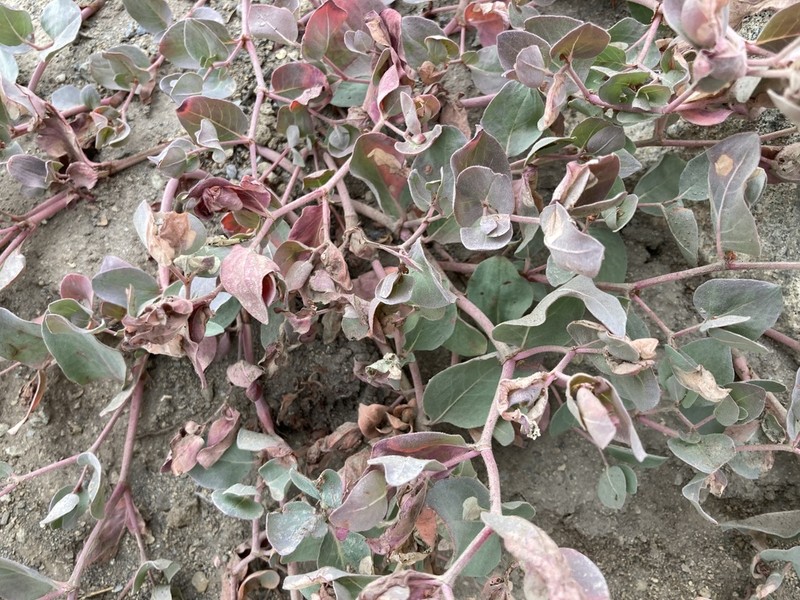
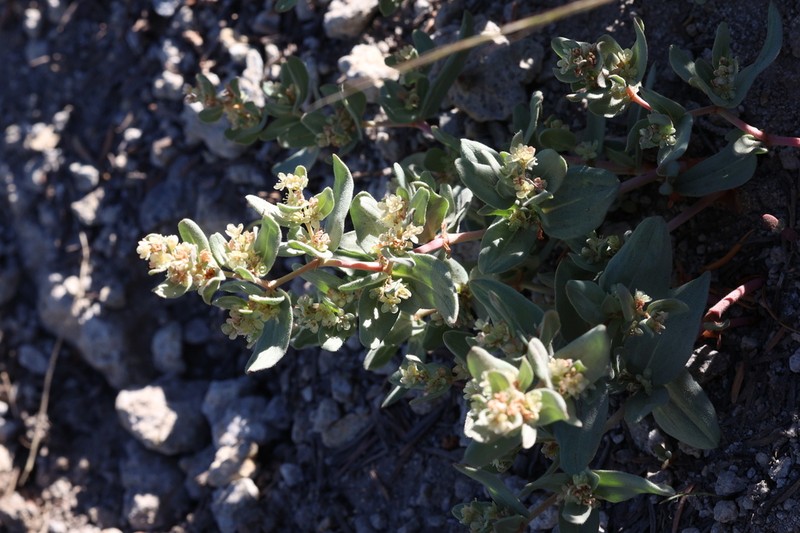
Koenigia davisiae
- Native to:
- United States
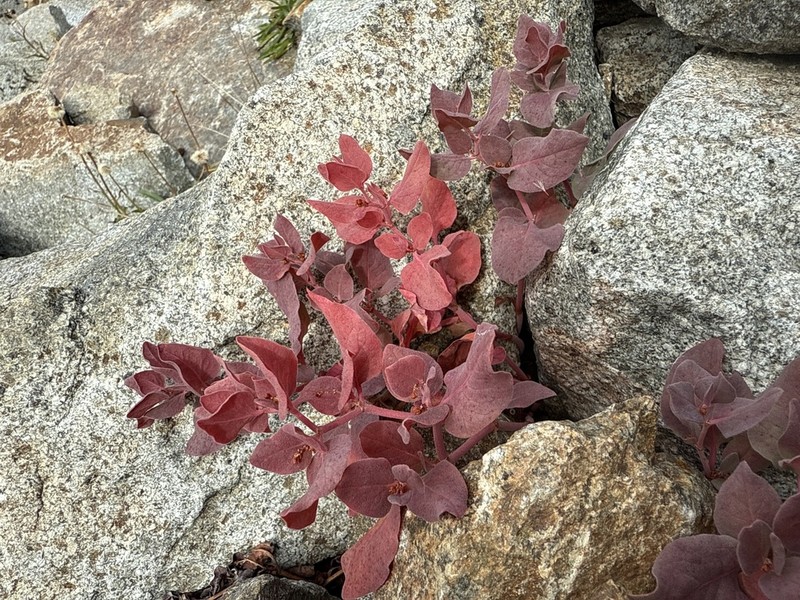
iNaturalist: © tellimachris (iNaturalist #317380909)
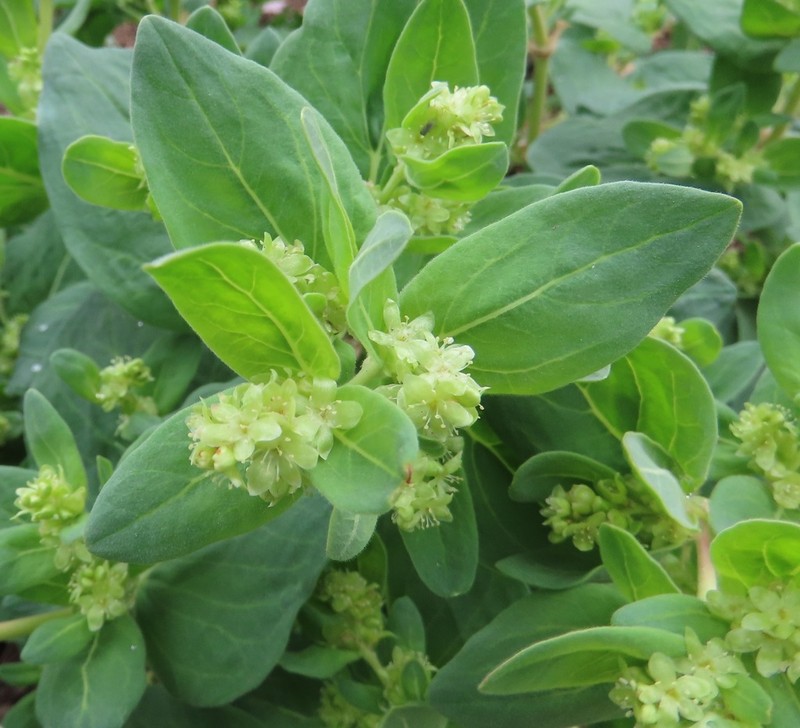
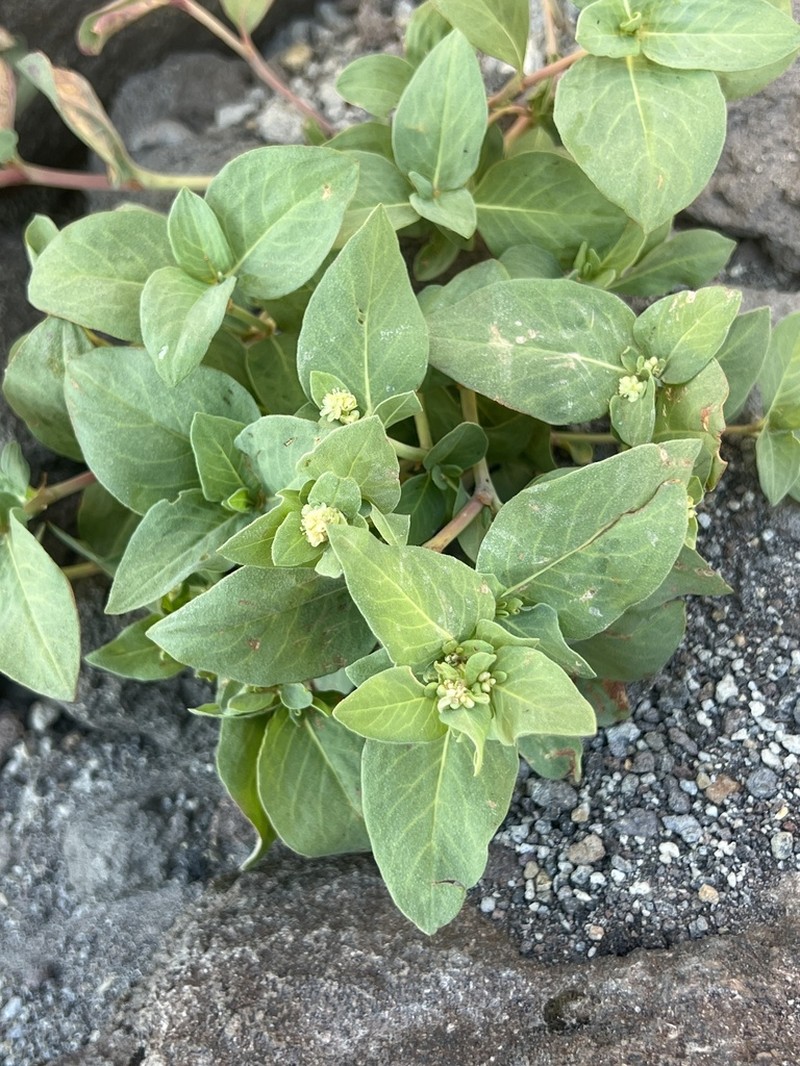
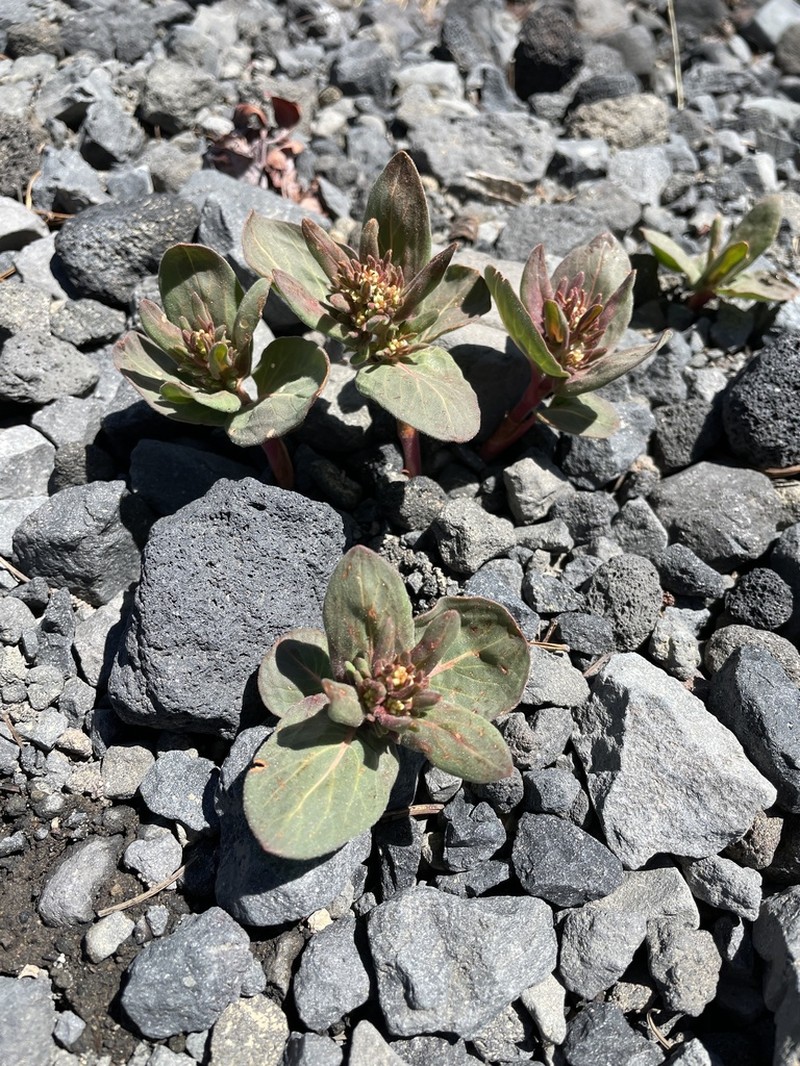
Taxonomy
- Division:
- Magnoliophyta | - Flowering plants
- Family:
- Polygonaceae
- Genus:
- Koenigia
- Species:
- Koenigia davisiae
- USDA Symbol:
- PODA
Growth Characteristics
- Life Cycle:
- Perennial
- Growth Habit:
- Forb/herb , Subshrub
- Height:
- 30 cm
- Light Requirements:
- Full Sun
- Drought Tolerance:
- Low
- Bloom Months:
- jun,jul,aug
- Bloom Colors:
- white, pink
- Ground Cover:
- Yes
Wildlife Benefits
- Bees:
- ★☆☆☆☆ Documented bee visitation (GBIF)
- Butterflies & Moths:
- ★☆☆☆☆ Documented Lepidoptera association (GBIF)
- Caterpillars:
- ★☆☆☆☆ Recorded caterpillar host plant (HOSTS Database)
Host Plant for Caterpillars
Synanthedon chrysidipennis
Garden & Ecology Notes
- Wildlife Value:
- bees, butterflies
Soil Requirements
- Soil Type:
- rocky, well-drained, nutrient-poor soil
- pH:
- 5.5 - 7.0 (slightly acidic to neutral)
- Drainage:
- excellent drainage required
- Moisture:
- dry to moderate
- Notes:
- native to mountainous regions, prefers open, rocky areas
Propagation & Germination
- Stratification:
- Cold/moist stratification required — 60–90 days
- Germination Time:
- 14–30 days
- Notes:
- Seeds benefit from cold stratification; sow in fall or after cold treatment for spring germination.
Pre-treatment: Root pieces propagated successfully after nearly a year in cold moist storage (3 to 5 C in moist peat / sand). Crowns were divided into pieces containing at least one of these visible buds or 'eyes'.
Establishment: Seed propagation was attempted but was unsuccessful due to scarcity and poor storage conditions. Propagation was successful using root pieces, particularly those with visible buds or 'eyes'.
Source: npn.rngr.net