
Pennsylvania Smartweed
Persicaria pensylvanica
- Native to:
- Canada, Cuba, Dominican Republic, Haiti, Mexico, United States, Virgin Islands
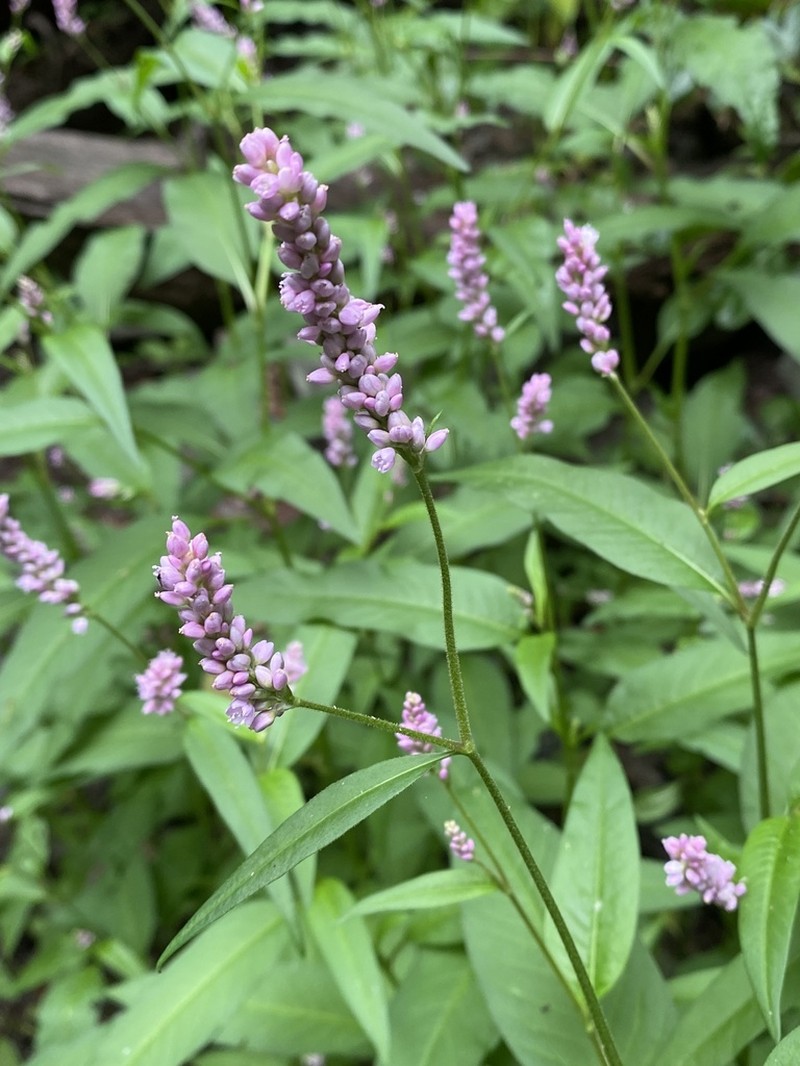
iNaturalist: © zitserm (iNaturalist #135678020)
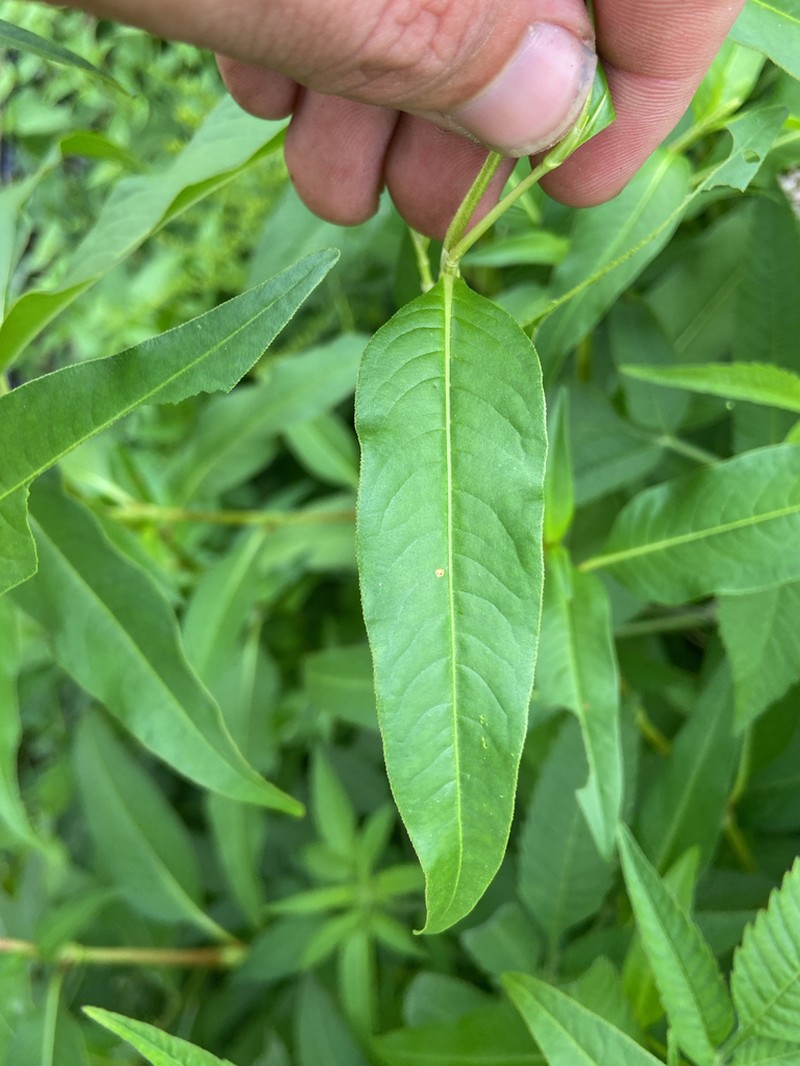
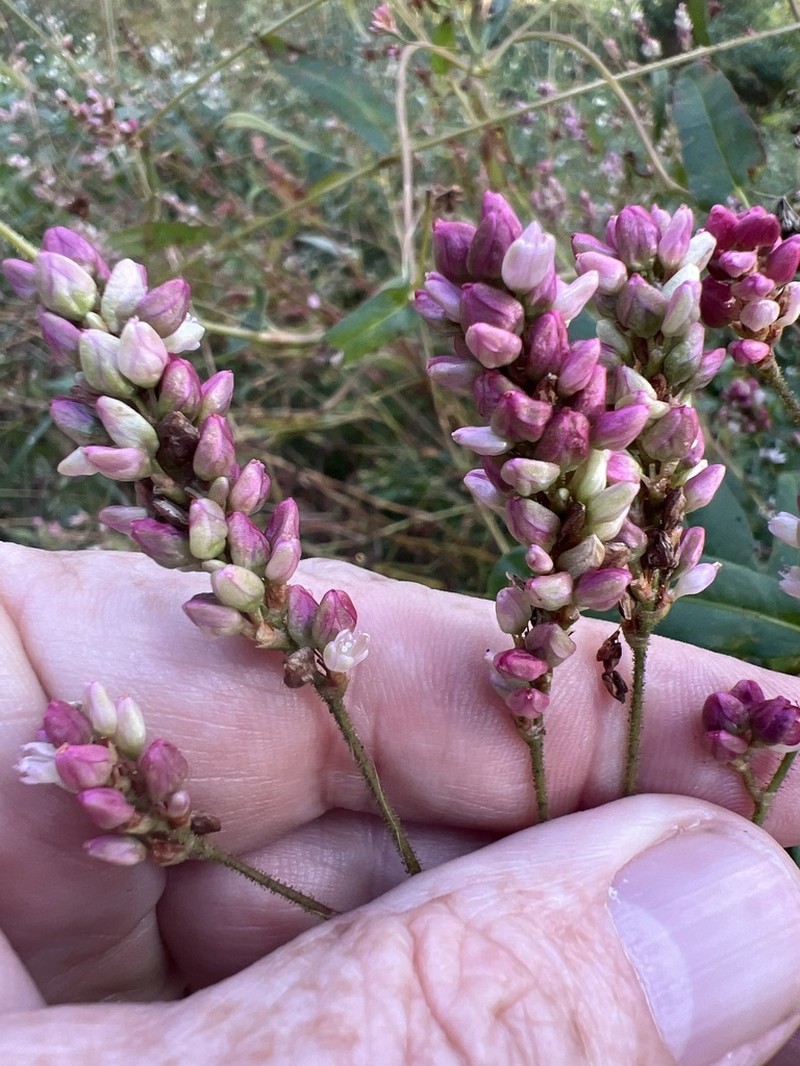
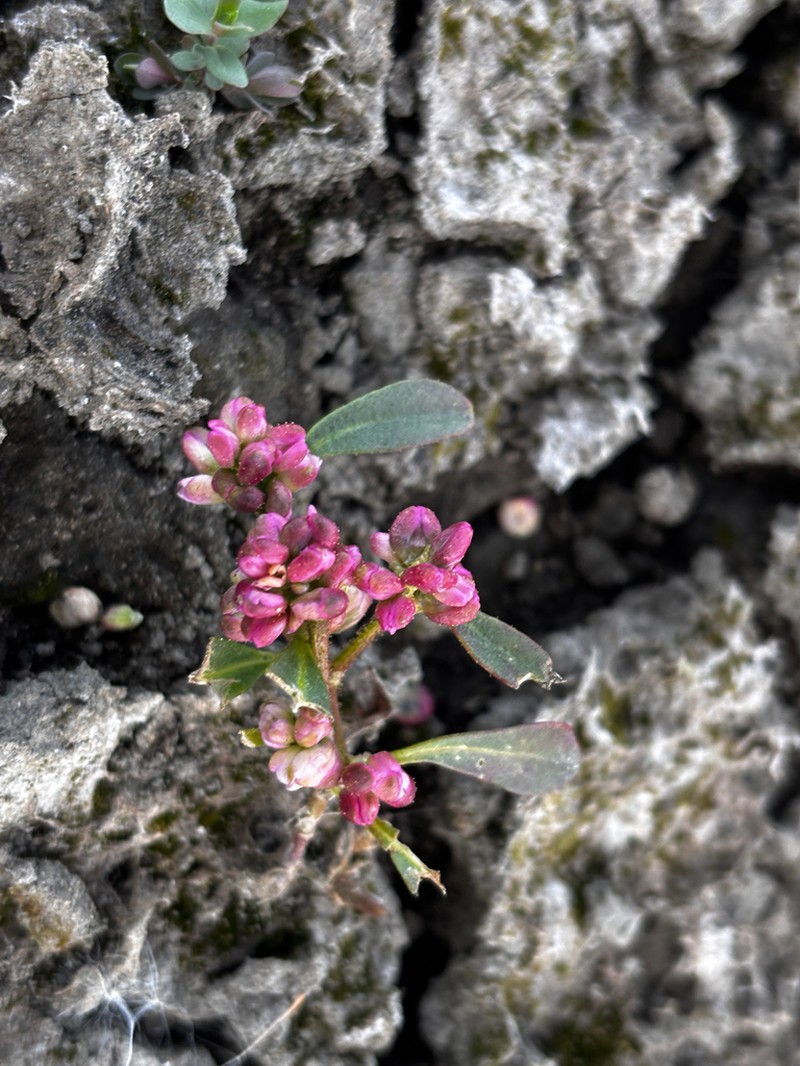
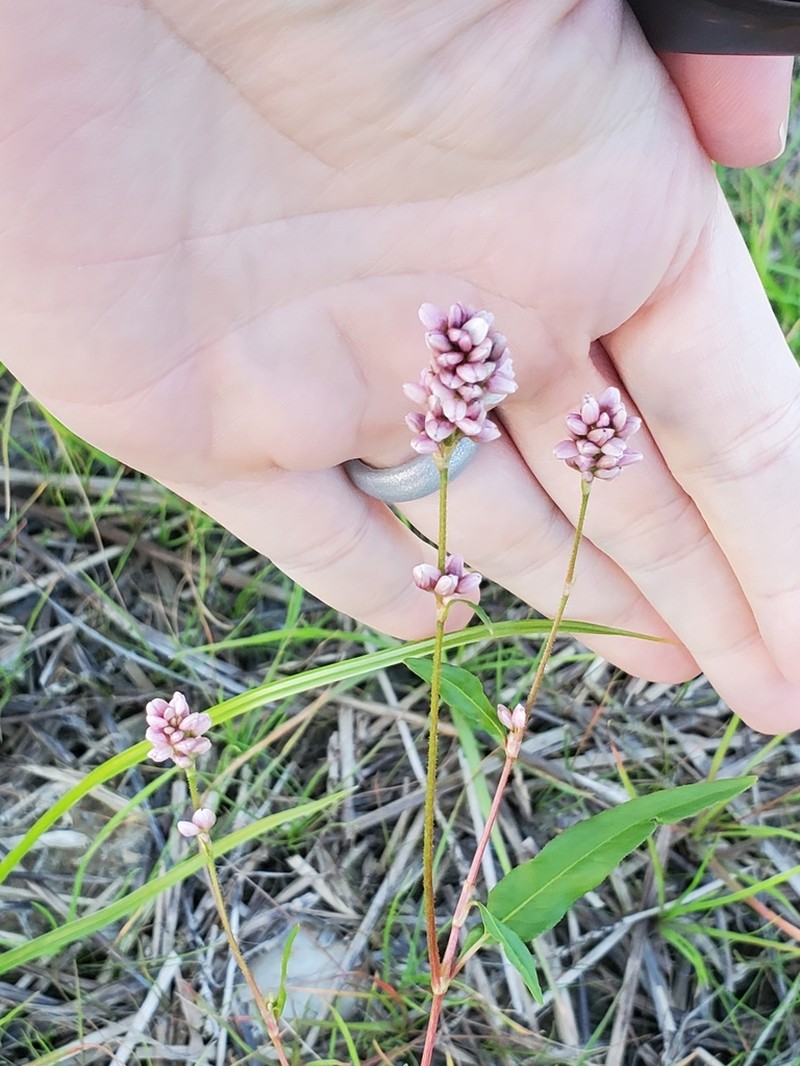
Taxonomy
- Division:
- Magnoliophyta | - Flowering plants
- Family:
- Polygonaceae
- Genus:
- Persicaria
- Species:
- Persicaria pensylvanica
- USDA Symbol:
- POPE2
Growth Characteristics
- Life Cycle:
- Annual
- Growth Habit:
- Forb/herb
- Height:
- 150 cm
- Light Requirements:
- Full Sun
- Drought Tolerance:
- Low
- Bloom Months:
- jun,jul,aug,sep,oct
- Bloom Colors:
- pink, white
Wildlife Benefits
- Bees:
- ★☆☆☆☆ Documented bee visitation (GBIF)
- Butterflies & Moths:
- ★☆☆☆☆ Documented Lepidoptera association (GBIF)
Host Plant for Caterpillars
Bordered Sallow (Pyrrhia umbra), common tan wave (Pleuroprucha insulsaria), corn earworm (Helicoverpa zea), Pseudeustrotia carneola, Smartweed Borer (Ostrinia obumbratalis)
Reported Fauna Sightings
Bees: Common eastern (Bombus impatiens) Butterflies:Bronze Copper (Tharsalea hyllus), Ocola Skipper (Panoquina ocola), Tawny Emperor (Asterocampa clyton)
Garden & Ecology Notes
- Wildlife Value:
- birds, butterflies, small mammals
Soil Requirements
- Soil Type:
- rich, moist, well-drained loamy soil
- pH:
- 5.5 - 7.0 (slightly acidic to neutral)
- Drainage:
- tolerates poor drainage
- Moisture:
- consistently moist
- Notes:
- commonly found in wetlands and along streams
Propagation & Germination
- Stratification:
- Cold/moist stratification required — 30–60 days
- Germination Time:
- 7–21 days
- Notes:
- Seeds germinate readily after cold stratification; surface sow on moist soil.
Where to Buy
Nationwide Seller
- Prairie Moon Nursery (nursery and seeds)