
Willow Dock
Rumex salicifolius
- Native to:
- Labrador, Mexico, United States
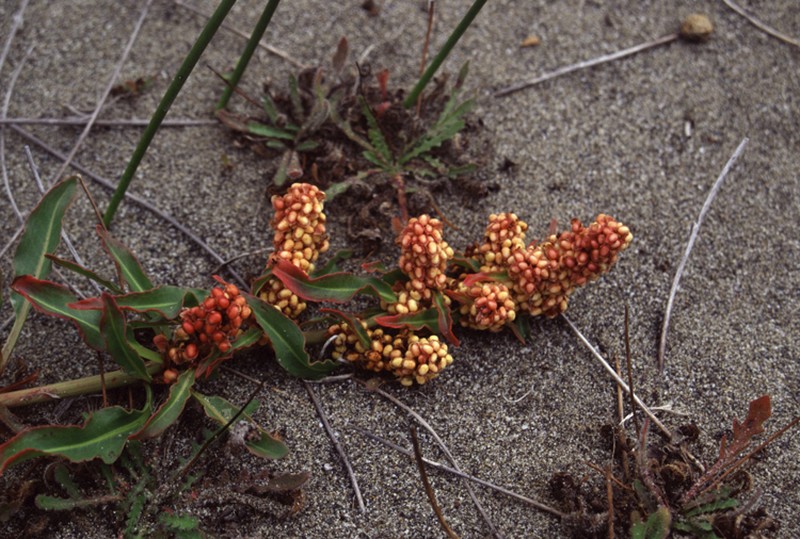
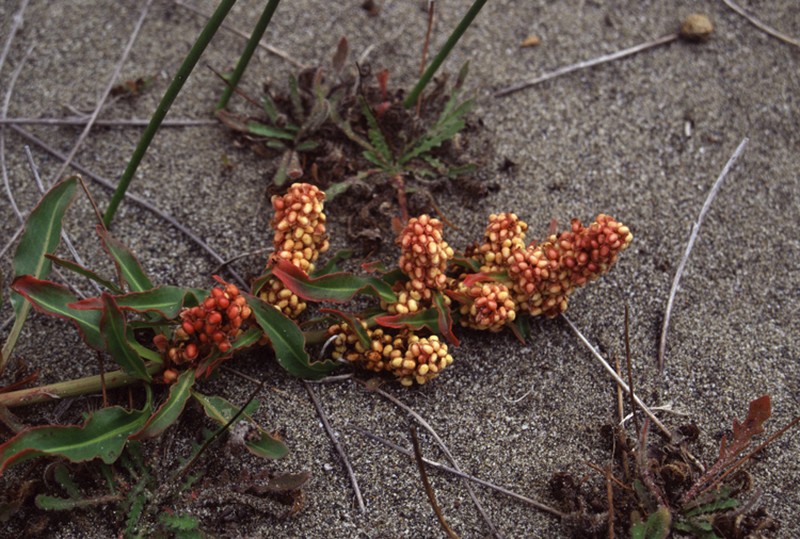
Gordon Leppig & Andrea J. Pickart
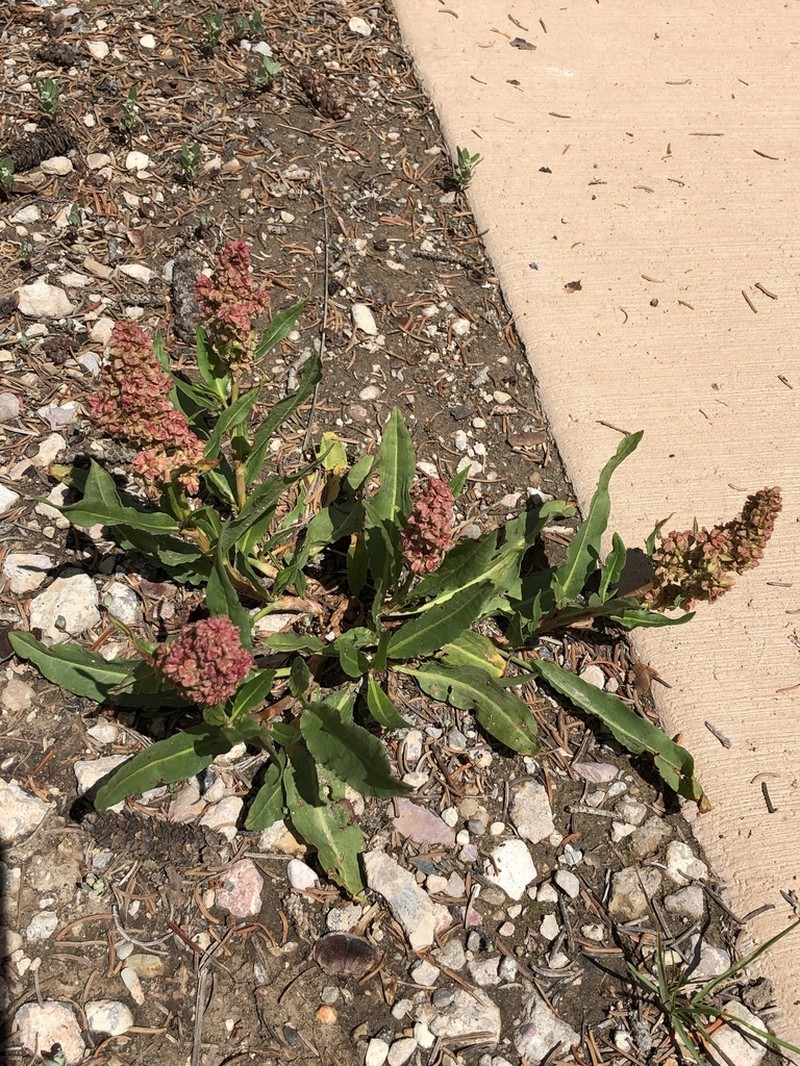
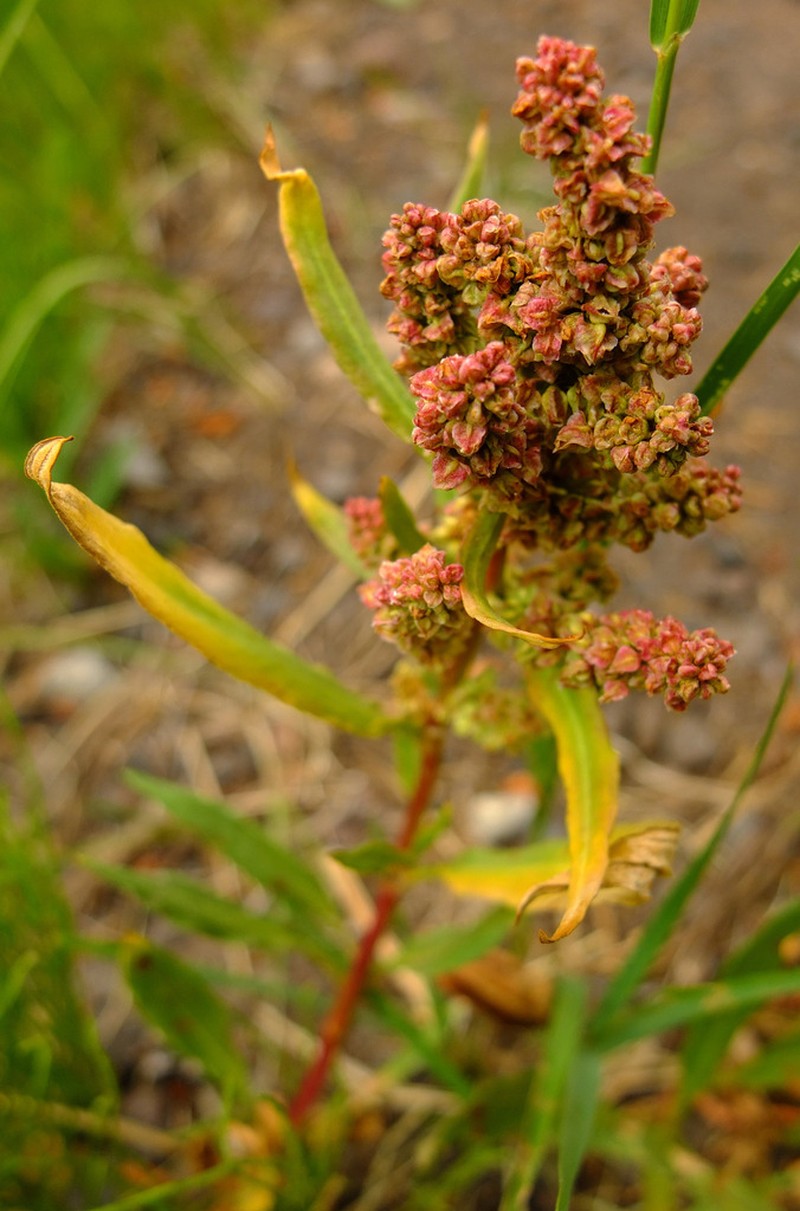
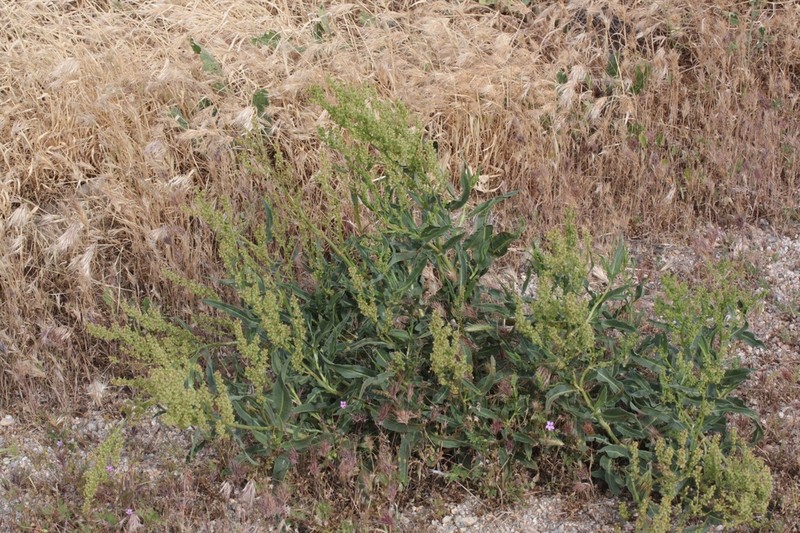
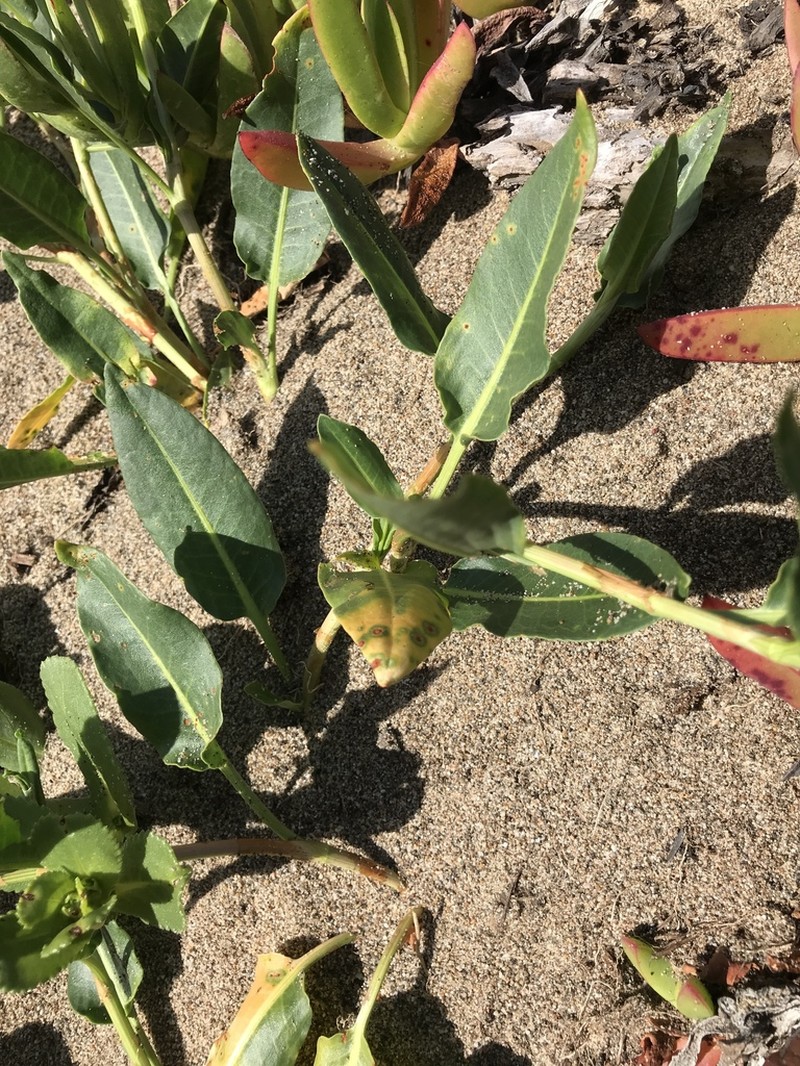
Taxonomy
- Division:
- Magnoliophyta | - Flowering plants
- Family:
- Polygonaceae
- Genus:
- Rumex
- Species:
- Rumex salicifolius
- USDA Symbol:
- RUSA
Growth Characteristics
- Life Cycle:
- Perennial
- Growth Habit:
- Forb/herb
- Height:
- 100 cm
- Light Requirements:
- Full Sun
- Drought Tolerance:
- Low
- Bloom Months:
- may,jun,jul,aug,sep
- Bloom Colors:
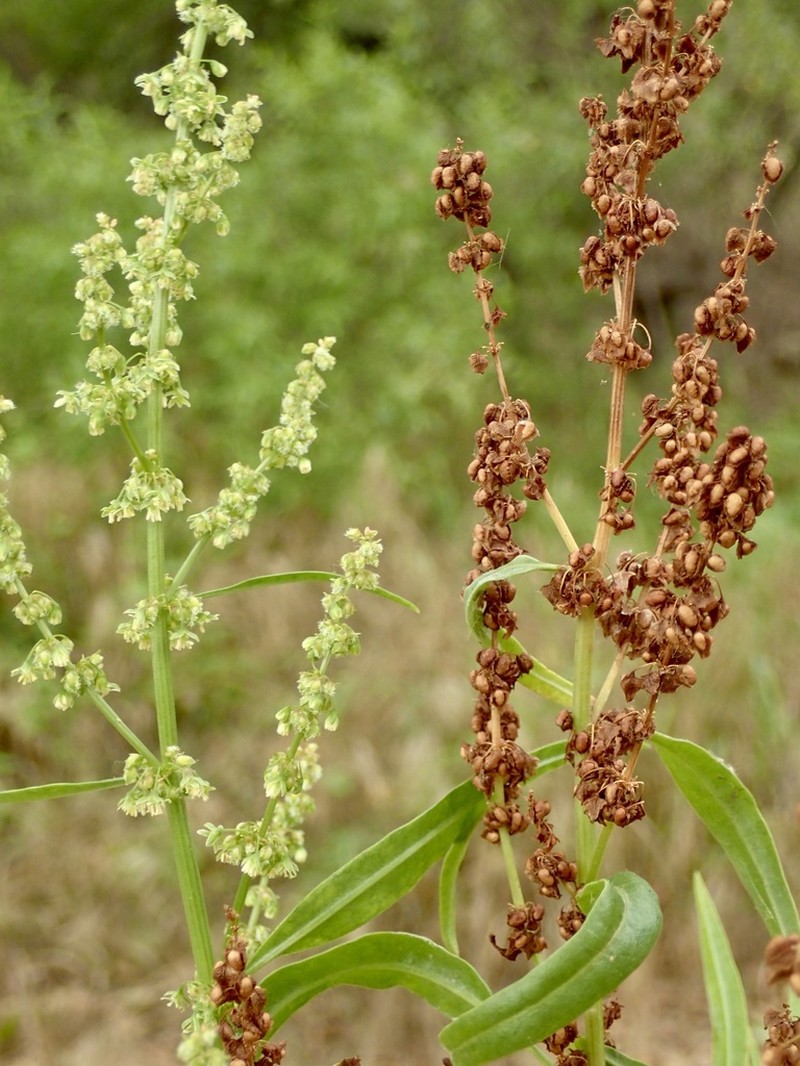
- greenish, reddish
Wildlife Benefits
- Bees:
- ★☆☆☆☆ Documented bee visitation (GBIF)
- Butterflies & Moths:
- ★☆☆☆☆ Documented Lepidoptera association (GBIF)
- Caterpillars:
- ★☆☆☆☆ Recorded caterpillar host plant (HOSTS Database)
Host Plant for Caterpillars
Chalceria rubida, Epidemia helloides, Gaeides xanthoides
Garden & Ecology Notes
- Wildlife Value:
- birds, small mammals
Soil Requirements
- Soil Type:
- moist, well-drained sandy or loamy soil
- pH:
- 5.5 - 7.5 (slightly acidic to neutral)
- Drainage:
- tolerates poor drainage
- Moisture:
- consistently moist
- Notes:
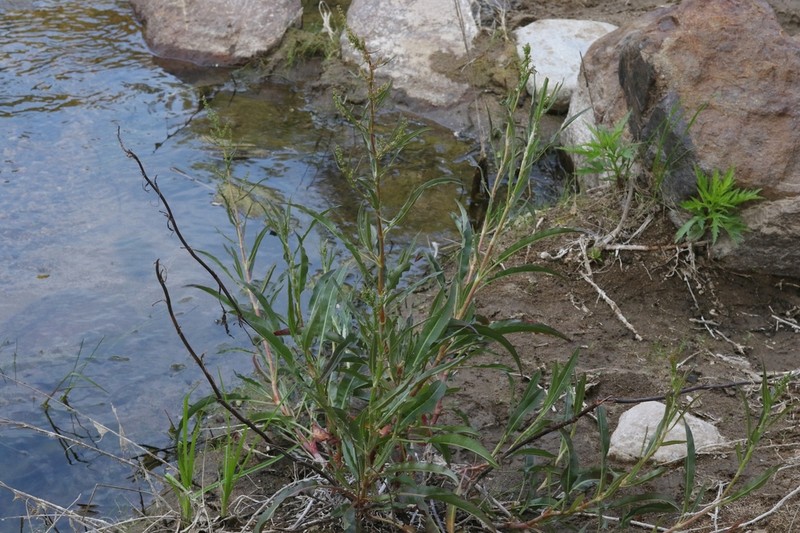
- Commonly found along streambanks and wet meadows.
Propagation & Germination
Pre-treatment: Germination occurs at 32D/22N C alternating temperature cycle.
Establishment: Seeds are collected between July 19th and September 19th. Mature inflorescences are brown. R. salicifolius is found in moist places, up to 6500 feet elevation; from California to Alaska, south through the Rocky Mountain states to New Mexico, east across Canada to Quebec and New York. It is also found in Europe.
Source: npn.rngr.net
Where to Buy
Nationwide Seller
- Butterfield Seeds (seeds)