
Small Pondweed
Potamogeton pusillus
Also known as: Potamogeton pusilliformis
- Native to:
- Afghanistan, Albania, Algeria, Argentina, Austria, Azores, Baleares, Baltic States, Belarus, Belgium, Bolivia, Botswana, Brazil, Bulgaria, Canada, Canary Is., Cape Verde, Caprivi Strip, Chile, China, Colombia, Corse, Costa Rica, Cyprus, Czechia-Slovakia, Denmark, DR Congo, East Aegean Is., Ecuador, Egypt, Eritrea, Eswatini, Ethiopia, Finland, France, Germany, Great Britain, Greece, Greenland, Guam, Guatemala, Haiti, Honduras, Hungary, Iceland, India, Iran, Iraq, Ireland, Italy, Japan, Kazakhstan, Kenya, Kirgizstan, Kriti, Krym, Labrador, Lesotho, Libya, Madeira, Malawi, Mauritania, Mexico, Morocco, Mozambique, Myanmar, Namibia, Nansei-shoto, Nepal, Netherlands, New Guinea, Nicaragua, North Caucasus, Norway, NW. Balkan Pen., Oman, Pakistan, Palestine, Peru, Philippines, Poland, Portugal, Prince Edward I., Romania, Russia, Rwanda, Sardegna, Saudi Arabia, Sicilia, Somalia, South Africa, Spain, Sudan-South Sudan, Sweden, Switzerland, Tadzhikistan, Taiwan, Tanzania, Transcaucasus, Türkiye, Türkiye-in-Europe, Tur
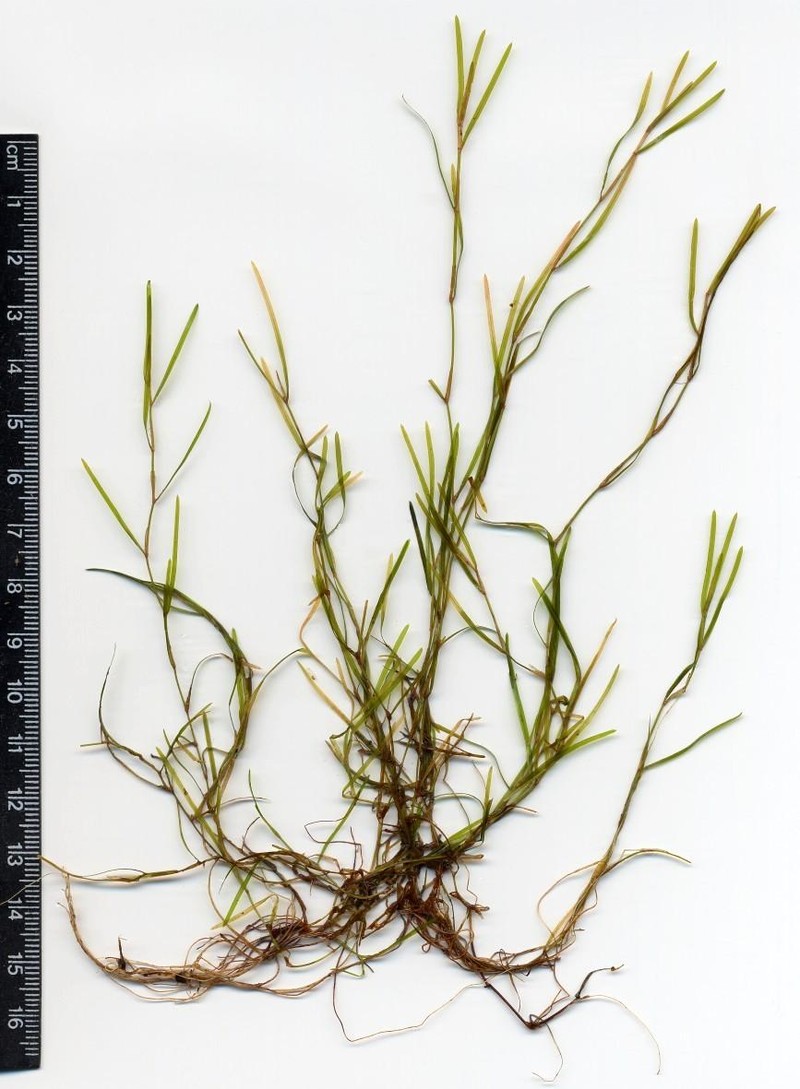
Christian Fischer
Taxonomy
- Division:
- Magnoliophyta | - Flowering plants
- Family:
- Potamogetonaceae
- Genus:
- Potamogeton
- Species:
- Potamogeton pusillus
- USDA Symbol:
- POPU7
Growth Characteristics
- Life Cycle:
- Perennial
- Growth Habit:
- Aquatic
- Height:
- 100 cm
- Light Requirements:
- Full Sun
- Drought Tolerance:
- Low
- Bloom Months:
- jun,jul,aug
Garden & Ecology Notes
- Wildlife Value:
- waterfowl, aquatic invertebrates
Soil Requirements
- Soil Type:
- nutrient-rich, silty or sandy substrate
- pH:
- 6.0 - 8.0 (neutral to slightly alkaline)
- Drainage:
- tolerates poor drainage
- Moisture:
- consistently moist to submerged
- Notes:
- commonly found in slow-moving or still waters