
White Baneberry
Actaea pachypoda
- Native to:
- Canada, Prince Edward I., United States, Virgin Islands
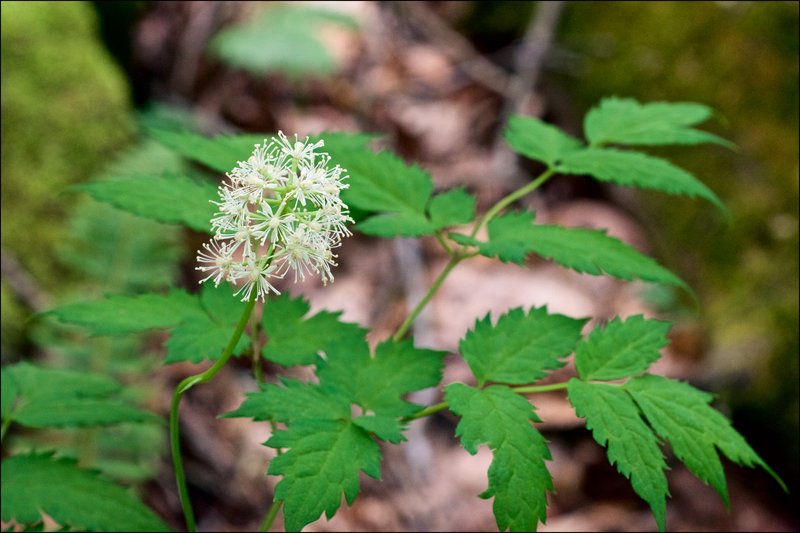
Eric Hunt
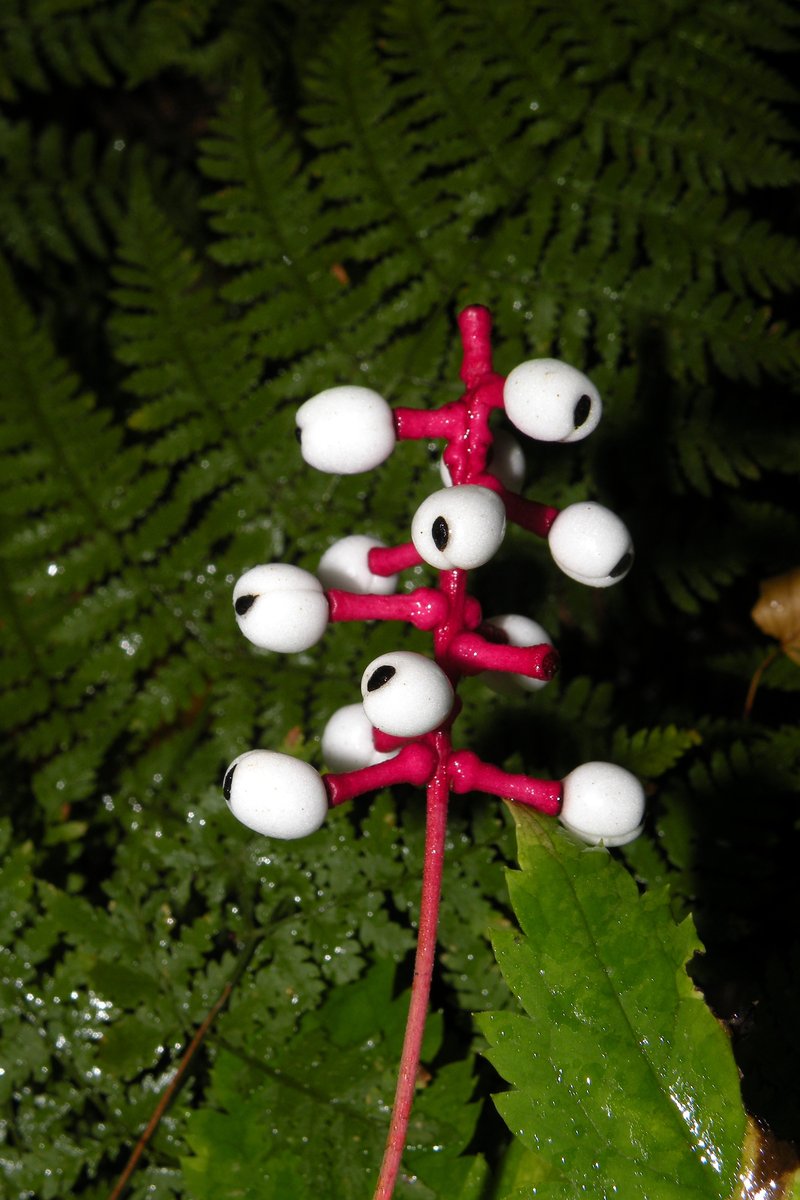
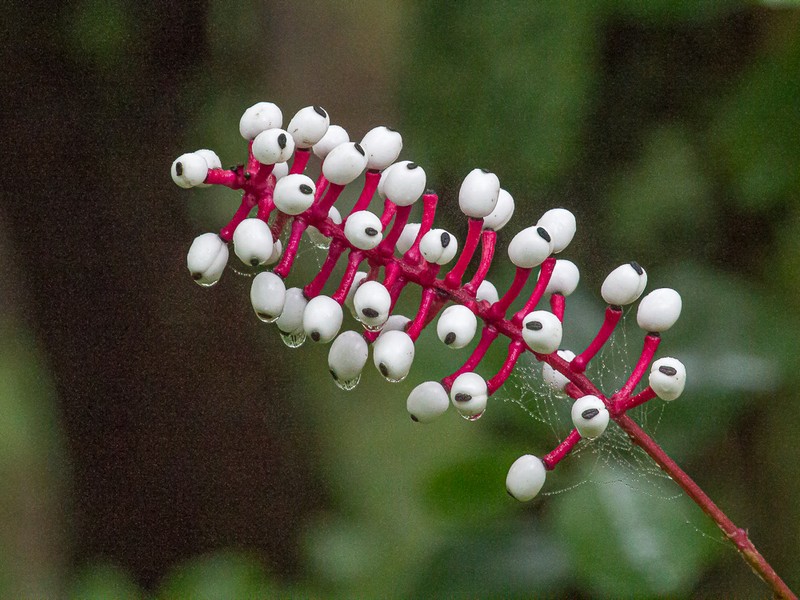
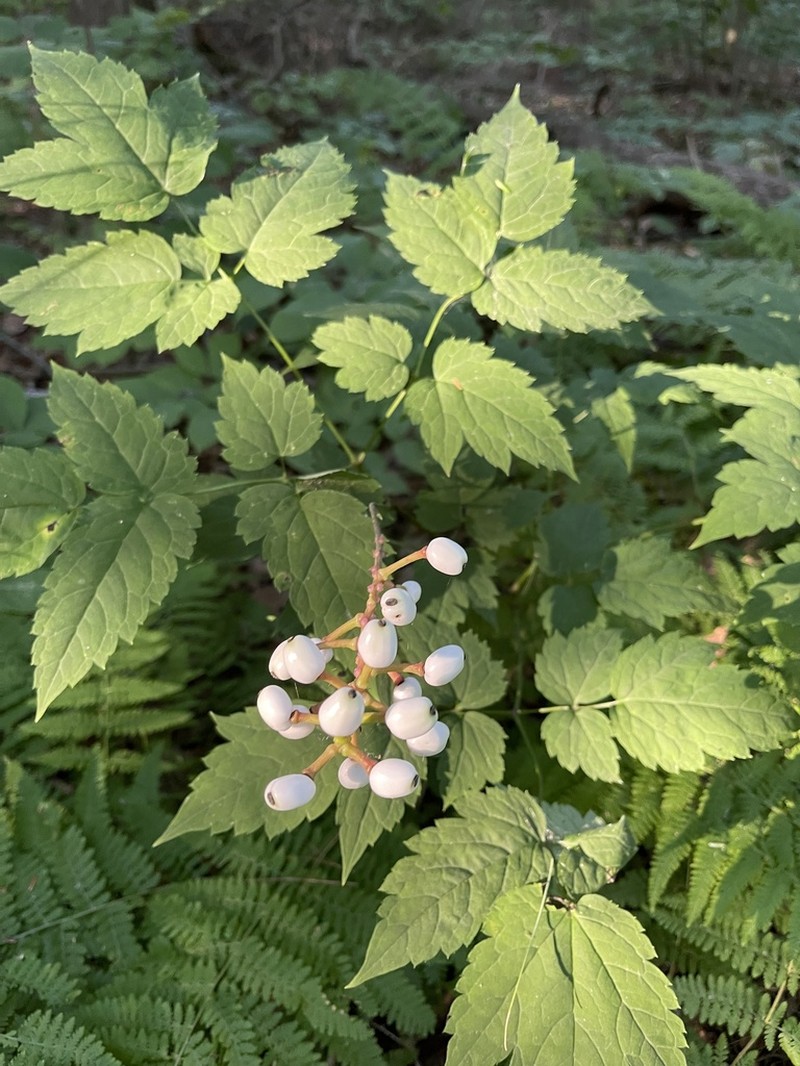
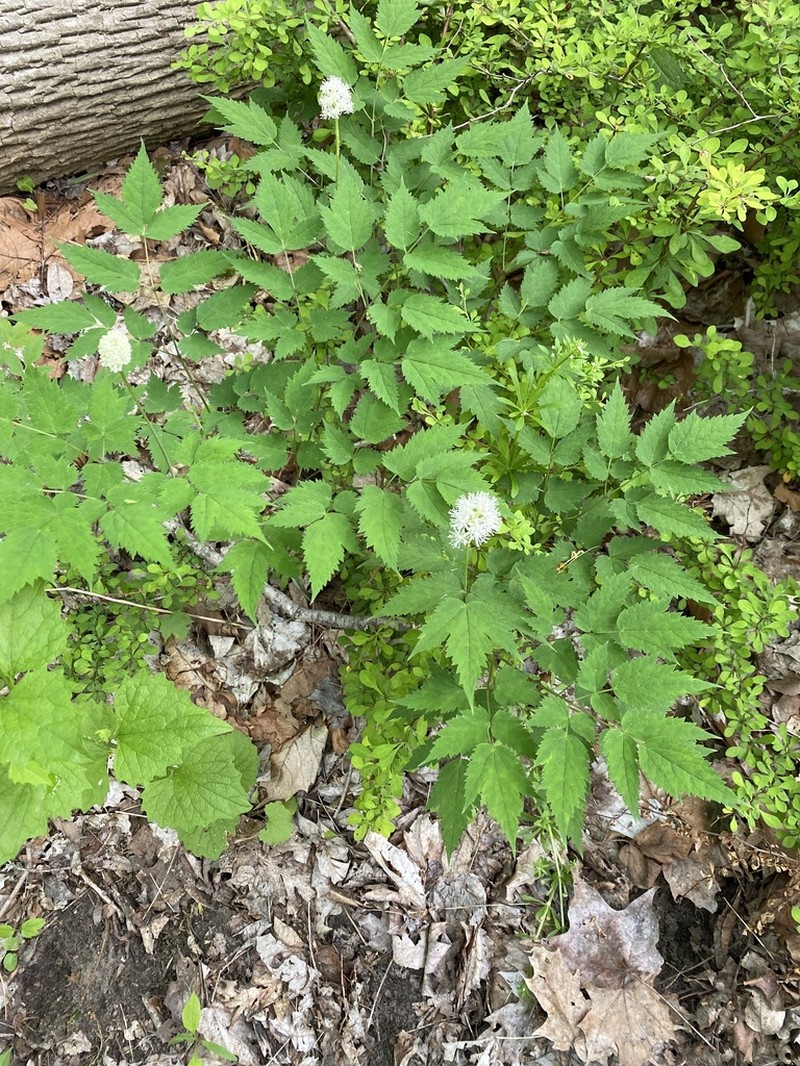
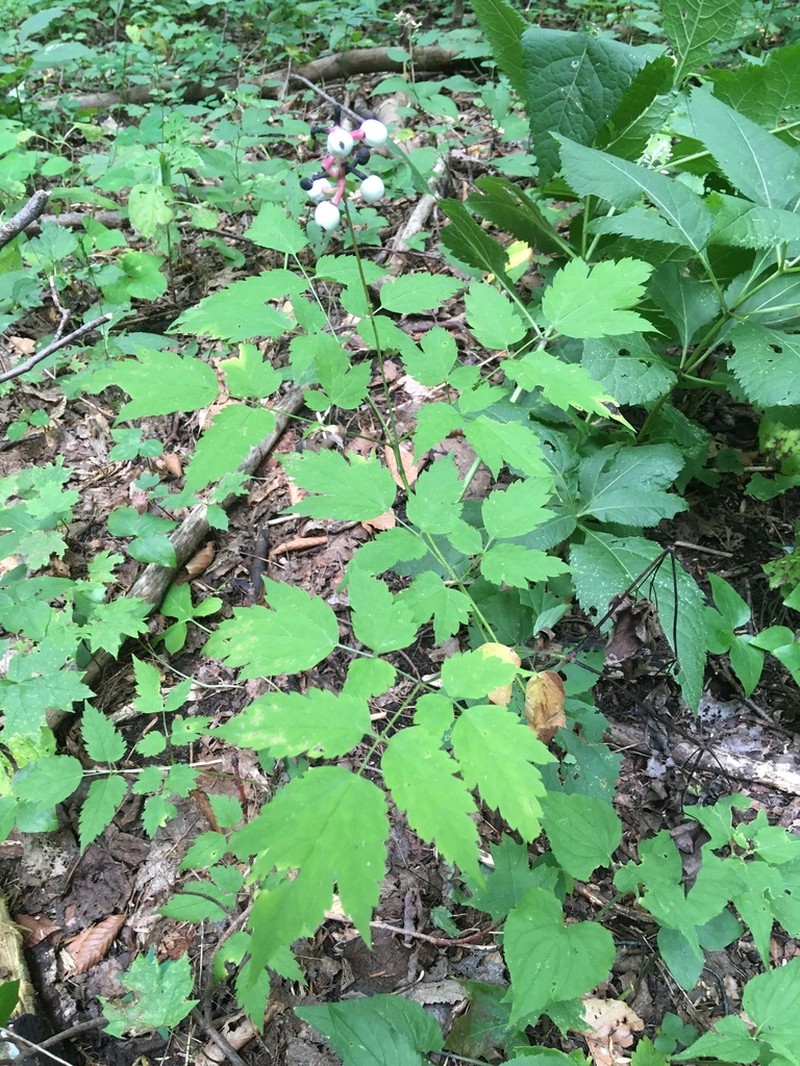
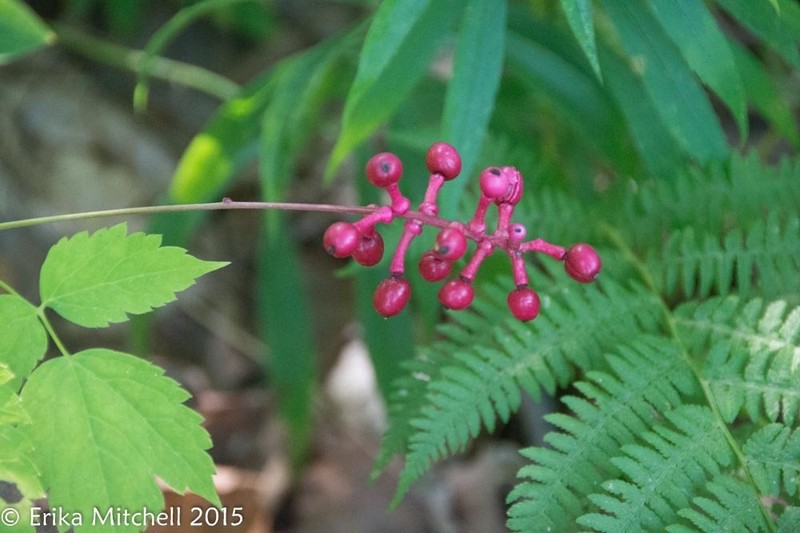
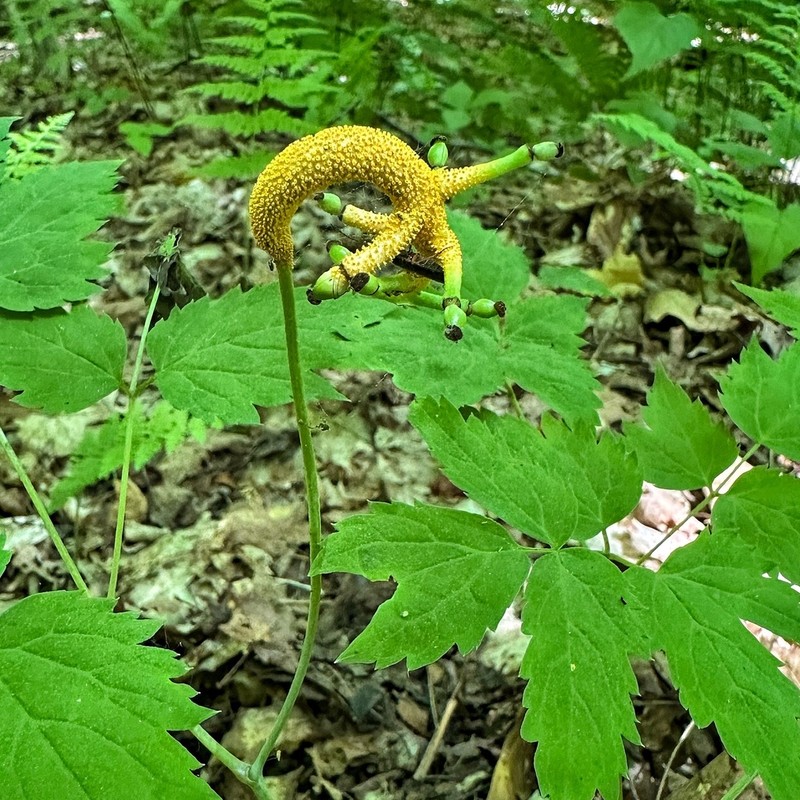
Taxonomy
- Division:
- Magnoliophyta | - Flowering plants
- Family:
- Ranunculaceae
- Genus:
- Actaea
- Species:
- Actaea pachypoda
- USDA Symbol:
- ACPA
Growth Characteristics
- Life Cycle:
- Perennial
- Growth Habit:
- Forb/herb
- Height:
- 90 cm
- Light Requirements:
- Part Shade,Shade
- Drought Tolerance:
- Low
- Bloom Months:
- apr,may,jun
- Bloom Colors:
- white
Wildlife Benefits
- Butterflies & Moths:
- ★★★☆☆ Documented Lepidoptera association (GBIF)
Keystone Species Ranking
- Caterpillar Keystone:
- ★☆☆☆☆ Butterfly & moth species supported by this genus (NWF)
Garden & Ecology Notes
- Wildlife Value:
- birds
- Deer Resistant:
- Yes
- Fall Color:
- red
Soil Requirements
- Soil Type:
- rich, well-drained loamy soil
- pH:
- 5.5 - 7.0 (slightly acidic to neutral)
- Drainage:
- tolerates poor drainage
- Moisture:
- consistently moist
- Notes:
- prefers shaded woodland areas
Propagation & Germination
- Stratification:
- Cold/moist stratification required — 60–90 days
- Germination Time:
- 30–90 days
- Notes:
- Seeds require cold stratification for 60-90 days; germination may be slow and erratic.
Pre-treatment: Seeds are warm and cold stratified
Establishment: A. pachypoda is found within temperate deciduous forests of North America.
Source: npn.rngr.net
ORGHPS Germination Guide: Sow immediately, Either the viability of these seeds is short or the species propagates best with fresh seed. Stored seed might be coaxed into germination with temperature cycling and patience. Use repeated cycles of 4°C, then 20°C for 3 months each. Germination is very prolonged. Pulpy coat inhibits germination. Remove by soaking and rinsing in clean water for approximately 7 days. Discard water. * seedlings must be grown at less than 20° and can overwinter at -20°, prick out while small, seed is viable for at least 6m
Where to Buy
Nationwide Seller
- Prairie Moon Nursery (nursery and seeds)
- Wild Seed Project (seeds)