
Red Baneberry
Actaea rubra
- Native to:
- Canada, Labrador, Prince Edward I., United States
Walter Siegmund (talk)
Taxonomy
- Division:
- Magnoliophyta | - Flowering plants
- Family:
- Ranunculaceae
- Genus:
- Actaea
- Species:
- Actaea rubra
- USDA Symbol:
- ACRU2
Growth Characteristics
- Life Cycle:
- Perennial
- Growth Habit:
- Forb/herb
- Height:
- 90 cm
- Light Requirements:
- Full Sun,Part Shade,Shade
- Drought Tolerance:
- Low
- Bloom Months:
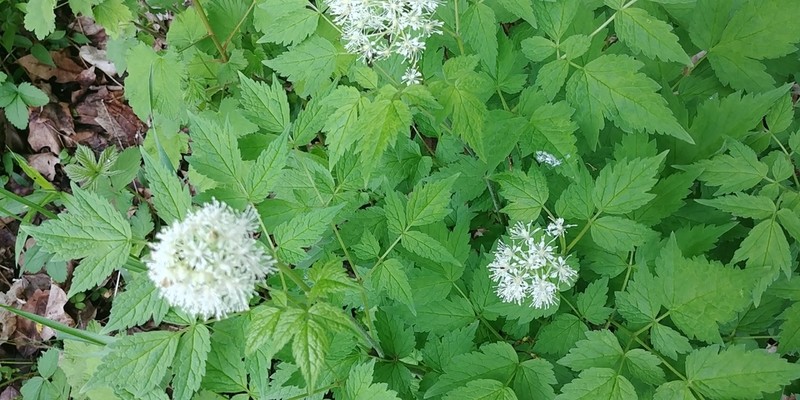
- apr,may,jun
- Bloom Colors:
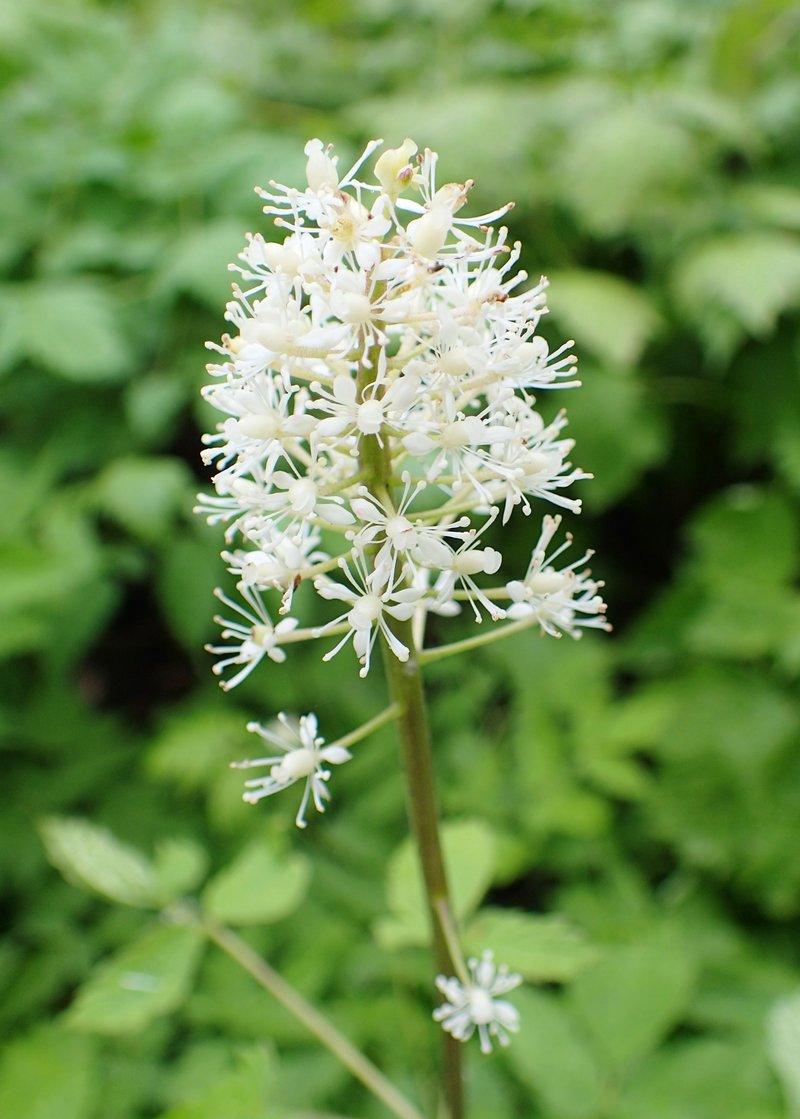
- white
Wildlife Benefits
- Bees:
- ★☆☆☆☆ Documented bee visitation (GBIF)
- Caterpillars:
- ★☆☆☆☆ Recorded caterpillar host plant (HOSTS Database)
Keystone Species Ranking
- Caterpillar Keystone:
- ★☆☆☆☆ Butterfly & moth species supported by this genus (NWF)
Host Plant for Caterpillars
Garden & Ecology Notes
- Wildlife Value:
- birds, small mammals
- Deer Resistant:
- Yes
- Fall Color:
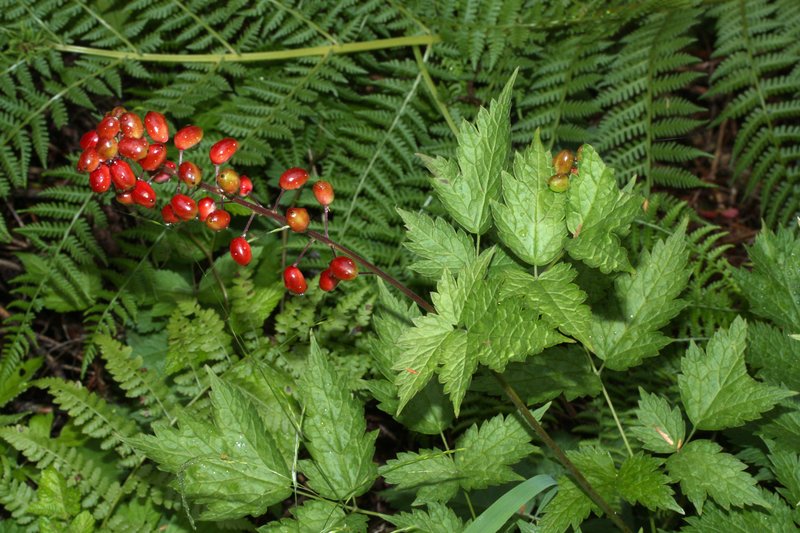
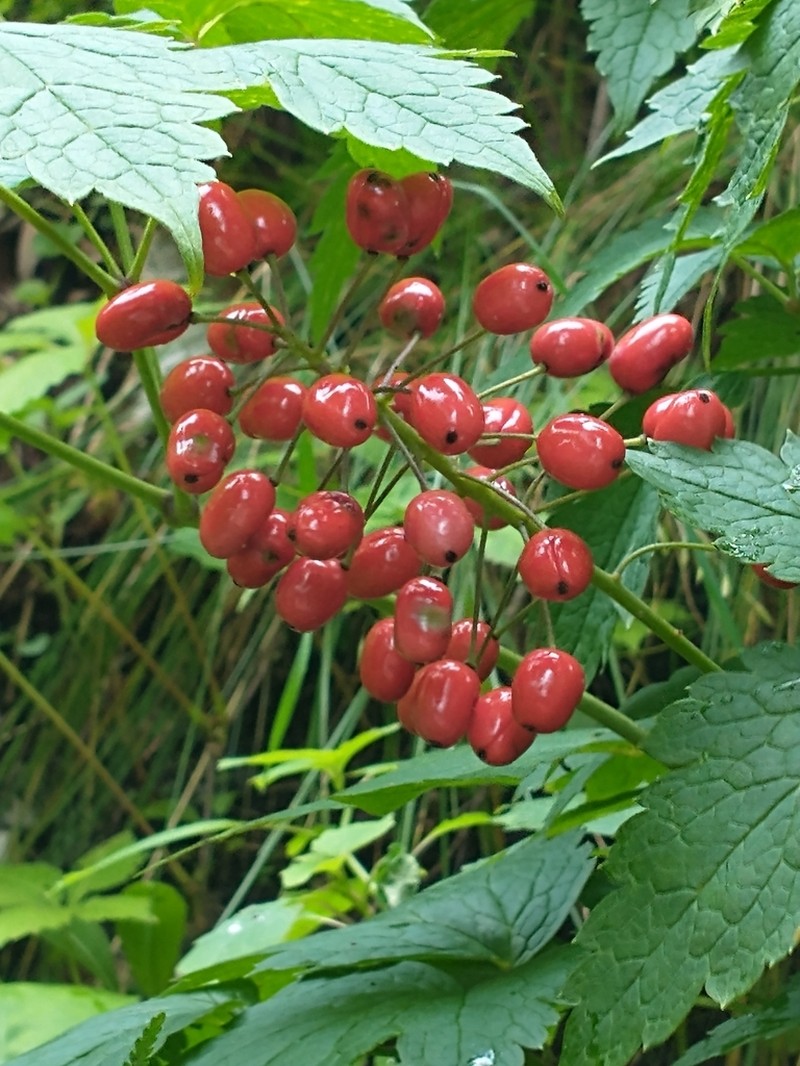
- red
Soil Requirements
- Soil Type:
- rich, well-drained loamy soil
- pH:
- 5.0 - 6.5 (acidic to slightly acidic)
- Drainage:
- good drainage required
- Moisture:
- consistently moist
- Notes:
- Prefers shaded woodland areas
Propagation & Germination
- Stratification:
- Cold/moist stratification required — 60–90 days
- Germination Time:
- 30–90 days
- Notes:
- Seeds require cold stratification for 60-90 days; germination may be slow and erratic.
Pre-treatment: Seeds are mixed with equal amount of perlite or vermiculite and a small amount of water in a Ziploc-style bag or a small Rubbermaid-style container. The mixture is placed in cold moist stratification (33-42 degree F) for at least five months, or up to 112 days.
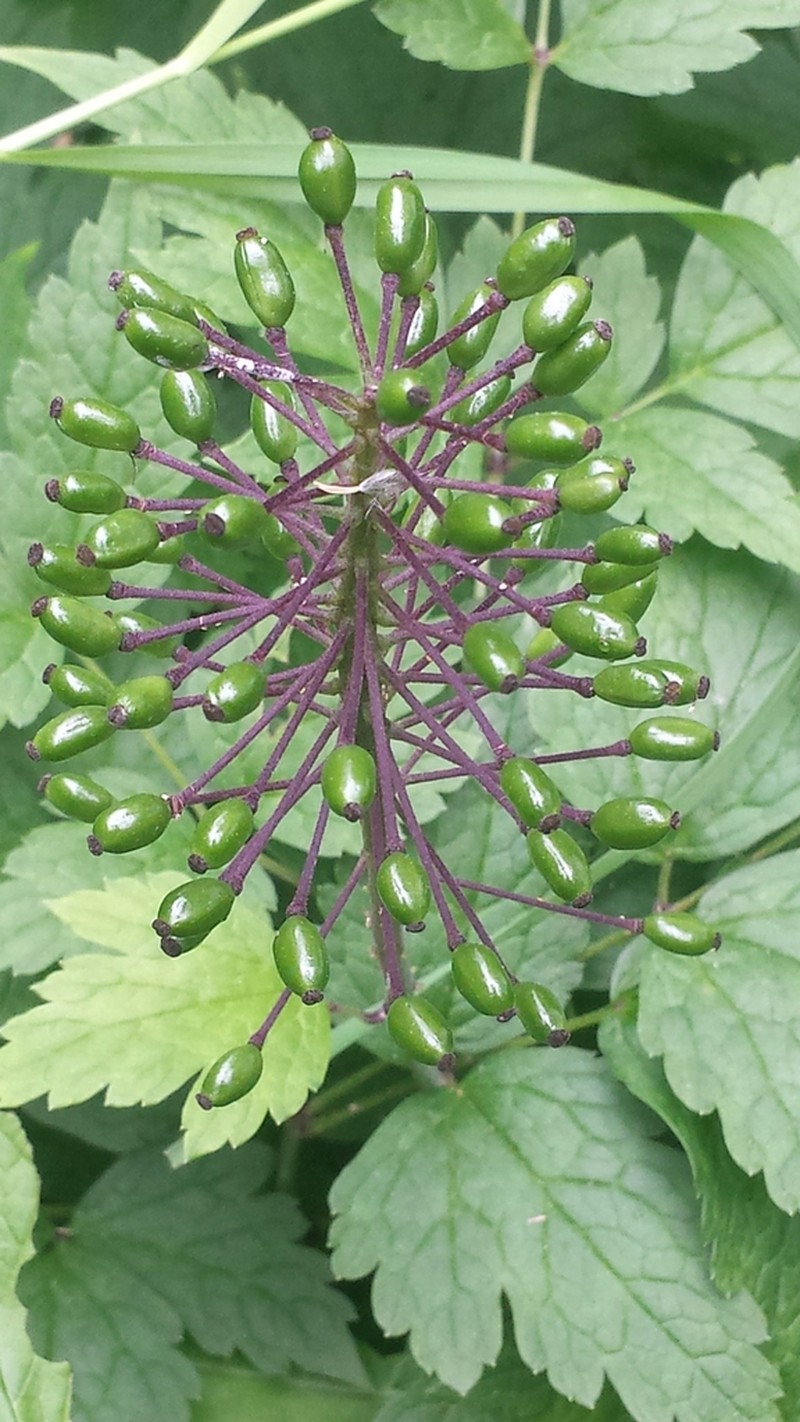
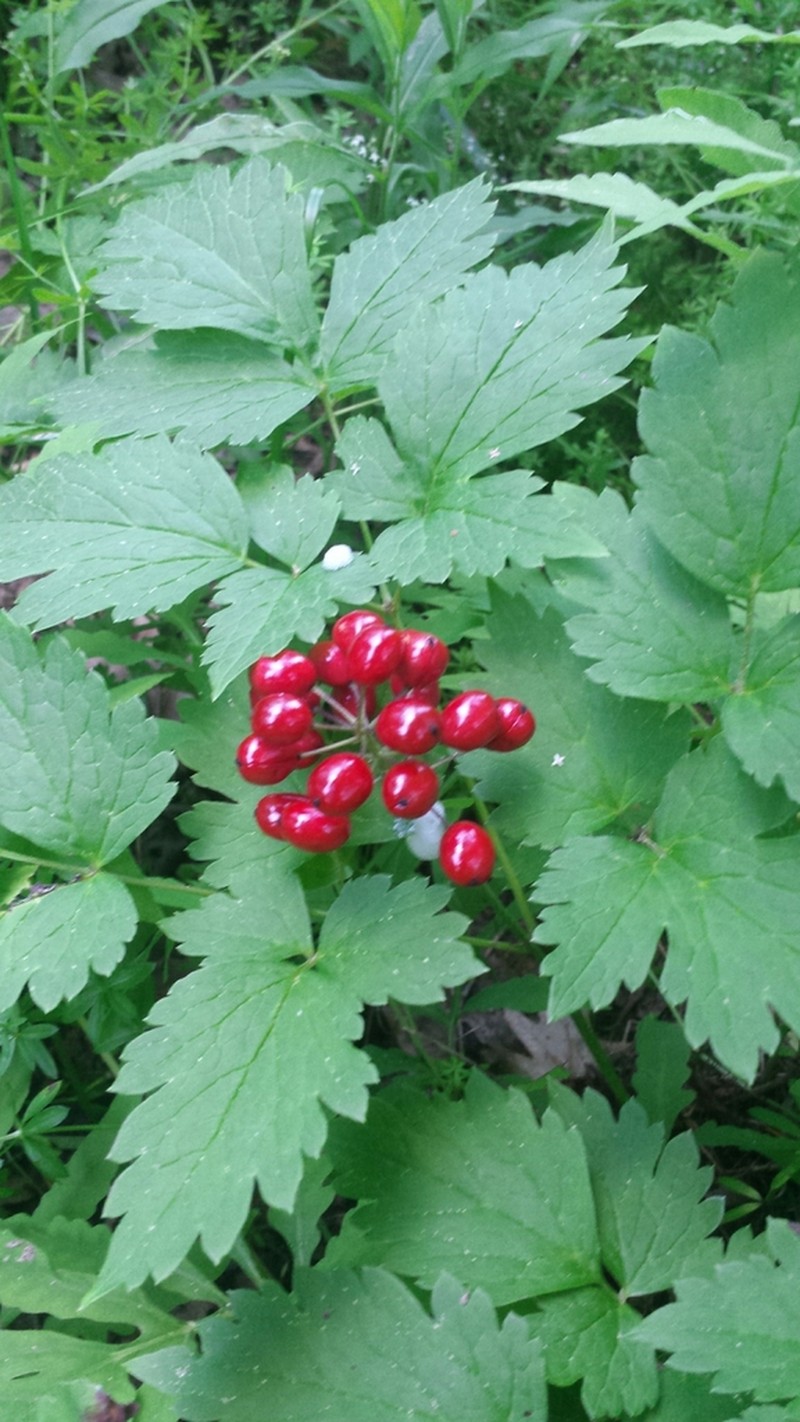
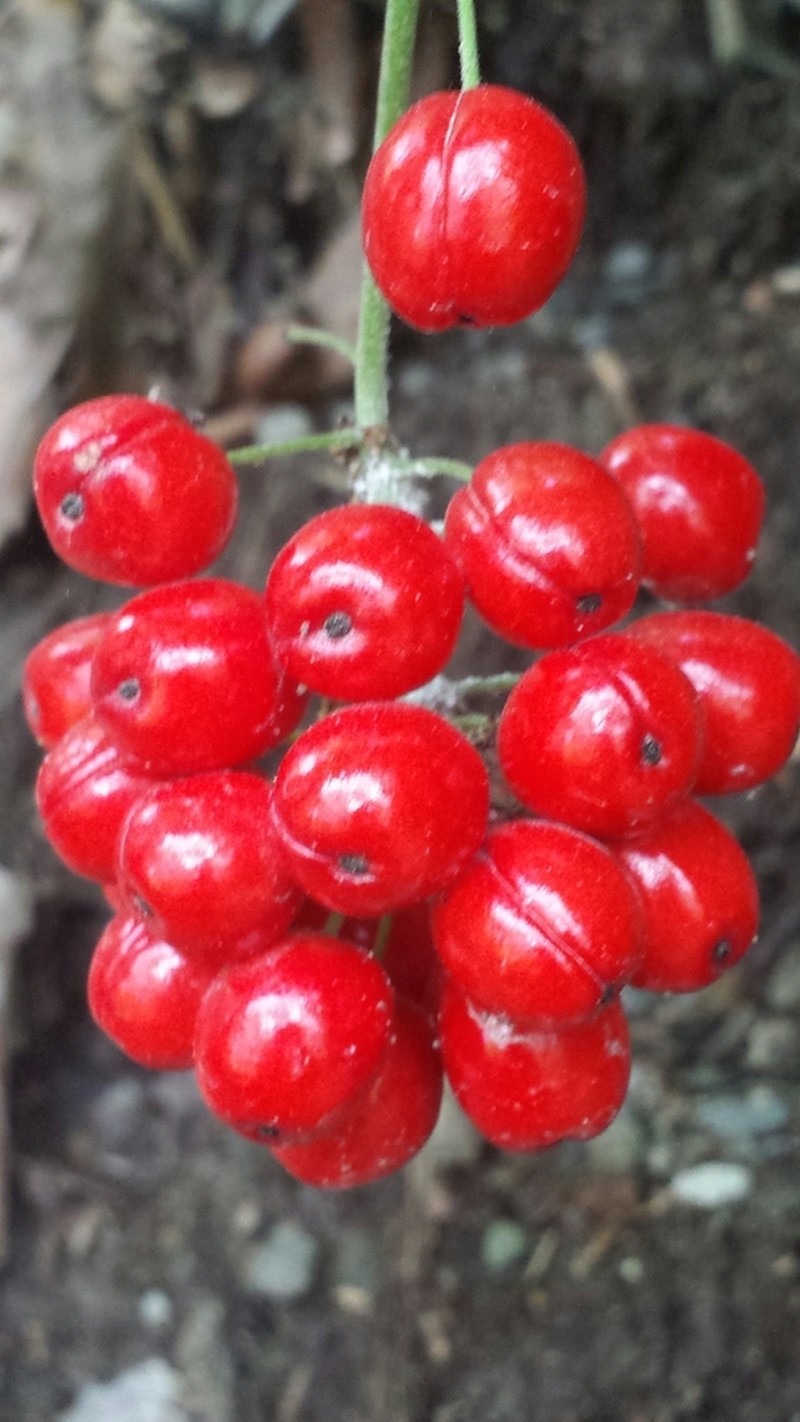
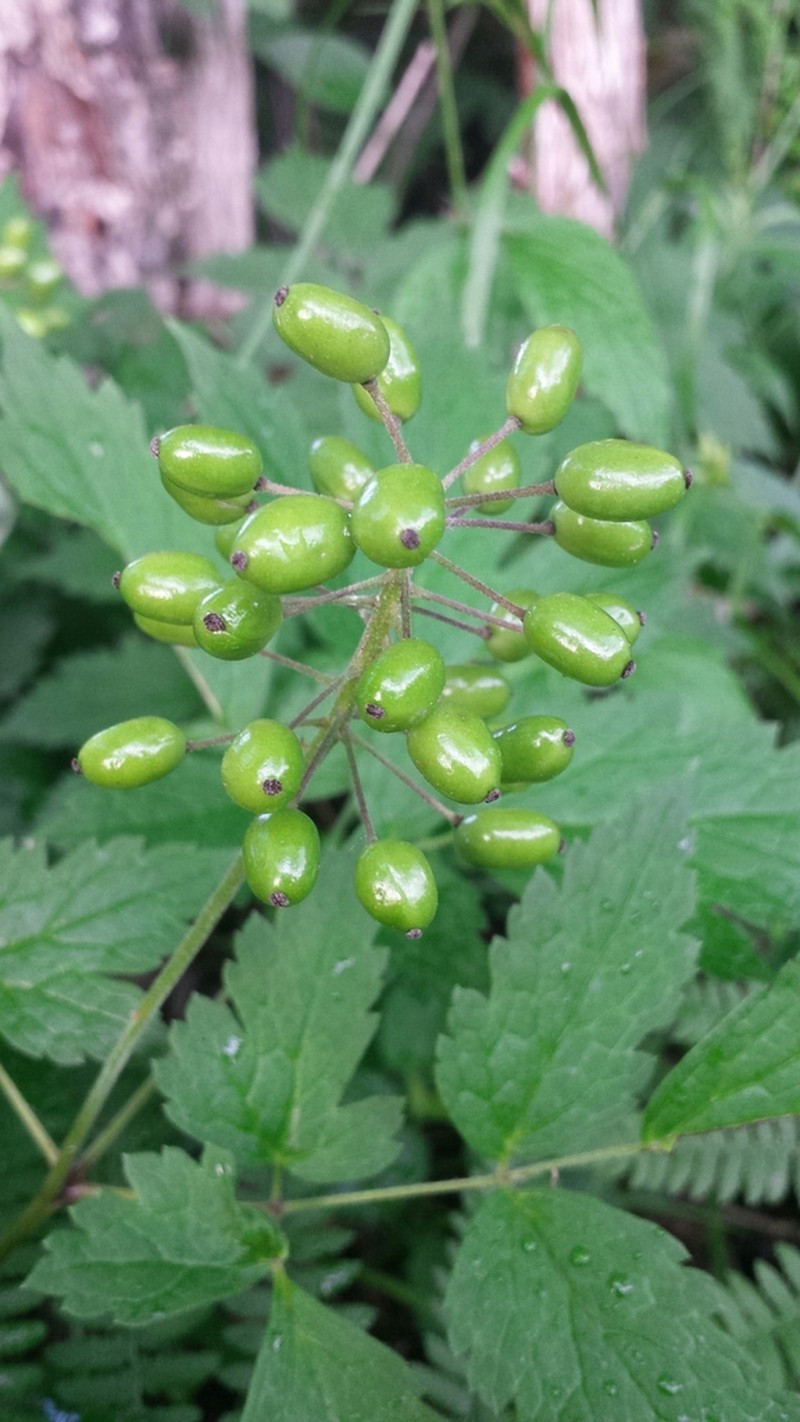
Establishment: Seeds are collected by hand from locally native plants within the eastern central Upper Peninsula. Berries on individual plants do not ripen simultaneously. Berries are harvested in August. The fruit is a red, or rarely white, berry and is reputed to be poisonous. The plant is found in rich mixed and coniferous forests and swamps with aspen, oak, cedar, spruce, fir, hemlock or tamarack with average moisture. It prefers rich, well drained loam (ph 5-6) and light to medium shade.
Source: npn.rngr.net
ORGHPS Germination Guide: Sow immediately, Either the viability of these seeds is short or the species propagates best with fresh seed. Stored seed might be coaxed into germination with temperature cycling and patience. Use repeated cycles of 4°C, then 20°C for 3 months each. Germination is very prolonged. Pulpy coat inhibits germination. Remove by soaking and rinsing in clean water for approximately 7 days. Discard water. * seedlings must be grown at less than 20° and can overwinter at -20°, prick out while small, seed is viable for at least 6m
Where to Buy
Nationwide Seller
- Wild Seed Project (seeds)
- Sheffield's Seed (seeds)
- Vermont Wildflower Farm (nursery and seeds)
- Butterfield Seeds (seeds)
- Prairie Moon Nursery (nursery and seeds)