
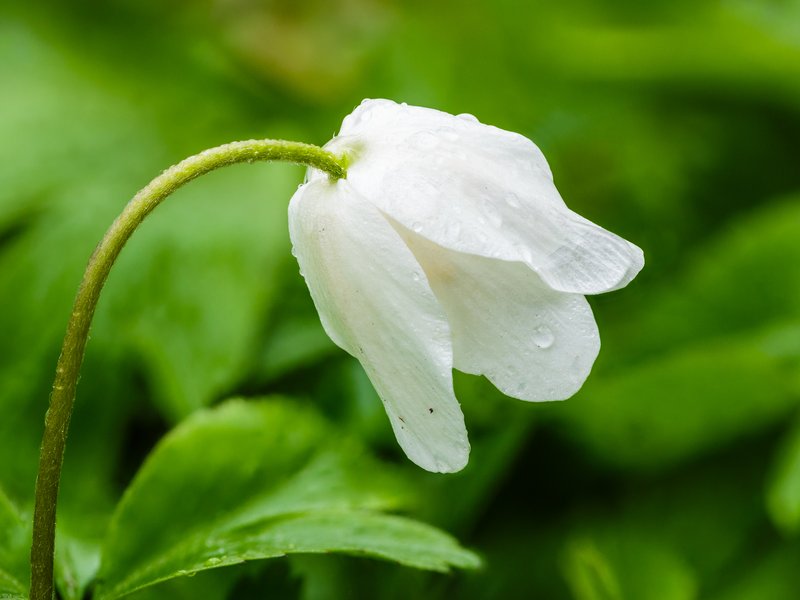
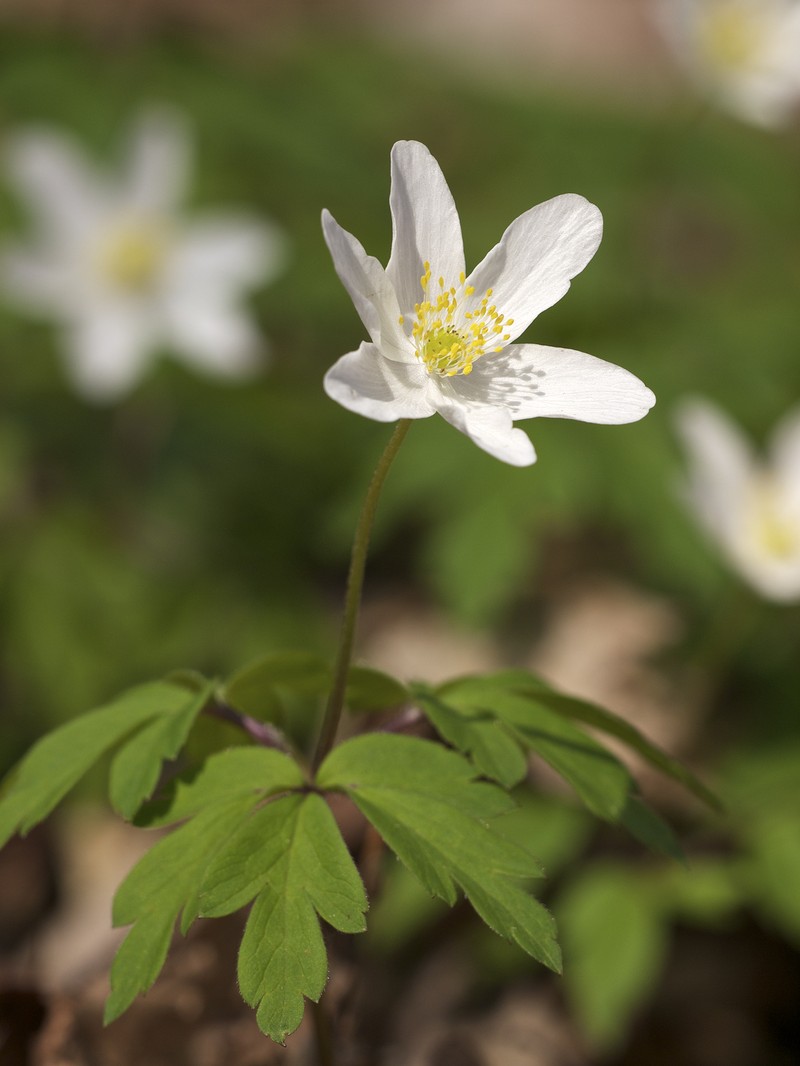
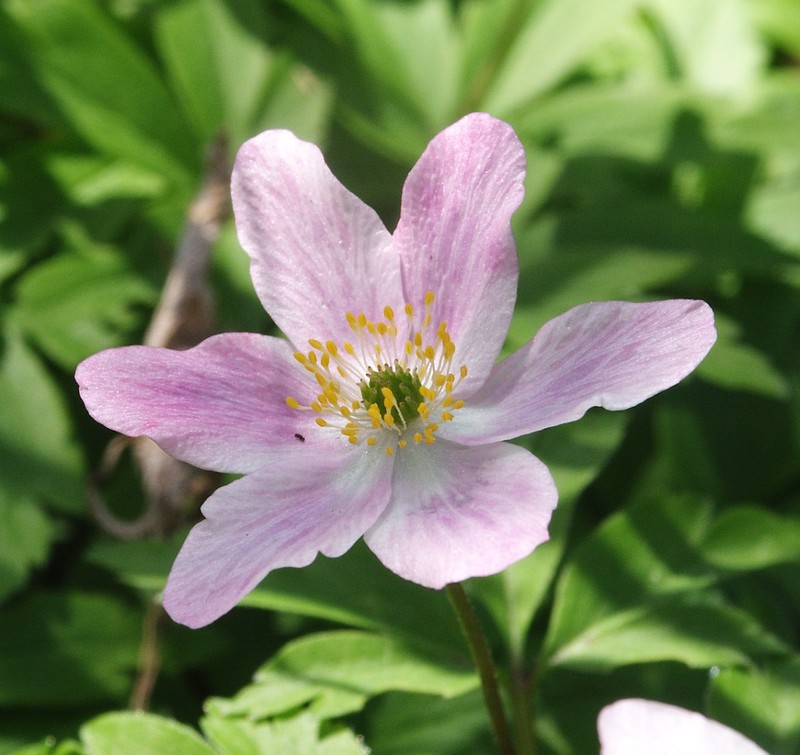
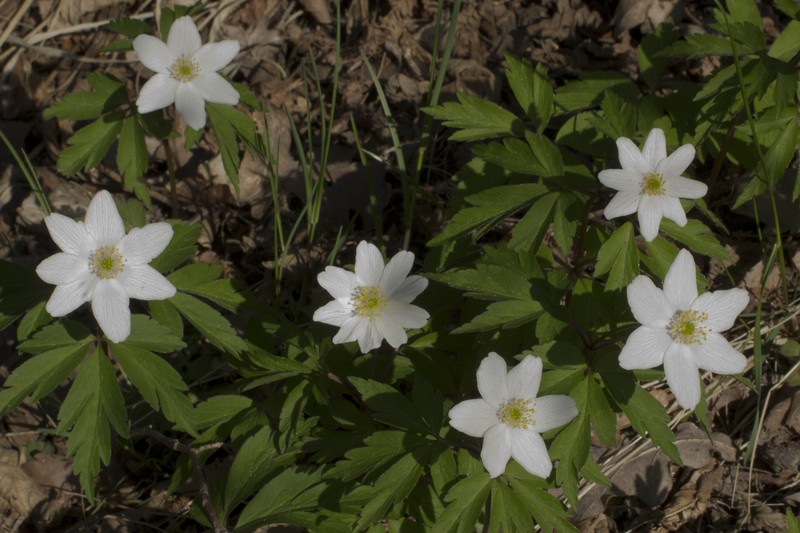
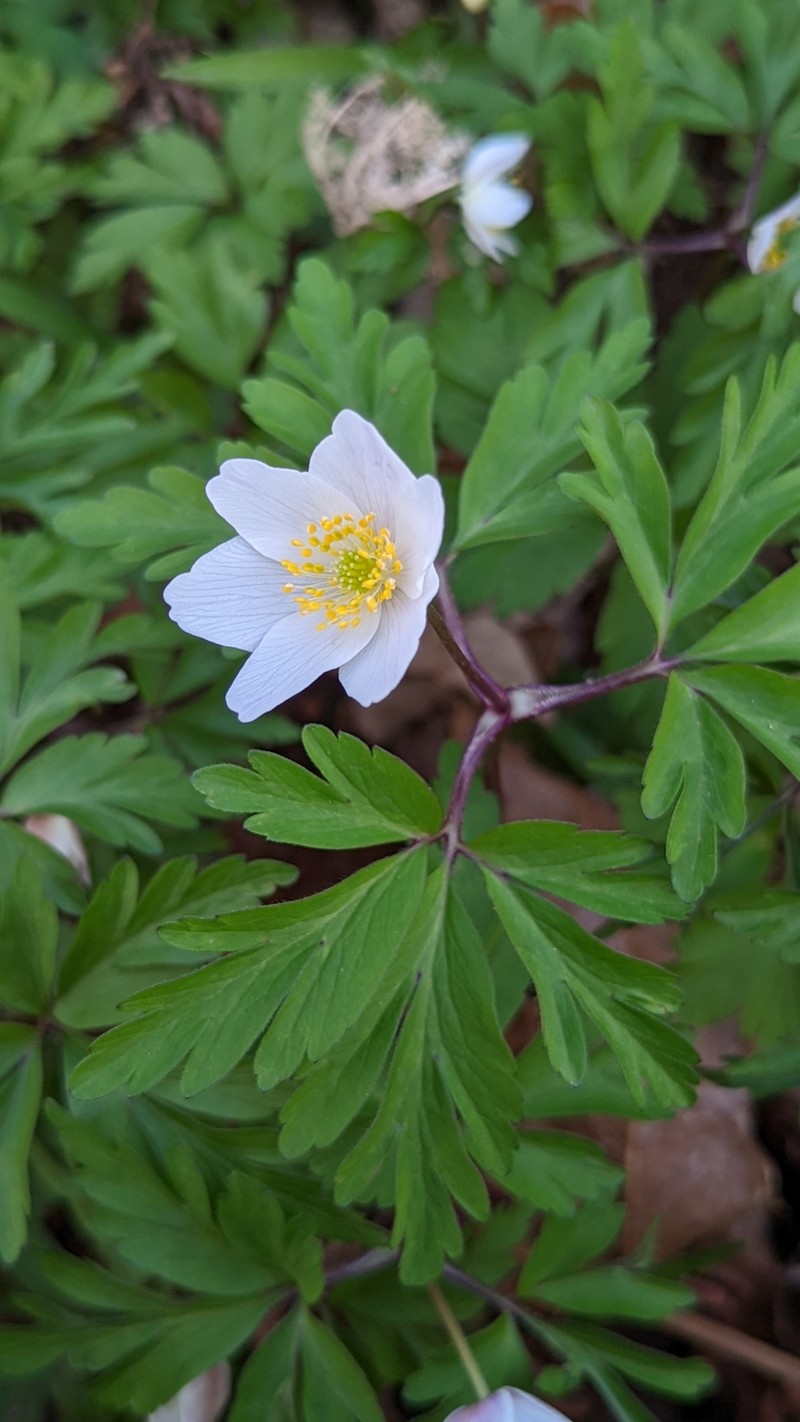
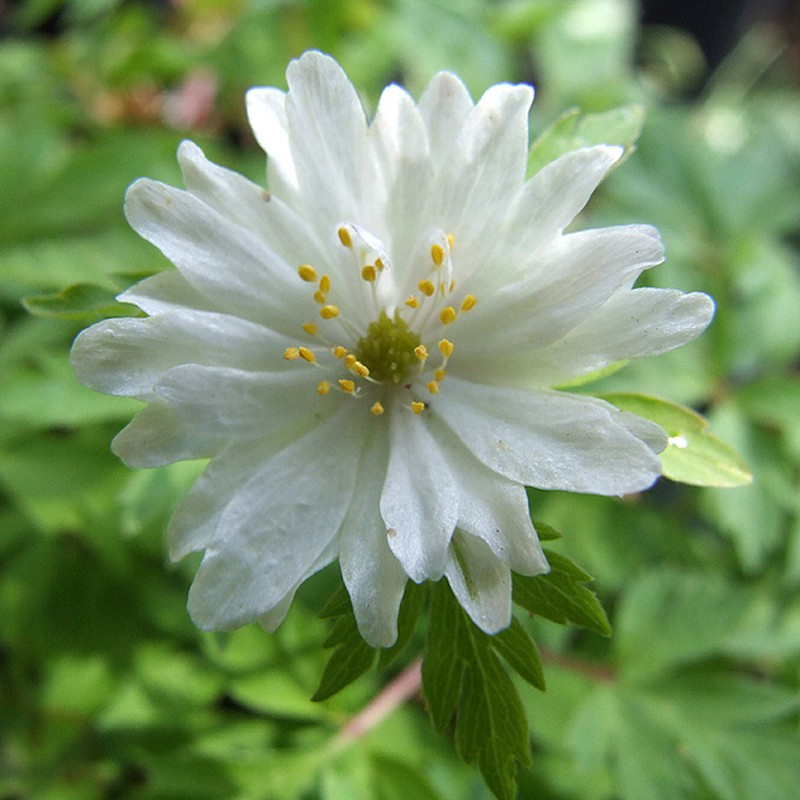
European Thimbleweed
Anemone nemorosa
- Native to:
- Albania, Austria, Baltic States, Belarus, Belgium, Bulgaria, Corse, Czechia-Slovakia, Denmark, Finland, France, Germany, Great Britain, Greece, Hungary, Ireland, Italy, North Caucasus, Norway, NW. Balkan Pen., Poland, Romania, Russia, Spain, Sweden, Switzerland, Transcaucasus, Türkiye, Türkiye-in-Europe, Ukraine
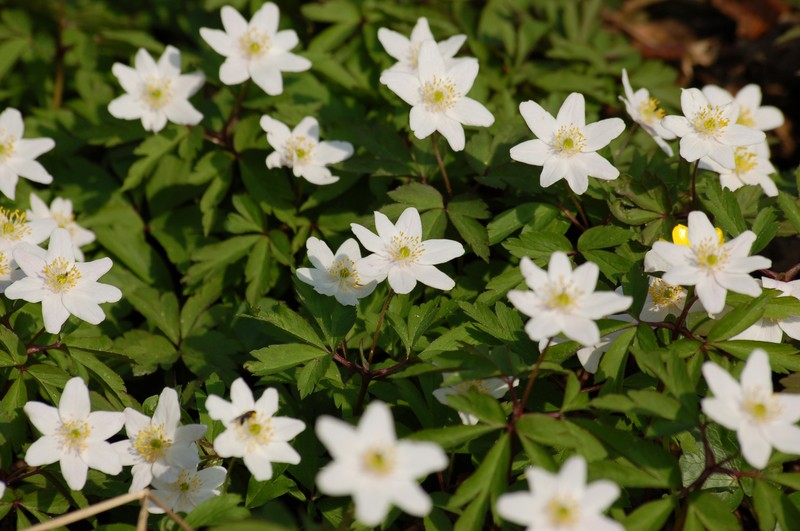
Dominicus Johannes Bergsma
Taxonomy
- Division:
- Magnoliophyta | - Flowering plants
- Family:
- Ranunculaceae
- Genus:
- Anemone
- Species:
- Anemone nemorosa
- USDA Symbol:
- ANNE4
Growth Characteristics
- Life Cycle:
- Perennial
- Growth Habit:
- Forb/herb
- Height:
- 30 cm
- Light Requirements:
- Part Shade
- Drought Tolerance:
- Low
- Bloom Months:
- mar,apr,may
- Bloom Colors:
- white
- Ground Cover:
- Yes
Wildlife Benefits
- Bees:
- ★☆☆☆☆ Documented bee visitation (GBIF)
- Butterflies & Moths:
- ★★☆☆☆ Documented Lepidoptera association (GBIF)
Keystone Species Ranking
- Caterpillar Keystone:
- ★☆☆☆☆ Butterfly & moth species supported by this genus (NWF)
Garden & Ecology Notes
- Wildlife Value:
- bees, butterflies
- Deer Resistant:
- Yes
Soil Requirements
- Soil Type:
- rich, well-drained loamy soil
- pH:
- 5.5 - 7.0 (slightly acidic to neutral)
- Drainage:
- good drainage required
- Moisture:
- consistently moist
- Notes:
- prefers woodland settings with leaf litter
Propagation & Germination
- Stratification:
- Cold/moist stratification required — 60–90 days
- Germination Time:
- 30–90 days
- Notes:
- Seeds require cold stratification for 2-3 months; germination is often slow and erratic.
ORGHPS Germination Guide: Sow immediately, Either the viability of these seeds is short or the species propagates best with fresh seed. Stored seed might be coaxed into germination with temperature cycling and patience. Sow at 20°C for 6 weeks, then place @ 4°C for 6 weeks, then slowly raise temperature to 10°C for 6 weeks. If there is no germination, repeat the cycle. * hydrophilic