
Rock Clematis
Clematis columbiana
- Native to:
- United States
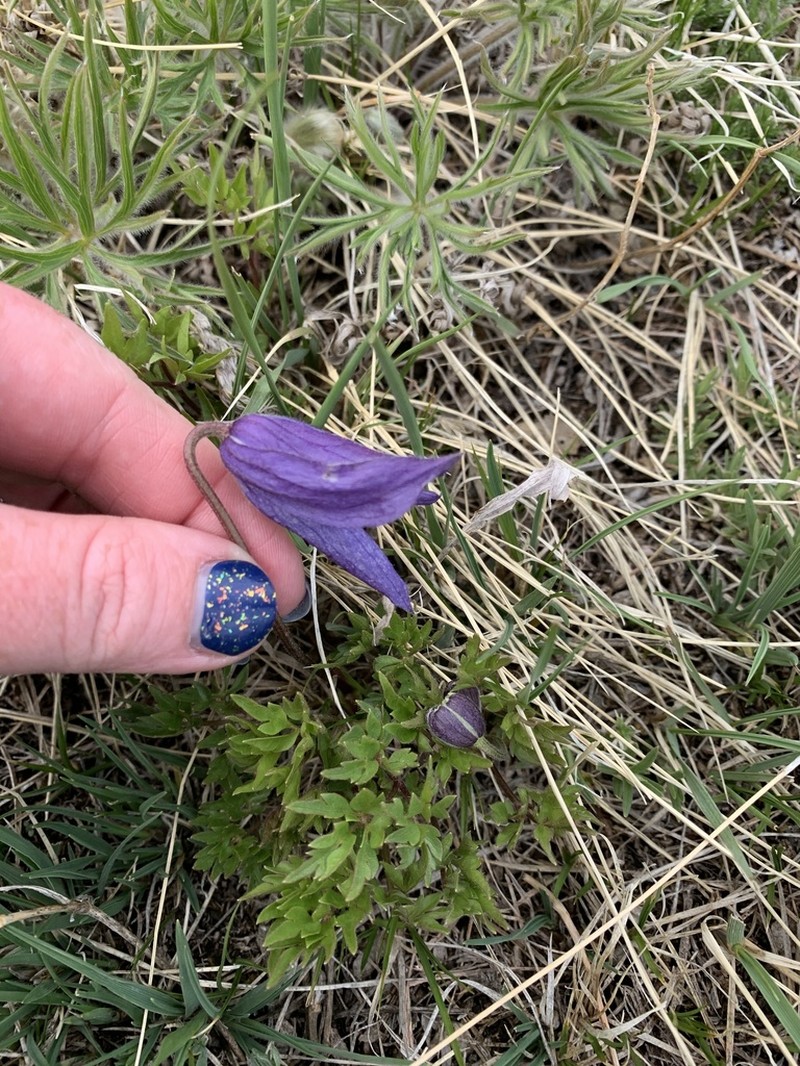
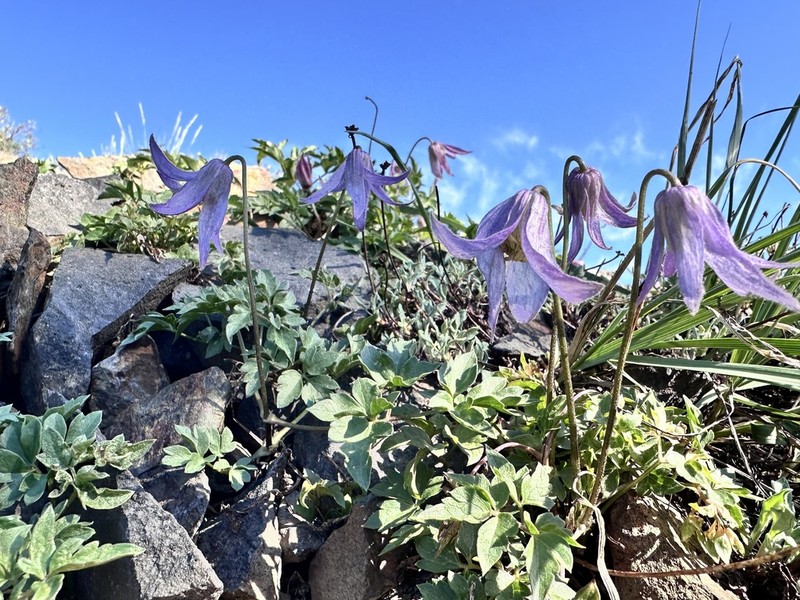
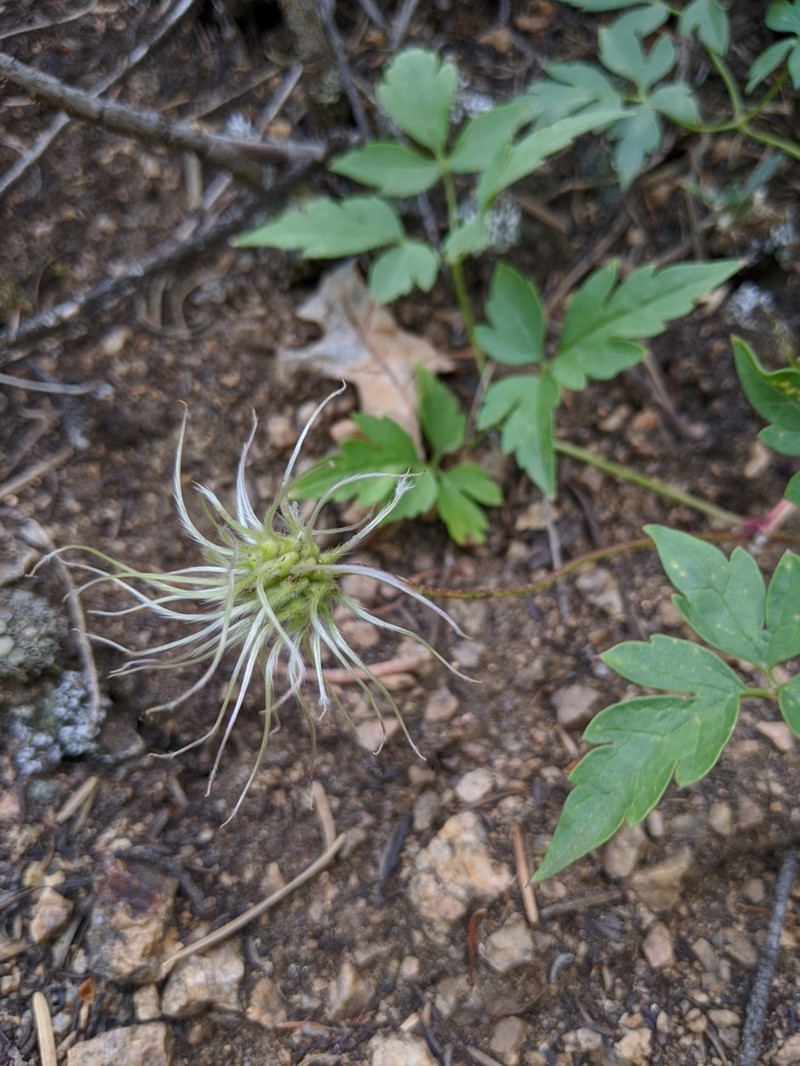
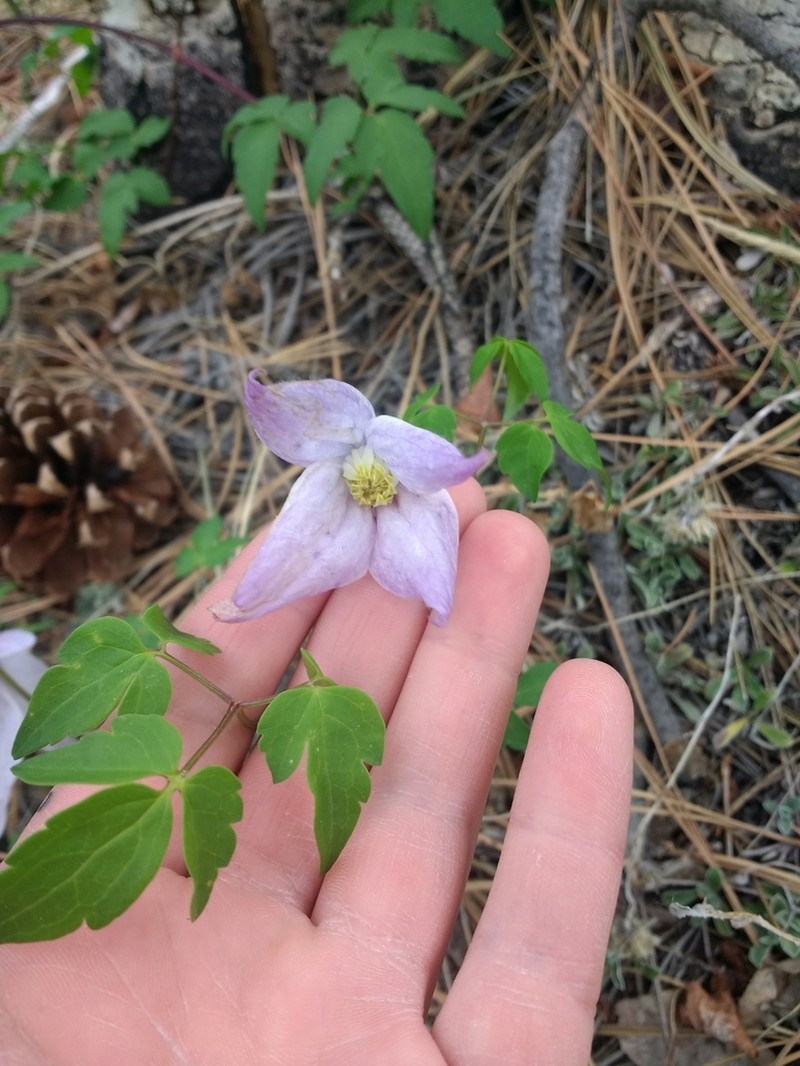
iNaturalist: © m_nelson (iNaturalist #79107993)
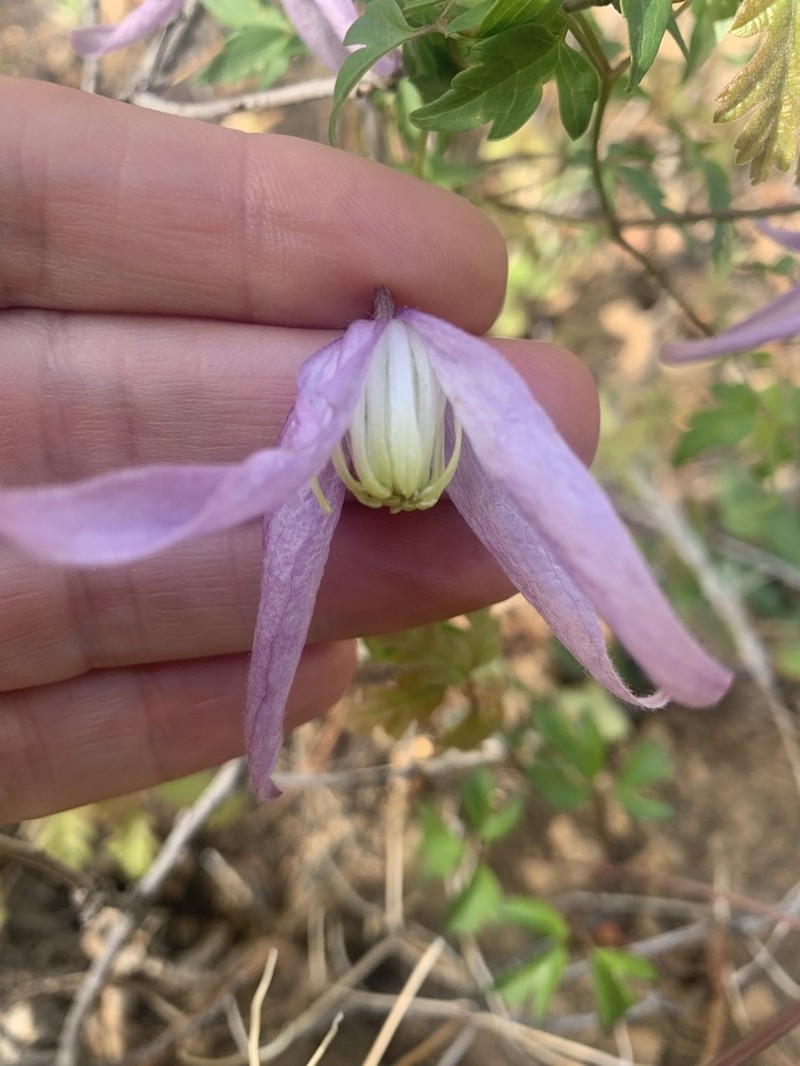
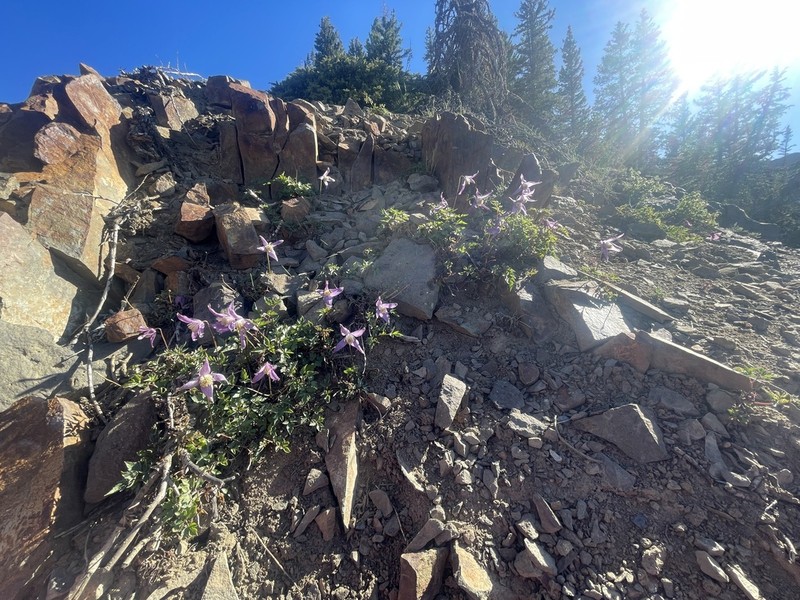
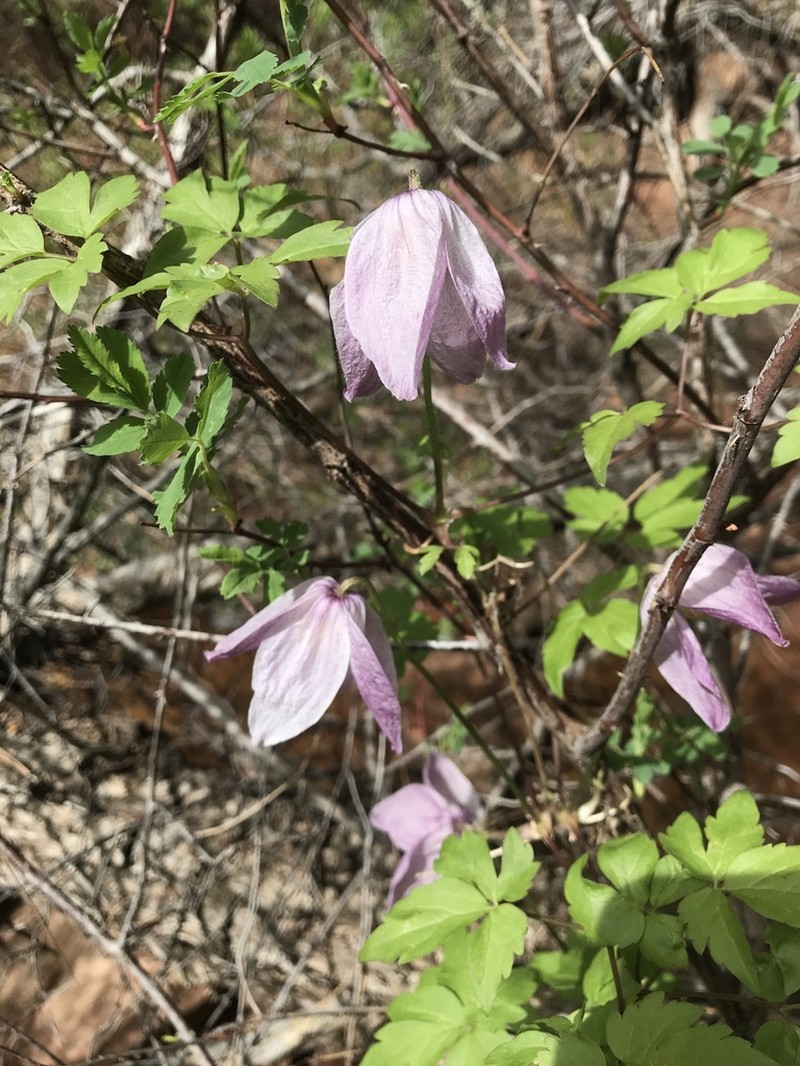
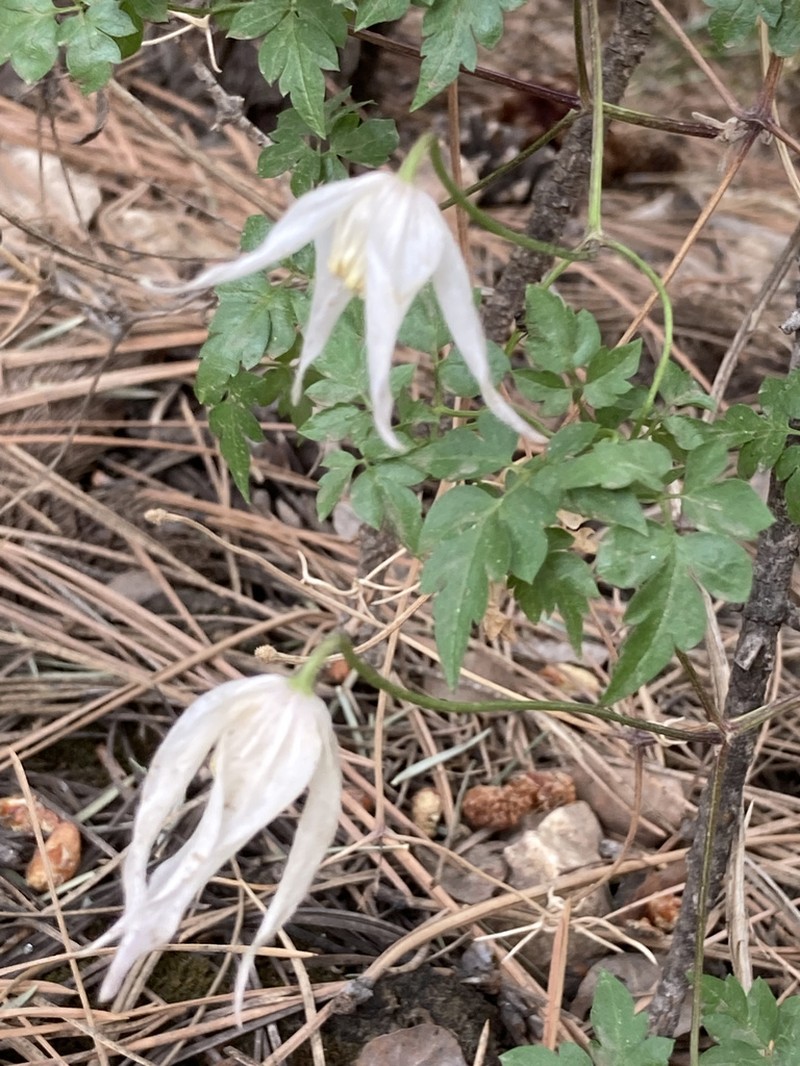
Taxonomy
- Division:
- Magnoliophyta | - Flowering plants
- Family:
- Ranunculaceae
- Genus:
- Clematis
- Species:
- Clematis columbiana
- USDA Symbol:
- CLCO2
Growth Characteristics
- Life Cycle:
- Perennial
- Growth Habit:
- Vine
- Height:
- 300 cm
- Light Requirements:
- Part Shade
- Drought Tolerance:
- Medium
- Bloom Months:
- apr,may,jun,jul
- Bloom Colors:
- blue, purple, violet
Wildlife Benefits
- Butterflies & Moths:
- ★☆☆☆☆ Documented Lepidoptera association (GBIF)
- Caterpillars:
- ★☆☆☆☆ Recorded caterpillar host plant (HOSTS Database)
- Hummingbirds:
- ★☆☆☆☆ Documented hummingbird visits (GBIF)
Keystone Species Ranking
- Caterpillar Keystone:
- ★★☆☆☆ Butterfly & moth species supported by this genus (NWF)
Host Plant for Caterpillars
Brown bark carpet moth (Horisme intestinata)
Reported Fauna Sightings
Hummingbirds: Broad-tailed Hummingbird (Selasphorus platycercus)
Garden & Ecology Notes
- Wildlife Value:
- hummingbirds, butterflies
Soil Requirements
- Soil Type:
- well-drained, rocky or sandy soil
- pH:
- 6.0 - 7.5 (slightly acidic to neutral)
- Drainage:
- excellent drainage required
- Moisture:
- dry to moderate
- Notes:
- native to rocky slopes and open woodlands
Propagation & Germination
- Stratification:
- Cold/moist stratification required — 60–90 days
- Germination Time:
- 30–90 days
- Notes:
- Seeds benefit from cold stratification for 60-90 days to break dormancy.
Pre-treatment: Stem cuttings of 3 cm in length and 0.4 cm in diameter are taken in late June during flowering. Cuttings are recut just above the node and internode length is shortened to 1 to 3 cm. Cuttings are treated with 8000 ppm Hormex rooting powder and placed in 1:1 (v:v) sand and perlite medium under mist with bottom heat for 7 weeks.
Establishment: C. columbiana occurs east of the Cascades, from B.C. to northern Oregon, east to Alberta, Montana, and Wyoming. It inhabits open forests and slopes in the montane and subalpine zone.
Source: npn.rngr.net
ORGHPS Germination Guide: Sow @ 20C. Germinates within 3 months. Requires light / surface sow (fine seed).
Where to Buy
Nationwide Seller
- Sheffield's Seed (seeds)