
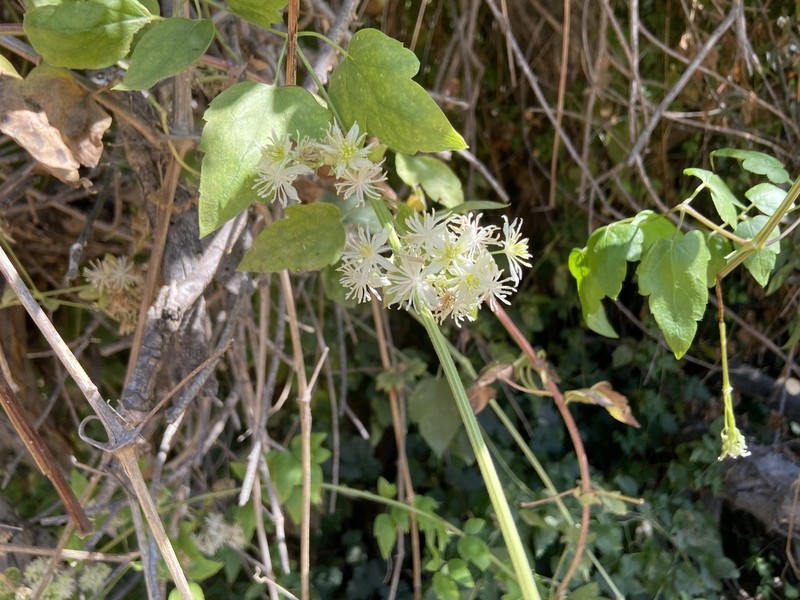
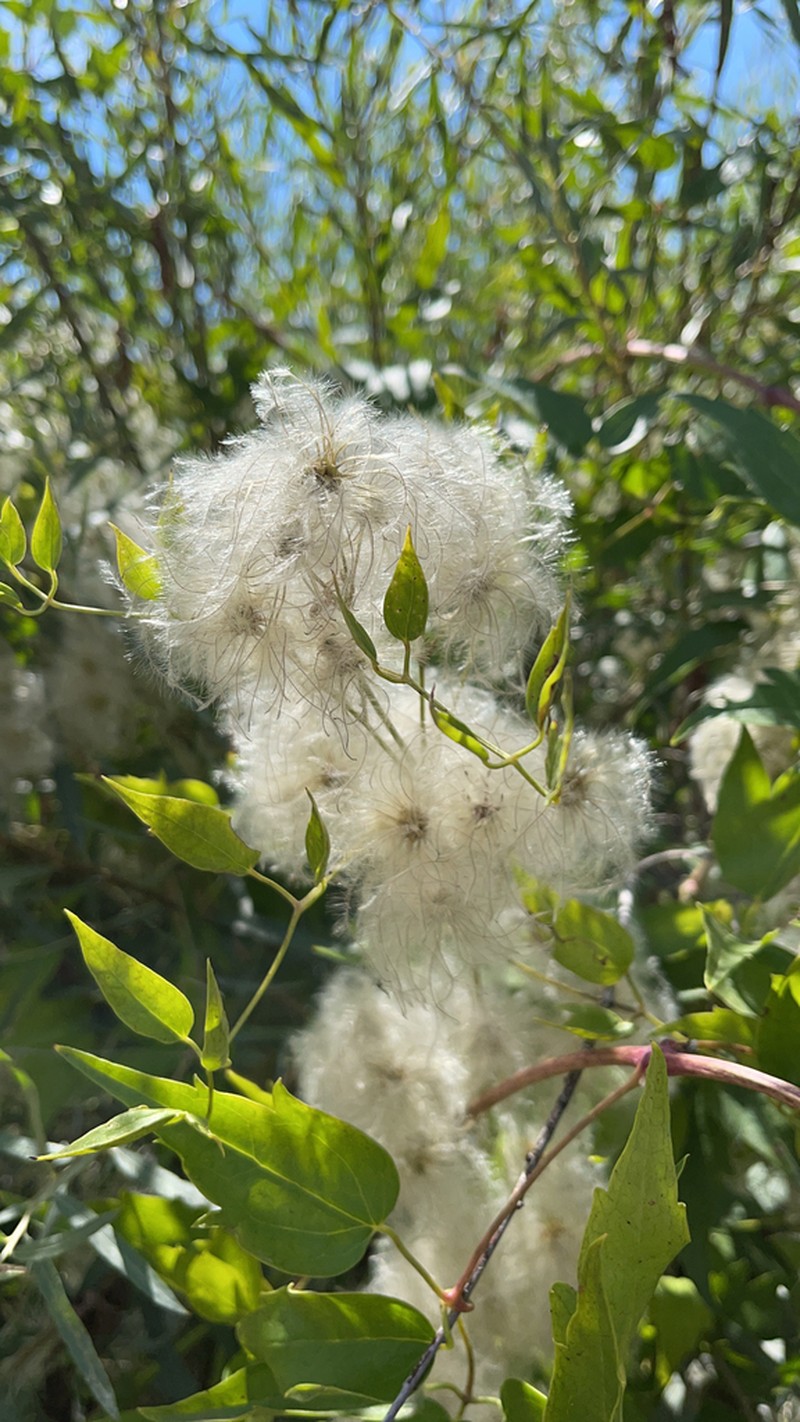
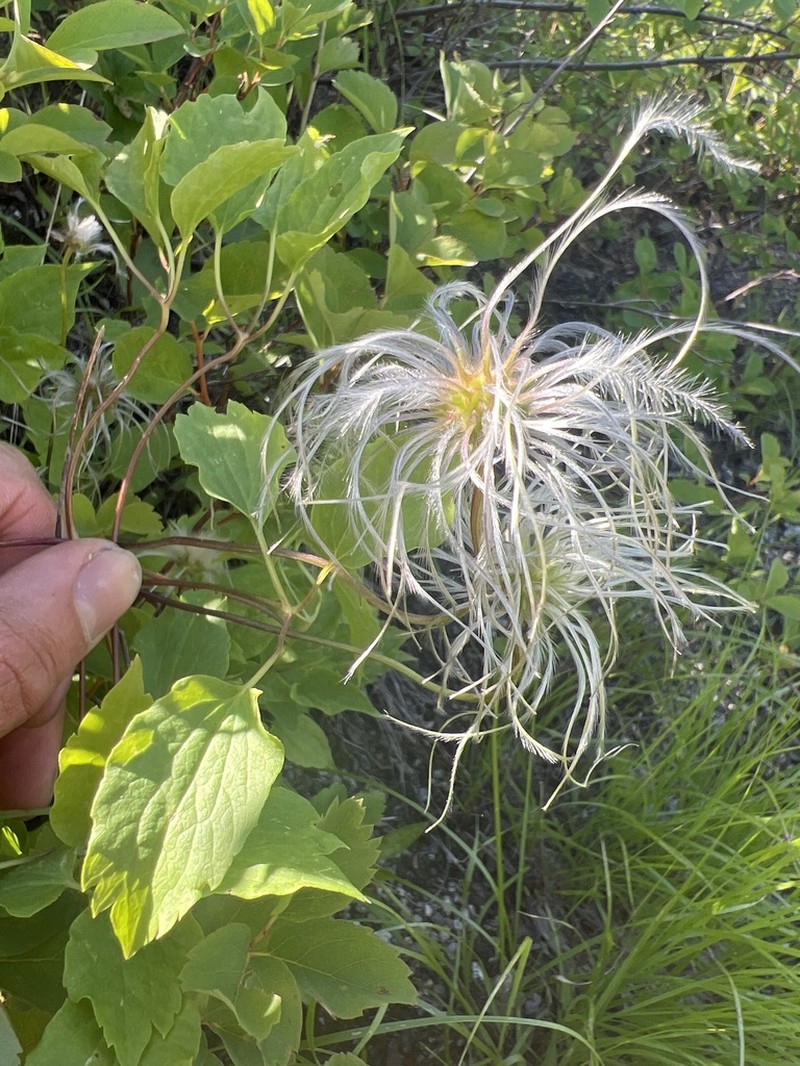
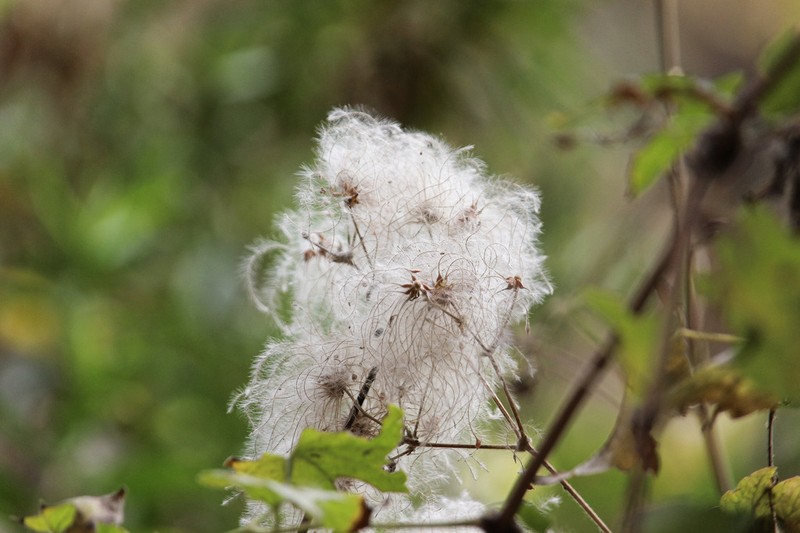
Western White Clematis
Clematis ligusticifolia
- Native to:
- Canada, Mexico, United States
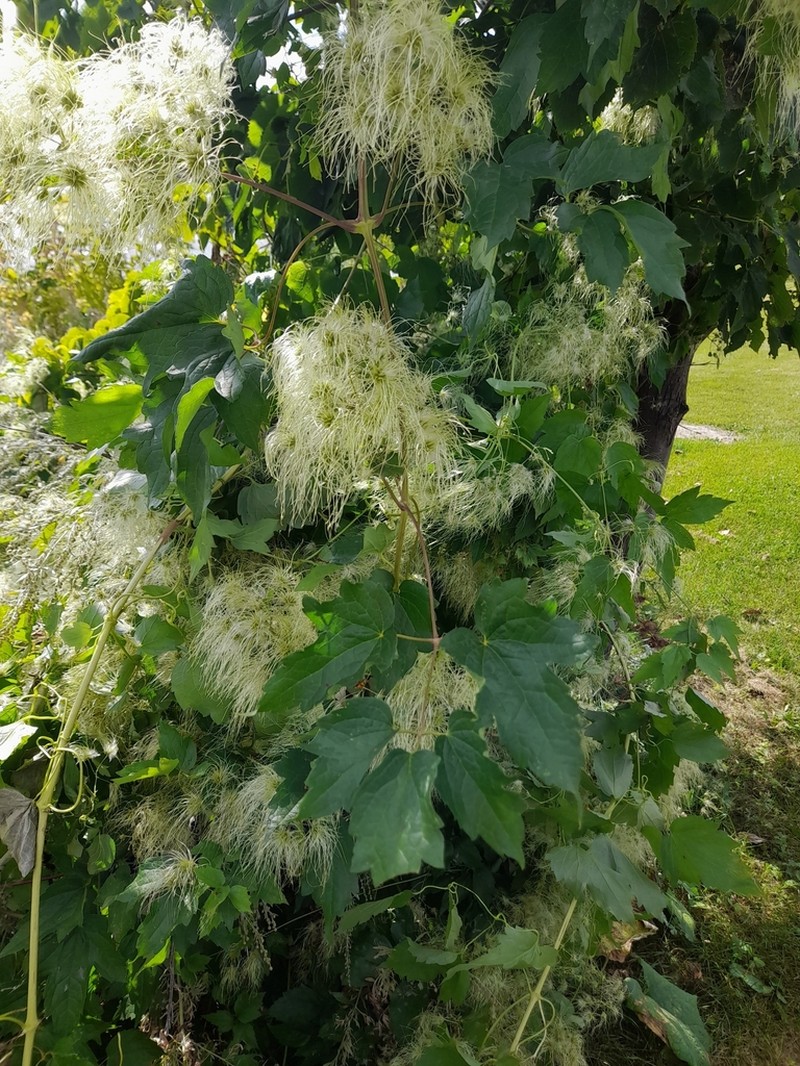
iNaturalist: © rostyslav_yurechko (iNaturalist #134692151)
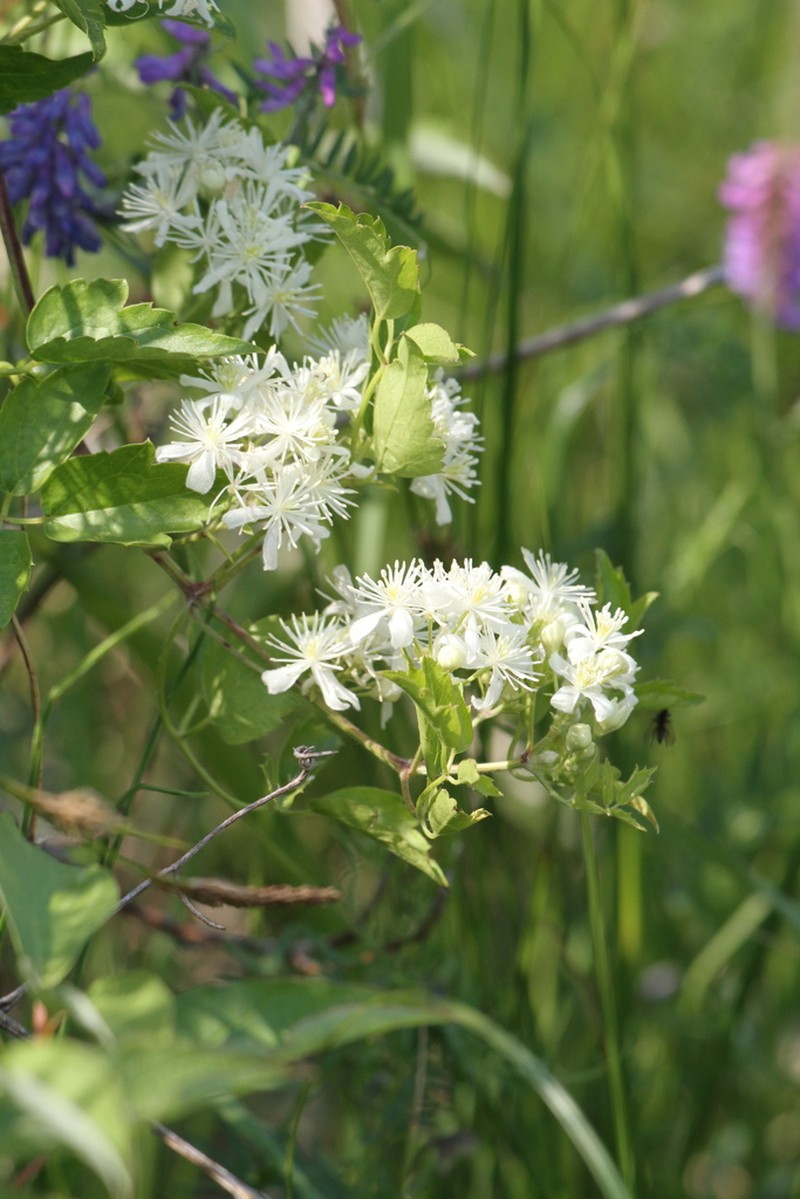
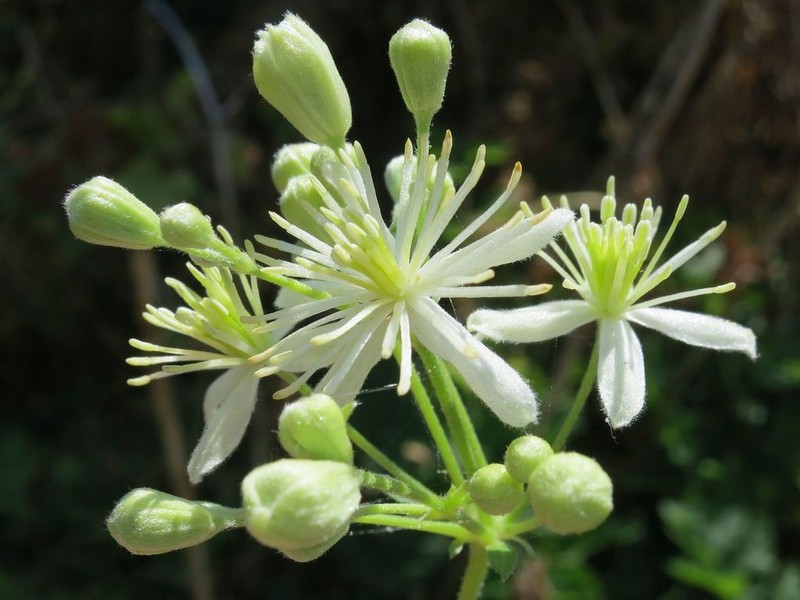
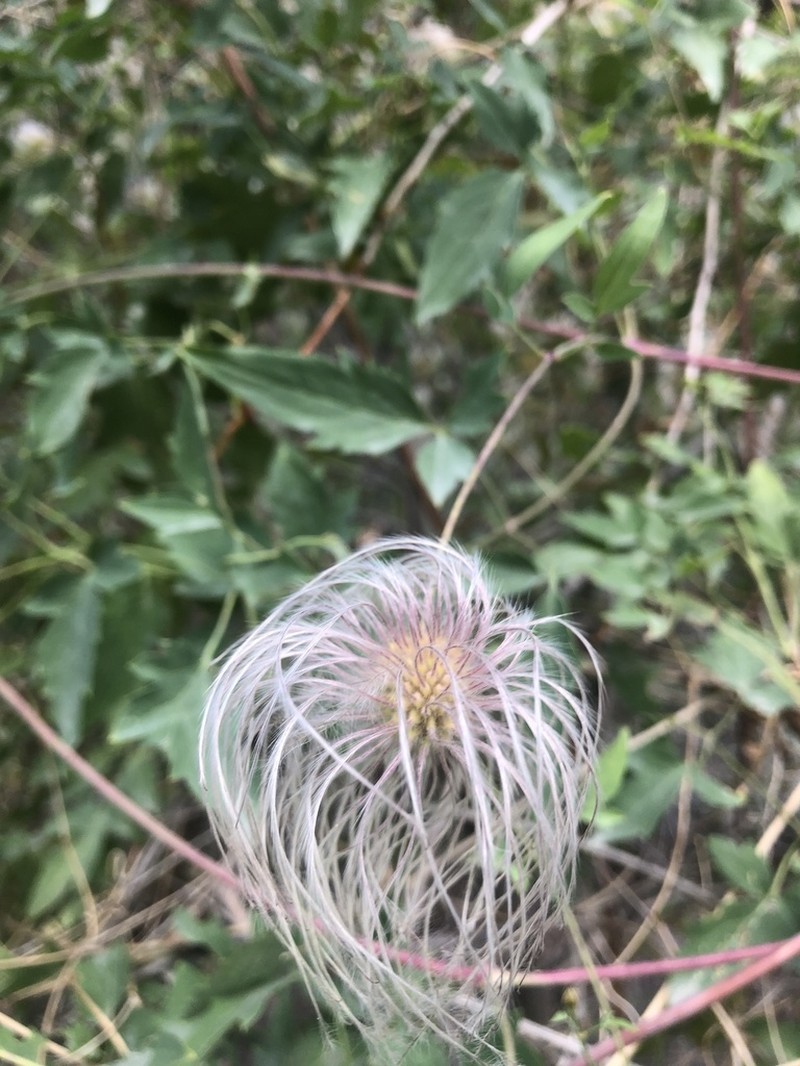
Taxonomy
- Division:
- Magnoliophyta | - Flowering plants
- Family:
- Ranunculaceae
- Genus:
- Clematis
- Species:
- Clematis ligusticifolia
- USDA Symbol:
- CLLI2
Growth Characteristics
- Life Cycle:
- Perennial
- Growth Habit:
- Vine
- Height:
- 600 cm
- Light Requirements:
- Full Sun,Part Shade,Shade
- Drought Tolerance:
- Medium
- Bloom Months:
- jun,jul,aug,sep
- Bloom Colors:
- white
Wildlife Benefits
- Bees:
- ★☆☆☆☆ Documented bee visitation (GBIF)
- Butterflies & Moths:
- ★★☆☆☆ Documented Lepidoptera association (GBIF)
- Caterpillars:
- ★☆☆☆☆ Recorded caterpillar host plant (HOSTS Database)
Keystone Species Ranking
- Caterpillar Keystone:
- ★★☆☆☆ Butterfly & moth species supported by this genus (NWF)
Host Plant for Caterpillars
Reported Fauna Sightings
Garden & Ecology Notes
- Wildlife Value:
- birds, butterflies
Soil Requirements
- Soil Type:
- rich, well-drained loamy soil
- pH:
- 6.0 - 8.0 (slightly acidic to neutral)
- Drainage:
- excellent drainage required
- Moisture:
- consistently moist
- Notes:
- Common in riparian zones and along streams.
Propagation & Germination
- Stratification:
- Cold/moist stratification required — 60–90 days
- Germination Time:
- 30–90 days
- Notes:
- Seeds benefit from cold stratification for 60-90 days to break dormancy.
Pre-treatment: For cuttings, treat with a 30 second fungicide drench prior to applying rooting hormone. Apply rooting hormone to the fresh basal cut, 1/4 to 1/2 inch up the stem. Use .3% Indole-butyric acid rooting hormone as a powder. For seeds, no pre-treatment is required.
Establishment: The plant is generally found from southern California north to British Columbia and east to Alberta, Idaho, Montana, and Wyoming. There are variations in propagation methods based on the source of propagation, either cuttings or seeds.
Source: npn.rngr.net
ORGHPS Germination Guide: Repeated cycles of 4C then 20C, 3 months each. Very prolonged. Requires soaking 24-48 hrs; discard floaters. | Tails on pulsatilla/clematis: leaving on has no effect.
Where to Buy
Nationwide Seller
- Sheffield's Seed (seeds)