
Twolobe Larkspur
Delphinium nuttallianum
- Native to:
- Canada, United States
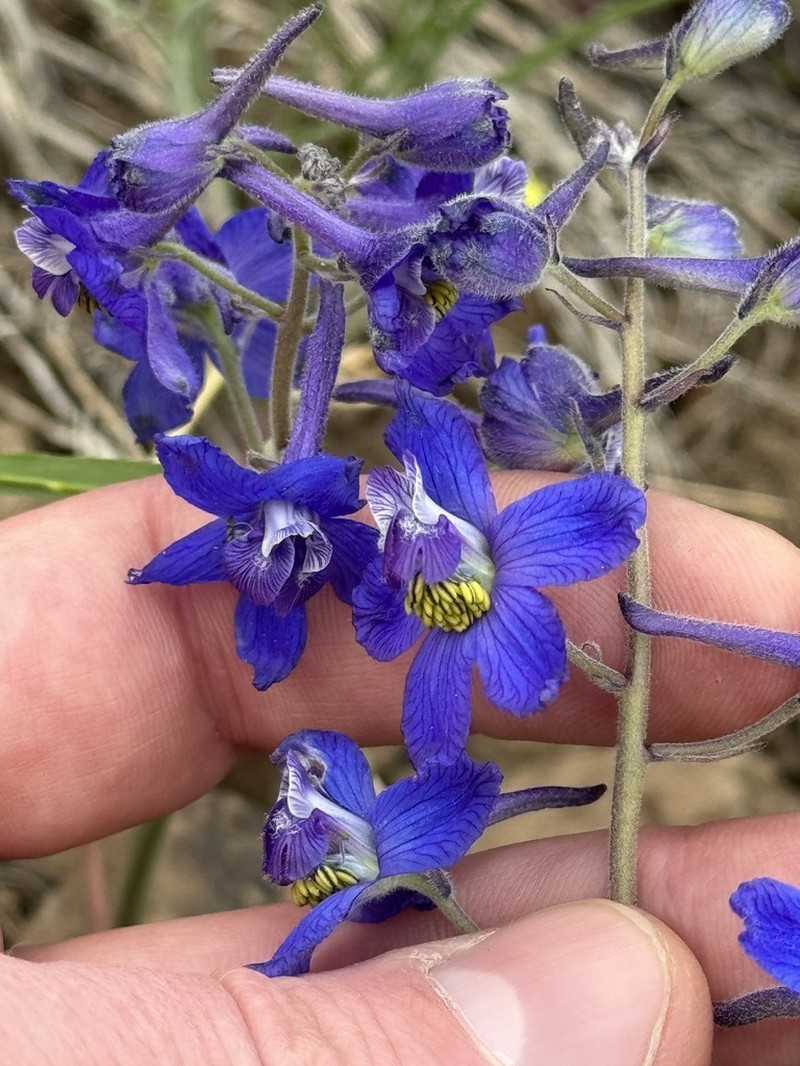
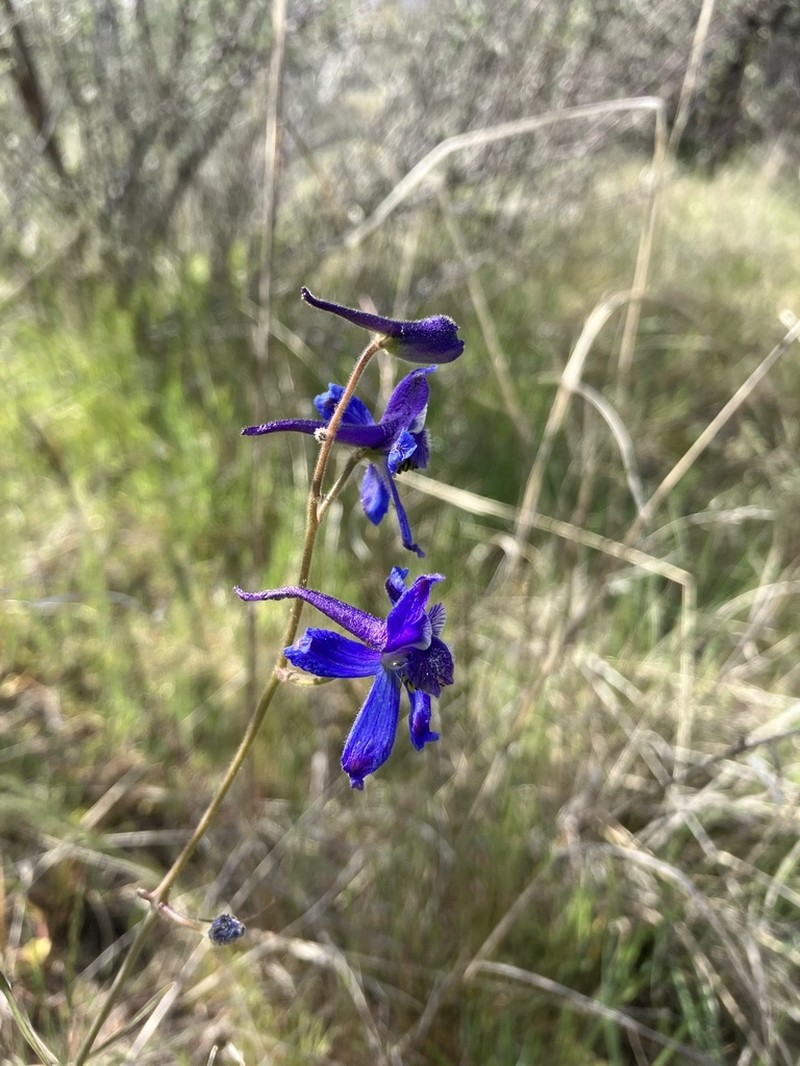
iNaturalist: © codiferous (iNaturalist #280474337)
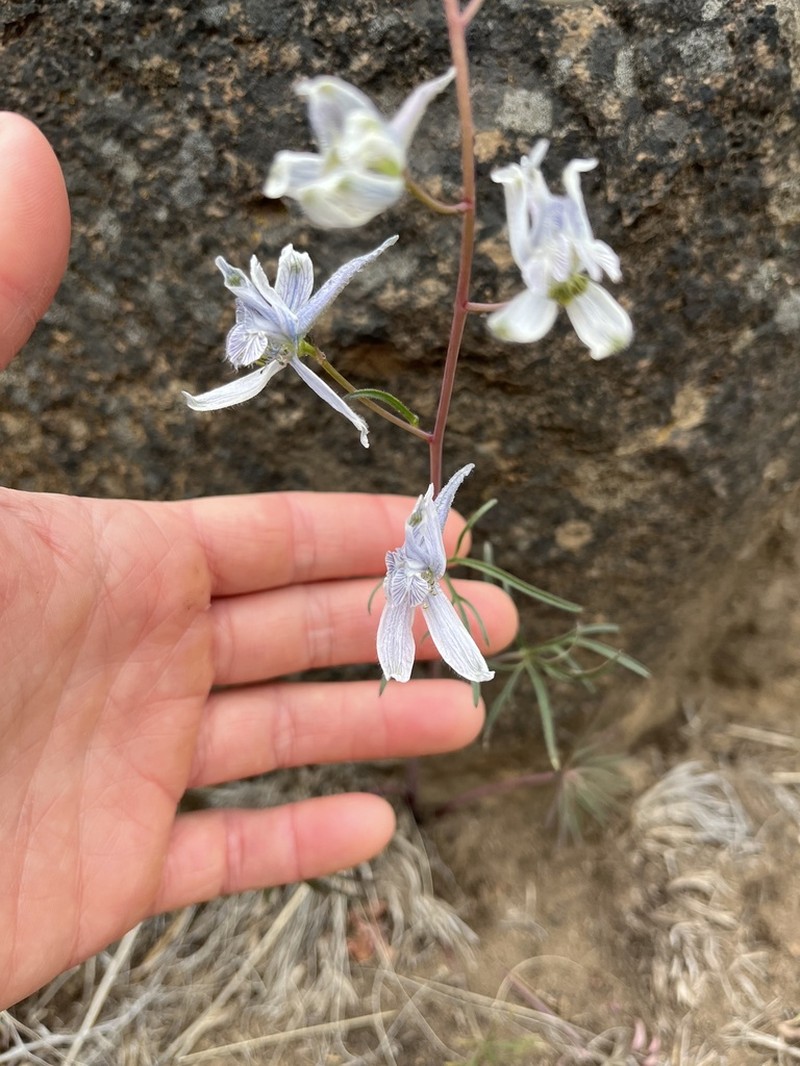
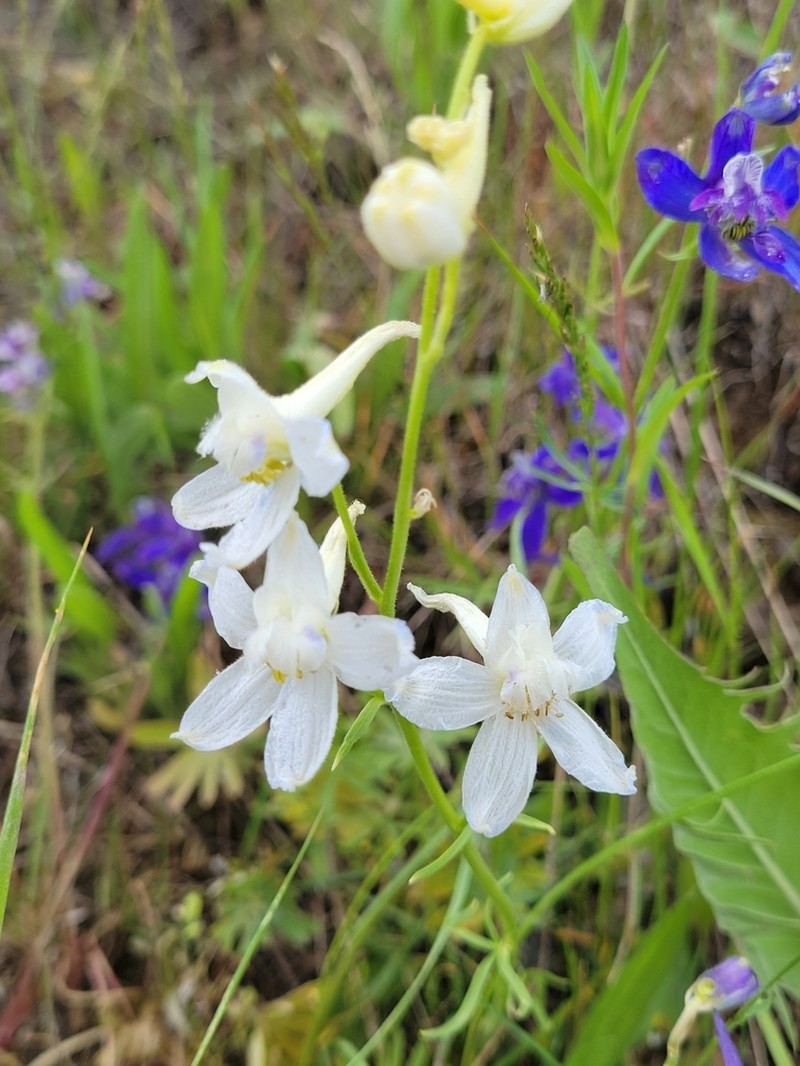
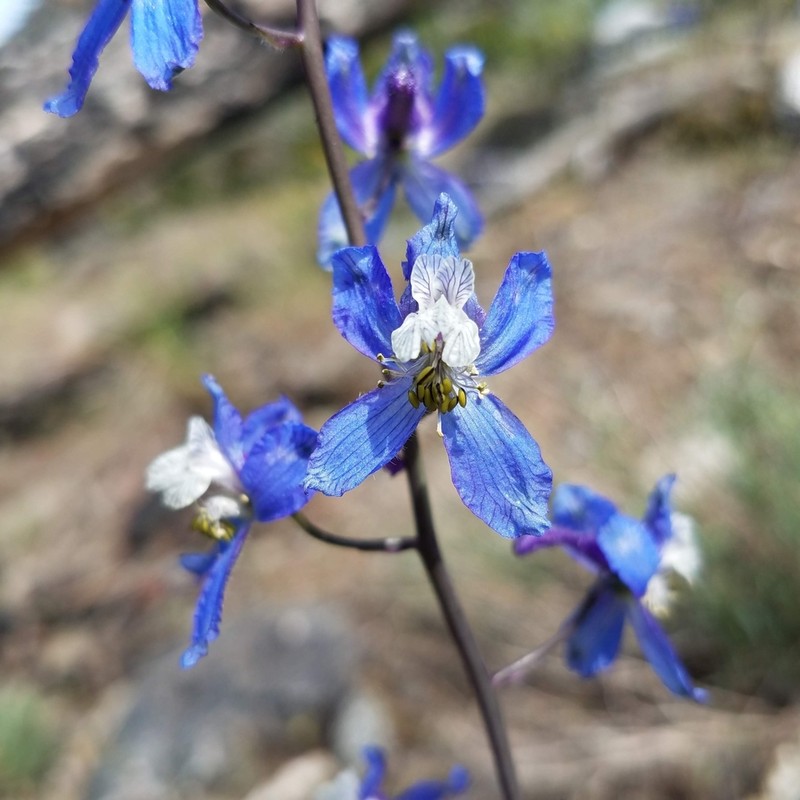
Taxonomy
- Division:
- Magnoliophyta | - Flowering plants
- Family:
- Ranunculaceae
- Genus:
- Delphinium
- Species:
- Delphinium nuttallianum
- USDA Symbol:
- DENU2
Growth Characteristics
- Life Cycle:
- Perennial
- Growth Habit:
- Geophyte
- Height:
- 60 cm
- Light Requirements:
- Full Sun
- Drought Tolerance:
- Medium
- Bloom Months:
- apr,may,jun,jul
- Bloom Colors:
- blue, purple
Wildlife Benefits
- Bees:
- ★☆☆☆☆ Documented bee visitation (GBIF)
- Butterflies & Moths:
- ★☆☆☆☆ Documented Lepidoptera association (GBIF)
Reported Fauna Sightings
Garden & Ecology Notes
- Wildlife Value:
- bees, butterflies
- Deer Resistant:
- Yes
Soil Requirements
- Soil Type:
- well-drained, rocky or sandy soil
- pH:
- 6.0 - 7.5 (slightly acidic to neutral)
- Drainage:
- excellent drainage required
- Moisture:
- dry to moderate
- Notes:
- native to open, mountainous regions
Propagation & Germination
- Stratification:
- Cold/moist stratification required — 30–60 days
- Germination Time:
- 14–30 days
- Notes:
- Seeds require cold stratification for 4-8 weeks to break dormancy; sow in fall or after cold treatment.
Pre-treatment: Extended cold, moist stratification is needed. Seed sown in late December and left outside did not germinate the first season, but germinated well after a second winter. Seed sown outdoors in November will germinate the following spring.
Establishment: Seedlings which germinated outside died when placed in the greenhouse. The fruit is a follicle and seed is black in color when mature. Seed is collected when the follicles begin to split in June. Collected material is stored in paper bags or envelopes at room temperature until cleaned.
Source: npn.rngr.net
ORGHPS Germination Guide: Seeds should germinate at room temperature, without darkness; see http://www.delphinium.co.nz/Germination.htm