
Lenten-Rose
Helleborus orientalis
- Native to:
- Greece, North Caucasus, Transcaucasus, Türkiye, Türkiye-in-Europe
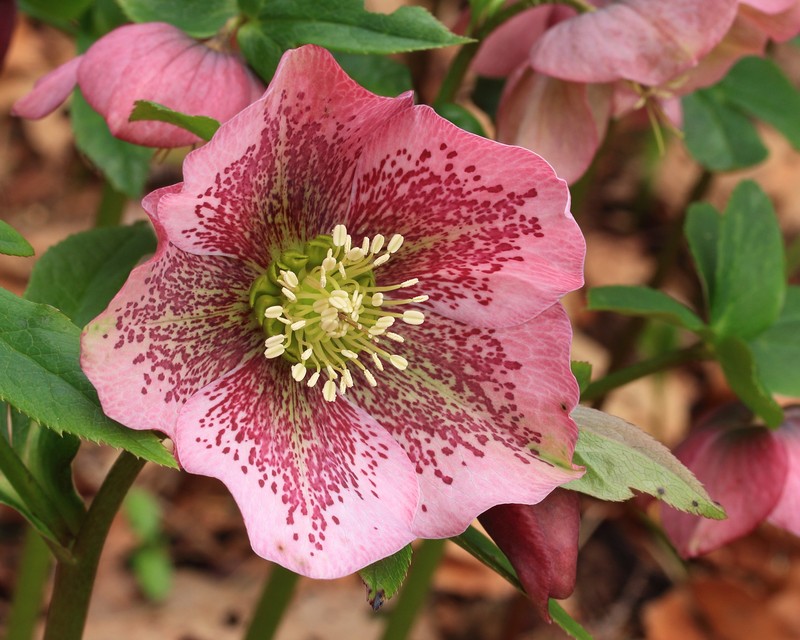
Dominicus Johannes Bergsma
Taxonomy
- Division:
- Magnoliophyta | - Flowering plants
- Family:
- Ranunculaceae
- Genus:
- Helleborus
- Species:
- Helleborus orientalis
- USDA Symbol:
- HEOR3
Growth Characteristics
- Life Cycle:
- Perennial
- Growth Habit:
- Forb/herb
- Height:
- 45 cm
- Light Requirements:
- Part Shade
- Drought Tolerance:
- Medium
- Bloom Months:
- jan,feb,mar,apr
- Bloom Colors:
- white, pink, purple, green
Wildlife Benefits
- Bees:
- ★☆☆☆☆ Documented bee visitation (GBIF)
Reported Fauna Sightings
Bees: ⚠️Western honey bee (Apis mellifera)
Garden & Ecology Notes
- Wildlife Value:
- bees
- Deer Resistant:
- Yes
Soil Requirements
- Soil Type:
- rich, well-drained loamy soil
- pH:
- 6.0 - 7.0 (slightly acidic to neutral)
- Drainage:
- excellent drainage required
- Moisture:
- consistently moist
- Notes:
- prefers humus-rich soil in shaded areas
Propagation & Germination
- Stratification:
- Cold/moist then warm stratification (double dormancy) — 60–90 days
- Germination Time:
- 30–90 days
- Notes:
- Seeds benefit from warm stratification followed by cold stratification; germination can be erratic.
ORGHPS Germination Guide: Sow immediately, Either the viability of these seeds is short or the species propagates best with fresh seed. Stored seed might be coaxed into germination with temperature cycling and patience. Use repeated cycles of 20°C, then 4°C for 3 months each. Germination is very prolonged. Requires soaking. Place in warm water until seeds swell, usually 24-48 hours. Discard water and any seeds that remain floating. * dry storage impairs germination
Where to Buy
Nationwide Seller
- Sheffield's Seed (seeds)