
White Pasqueflower
Pulsatilla occidentalis
- Native to:
- Canada, United States
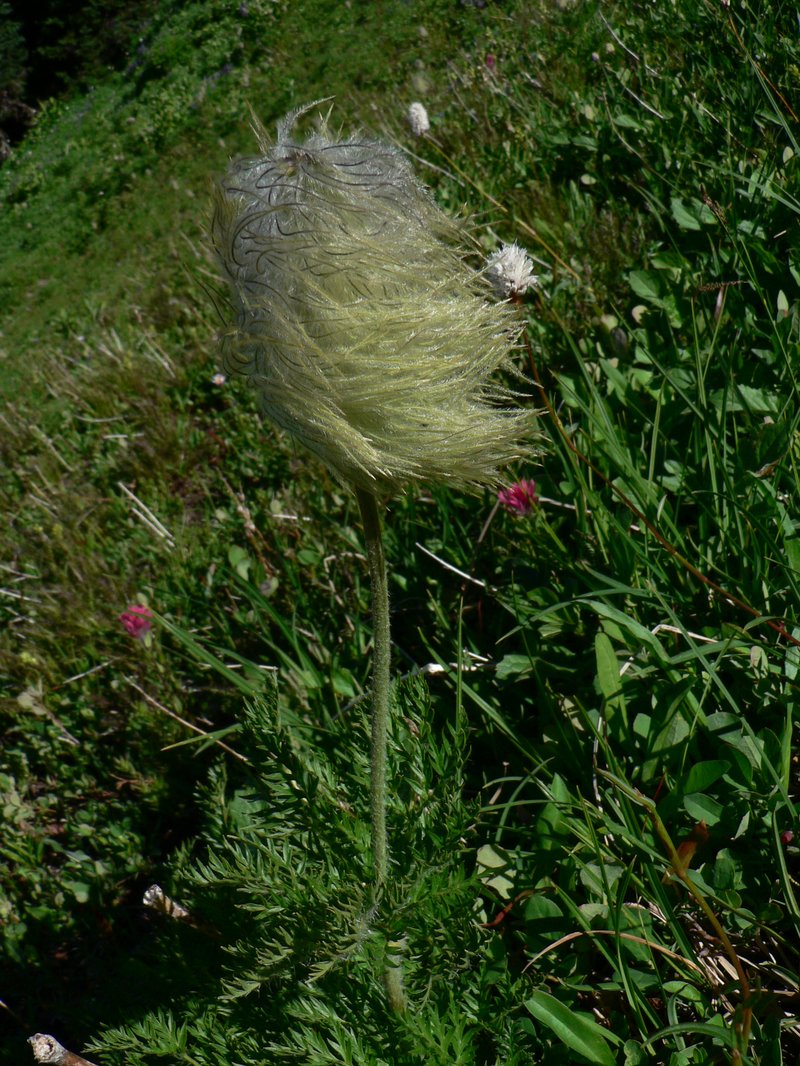
Walter Siegmund (en.wikipedia.org)
Taxonomy
- Division:
- Magnoliophyta | - Flowering plants
- Family:
- Ranunculaceae
- Genus:
- Pulsatilla
- Species:
- Pulsatilla occidentalis
- USDA Symbol:
- PUOC
Growth Characteristics
- Life Cycle:
- Perennial
- Growth Habit:
- Forb/herb
- Height:
- 60 cm
- Light Requirements:
- Full Sun
- Drought Tolerance:
- Medium
- Bloom Months:
- may,jun,jul
- Bloom Colors:
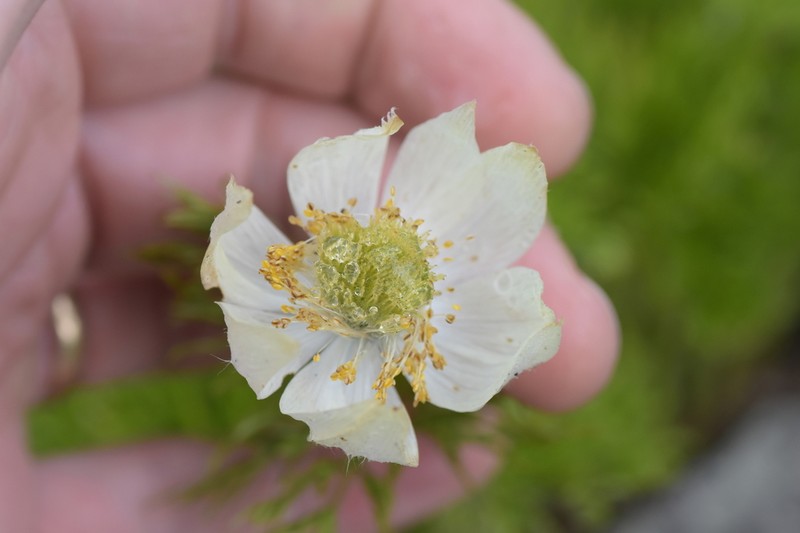
- white, yellow
Wildlife Benefits
- Bees:
- ★☆☆☆☆ Documented bee visitation (GBIF)
- Butterflies & Moths:
- ★☆☆☆☆ Documented Lepidoptera association (GBIF)
Garden & Ecology Notes
- Wildlife Value:
- bees, butterflies
- Deer Resistant:
- Yes
Soil Requirements
- Soil Type:
- well-drained, sandy or rocky soil
- pH:
- 5.5 - 7.0 (slightly acidic to neutral)
- Drainage:
- excellent drainage required
- Moisture:
- dry to moderate
- Notes:
- prefers open, sunny locations
Propagation & Germination
- Stratification:
- Cold/moist stratification required — 60–90 days
- Germination Time:
- 30–60 days
- Notes:
- Seeds require cold stratification for 60-90 days to break dormancy.
Pre-treatment: 2 year old seed is used, dry stored for 6 months prior to 5 month outdoor stratification.
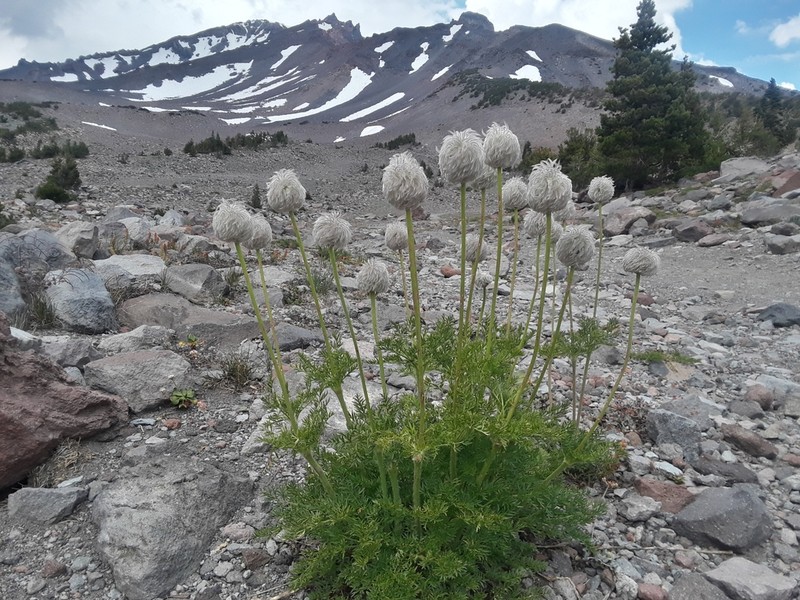
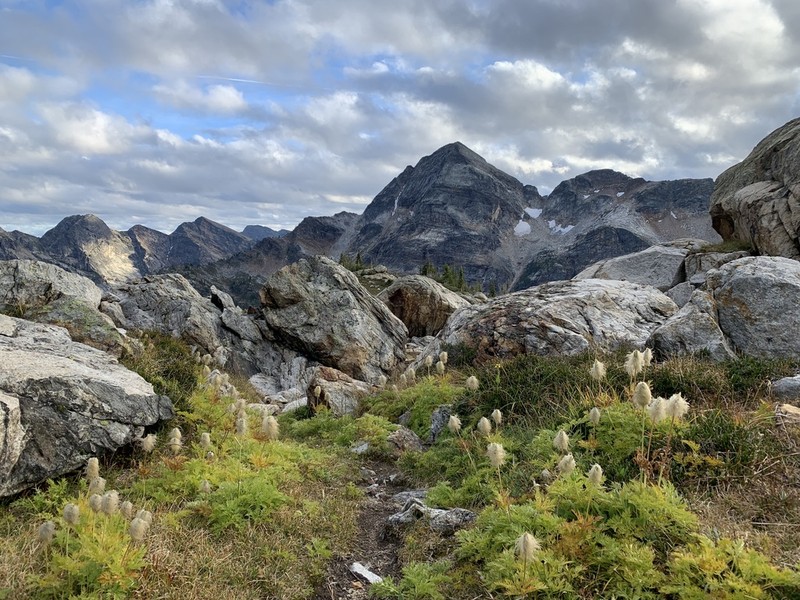
Establishment: Seeds are collected in mid to late August. The plant occurs in mid montane to alpine meadows; from B.C. to California, east to Alberta, Montana, Idaho and northeastern Oregon.
Source: npn.rngr.net
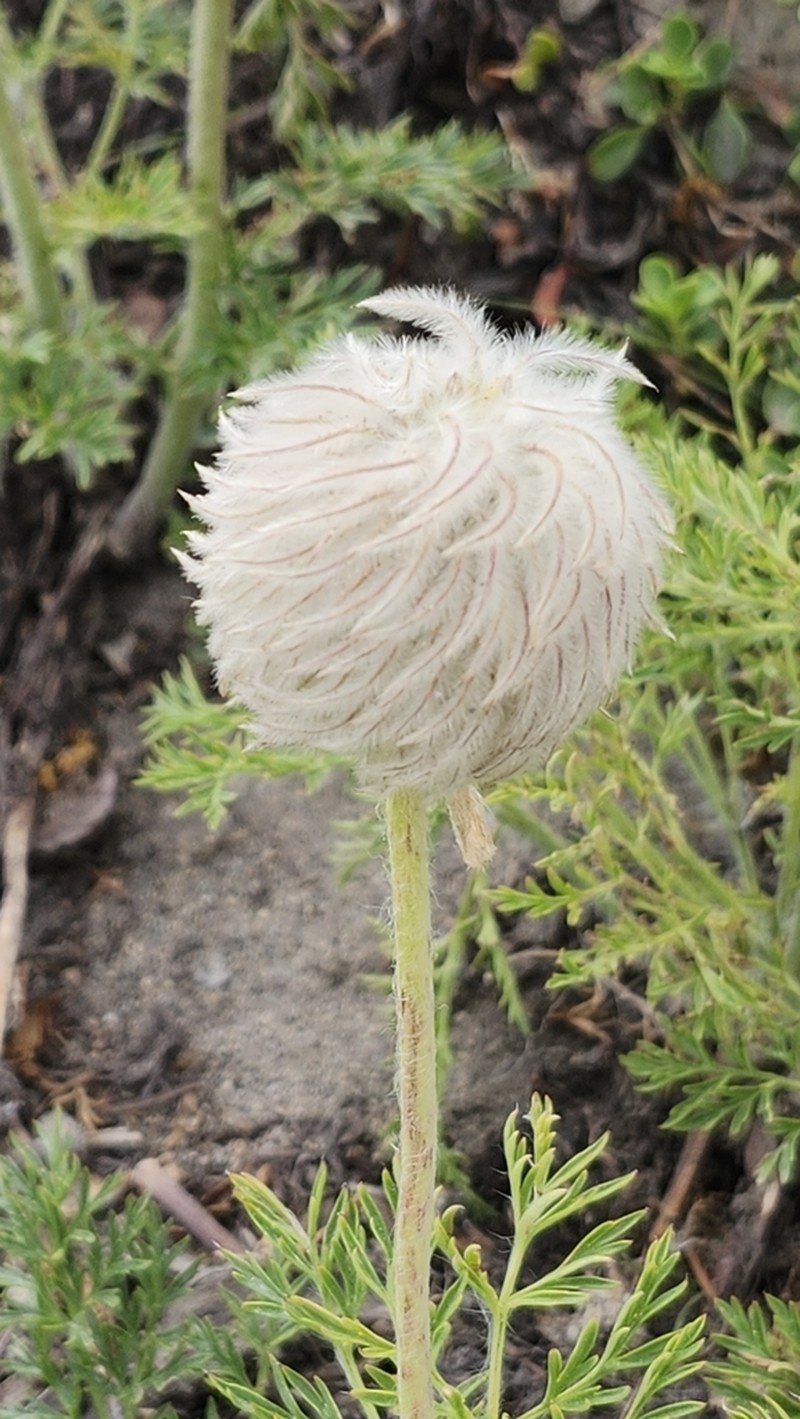
ORGHPS Germination Guide: Expose to fluctuating outdoor winter temps incl. freezing for 3 months. Increase light/temp in spring. Tails on pulsatilla/clematis: leaving on has no effect.