
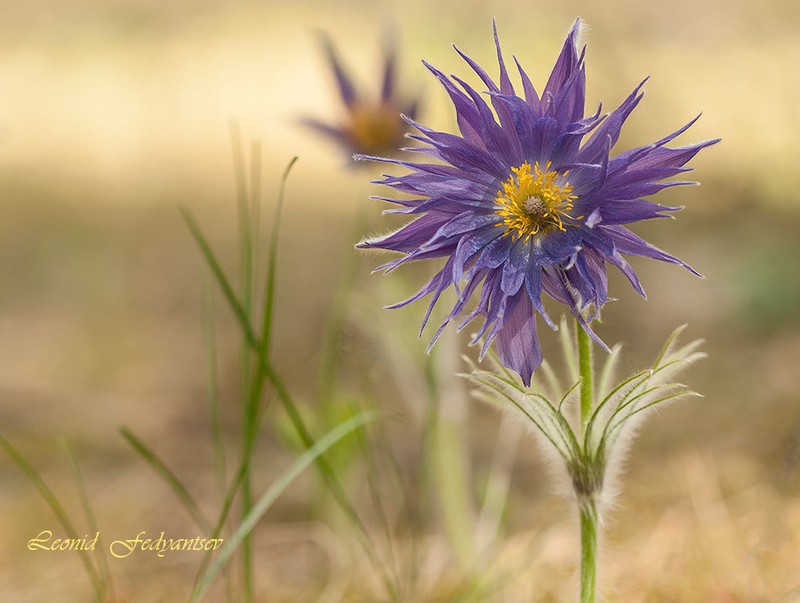
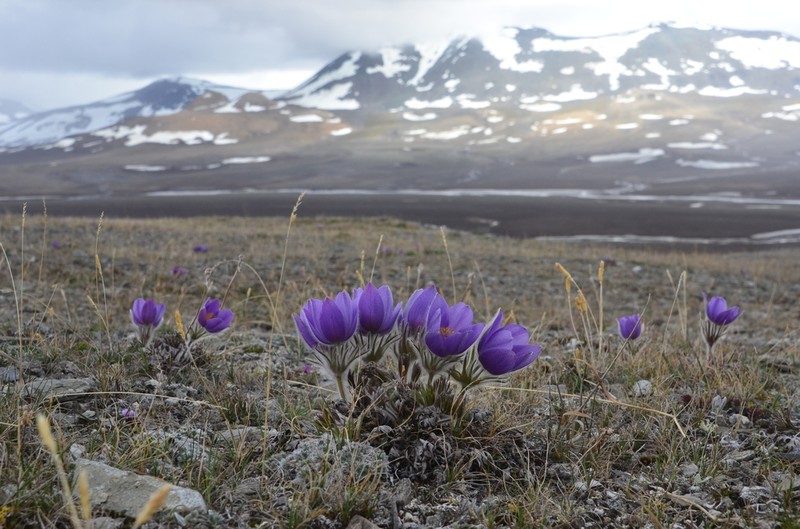
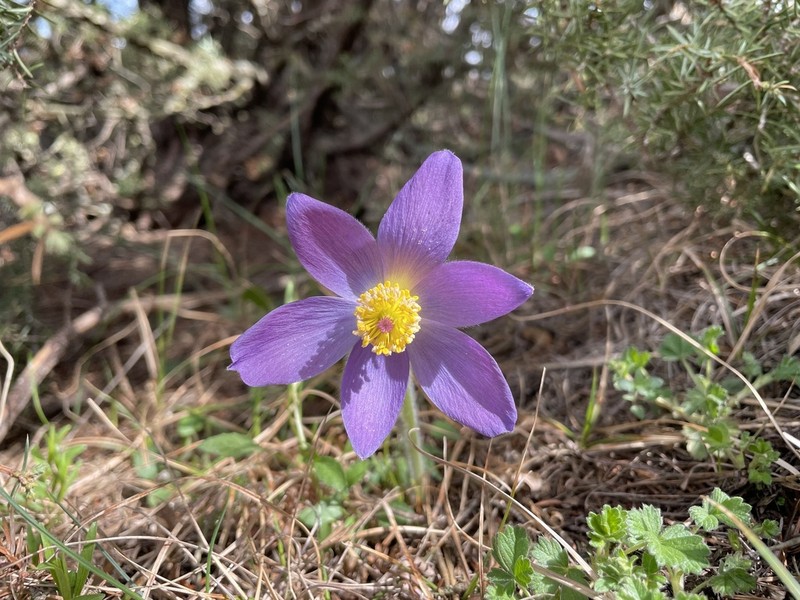
eastern pasqueflower
Pulsatilla patens
Also known as: eastern pasqueflower
- Native to:
- Baltic States, Belarus, Canada, China, Czechia-Slovakia, Finland, Germany, Hungary, Kazakhstan, Poland, Romania, Russia, Sweden, Ukraine, United States
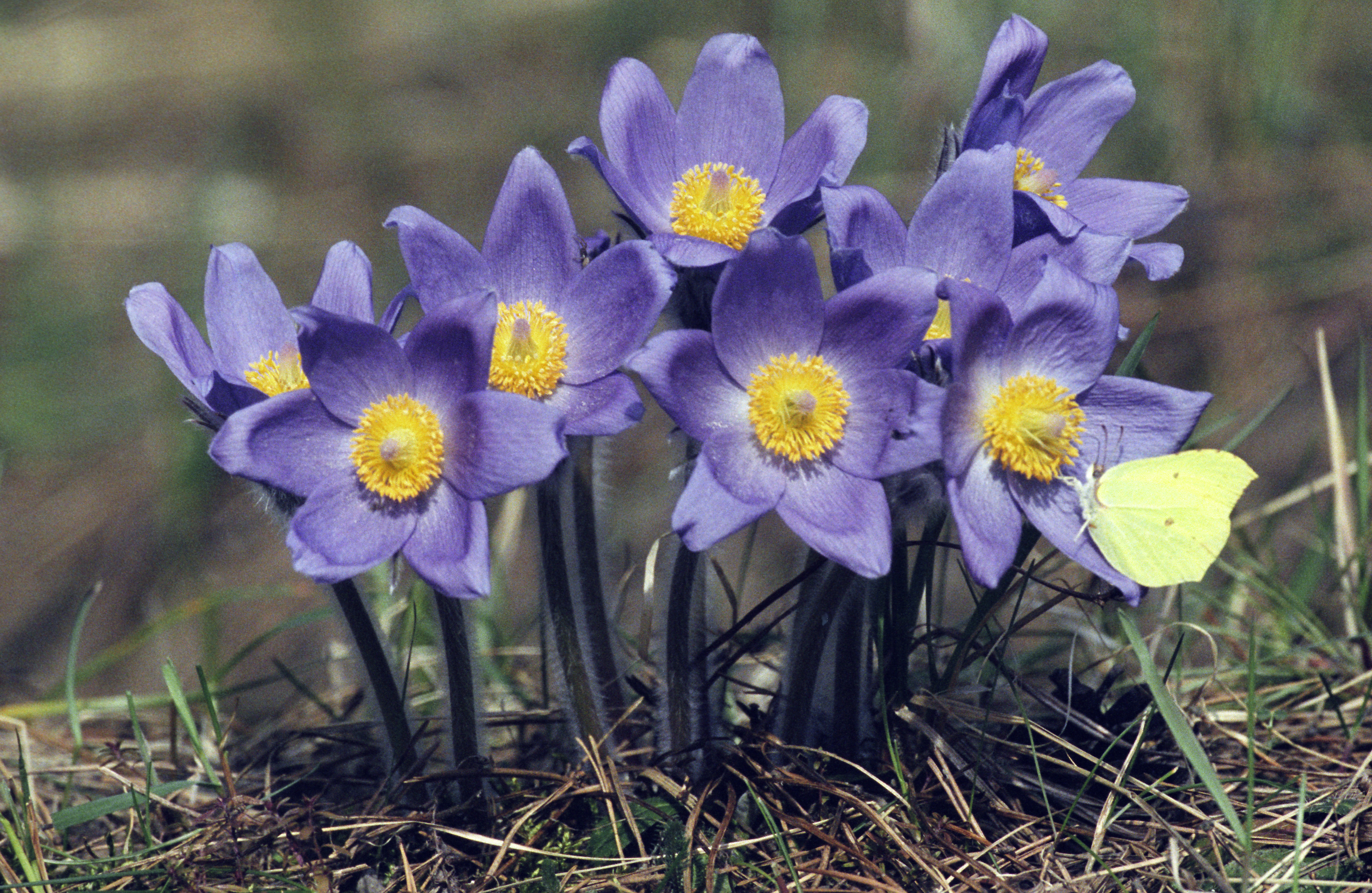
Jerzy Strzelecki
Taxonomy
- Division:
- Magnoliophyta | - Flowering plants
- Family:
- Ranunculaceae
- Genus:
- Pulsatilla
- Species:
- Pulsatilla patens
- USDA Symbol:
- PUPA5
Growth Characteristics
- Life Cycle:
- Perennial
- Growth Habit:
- Forb/herb
- Height:
- 30 cm
- Light Requirements:
- Full Sun
- Drought Tolerance:
- Medium
- Bloom Months:
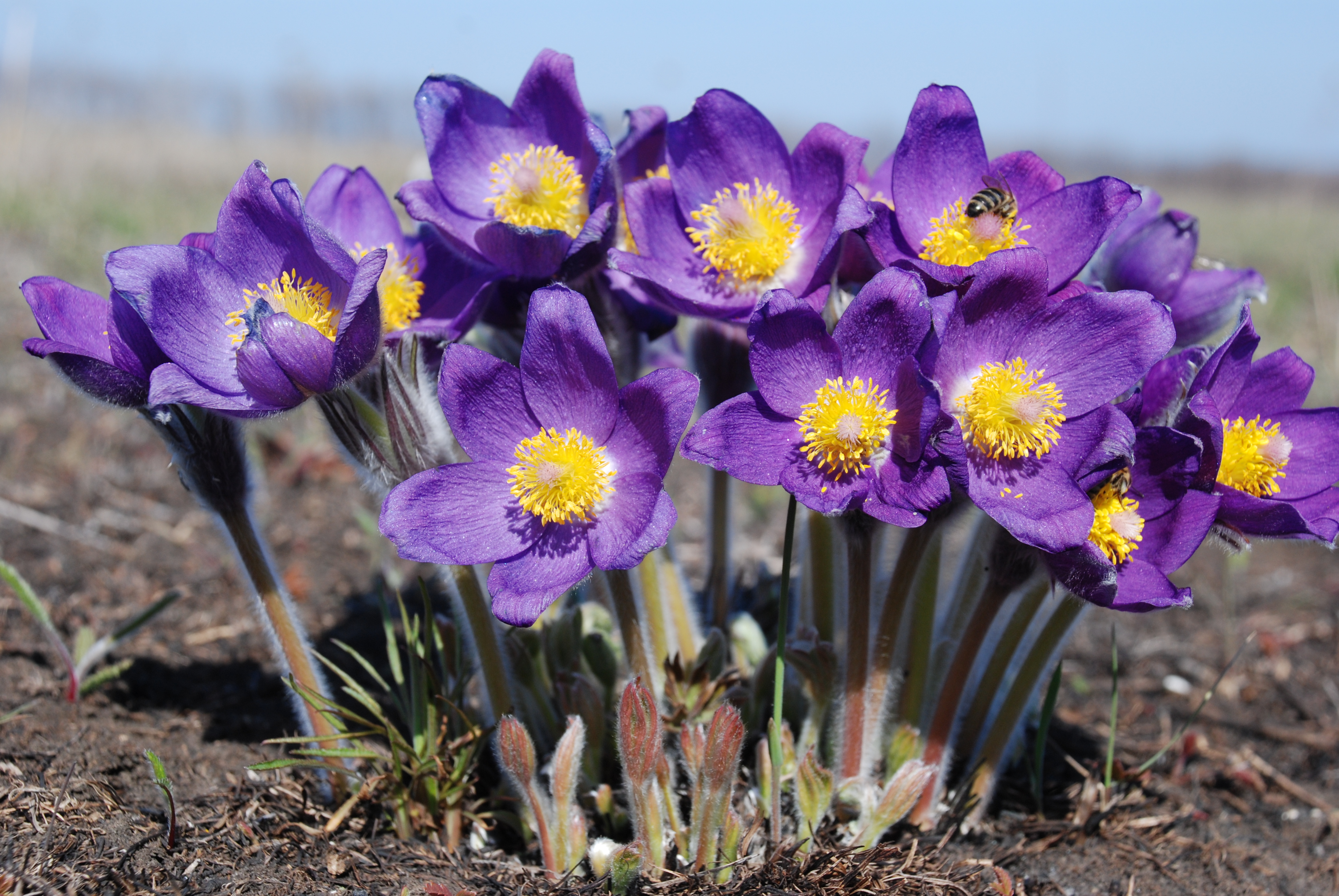
- mar,apr,may
- Bloom Colors:
- blue, purple
Wildlife Benefits
- Bees:
- ★☆☆☆☆ Documented bee visitation (GBIF)
- Butterflies & Moths:
- ★☆☆☆☆ Documented Lepidoptera association (GBIF)
- Caterpillars:
- ★☆☆☆☆ Recorded caterpillar host plant (HOSTS Database)
Host Plant for Caterpillars
Argyrotaenia coloradana, Epinotia pulsatillana, one-lined sparganothis moth (Sparganothis unifasciana)
Garden & Ecology Notes
- Wildlife Value:
- bees, butterflies
- Deer Resistant:
- Yes
Soil Requirements
- Soil Type:
- sandy, well-drained, nutrient-poor soil
- pH:
- 5.5 - 7.5 (slightly acidic to neutral)
- Drainage:
- excellent drainage required
- Moisture:
- dry to moderate
- Notes:
- Prefers open, sunny locations with minimal competition
Propagation & Germination
- Stratification:
- Cold/moist stratification required — 60–90 days
- Germination Time:
- 21–60 days
- Notes:
- Seeds require cold stratification for 60-90 days; sow in fall or after cold treatment.
Pre-treatment: Seeds are placed in cold moist stratification for 60 days
Source: npn.rngr.net
ORGHPS Germination Guide: Sow @ 20C. Germinates within 3 months. Tails on pulsatilla/clematis: leaving on has no effect.
Where to Buy
Nationwide Seller
- Sheffield's Seed (seeds)
- Prairie Moon Nursery (nursery and seeds)
- Pizzo Native Plant Nursery (wholesale nursery)