
Greater Creeping Spearwort
Ranunculus flammula
- Native to:
- Albania, Algeria, Austria, Azores, Baltic States, Belarus, Belgium, Bulgaria, Canada, Corse, Czechia-Slovakia, Denmark, Finland, Føroyar, France, Germany, Great Britain, Greece, Hungary, Ireland, Italy, Kazakhstan, Labrador, Madeira, Morocco, Netherlands, Norway, NW. Balkan Pen., Poland, Portugal, Prince Edward I., Romania, Russia, Sardegna, Sicilia, Spain, Sweden, Switzerland, Transcaucasus, Türkiye, Ukraine, United States
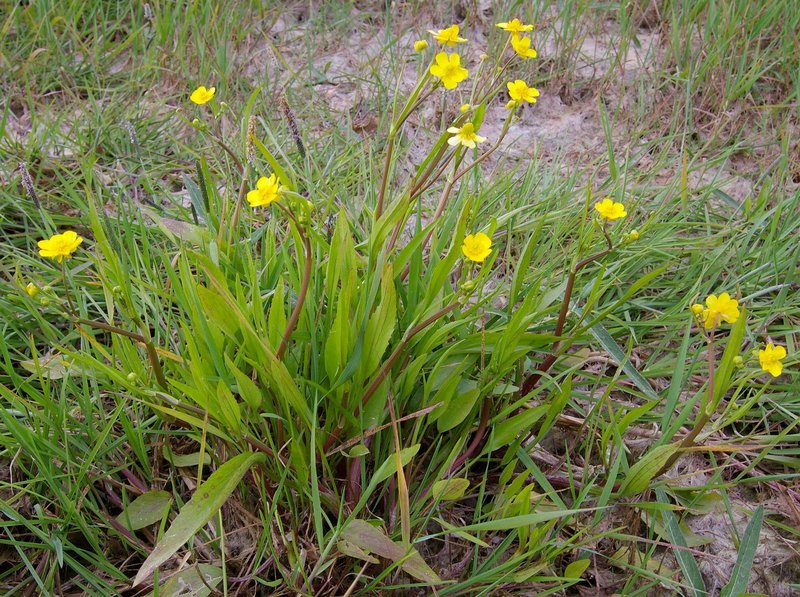
Christian Fischer
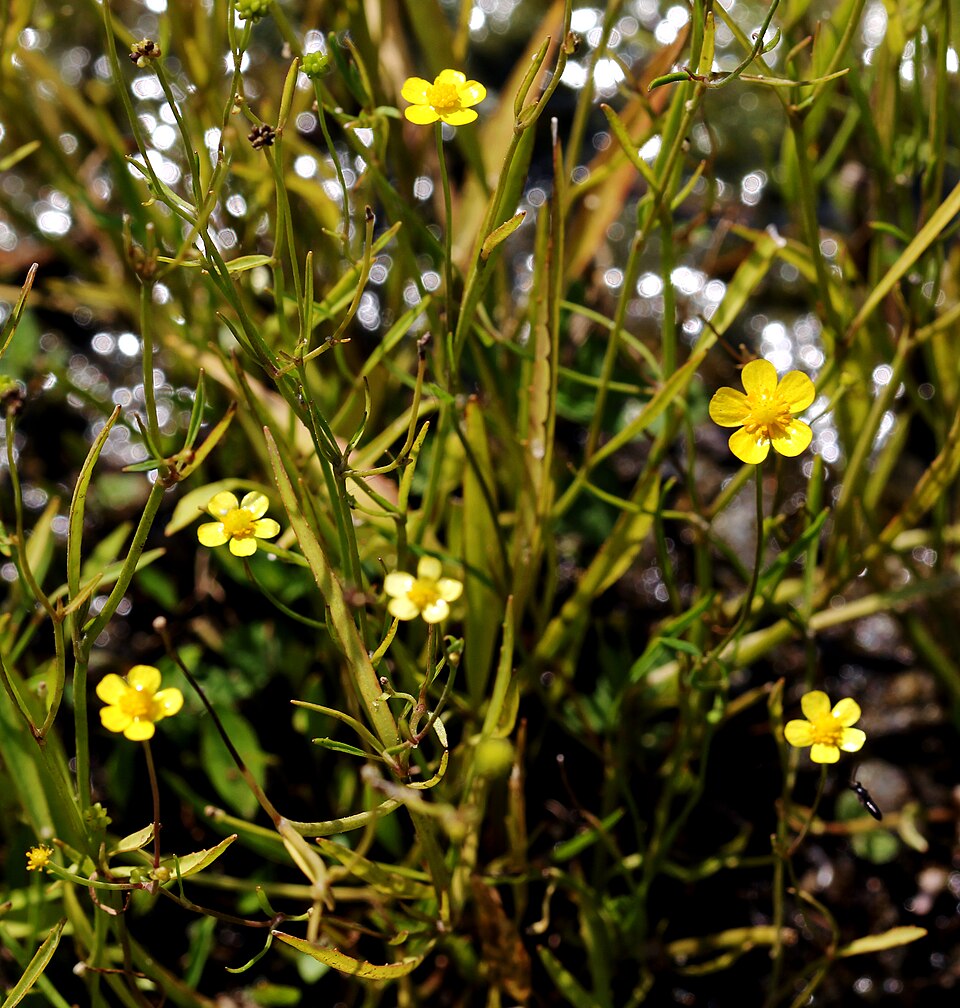
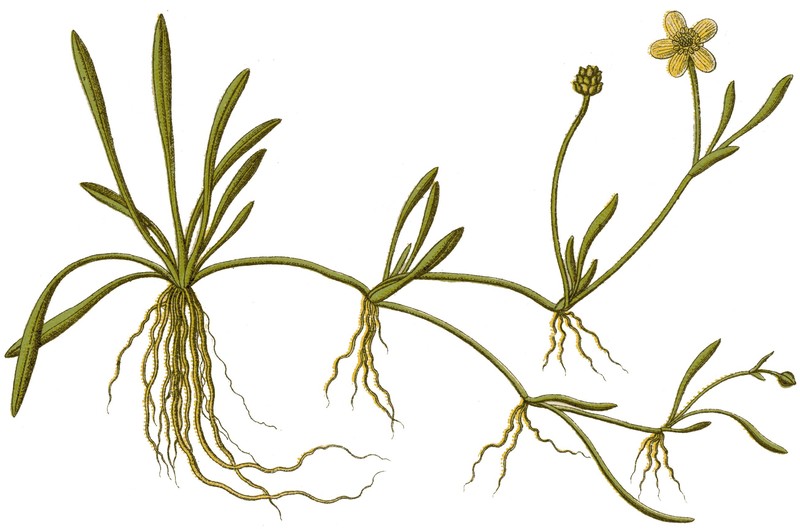
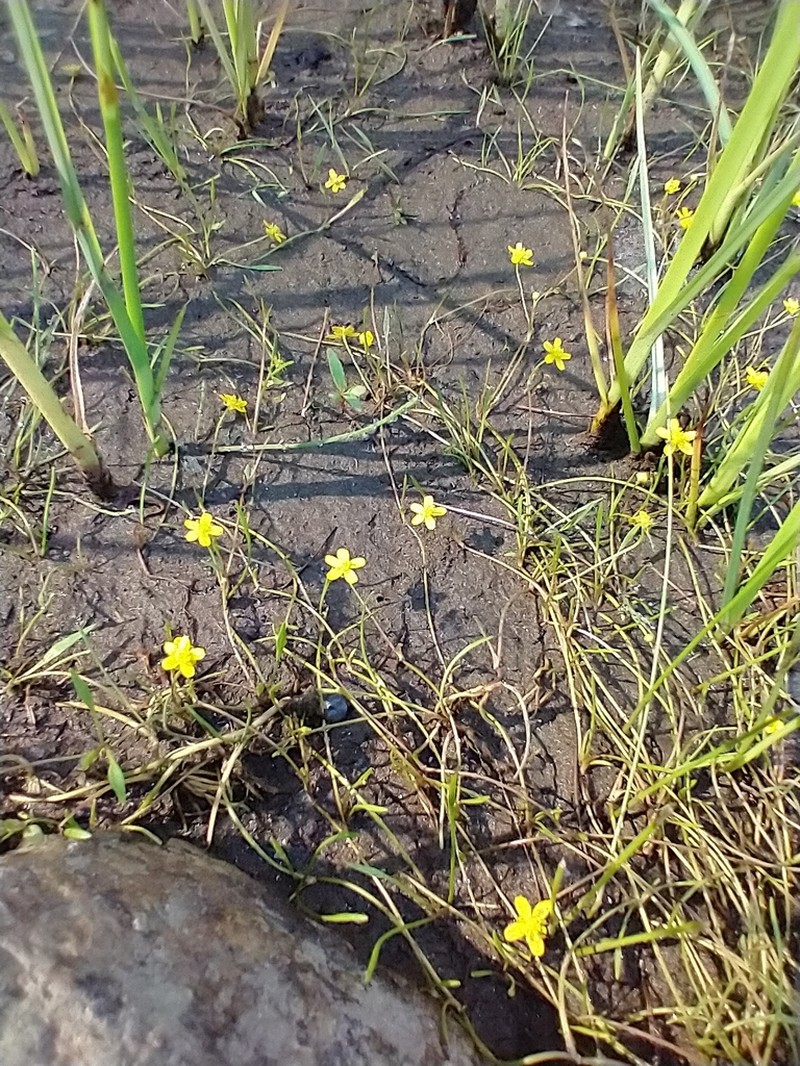
Taxonomy
- Division:
- Magnoliophyta | - Flowering plants
- Family:
- Ranunculaceae
- Genus:
- Ranunculus
- Species:
- Ranunculus flammula
- USDA Symbol:
- RAFL2
Growth Characteristics
- Life Cycle:
- Perennial
- Growth Habit:
- Geophyte
- Height:
- 60 cm
- Light Requirements:
- Part Shade
- Drought Tolerance:
- Low
- Bloom Months:
- may,jun,jul,aug,sep
- Bloom Colors:
- yellow
Wildlife Benefits
- Bees:
- ★☆☆☆☆ Documented bee visitation (GBIF)
- Butterflies & Moths:
- ★☆☆☆☆ Documented Lepidoptera association (GBIF)
Keystone Species Ranking
- Pollen Specialist Bee Keystone:
- ★☆☆☆☆ Native pollen specialist bee species supported by this genus (NWF)
Garden & Ecology Notes
- Wildlife Value:
- bees, flies, beetles
Soil Requirements
- Soil Type:
- moist, nutrient-rich, clay or loam
- pH:
- 5.5 - 7.5 (slightly acidic to neutral)
- Drainage:
- tolerates poor drainage
- Moisture:
- consistently moist
- Notes:
- Commonly found in wetlands and marshes
Propagation & Germination
- Stratification:
- Cold/moist stratification required — 30–60 days
- Germination Time:
- 14–30 days
- Notes:
- Seeds benefit from cold stratification for 4-8 weeks; sow on moist soil surface and keep consistently wet.
Pre-treatment: Cold-moist stratification for 30 days at 1–5°C (34–41°F).
Source: Claude AI