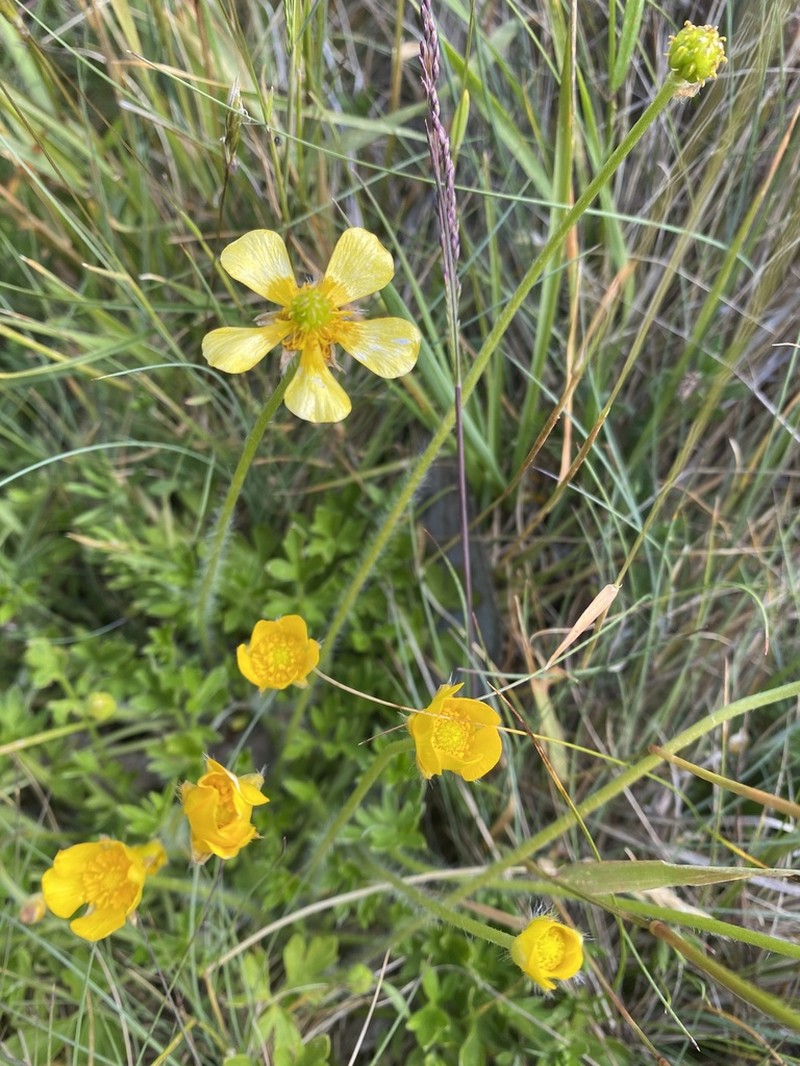
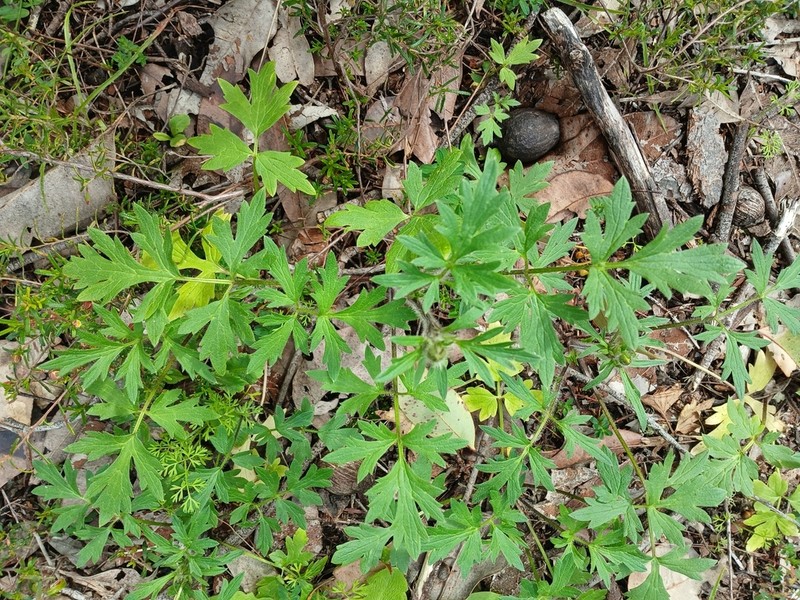
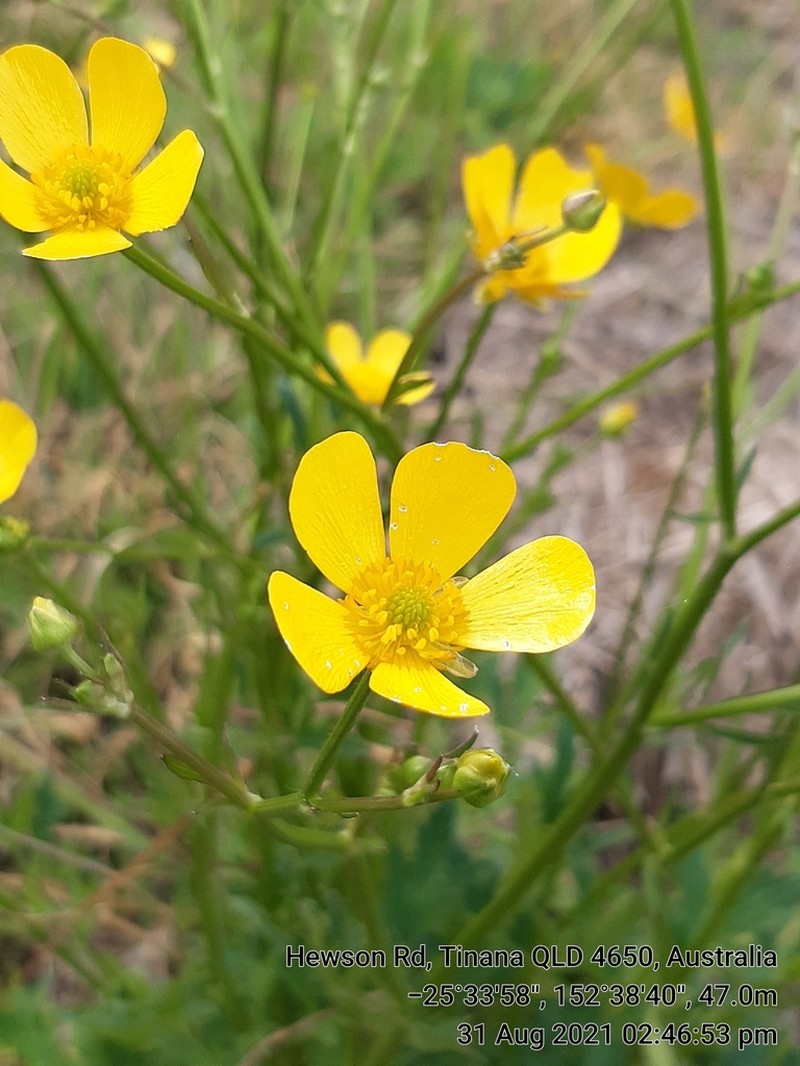
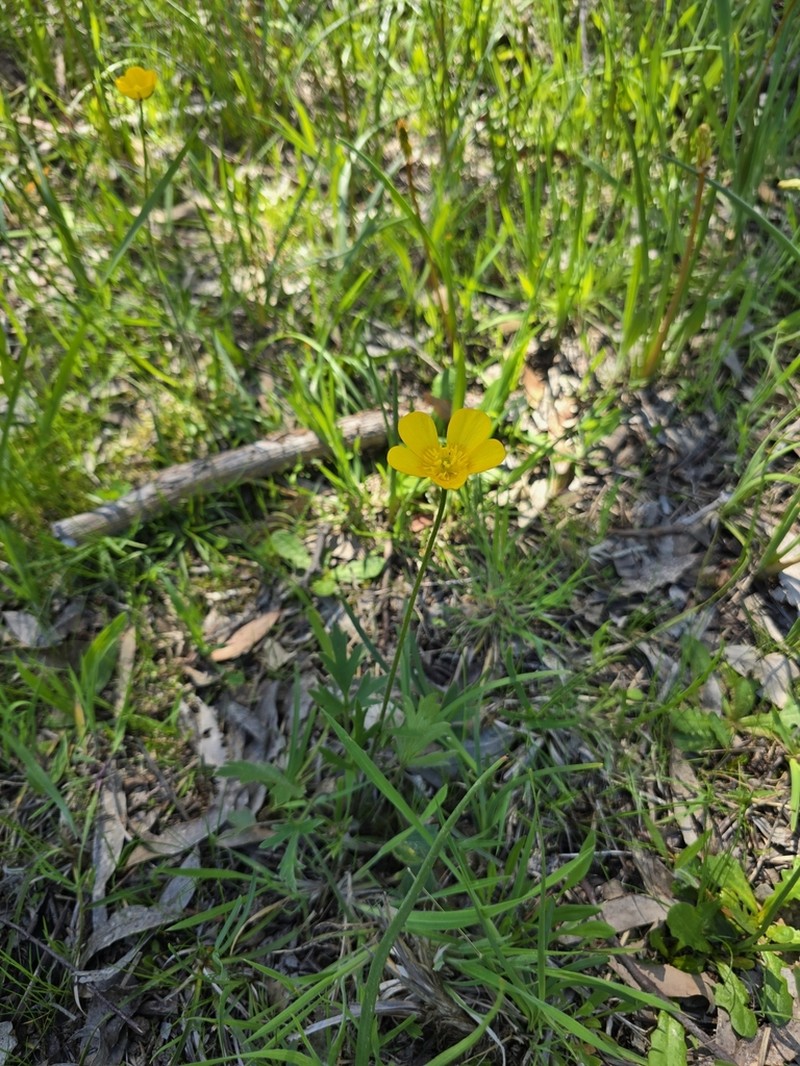
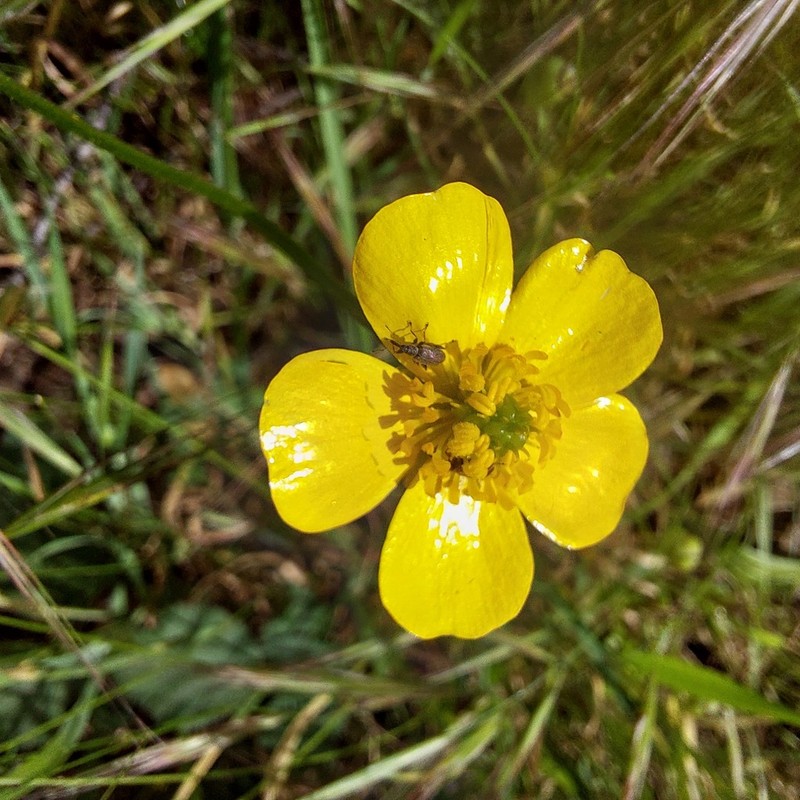
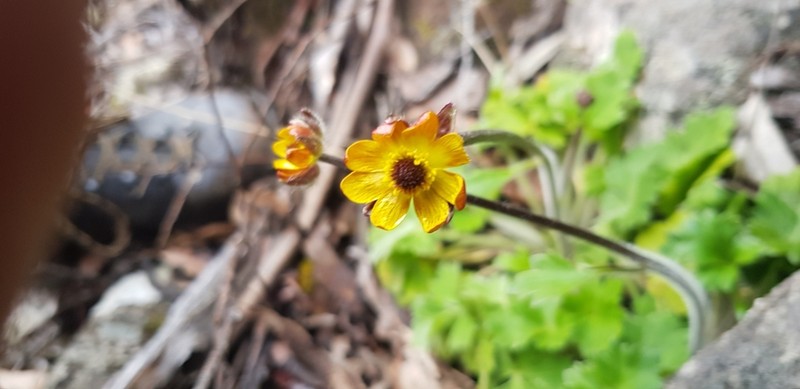
Australian Buttercup
Ranunculus lappaceus
- Native to:
- Australia, New Guinea, New Zealand
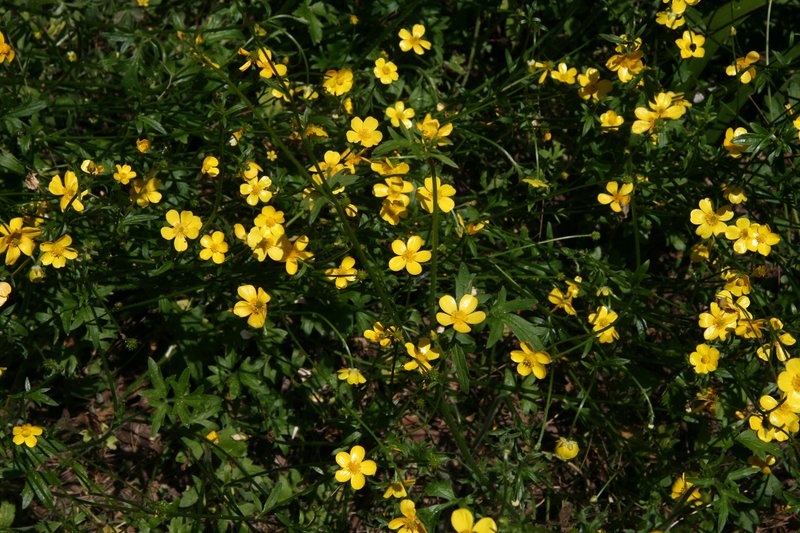
Casliber,Harry Rose (www.flickr.com) from South West Rocks, Australia,Harry Rose (www.flickr.com) from South West Rocks, Australia,Harry Rose (www.flickr.com) from South West Rocks, Australia,Harry Rose (www.flickr.com) from South West Rocks, Australia,Harry Rose (www.flickr.com) from South West Rocks, Australia,Harry Rose (www.flickr.com) from South West Rocks, Australia,Harry Rose (www.flickr.com) from South West Rocks, Australia,Harry Rose (www.flickr.com) from South West Rocks, Australia,Harry Rose (www.flickr.com) from South West Rocks, Australia,Harry Rose (www.flickr.com) from South West Rocks, Australia,Harry Rose (www.flickr.com) from South West Rocks, Australia
Taxonomy
- Division:
- Magnoliophyta | - Flowering plants
- Family:
- Ranunculaceae
- Genus:
- Ranunculus
- Species:
- Ranunculus lappaceus
- USDA Symbol:
- RALA9
Growth Characteristics
- Height:
- 60 cm
- Light Requirements:
- Full Sun
- Drought Tolerance:
- Low
- Bloom Months:
- jan,feb,sep,oct,nov,dec
- Bloom Colors:
- yellow
Keystone Species Ranking
- Pollen Specialist Bee Keystone:
- ★☆☆☆☆ Native pollen specialist bee species supported by this genus (NWF)
Garden & Ecology Notes
- Wildlife Value:
- bees, insects
Soil Requirements
- Soil Type:
- rich, well-drained loamy soil
- pH:
- 5.5 - 7.0 (slightly acidic to neutral)
- Drainage:
- excellent drainage required
- Moisture:
- consistently moist
- Notes:
- native to areas with seasonal wet conditions
Propagation & Germination
- Stratification:
- Cold/moist stratification required — 30–60 days
- Germination Time:
- 14–60 days
- Notes:
- Seeds may have variable dormancy; cool moist conditions aid germination.
The above propagation data sourced from Claude AI