
Pennsylvania Buttercup
Ranunculus pensylvanicus
- Native to:
- Canada, Labrador, Prince Edward I., United States
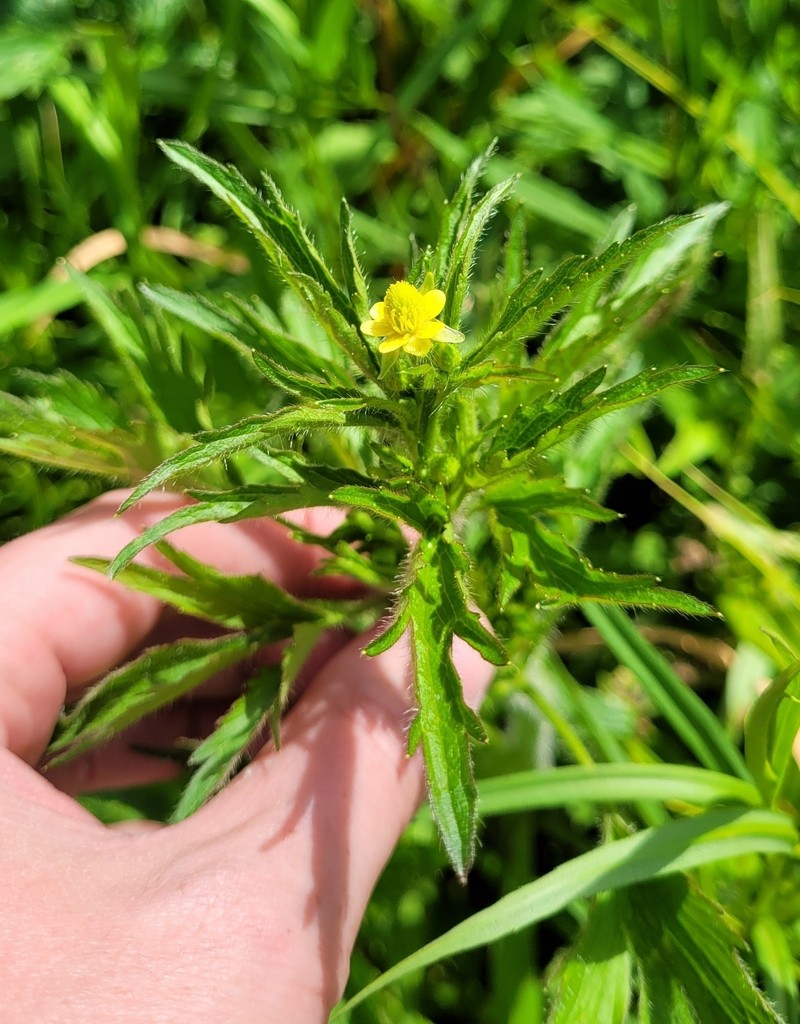
Edward G. Voss. USDA NRCS. 1992. Western wetland flora: Field office guide to plant species. West Region, Sacramento. Courtesy of USDA NRCS Wetland Science Institute.
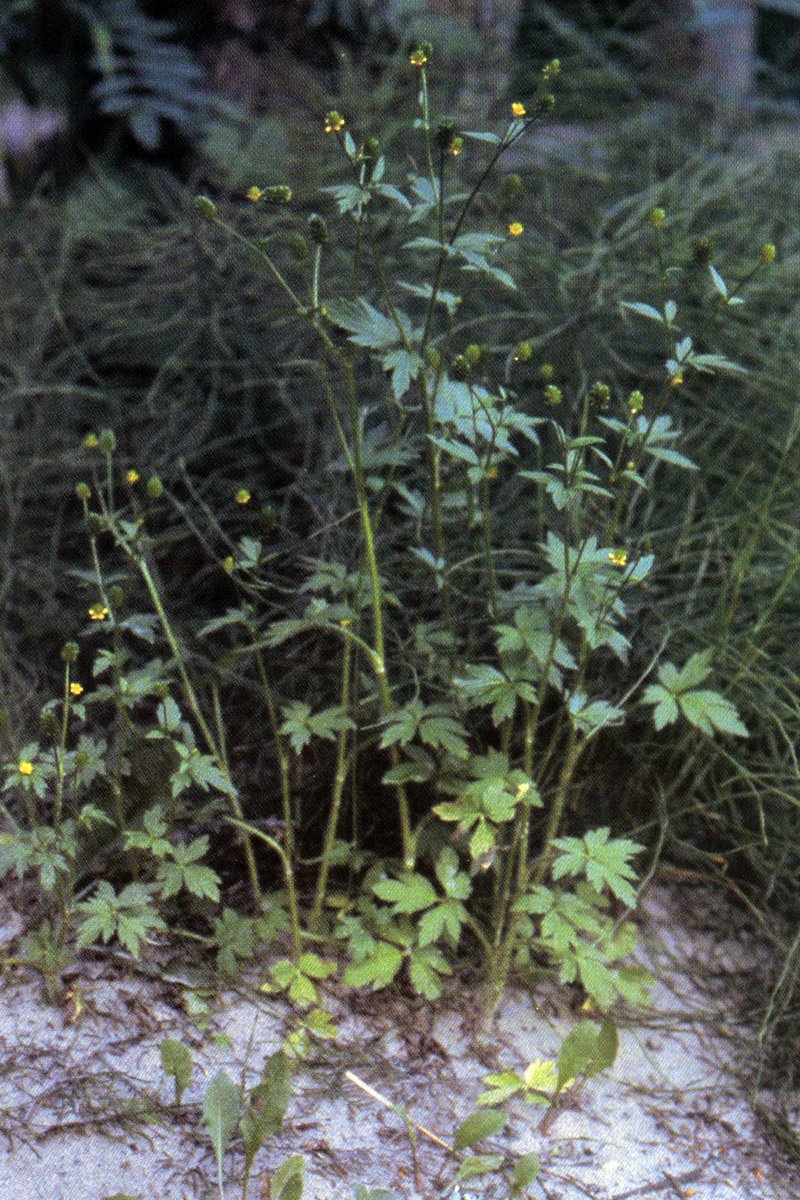
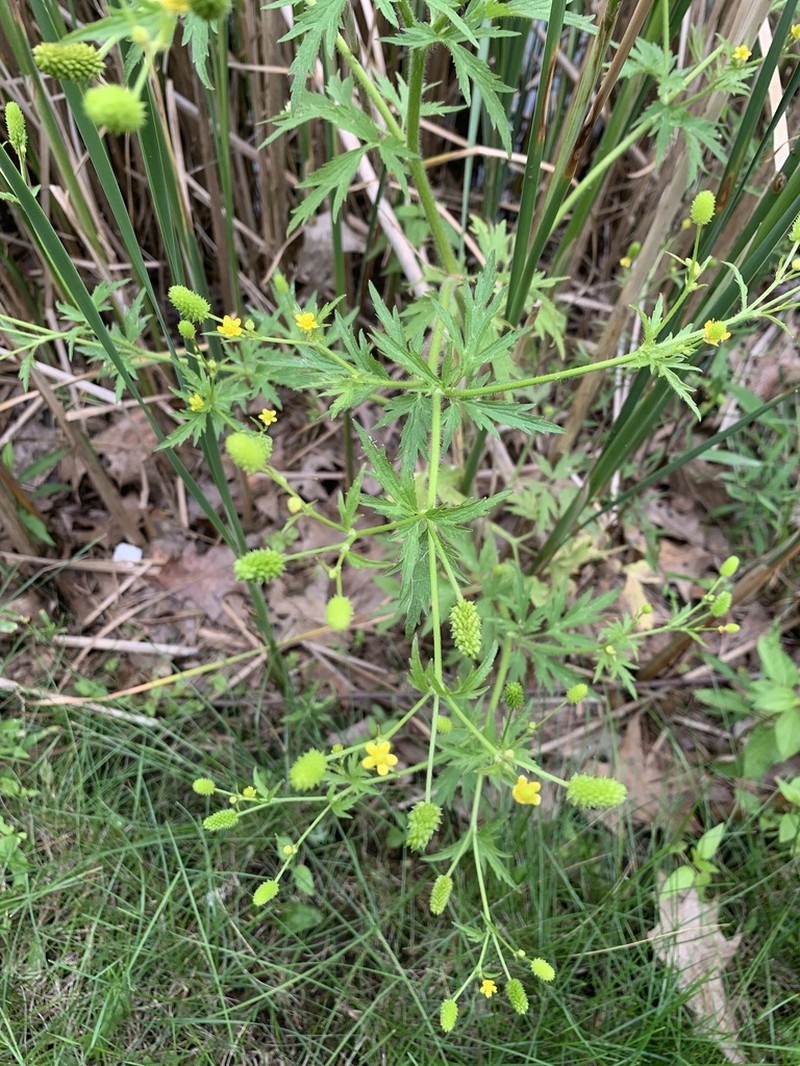
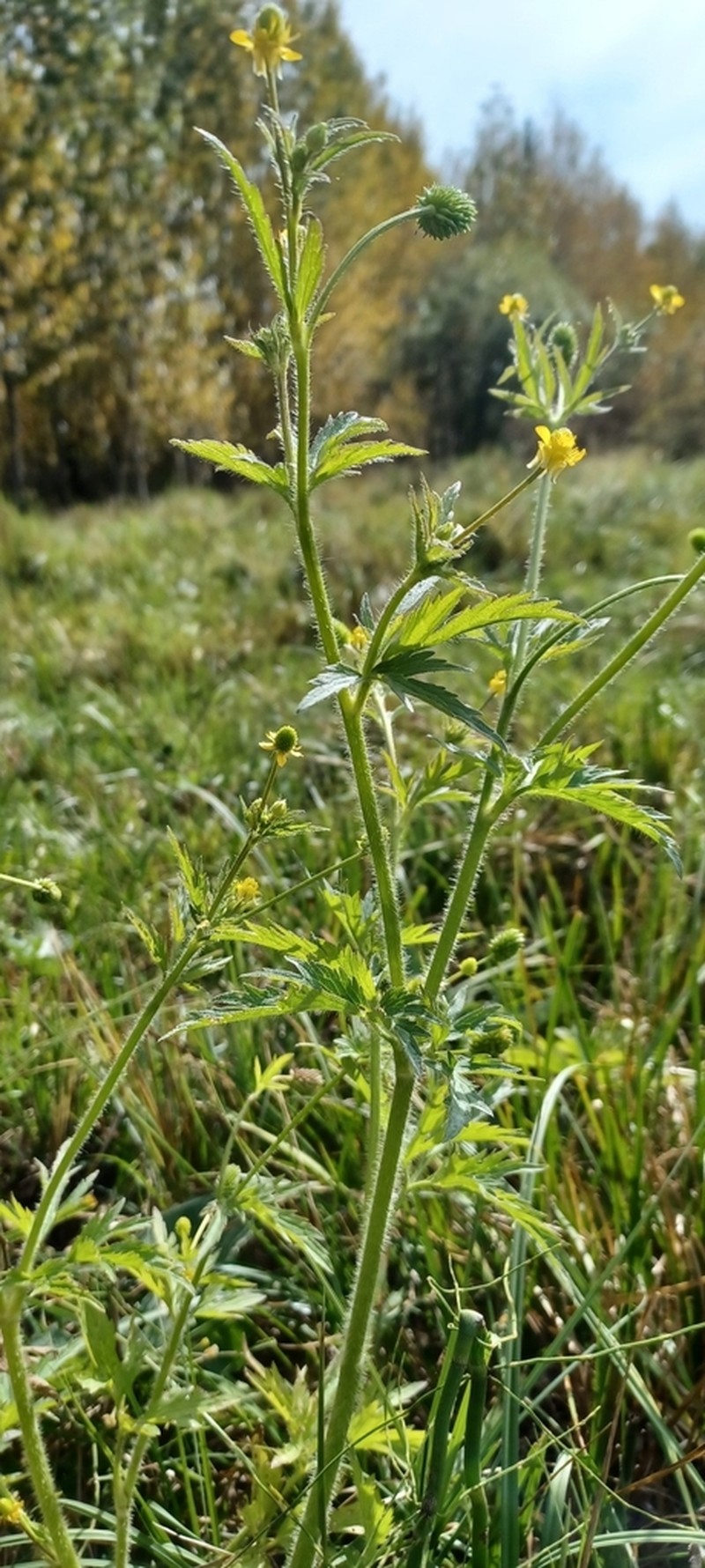
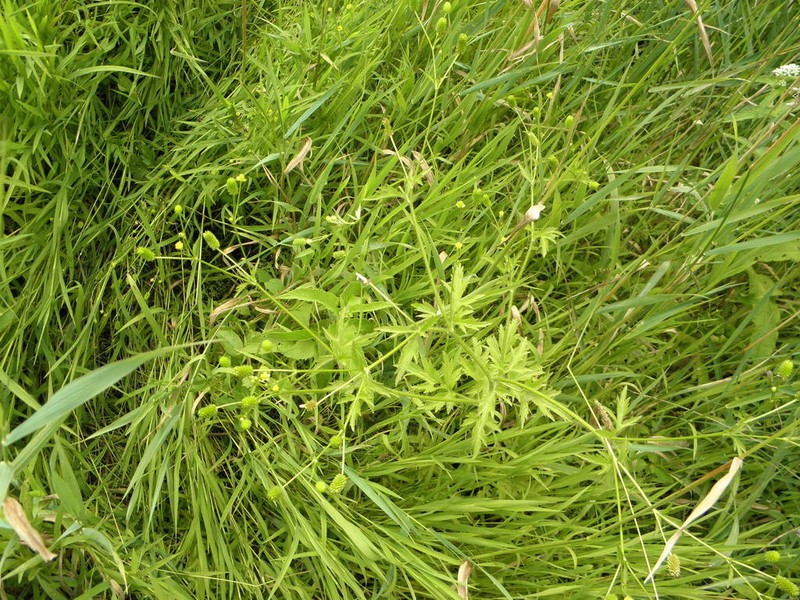
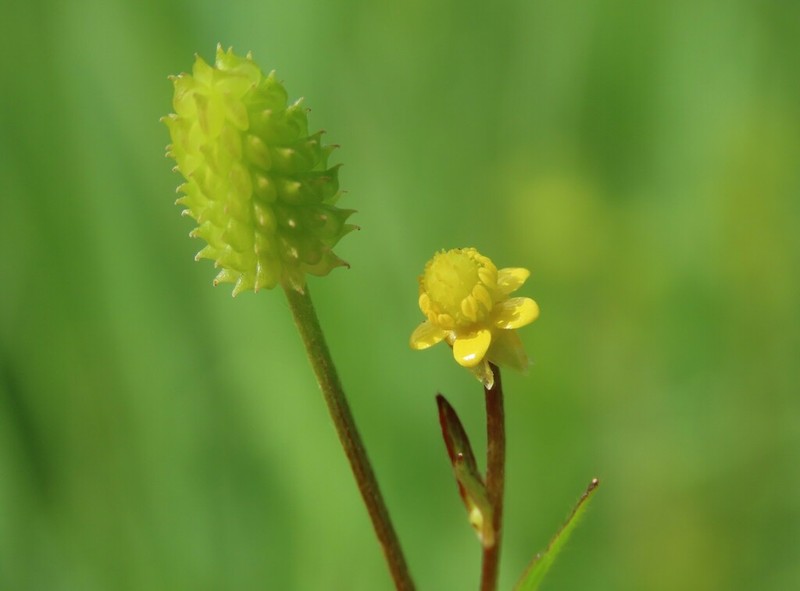
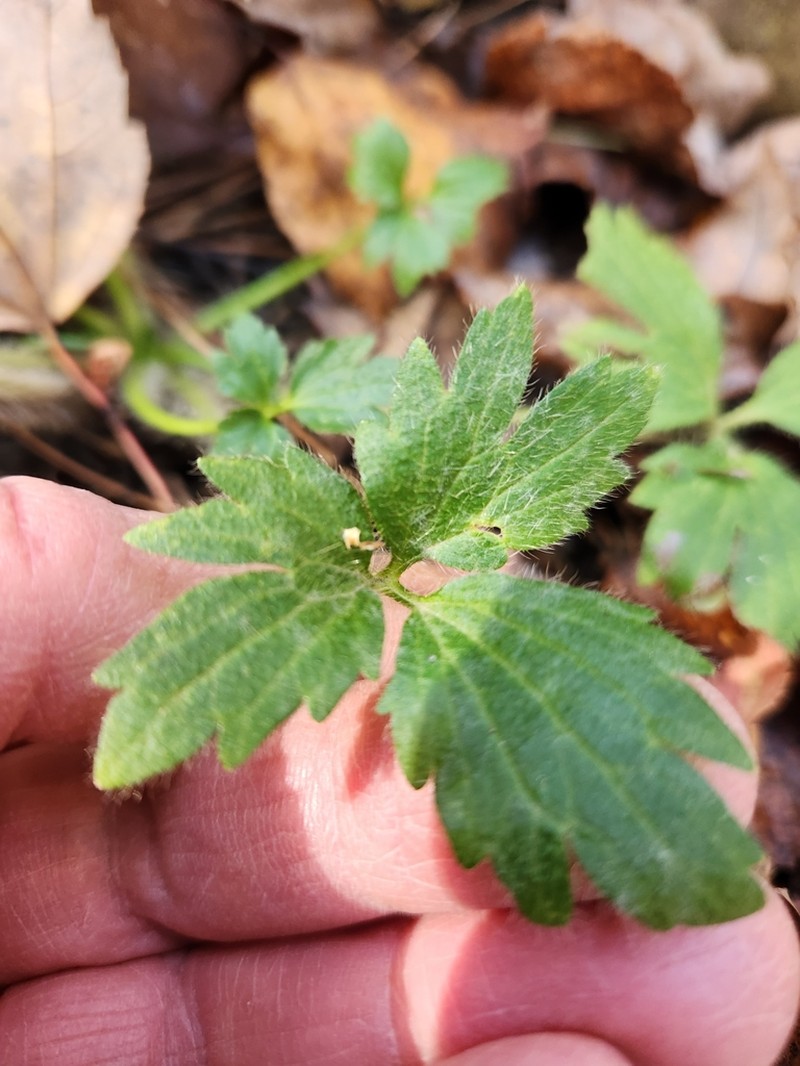
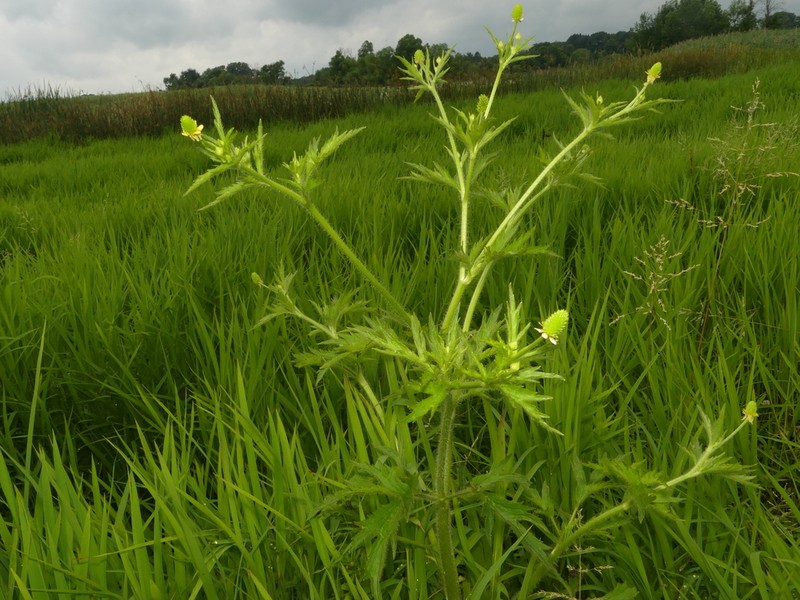
Taxonomy
- Division:
- Magnoliophyta | - Flowering plants
- Family:
- Ranunculaceae
- Genus:
- Ranunculus
- Species:
- Ranunculus pensylvanicus
- USDA Symbol:
- RAPE2
Growth Characteristics
- Life Cycle:
- Annual | Perennial
- Growth Habit:
- Geophyte
- Height:
- 100 cm
- Light Requirements:
- Part Shade
- Drought Tolerance:
- Low
- Bloom Months:
- jun,jul,aug,sep
- Bloom Colors:
- yellow
Keystone Species Ranking
- Pollen Specialist Bee Keystone:
- ★☆☆☆☆ Native pollen specialist bee species supported by this genus (NWF)
Garden & Ecology Notes
- Wildlife Value:
- birds, small mammals
Soil Requirements
- Soil Type:
- rich, moist, organic soil
- pH:
- 5.5 - 7.0 (slightly acidic to neutral)
- Drainage:
- tolerates poor drainage
- Moisture:
- consistently moist
- Notes:
- commonly found in wet meadows and marshes
Propagation & Germination
- Stratification:
- Cold/moist stratification required — 60–90 days
- Germination Time:
- 14–30 days
- Notes:
- Seeds require cold stratification for 60-90 days; sow in fall or after cold treatment.
Where to Buy
Nationwide Seller
- Prairie Moon Nursery (nursery and seeds)