
Western Meadow-Rue
Thalictrum occidentale
- Native to:
- Canada, United States
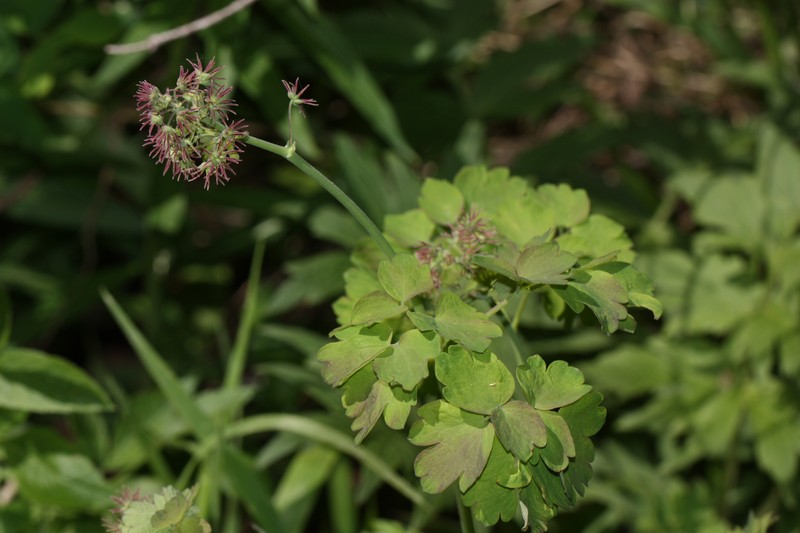
Walter Siegmund (talk)
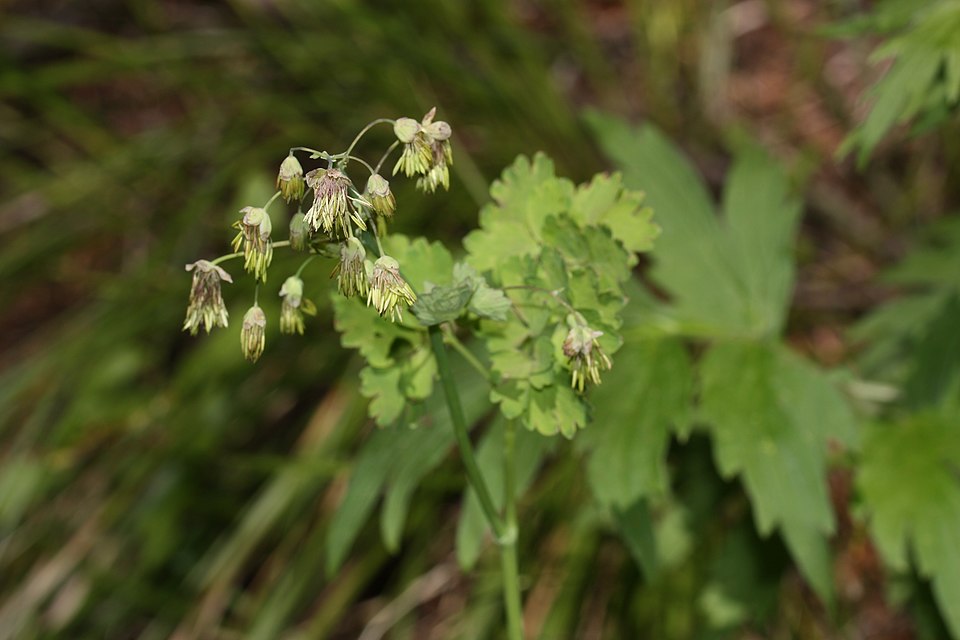
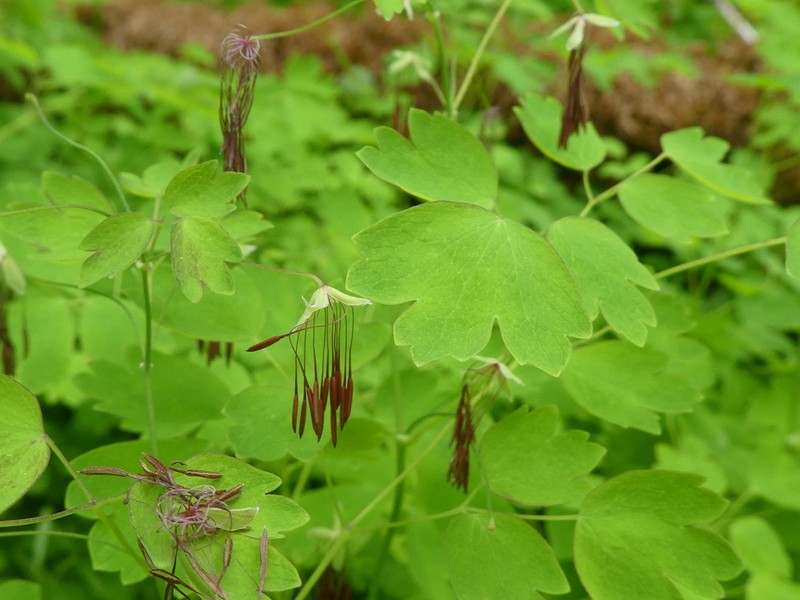
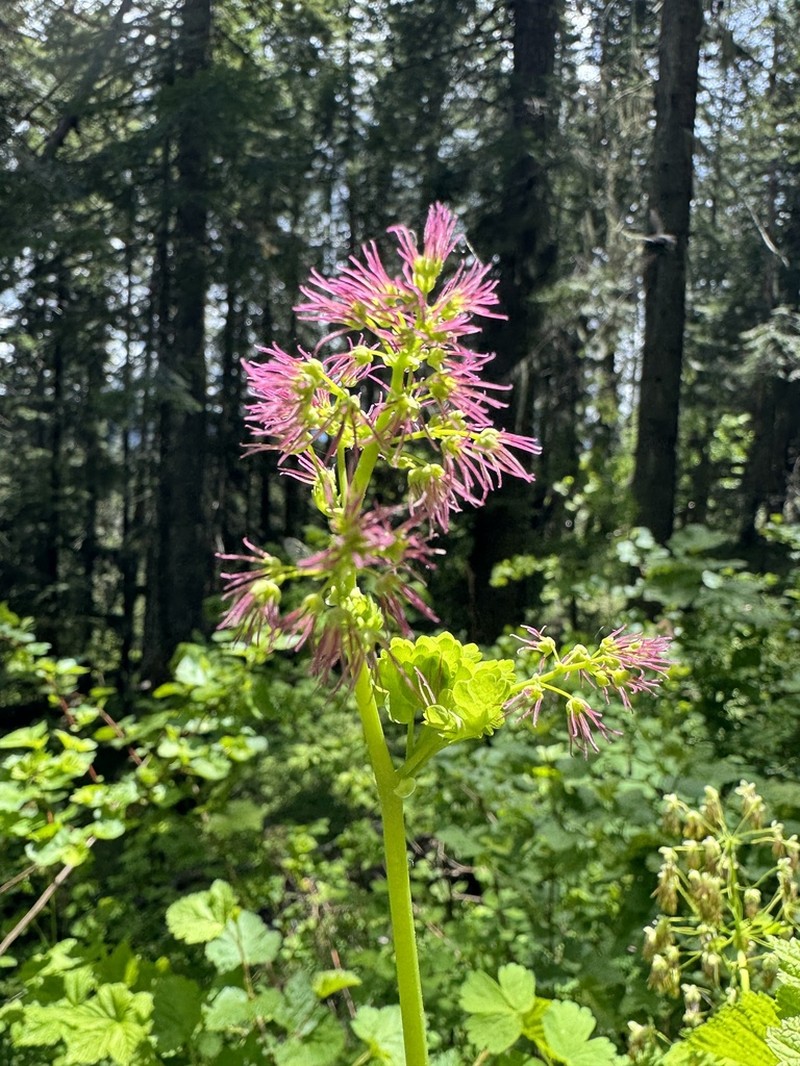
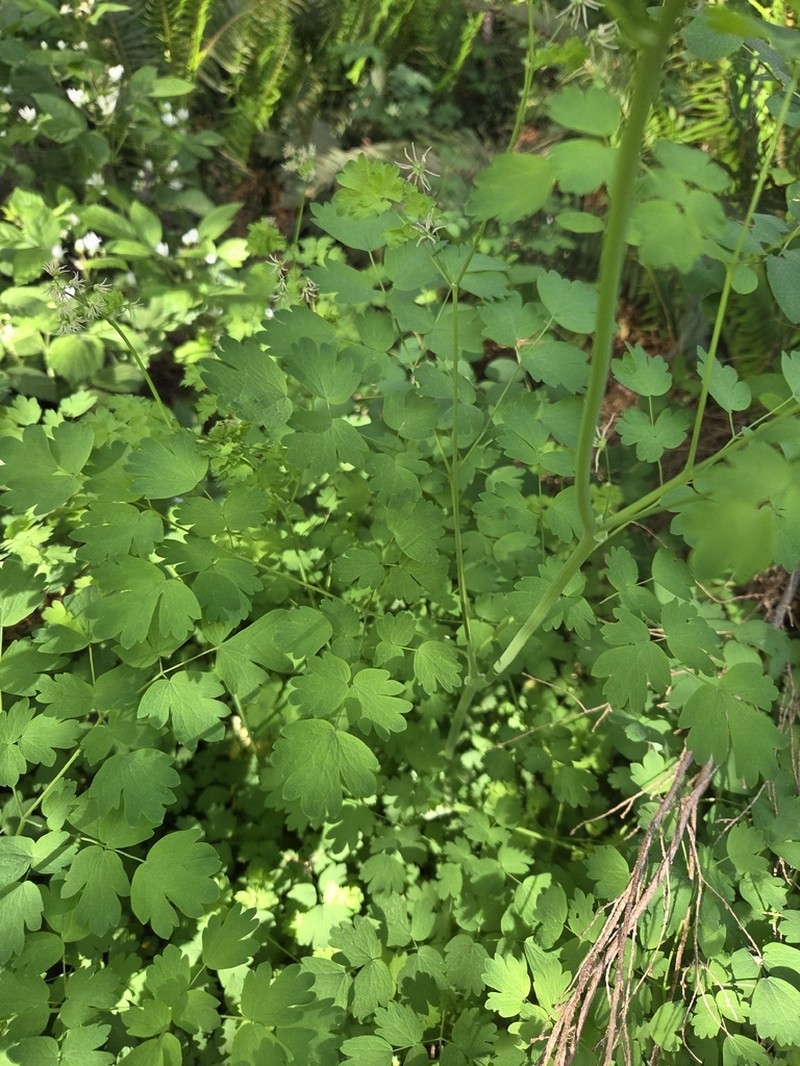
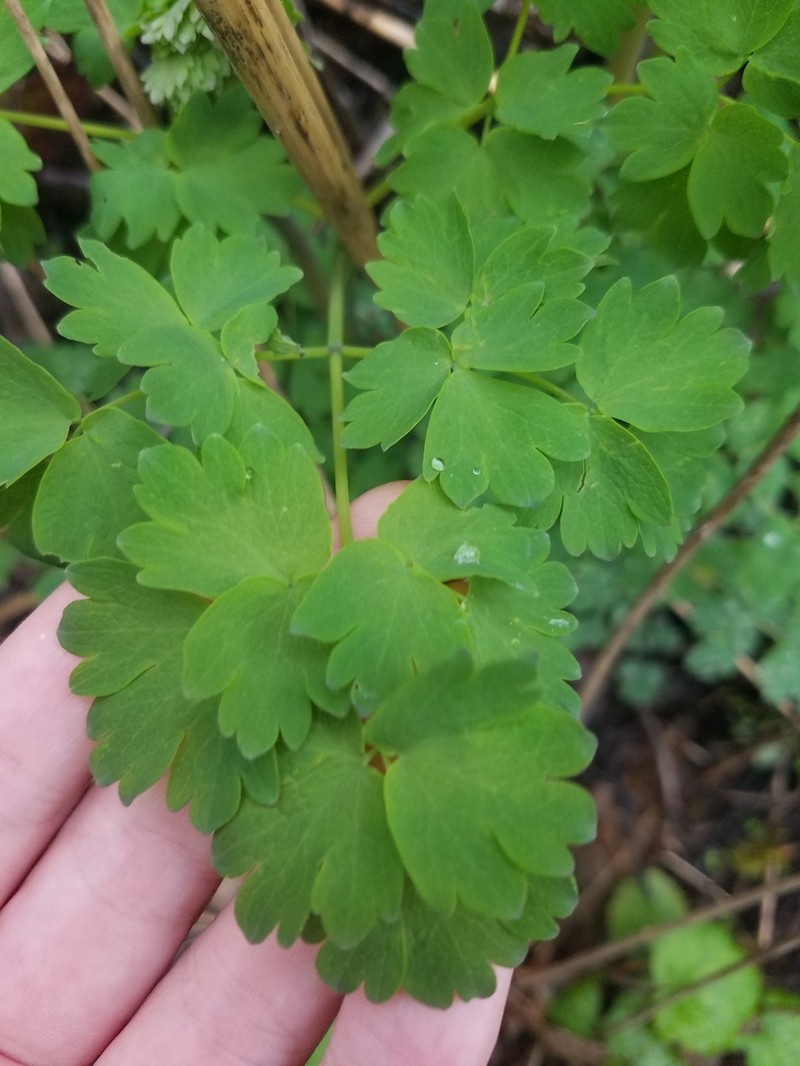
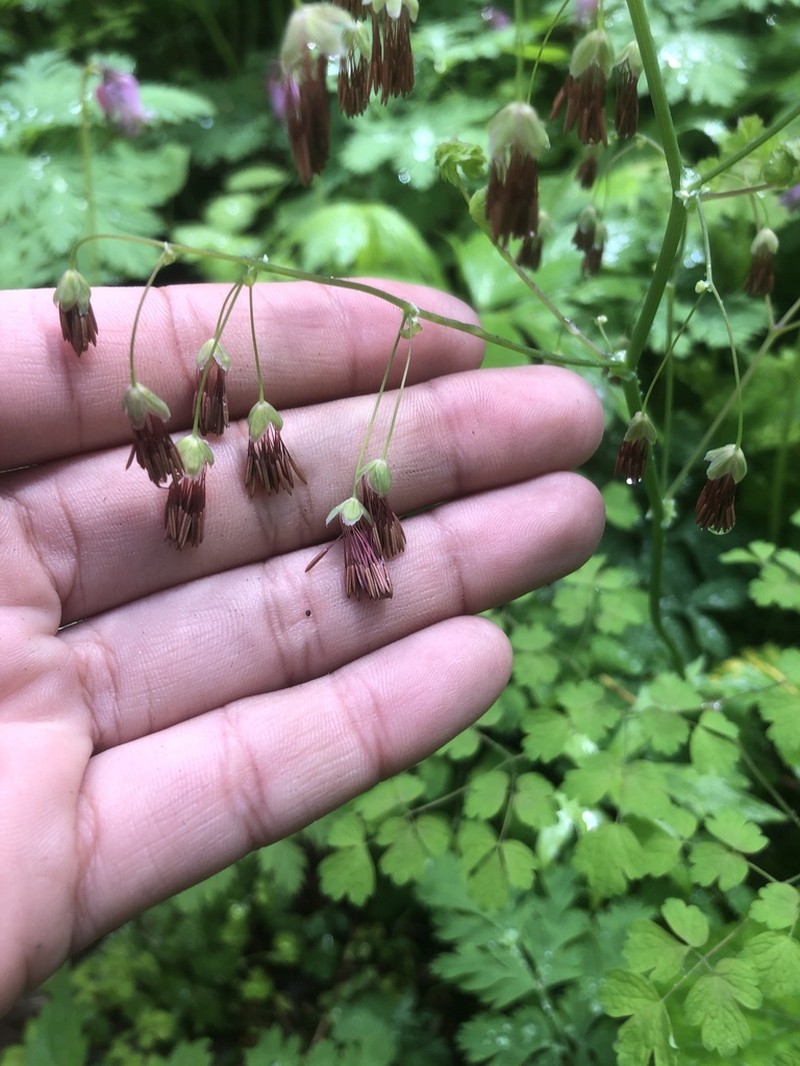
Taxonomy
- Division:
- Magnoliophyta | - Flowering plants
- Family:
- Ranunculaceae
- Genus:
- Thalictrum
- Species:
- Thalictrum occidentale
- USDA Symbol:
- THOC
Growth Characteristics
- Life Cycle:
- Perennial
- Growth Habit:
- Forb/herb
- Height:
- 120 cm
- Light Requirements:
- Part Shade
- Drought Tolerance:
- Medium
- Bloom Months:
- may,jun,jul
- Bloom Colors:
- greenish-white, purple
Wildlife Benefits
- Bees:
- ★☆☆☆☆ Documented bee visitation (GBIF)
- Butterflies & Moths:
- ★☆☆☆☆ Documented Lepidoptera association (GBIF)
Keystone Species Ranking
- Caterpillar Keystone:
- ★★☆☆☆ Butterfly & moth species supported by this genus (NWF)
Reported Fauna Sightings
Bees: Fuzzy-horned bumble bee (Bombus mixtus)
Garden & Ecology Notes
- Wildlife Value:
- butterflies, small mammals
- Deer Resistant:
- Yes
Soil Requirements
- Soil Type:
- rich, well-drained loamy soil
- pH:
- 5.5 - 7.5 (slightly acidic to neutral)
- Drainage:
- good drainage required
- Moisture:
- consistently moist
Propagation & Germination
- Stratification:
- Cold/moist stratification required — 60–90 days
- Germination Time:
- 30–60 days
- Notes:
- Seeds benefit from cold stratification for 60-90 days to break dormancy.
Pre-treatment: Seeds are treated with 500 ppm gibbereliic acid for 24 hrs and thoroughly rinsed with water following treatment. Seeds are placed in fine mesh bags and cold, moist stratified in moistened milled sphagnum peat moss for 90 days at 1 to 2 C in a refrigerator.
Establishment: Thalictrum is a dioecious genus and strongly rhizomatous. Female stands must be identified during flowering prior to seed collection. Seeds are black at maturity. Follicles are collected in early September when they turn tan and just begin to split open. The species is found from British Columbia to California east to Alberta and south to Utah.
Source: npn.rngr.net