
Ceanothus
Ceanothus × lorenzenii
- Native to:
- United States
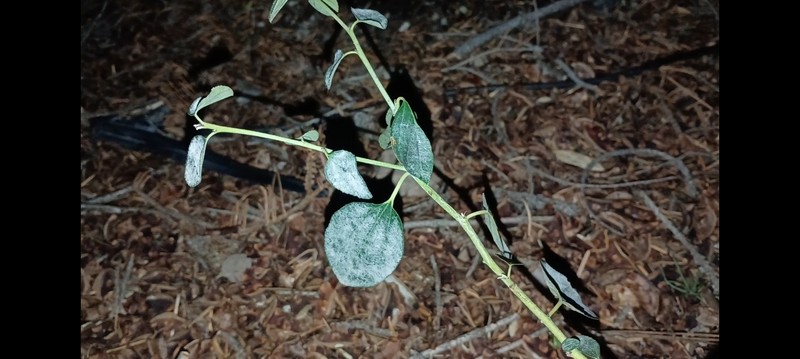
GBIF: Leyton Reid
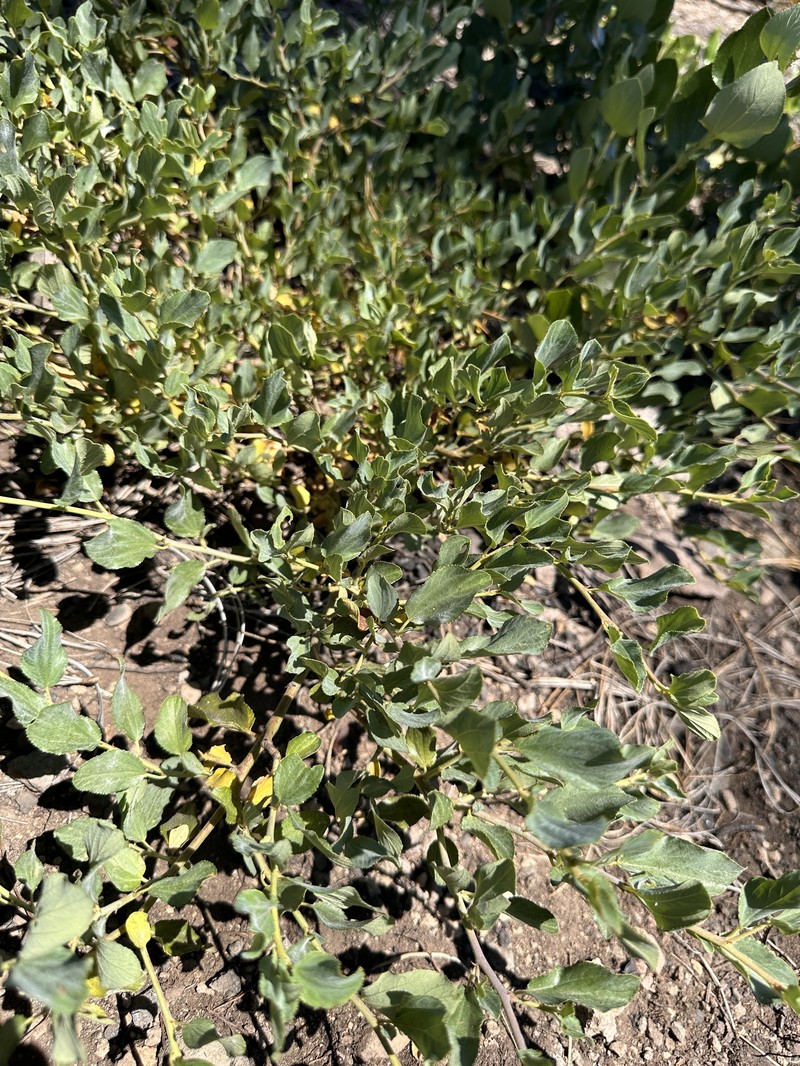
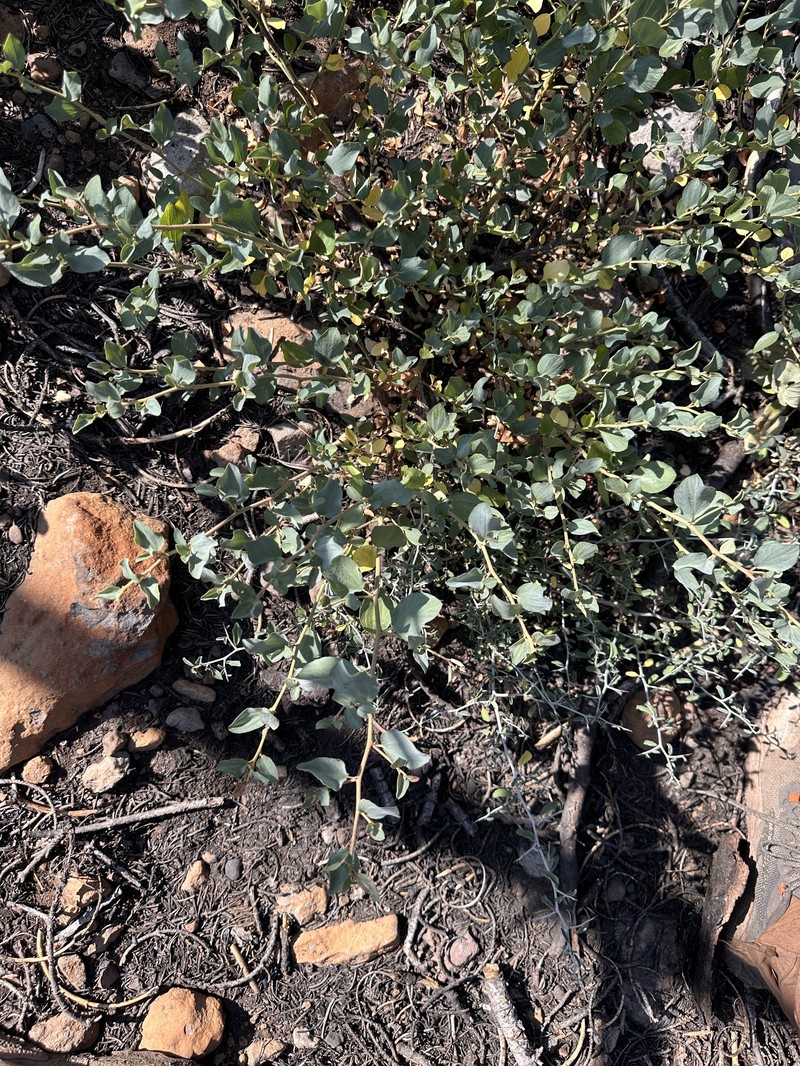
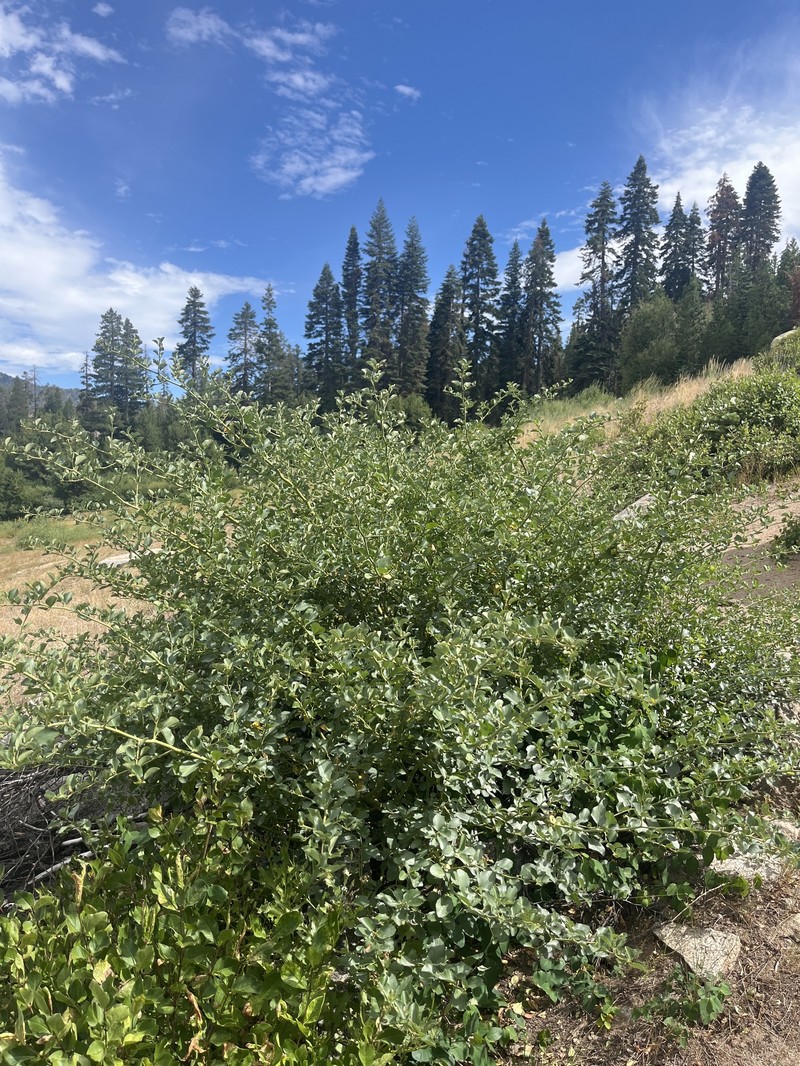
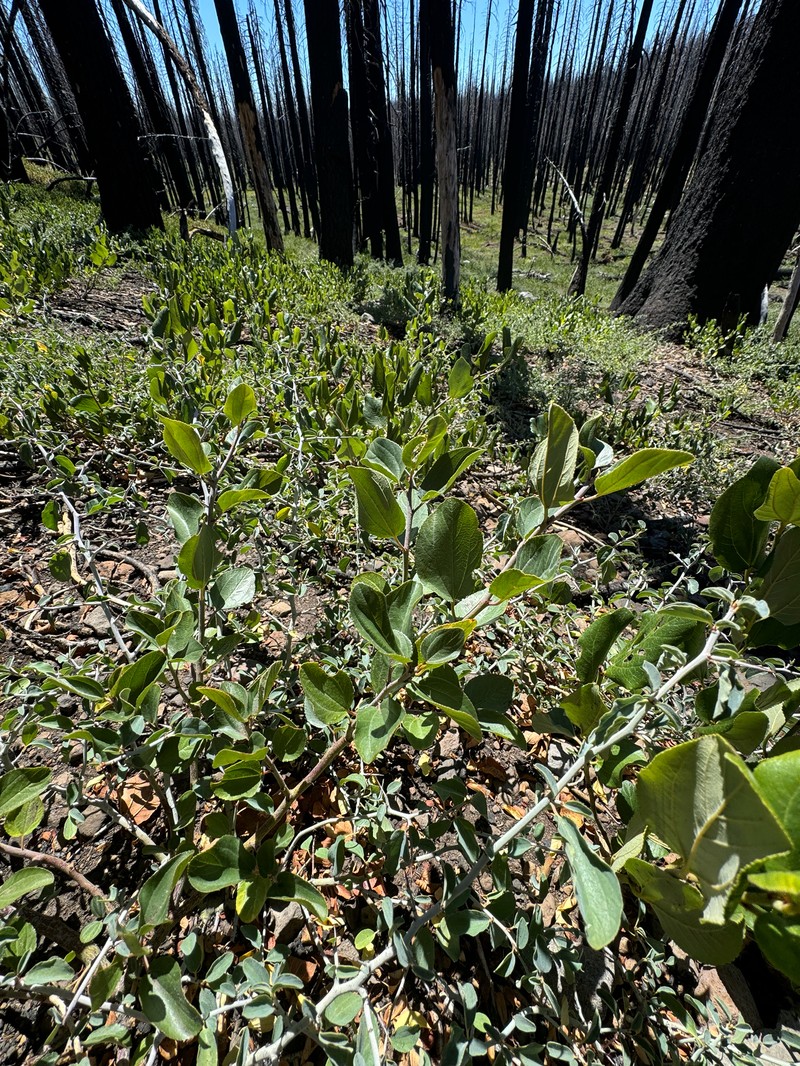
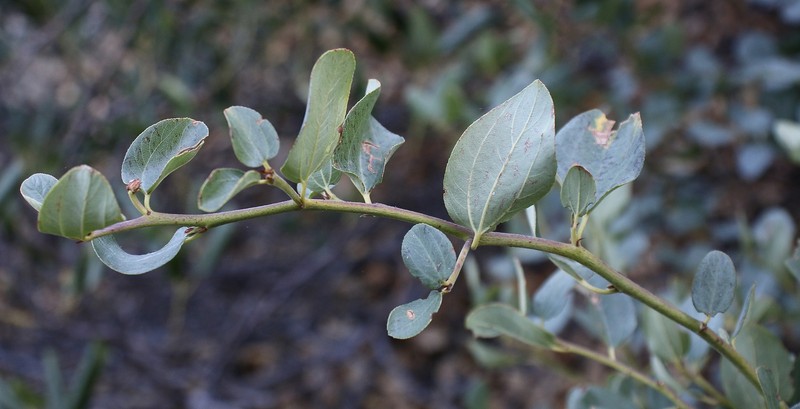
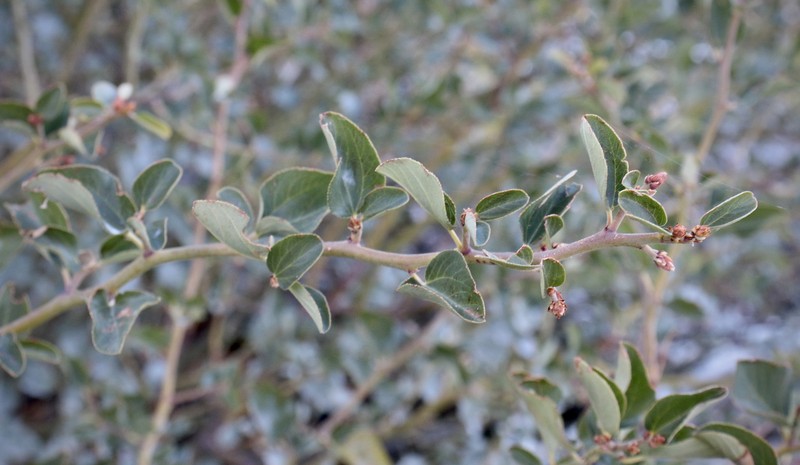
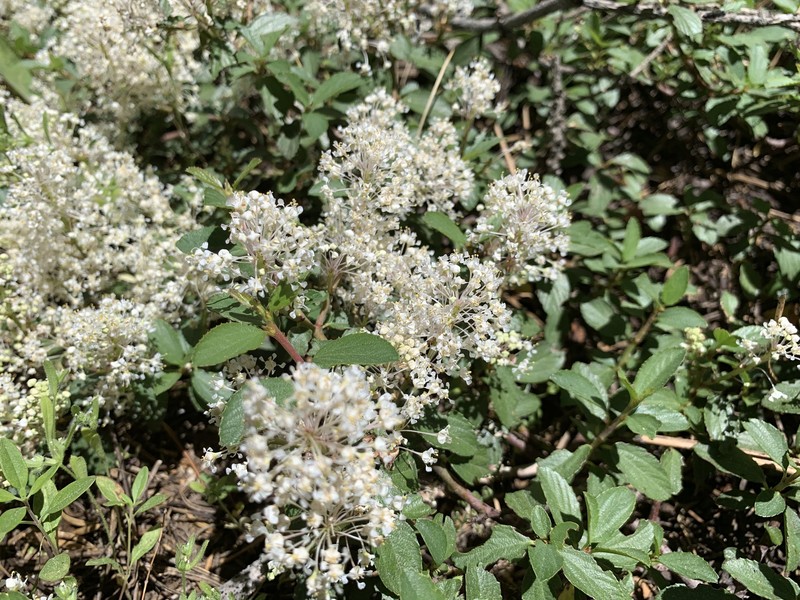
Taxonomy
- Division:
- Magnoliophyta | - Flowering plants
- Family:
- Rhamnaceae
- Genus:
- Ceanothus
- Species:
- Ceanothus × lorenzenii
- USDA Symbol:
- CELO2
Growth Characteristics
- Life Cycle:
- Perennial
- Growth Habit:
- Shrub
- Height:
- 200 cm
- Light Requirements:
- Full Sun
- Drought Tolerance:
- High
- Bloom Months:
- apr,may,jun
- Bloom Colors:
- blue, white
- Landscaping Shrub:
- Yes
Wildlife Benefits
- Bees:
- ★☆☆☆☆ Documented bee visitation (GBIF)
- Butterflies & Moths:
- ★☆☆☆☆ Documented Lepidoptera association (GBIF)
- Caterpillars:
- ★★☆☆☆ Recorded caterpillar host plant (HOSTS Database)
Keystone Species Ranking
- Caterpillar Keystone:
- ★★★★☆ Butterfly & moth species supported by this genus (NWF)
Host Plant for Caterpillars
ceanothus leafminer moth (Tischeria ceanothi), Ceanothus Silkmoth (Hyalophora euryalus), Columbia silk moth (Hyalophora columbia), Elegant Sheep Moth (Hemileuca eglanterina), Kaslo silkmoth (Hyalophora "kasloensis"), Pseudoglaea olivata, Western tent caterpillar (Malacosoma californica), Brown Elfin (Incisalia augustinus), California hairstreak (Satyrium californicum), California tortoiseshell (Nymphalis californica), Hedgerow Hairstreak (Satyrium saepium), Pale Swallowtail (Papilio eurymedon)
Garden & Ecology Notes
- Wildlife Value:
- bees, butterflies, birds
- Deer Resistant:
- Yes
- Fragrant:
- Yes
- Fire Ecology:
- Fire adapted — tolerates or benefits from fire
- Fire Notes:
- Ceanothus species often resprout after fire and seeds are stimulated by heat.
Soil Requirements
- Soil Type:
- well-drained, sandy or rocky soil
- pH:
- 6.0 - 7.5 (slightly acidic to neutral)
- Drainage:
- excellent drainage required
- Moisture:
- dry to moderate
- Notes:
- native to coastal regions, prefers dry conditions
Propagation & Germination
- Stratification:
- Cold/moist stratification required — 30–60 days
- Scarification:
- Seed coat scarification required before sowing
- Germination Time:
- 30–90 days
- Notes:
- Seeds benefit from scarification (nicking or hot water) followed by cold stratification.
Pre-treatment: Cold-moist stratification for 30 days at 1–5°C (34–41°F).
Source: Claude AI